When Smart Homes Can Fail and Lead to Unexpected Injuries

In recent years, smart home technology has transformed the way people live. From automated lighting to voice-controlled appliances, these systems promise convenience and efficiency. However, integrating complex technology into daily life comes with new types of risks. Even a minor programming glitch or a delayed sensor can create hazards in spaces that were previously considered safe. Many homeowners assume that installing smart devices eliminates everyday dangers, but the reality is that technology can sometimes introduce unseen risks.

The appeal of controlling everything from a smartphone or tablet can give a false sense of security. While monitoring systems can detect some problems, they cannot always prevent physical accidents. For instance, a voice-activated assistant may turn on a device at the wrong time, or motion sensors may fail to detect a wet floor. These malfunctions can directly contribute to injuries that might have been avoided in a non-automated environment. As technology becomes more intertwined with living spaces, homeowners need to recognize the potential for accidents even in the most modern homes.

A deeper concern is how residents interact with multiple devices simultaneously. Homes filled with smart gadgets can create a chaotic environment if devices do not communicate effectively. Conflicting commands or overlapping schedules may leave areas dark or cluttered, which increases the chance of accidents. Careful consideration of how technology integrates into daily routines is crucial. Without thoughtful management, the very systems designed to make life safer and easier may inadvertently introduce new hazards that require constant attention.

Slip and Fall in Modern Homes

According to Weston & Pape slip and fall incidents remain among the most common household injuries, and smart homes are not immune. Shiny floors, slick tiles, and recently installed smart appliances can create hazards that go unnoticed until an accident occurs. Many people do not realize that even small changes in floor texture or lighting patterns can increase the likelihood of slipping. A misaligned smart rug sensor or a poorly lit staircase can quickly turn an ordinary walk into a dangerous fall.

Medical reports confirm that these types of injuries can lead to sprains, fractures, and long-term mobility issues. For homeowners, the challenge is balancing the desire for a technologically advanced environment with the need for safety measures that prevent slips. This may include investing in better lighting, non-slip mats, and regular inspections of automated systems. Awareness of how devices interact with the home environment is critical for reducing the chance of accidents that disrupt daily life.

Smart flooring systems and automated cleaning devices are sometimes added with the intent to reduce hazards, but they can have the opposite effect if not installed properly. For example, a vacuum robot may leave cords or small objects across the floor that sensors fail to detect. Even intelligent lighting that adjusts based on movement can create shadows or glare that misleads the eye. Combining technology with simple precautions like secure flooring, clear pathways, and careful device placement creates the safest environment for residents of all ages.

Technology and Device Malfunctions

Even the most sophisticated devices can fail under certain conditions. Smart lighting systems, automated vacuum cleaners, and intelligent flooring sensors are all susceptible to glitches. For instance, a robotic cleaner may leave cords or objects in high-traffic areas, creating tripping hazards. Similarly, voice-activated lights may not respond as intended, leaving areas dark and unsafe. These seemingly minor malfunctions can escalate quickly, especially for elderly residents or children.

Homeowners must understand that the addition of technology requires a new layer of vigilance. Regular testing and maintenance of devices can prevent accidents before they occur. Beyond physical safety, homeowners may also face emotional and financial consequences if someone is injured. The integration of smart technology offers convenience but also demands responsibility to ensure that the home remains a safe space for everyone.

Technical malfunctions are often unpredictable, which makes them particularly dangerous. Sensors may fail during power surges, and devices may misinterpret environmental changes such as humidity or temperature. Without routine checks, a system may stop performing as intended for weeks, creating hidden hazards. Recognizing that technology is not foolproof and maintaining a proactive approach can prevent accidents and help homeowners retain confidence in their smart systems.

Preventing Injuries Through Smart Design

Designing a smart home that prioritizes safety is essential. This includes installing devices in a way that reduces risks rather than creates them. Automated lighting should provide consistent illumination along pathways, especially near stairs and entryways. Motion sensors and floor sensors need to be tested frequently to ensure accurate readings. By thoughtfully planning technology placement, homeowners can reduce hazards while still benefiting from modern conveniences.

In addition, understanding how people interact with technology is key to preventing accidents. Family members may not always be aware of the risks posed by moving devices or unexpected system behaviors. Creating simple safety routines, such as clearing floors of obstacles and checking sensors regularly, ensures that technology enhances rather than compromises safety. Proper planning and awareness are vital in minimizing injury risks in technologically advanced homes.

Integrating smart home technology with traditional safety design further strengthens protections. Handrails, anti-slip mats, and well-marked walkways remain important even in homes equipped with the latest devices. Combining these measures with technology ensures that residents are protected in both predictable and unexpected situations. A deliberate, multi-layered approach to home safety reduces the chances of accidents and supports a seamless experience between convenience and protection.

Emergency Responses and Assistance

Even with precautions, accidents can occur. Smart homes often include features like automated emergency alerts and medical monitoring, which can be lifesaving. Devices can detect falls and alert family members or emergency services immediately. This rapid response can reduce the severity of injuries and provide peace of mind to residents. However, these systems are only effective if properly configured and maintained.

Homeowners should also consider redundancies. Batteries must be charged, internet connections should be stable, and emergency contacts should be kept current. Technology is a powerful tool for protecting residents, but it is not infallible. Combining technological solutions with traditional safety measures such as grab bars, rugs, and clear pathways ensures a more comprehensive approach to preventing and responding to injuries.

Maintaining open communication with family or caretakers can improve the effectiveness of emergency responses. If multiple people live in a home, everyone should understand the capabilities and limitations of the devices in use. This ensures that alerts are noticed promptly and that appropriate action is taken without confusion. Technology works best when paired with awareness and preparedness, creating a home environment where help can arrive quickly when needed.

Living Safely in a Smart World

Smart homes offer remarkable benefits, but they also introduce new challenges for everyday safety. By recognizing the risks associated with device malfunctions and slip hazards, homeowners can make informed decisions about how to implement technology. Regular maintenance, thoughtful design, and proper safety routines can reduce the likelihood of accidents and enhance the comfort of modern living spaces.

Residents must remember that technology should support, not replace, personal vigilance. Creating a home environment that is both advanced and safe requires consistent attention and practical strategies. When smart devices are used thoughtfully, the potential for injuries can be minimized, allowing families to enjoy the conveniences of a connected home without compromising well-being. Smart living does not mean risk-free living, but with careful planning, the benefits can far outweigh the dangers.

A key consideration is ensuring that smart technology remains adaptable as needs change. Families may grow, visitors may arrive, or mobility issues may develop over time. Devices and safety measures must evolve to meet these shifting demands. Regularly reassessing both technology placement and traditional safety features ensures that the home continues to provide protection for all occupants. By treating safety as an ongoing process rather than a one-time installation, residents can confidently enjoy a connected, secure living environment for years to come.


Accident Response: Using Tech Tools to Manage Injuries and Gather Evidence on the Road

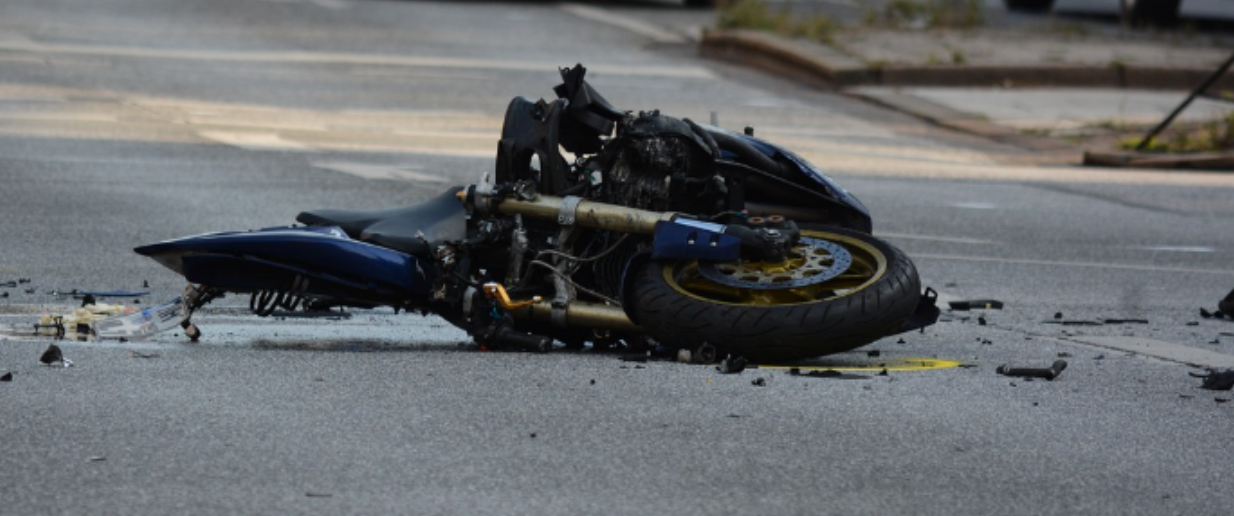
Motorcycle riding offers the thrill of freedom and adventure, but it also comes with inherent risks. Accidents can happen in the blink of an eye, leading to serious injuries and complicated legal matters. Therefore, having a well-thought-out plan for responding to accidents is essential. This plan should include not only injury management but also evidence gathering, both of which can be significantly enhanced by technology. By utilizing modern tech tools, riders can improve their safety and ensure a more effective response in the unfortunate event of an accident.

The Importance of Quick Response

According to dwaccidentlawyer.com, responding quickly to a motorcycle accident is crucial for minimizing the severity of injuries. Every second counts when it comes to medical intervention. Research indicates that timely treatment can greatly impact recovery outcomes, particularly for traumatic injuries. In a fast-paced accident scenario, knowing how to react quickly and effectively can make all the difference between life and death.

Technology can play a vital role in enabling quicker responses. Many smartphones have emergency features that allow users to contact emergency services with just a few taps. Additionally, medical alert systems can notify designated contacts or services automatically. These tools ensure that help arrives as quickly as possible, which can significantly reduce the risks associated with motorcycle accidents.

Essential Tech Tools for Injury Management

Several tech tools can assist motorcyclists in managing injuries after an accident. First aid apps provide step-by-step instructions for dealing with various injuries, ensuring that riders can respond effectively while waiting for professional help. These apps can guide users through critical processes, from performing CPR to addressing bleeding wounds.

Moreover, telemedicine services are becoming increasingly popular for post-accident care. Riders can consult with healthcare professionals remotely, allowing for immediate advice on how to handle injuries. This option not only saves time but also ensures that riders receive prompt care without the need to travel, which can be particularly beneficial when mobility is limited due to injuries.

Gathering Evidence with Technology

Collecting evidence after a motorcycle accident is essential for legal and insurance purposes. Thorough documentation can strengthen a victim’s case, making it easier to secure compensation for injuries. Fortunately, various tools make gathering this evidence more straightforward. Smartphones equipped with high-quality cameras can capture crucial details of the accident scene, including vehicle damage, road conditions, and any relevant traffic signs.

Dash cams are another valuable resource for motorcyclists. These cameras continuously record video footage while riding, providing a detailed account of events leading up to an accident. This footage can be instrumental in reconstructing the accident and identifying liability. Additionally, many dash cams come with GPS functionality, which adds context to the footage by documenting speed and location, further supporting a victim’s claim.

Communicating with Emergency Services

Effective communication with emergency services is a critical aspect of accident response. When an accident occurs, riders need to provide accurate information to ensure that help arrives promptly. Technology can facilitate this communication, making it easier to relay vital details about the accident. Apps that automatically alert authorities or loved ones can be a lifesaver in emergencies.

For example, certain devices and apps can send real-time alerts when a crash is detected. These tools often include features that share the rider’s location and the nature of the accident, ensuring that emergency responders can act swiftly. This ability to communicate quickly and effectively can be the difference between a minor injury and a life-threatening situation.

In addition to automated alerts, some communication apps allow users to share their medical history and emergency contacts with first responders. This information can be crucial for paramedics who need to know about allergies or pre-existing conditions. By providing this context, riders can ensure they receive the most appropriate care in a timely manner. Utilizing technology to enhance communication during emergencies empowers riders to play an active role in their safety and recovery.

Post-Accident Support and Recovery

The aftermath of a motorcycle accident can be daunting, but technology offers various solutions for post-accident recovery. Mental health apps can provide resources and support for those dealing with the emotional fallout of an accident. These platforms often include guided meditation, therapy sessions, and support groups that help individuals navigate their feelings during this challenging time.

Wearable technology also plays a role in recovery. Devices that monitor vital signs can help riders track their health post-accident, alerting them to any concerning changes. For example, smartwatches can provide heart rate monitoring and emergency alerts, ensuring that users remain aware of their physical condition during the recovery process. These tech solutions empower riders to take control of their healing journey and foster a sense of agency during a difficult time.

Conclusion

Incorporating technology into accident response strategies can greatly enhance a motorcyclist’s ability to manage injuries and gather evidence effectively. Quick response times are crucial for minimizing injury severity, and numerous tech tools are available to facilitate this process. From injury management apps to dash cams, technology provides riders with the resources they need to navigate the aftermath of an accident.

Understanding the importance of these tools can make a significant difference in the lives of motorcycle riders. By staying informed and prepared, riders can not only protect themselves but also contribute to safer riding practices. In an era where technology is increasingly integrated into our daily lives, leveraging these tools can enhance safety on the road and ensure a more effective response when accidents occur. Stay safe, ride smart, and embrace the tech that can keep you and others protected on the road.


Capturing The Aftermath: Documenting the Scene of an Accident

Car accidents could lead to severe injuries, car damage, losses, or death. When a motorist is involved in an accident, they are unlikely to think about taking photographs of the scene even if they are not severely injured. However, pictures can help determine the driver at fault and come in handy when pursuing compensation. Therefore, people involved in an accident should assess their condition, call the ambulance and the police, and take photos to capture essential details. Unfortunately, many people fail to take photographs because of the shock associated with an accident, while others do not understand the value of photo evidence. This article provides valuable tips on capturing helpful photos after an accident.

Take Pictures of Any Injuries

Anybody injured in an accident might not think about capturing the injuries. However, since photo evidence is quite powerful, it is important to consider taking photos after an accident to document the injuries. If a person is severely injured, other passengers who are not injured can help take photos of the injuries. Legal professionals always recommend taking photos immediately after the accident. However, since some bruises might not be visible immediately, the injured persons should take photos as soon as they appear.

Document Property Damage

People involved in an accident should take photos of any visible damage to the vehicle, roadway, traffic signs, or buildings. They should capture multiple shots from different angles to ensure the authorities can determine the driver responsible for the accident if necessary. It is also important to capture any debris, skid marks, or other signs that can help determine what caused the accident.

Take Photos of Nearby Traffic Signs

Some people wonder why they must capture traffic signs, but they can help the police, insurance companies, or legal teams determine how the accident happened. For example, a stop sign near the accident scene could mean that one of the drivers ignored the sign, leading to a collision. Vegetation near the traffic sign could also mean the drivers could not see the signs. The photographs could be helpful since the overgrowth shrubbery could be cut or trimmed shortly after the accident.

Capture Important Details

Some people may not remember important information after the accident, which explains why they should capture relevant information. For example, they should take photos of the license plate number, car make and model, insurance details, driver’s license, and registration details. These details can help authorities investigate the cause of the accident and the responsible party.

Ensure the Time Stamp Is Accurate

What would happen if the time stamp on the accident photos is incorrect? This could poke holes into the evidence presented when pursuing compensation. Therefore, people involved in an accident should ensure that their cameras or smartphones indicate the correct time. This prevents complicated issues that would otherwise arise if such photos were presented as evidence in a court of law.

Take Photos of the Other Driver, Police, and Witnesses

Since the person involved in an accident cannot remember all the people at the scene, their photos can help identify and find them if needed. If any party files a claim, the responsible attorney or the police could contact the witnesses, driver, or the police for more details.

After an accident, it is crucial to collect and preserve evidence to help identify the responsible party and file a successful compensation claim. These tips can help capture valuable photos that can come in when pursuing an insurance claim. Remember to store the photos safely and share them with a lawyer when needed.