Creating Clear Sightlines Around Your Home

Why Sightlines Matter More Than You Think

When most people think about their home’s exterior, they focus on curb appeal or landscaping details. But there’s a hidden value in creating clear sightlines—those unobstructed views that allow you to see across your yard, driveway, or entryway with ease. Good sightlines don’t just make your property look larger and more inviting, they also play an important role in safety. For example, residents researching home security systems Cleveland often discover that trimming back shrubs and opening up views of entrances can work hand in hand with technology to keep a home more secure. Sightlines are about peace of mind as much as they are about beauty.

Strategic Landscaping for Visibility

Landscaping is one of the easiest ways to either block or open up sightlines. While lush greenery can make a yard feel cozy, too much can create blind spots. Tall hedges or dense bushes near windows, doors, or walkways can prevent you from seeing who is approaching and also give intruders potential hiding spots. Replacing bulky plants with lower, trimmed shrubs or ornamental grasses maintains greenery while improving visibility. Thoughtful placement of flower beds and small trees can frame your yard without cutting off views.

Lighting That Extends Sightlines at Night

Clear sightlines aren’t just for the daytime. At night, the right lighting can make pathways, porches, and backyard spaces safer and more inviting. Instead of relying only on a single porch light, think about layered lighting—pathway lights, motion-activated spotlights, and subtle uplighting for trees or fences. These not only improve visibility but also add a warm and welcoming feel to your property. Lighting should highlight the openness you’ve created, rather than create glare or harsh shadows that block your view.

Fencing With Function and Openness

Fences often define the perimeter of a property, but they don’t have to close it off completely. Solid fences may provide privacy, yet they can also block your view of what’s happening just outside your yard. Alternatives like decorative iron fences, horizontal slat designs, or even hedges trimmed to a consistent height offer security while still allowing visibility. When choosing fencing, think about the balance between privacy and openness—how much you want to see out and how much you want others to see in.

Windows as Part of the Sightline Plan

Your home’s windows play a surprisingly big role in exterior sightlines. Large front windows or strategically placed side windows allow you to keep an eye on the street or yard from inside. Clean, uncluttered windows free of heavy drapes or overgrown plants outside extend your view and make your interior feel more connected to the outdoors. Even simple adjustments, like trimming trees that block a second-story window view, can greatly improve how you monitor your surroundings.

Creating Open Pathways

Cluttered walkways and driveways can disrupt both the flow and the sightlines around your home. Bikes, lawn equipment, or extra décor may feel harmless, but over time they can create small obstacles that make areas harder to see and navigate. Keeping these areas clear not only improves safety but also enhances the sense of openness. Adding straight or gently curving walkways with clear borders, like stone edging or low plants, can also naturally guide the eye and reinforce clean sightlines.

Blending Security With Aesthetics

One of the best parts about focusing on sightlines is that it brings together security and style. An open yard with trimmed landscaping, well-placed lighting, and uncluttered pathways is both visually appealing and safer. It’s the kind of design choice that looks intentional rather than overly defensive. When combined with other smart measures, like modern locks or surveillance cameras, clear sightlines ensure that your home feels welcoming to guests but discouraging to unwanted visitors.

Regular Maintenance Is Key

Creating sightlines isn’t a one-time project—it requires upkeep. Bushes grow back, trees spread their branches, and clutter can pile up quickly. A monthly check-in around your property to trim, clear, and adjust goes a long way. Seasonal changes also affect visibility, so it helps to rethink lighting and plant growth throughout the year. By treating maintenance as part of your regular routine, you keep your home both attractive and secure without letting problems sneak up on you.

A Holistic Approach to Home Design

At the end of the day, clear sightlines are about more than just cutting back shrubs or adding lights. They’re about seeing your property as a whole system where beauty, comfort, and safety intersect. A home with open views feels larger, looks more inviting, and allows you to keep an eye on what matters most. It’s a practical design choice that benefits your family’s peace of mind and enhances the value of your property.

What is the Difference Between Violet Glass and Regular Glass?

The History and Origin of Violet Glass: Why It Has Been Used for Centuries

Violet glass bottles, also known as biophotonic glass, has a rich history that dates back to the ancient Egyptians. These early civilizations used violet glass to store their precious oils, medicines, and cosmetics. The unique properties of violet glass ensured that the contents remained fresh longer and retained their potency. Unlike regular glass, which is often clear or light green, violet glass has a deep purple color that is not only aesthetically pleasing but also functional.

The Science Behind Biophotonic Glass: How Violet Glass Works

The functionality of violet glass is based on scientific principles that distinguish it from regular glass. Violet glass blocks the entire spectrum of visible light except the violet part, while also allowing certain parts of the UV and infrared spectrum to pass through. This unique filtering mechanism protects the contents from harmful light rays that can degrade quality and shelf life. Regular glass does not offer this protection, causing products to spoil faster or lose their effectiveness.

Sustainability and Environmental Friendliness of Violet Glass

Another important difference between violet glass and regular glass is sustainability. Violet glass is reusable and recyclable, contributing to a more sustainable world. The use of violet glass can reduce the need for disposable packaging, leading to less waste and a lower ecological footprint. Regular glass is also recyclable but does not offer the same benefits in terms of product preservation, which can lead to more waste.

Protection of Essential Oils: Why Violet Glass is the Best Choice

Essential oils are particularly sensitive to light and air, which can affect their quality and effectiveness. Violet glass offers superior protection by blocking harmful light rays and protecting the oils from oxidation. Regular glass does not provide the same level of protection, causing essential oils to spoil faster and lose their therapeutic properties.

Storing DIY Natural Products in Violet Glass

For those who make their own natural products, violet glass offers an excellent storage solution. Whether it’s homemade creams, tinctures, or herbal blends, violet glass helps maintain the freshness and potency of the ingredients. Regular glass cannot offer these benefits, meaning DIY products can lose their effectiveness more quickly.

Violet Glass in the Modern Apothecary: Traditional Medicine Meets Innovation

Modern apothecaries and naturopaths have rediscovered the benefits of violet glass. By combining traditional medicine with innovative storage methods, they can ensure the quality and effectiveness of their products. Regular glass is still used but does not offer the same level of protection and durability as violet glass.

Cooking and Storage: Why Violet Glass is Perfect for Herbs and Spices

Herbs and spices quickly lose their flavor and aroma when exposed to light and air. Violet glass provides a solution by blocking these harmful influences, keeping herbs and spices fresher for longer. Regular glass does not offer the same protection, leading to flavor loss and waste.

Violet Glass and Aromatherapy: Preserving Scent and Potency

Aromatherapy products, such as essential oils and scented candles, greatly benefit from storage in violet glass. The unique properties of violet glass help preserve the scent and potency of these products, resulting in a better user experience. Regular glass cannot offer these benefits, meaning aromatherapy products can lose their effectiveness more quickly.

The Benefits of Violet Glass for Cosmetic Products

Natural cosmetic products are often sensitive to light and air, which can affect their quality. Violet glass offers superior protection, keeping these products fresher and more effective for longer. Regular glass does not provide the same level of protection, leading to shorter shelf life and reduced effectiveness of cosmetic products.

Violet Glass and Holistic Health: A Perfect Match

Holistic health is about maintaining balance and well-being through natural means. Violet glass supports this approach by ensuring the quality and effectiveness of natural products. Regular glass does not offer the same benefits, meaning holistic health products can lose their potency more quickly.

The Aesthetic Benefits of Violet Glass in Your Home

In addition to functional benefits, violet glass also offers aesthetic advantages. The deep purple color of violet glass can be a stylish and functional addition to your interior. Regular glass does not offer the same visual appeal, making violet glass a unique and attractive choice for both storage and decoration.

Violet Glass and Reducing Food Waste

By extending the shelf life of products, violet glass can help reduce food waste. Regular glass does not offer the same level of protection, leading to more waste and a larger ecological footprint.

Violet Glass and the Art of Fermentation

Fermentation is a process sensitive to light and air. Violet glass provides the ideal environment for fermentation by blocking harmful influences and ensuring the quality of the final product. Regular glass does not offer the same benefits, leading to inconsistent results in fermentation.

The Psychological Benefits of the Color Violet in Your Daily Life

The color violet has psychological benefits that contribute to well-being and relaxation. Violet glass can bring these benefits into your daily life by promoting a sense of calm and balance. Regular glass does not offer the same psychological benefits, making violet glass a unique choice for both functional and aesthetic purposes.

Violet Glass and the Future of Natural Products

The future of natural products and packaging looks promising with the growing popularity of violet glass. By offering superior protection and sustainability, violet glass can play an important role in the evolution of natural products. Regular glass will likely continue to exist but does not offer the same benefits, making violet glass an attractive choice for the future.


Curious about any glass dropper bottles? Check our websites aswell.

The Future of Senior Care: Combining Tech and Compassion for Better Living

As the global population ages, the need for innovative and sustainable senior care solutions has never been greater. By 2050, individuals aged 60 and above will comprise 22% of the global population. 

This shift demands a reimagining of elder care, blending advanced technologies with human compassion to enhance the quality of life for older adults. 

Beyond addressing immediate health concerns, the goal is to promote independence, dignity, and long-term well-being.

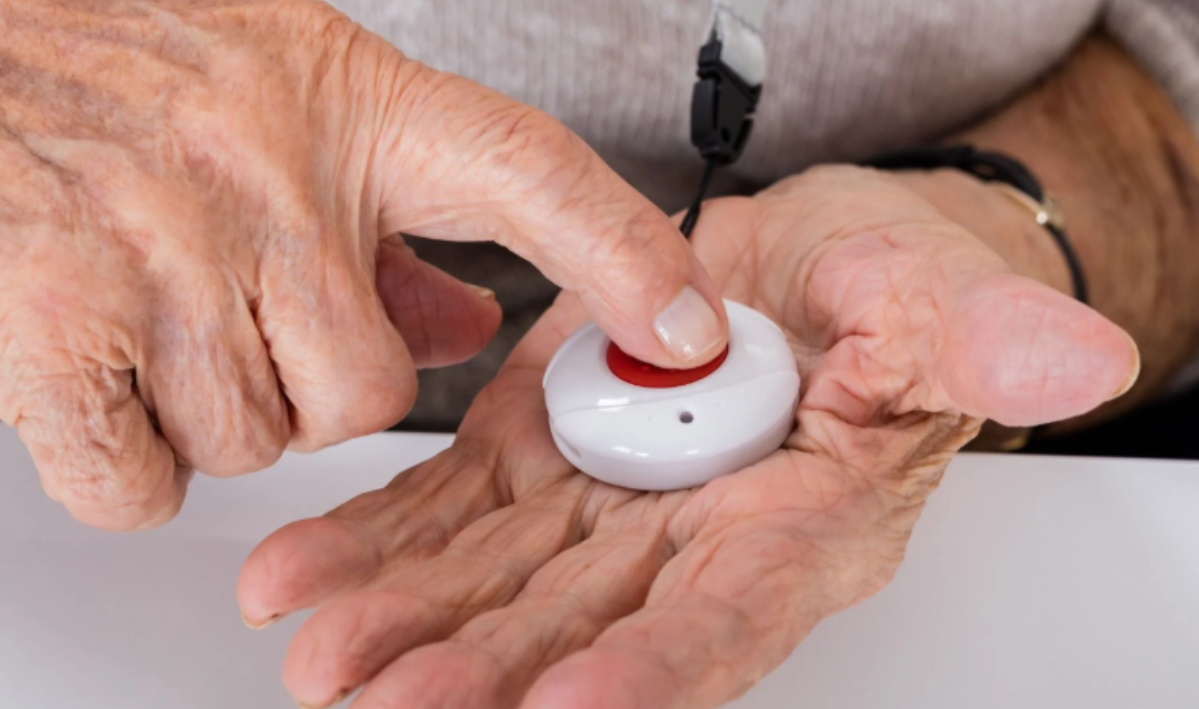
For families seeking peace of mind, services like lifeassure are making strides in providing seniors with personal emergency response systems. 

These tools not only ensure safety but also allow aging individuals to maintain independence while staying connected with caregivers.

The Role of Technology in Senior Care

Transforming Elder Care Through Innovation
Technology is revolutionizing senior care by making it more accessible, efficient, and personalized. Wearable health monitoring devices track vitals like heart rate and blood pressure in real-time, empowering caregivers with timely insights. 

Smart home systems equipped with fall detection sensors, automated lighting, and voice-activated assistants create safe and functional environments for seniors to age in place.

For instance, telehealth services allow seniors to consult with healthcare providers remotely, reducing the need for physical travel and ensuring timely medical advice. 

This is particularly beneficial for those with mobility challenges or living in rural areas. According to research, 78% of telehealth users report satisfaction with the convenience and accessibility it offers.

Pro Tip: Introduce wearable devices gradually, starting with simpler gadgets like step trackers to help seniors adapt comfortably to technology.

Compassionate Care: The Human Element

Why Human Connection Matters
While technology can address logistical challenges, it cannot replace the emotional bond that caregivers provide. 

Compassionate care focuses on understanding seniors’ emotional, mental, and social needs. This approach ensures that older adults feel valued, respected, and connected, which significantly improves their overall well-being.

Studies show that seniors who experience consistent emotional support are less likely to face depression and loneliness, common issues in aging populations. 

Caregivers who prioritize empathy foster a nurturing environment where seniors thrive, both physically and emotionally.

Striking a Balance
Technology should be seen as a tool to complement, not replace, human care. 

For instance, robotic companions can provide reminders for medication or daily tasks, but they work best when integrated into a care plan that includes regular interactions with family members or professional caregivers.

Key Technological Innovations Shaping Senior Care

Wearable Health Devices
Modern wearable devices can monitor a range of health metrics, from heart rate variability to sleep patterns. 

These devices send alerts to caregivers or healthcare providers in case of abnormalities, enabling quick responses to potential health crises.

Smart Homes for Seniors
Smart home technology goes beyond convenience by enhancing safety. Fall detection systems, for example, can immediately notify emergency services, while automated lighting minimizes the risk of tripping in the dark. 

Voice-activated assistants like Alexa or Google Home simplify daily tasks, helping seniors maintain their independence.

Telehealth and Remote Monitoring
Telehealth has redefined how seniors access healthcare. Video consultations and remote monitoring reduce hospital visits and allow for ongoing care from the comfort of home. 

This not only saves time but also reduces exposure to potential health risks in clinical settings.

Artificial Intelligence (AI) and Robotics
AI tools are increasingly being used to develop personalized care plans based on seniors’ medical history and daily activities. 

Meanwhile, robotic caregivers can assist with physical tasks, such as lifting or mobility support, making it easier for professional caregivers to focus on emotional engagement.

The Importance of Balancing Tech and Compassion

Ethical Considerations
The rise of technology in senior care brings ethical challenges, including privacy concerns and the risk of over-reliance on automated systems

Seniors may feel dehumanized if interactions become solely transactional. Thus, ensuring that technology enhances rather than detracts from the caregiving experience is essential.

Adoption Challenges Among Seniors
Many older adults face barriers when adopting new technology, such as difficulty understanding complex interfaces or fears about data security. 

Providing clear instructions, offering training sessions, and involving family members in the process can alleviate these concerns.

Pro Tip: Choose user-friendly devices with simple interfaces designed specifically for seniors, and provide ongoing support to build their confidence.

Trends Shaping the Future of Senior Care

Holistic Health Approaches
The future of senior care is increasingly leaning toward holistic models that address physical, emotional, and social well-being. 

For example, wellness programs in senior living communities now include yoga, art therapy, and group activities that foster social connections.

Data-Driven Insights
Data analytics will play a significant role in predictive care, helping healthcare providers anticipate potential health issues before they escalate. 

For instance, analyzing patterns in sleep data can help identify early signs of cognitive decline.

Community-Centric Solutions
Senior care is shifting from isolated, institutional models to community-based solutions that encourage active participation. 

Intergenerational programs, where seniors interact with younger generations, are gaining traction as a way to combat loneliness and foster mutual learning.

Challenges in Implementing Technology

Caregiver Burnout
While technology eases physical caregiving demands, it does not eliminate the emotional toll on caregivers. 

Balancing work, personal life, and caregiving responsibilities often leads to burnout, affecting the quality of care provided. Support networks and mental health resources for caregivers are vital to sustainable care systems.

Systemic Barriers
Healthcare systems can be complex and challenging to navigate, especially for seniors and their families. 

Simplifying access to resources, streamlining insurance processes, and improving digital literacy are crucial steps in overcoming these barriers.

Resistance to Change
Seniors accustomed to traditional care methods may resist adopting new technologies. It’s important to demonstrate the tangible benefits of these tools and provide a gradual introduction to minimize resistance.

Success Stories: Technology and Compassion in Action

Smart Home Adoption in Senior Living Communities
In senior living facilities, smart home systems have dramatically improved resident safety and independence. 

For example, motion sensors alert staff to potential falls, while voice-controlled devices allow seniors to control their environment without physical strain.

Telehealth for Rural Seniors
Rural areas often lack immediate access to healthcare services. 

Telehealth programs have bridged this gap, enabling seniors to consult with specialists and access regular checkups without traveling long distances.

How Families Can Support Seniors in Tech Integration

Families play a pivotal role in helping seniors embrace technology. Begin by selecting devices tailored to their needs and comfort levels. 

For instance, a smartwatch with a fall detection feature might be a great starting point. Encourage open conversations about privacy and security to address any concerns they might have.

Additionally, involve seniors in decision-making. Empowering them to choose their tools fosters a sense of control and reduces resistance. 

Regularly check in to ensure the technology is functioning as expected and meeting their needs.

The Future Outlook for Senior Care

As we move toward a future where technology and compassion intertwine seamlessly, the possibilities are limitless. 

Emerging innovations like AI-powered diagnostics, virtual reality therapy, and autonomous mobility aids promise to redefine aging experiences. 

However, the focus must remain on preserving dignity, fostering connections, and creating a sense of belonging for older adults.

Pro Tip: Stay informed about new technologies by subscribing to senior care newsletters or participating in local workshops that explore innovative caregiving tools.

Conclusion

The future of senior care lies in achieving harmony between cutting-edge technology and compassionate caregiving. 

By integrating tools that enhance safety, health monitoring, and social connections with empathetic human interactions, we can create environments where seniors thrive.

Families, caregivers, and healthcare providers must work together to ensure that the elderly feel valued, respected, and empowered to live fulfilling lives. 

After all, combining tech and compassion isn’t just about better care—it’s about building a better world for everyone.