Jartoo Nano Heating Pad Review

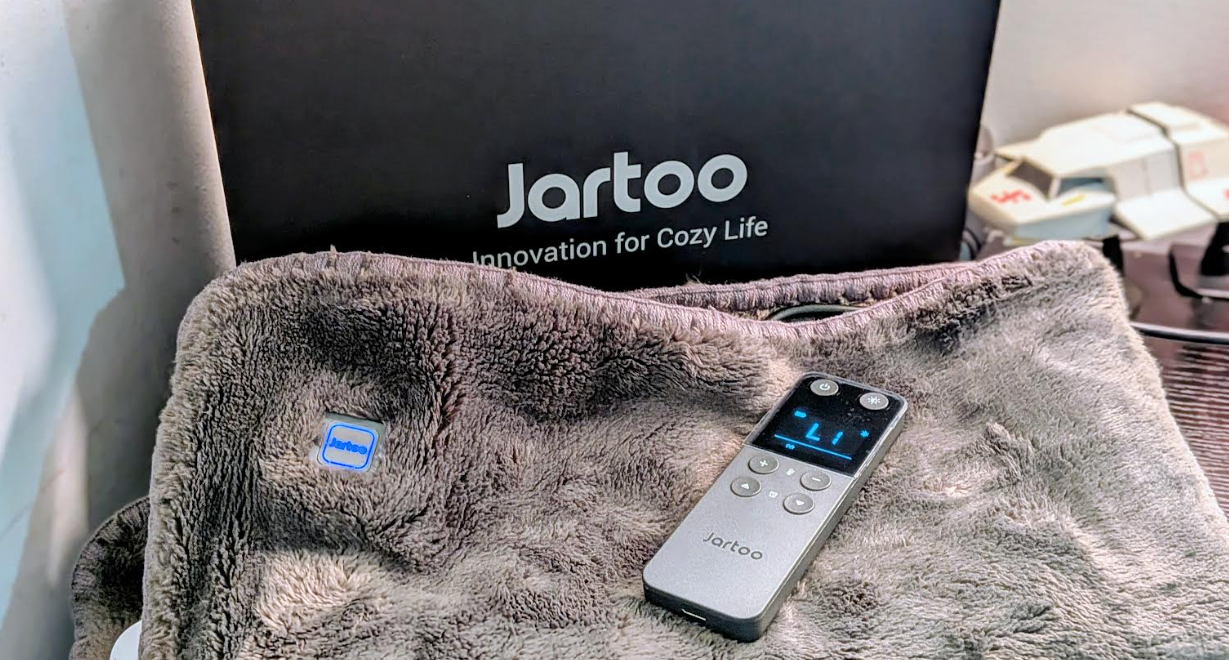
Jartoo Nano Heating Pad is their latest product on offer after their recently reviewed Carbon NanoTube heated blanket which will come in handy over the Winter months and cold days especially in Ireland.

This product is on the more compact size and is also portable and comes well presented and not only keeps you warm but helps out with pain relief which again is handy and more again it is cheap to run saving you electricity.

This heating pad has the same material used as before and is super soft to the touch and silky smooth overall and comfortable no matter what case you may use it in. It helps effectively relieve menstrual cramps, back pain, neck pain, shoulder aches, and other joint discomfort.

It also comes with a wireless remote allowing you to set alarms and temperatures and it is simple to use and set up as you will see in the video review down below.

Thanks to Jartoo’s advanced safety voltage reduction technology, it supports both 120V AC wall outlets and 12V+ power banks, while the output voltage is only 12V—well below the 36V safety standard, ensuring safer use for children and seniors. Even in the event of local damage, there is no risk of electrical leakage, providing absolute safety protection.

After testing myself it is easy to recommend for either use case scenarios and is not expensive so check the link below for more and see if you will pick one up.


  • More Peace of Mind: Thanks to Jartoo’s advanced safety voltage reduction technology, it supports both 120V AC wall outlets and 12V+ power banks, while the output voltage is only 12V—well below the 36V safety standard, ensuring safer use for children and seniors. Even in the event of local damage, there is no risk of electrical leakage, providing absolute safety protection.
  • More Efficient Pain Relief: Achieves far-infrared rapid heating in just 30s with a power consumption of only 30W, making it 80% more energy-efficient than other heating pads, saving about 1 kWh per day. The heat penetrates deeply into the skin and joints through infrared, without causing dryness. It helps effectively relieve menstrual cramps, back pain, neck pain, shoulder aches, and other joint discomfort.
  • More Comfort without Wires: Ultra-soft nano heating material and 510gsm velvet fabric ensures the Jartoo Nano electric pad feels soft and perfectly conforms to your body, eliminating the stiffness and discomfort of wires.
  • More Convenient to Clean: The innovative nano heating material, with a structural strength 100x that of steel, ensures exceptional durability. Unlike traditional electric heating pad, it won’t get damaged during washing or drying, and even pets can hardly damage it. Clean and dry with confidence (recommended drying below 149°F).
  • More Practical: The Jartoo Nano heating pad is innovatively equipped with a separate wireless remote control to adjust 6 temperature levels (104°F-167°F) and 6 timer settings (30-360 mins). Additionally, you can directly control the temperature using the buttons on the heating pad, making it even more convenient to use.

BUY

Jartoo Nano Heated Blanker Review

Video Review

Certa launches new lower carbon biofuel for home heating

Fuel supplier Certa has become the first Irish operator to launch a new lower carbon blended biofuel for the home heating market as it continues to pursue its strategy of delivering cleaner energy solutions for domestic customers.

The company, which is part of DCC plc, has said that its new fuel could enable each of the 700,000 Irish households who currently use liquid fuel heaters to lower their home heating carbon emissions by up to 20%. Ireland’s residential sector currently accounts for 10% of national emissions.

The newly launched biofuel comprises a 20%/80% blend of HVO (Hydrotreated Vegetable Oil), which is produced from waste plant matter, and kerosene. Householders can use this instead of home heating oil directly without any need to replace or modify their boilers.

The new lower carbon fuel will be rolled out across Certa’s national network of 23 home heating depots, starting this week with its depot in Tallaght which will supply customers in south and west Dublin and north county Kildare.

Kerosene is the most common fuel used in home heating systems in Ireland. Certa supplies almost 100,000 customers with 265 million litres of home heating fuel each year. The average household consumes between 1,000 and 2,000 litres of home heating fuel per annum.

The new product launch will be supported by a full marketing campaign across print, digital and out of home to promote and further encourage customers to switch to the new blended biofuel.

Orla Stevens, Managing Director, Certa Ireland said:

Our goal at Certa is to make it easy for customers to transition to cleaner energy solutions that reduce their carbon footprint. We are leading the way in introducing solutions that are accessible and affordable. Switching to this lower carbon HVO-Kerosene fuel is easy. There is no requirement to upgrade your home heating boiler and it can be done with zero disruption to the household”.

“We are delighted to be the first fuel supplier in Ireland to launch a new lower-carbon fuel for home heating. We will empower our customers to make positive and impactful environmental changes in their own homes and to help Ireland achieve its longer-term ambition of net zero by 2050.”

The launch follows Certa’s success in attracting diesel drivers to switch to HVO to reduce their carbon emissions by up to 90%. Last year, it became the first fuel operator to open a fully-fledged HVO fuel station in Liffey Valley and has since become the first to offer HVO at 10 of its forecourts. One in five of Certa’s network of 49 unmanned, pay@pump forecourts now offers HVO alongside other fuels.

Certa’s commitment to making new cleaner energy solutions more accessible and affordable has also led to its acquisition of leading solar and renewable energy specialists Alternative Energy Ireland. AEI offers Ireland’s only cashback guarantee if the solar system does not perform as promised, providing customers with financial compensation for the amount of the loss concerned.

Certa has also helped a growing number of businesses and events to lower their emissions and to transition to HVO as a renewable fuel, including Amazon Web Services (AWS), John Sisk & Son Ltd., Dublin Airport, Dublin Port, The National Ploughing Championships, the Irish Open and Bloom.

The company is one of the first HVO suppliers in Ireland to be awarded International Sustainability Carbon Certification (ISCC) which provides full transparency and traceability throughout the supply chain. This certification enables Certa to create and assign Proof of Sustainability (POS) certification to the businesses that it supplies with HVO.

How Do Modern Heat Pumps Work?

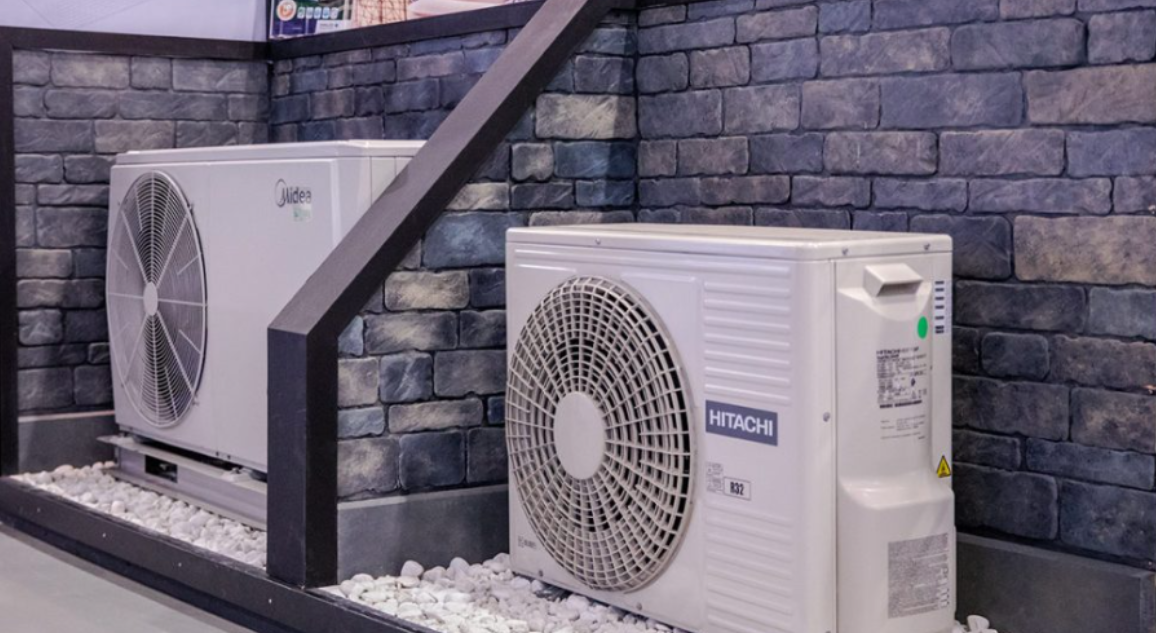
The idea behind modern heat pumps is pretty straightforward – they move heat around to heat or cool down the interior of buildings. The idea is not new, in fact, heat pumps were invented in the 1800s and have been used in homes since the 1960s. 

However, in the past few decades, the modern heat pump has become a popular home appliance, perhaps brought into the limelight by recent clean energy incentives, with the potential for climate benefits and cost savings. Nonetheless, no matter what their benefits might be, the inner workings of a heat pump are quite fascinating. 

So, how do modern heat pumps work? Well, in this article, we’ll delve deep into the inner workings of a heat pump to help you understand what makes them tick. 

Understanding the Basics

At its core, a heat pump works by transferring heat from one location to another, rather than generating heat through combustion like conventional furnaces or boilers. According to Chill Cooler, this process is facilitated by a refrigerant, a fluid with properties that allow it to absorb and release heat efficiently. 

By circulating the refrigerant through a closed loop system comprising indoor and outdoor components, heat pumps can extract heat from the surrounding environment and transfer it indoors during colder months, and vice versa during warmer months for cooling.

Imagine you’re at home on a chilly winter day, sitting on the couch watching Netflix. You look at the thermostat and decide to bump up the heat a little bit. As soon as you increase the temperature, the heat pump springs into action – the compressor and fan speed up, and the refrigerant starts moving faster to get more heat from the outside to the inside. 

It might seem counterintuitive to get heat from the outside while it’s cold, so let’s look at how the process works. 

Components of a Heat Pump System

Modern heat pump systems typically consist of three main components:

Outdoor Unit (Condenser): The outdoor unit houses the compressor, which pressurizes the refrigerant, and the condenser coil, which facilitates heat exchange with the outdoor air. In heating mode, the refrigerant extracts heat from the ambient air and becomes a hot, high-pressure gas.

Indoor Unit (Evaporator): Connected to the outdoor unit by refrigerant lines, the indoor unit contains the evaporator coil, where the hot refrigerant releases its heat to warm the indoor space. The fan within the indoor unit then circulates the warmed air throughout the home.

Refrigerant Lines: These lines carry the refrigerant between the indoor and outdoor units, facilitating the heat exchange process. The refrigerant undergoes phase changes from liquid to gas and back to liquid as it absorbs and releases heat, enabling efficient heat transfer.

How the Refrigerant Flows

The refrigerant used in commercial heat pumps has a very low boiling point, usually below -25 °C. This means that at the start of the process, the refrigerant is about that temperature, in liquid form. Even in the coldest of places, the refrigerant is usually considerably colder than the outside air. 

First, the refrigerant flows through a heat exchanger, where it meets the outside air and warms enough to start boiling. This changes it from a liquid to a gas. It then goes through a compressor, where it is squeezed into a smaller volume to increase its boiling point and pressure. This also raises its temperature. By the time it’s getting out of the compressor, it’s much warmer than the indoor air. 

In the next stage, it flows into another heat exchanger. At this point, it’s a warm gas flowing past a relatively cold room. It transfers some of its heat into the room with the help of fans, and it starts turning back into a liquid. 

In the final stage, the liquid refrigerant goes through an expansion valve, releasing its pressure. Expanding it helps it to cool down again so that it returns to a low temperature and low-pressure state, where it’s ready to absorb heat from the outside and start the process all over again. 

Reversible Heating and Cooling Modes

One of the key advantages of heat pumps is their ability to provide both heating and cooling functions through reversible operation,  added Taylor’s, who are offering heat pump service.

By simply reversing the flow of refrigerant, a heat pump can extract heat from the indoor air and expel it outdoors to cool the space during warmer months. This dual functionality makes heat pumps a versatile solution for year-round comfort, eliminating the need for separate heating and cooling systems and reducing energy consumption.

Efficiency and Environmental Benefits

Modern improvements in the various core components of heat pumps have helped boost their performance and efficiency and ensure low environmental impact. For instance, the refrigerants used in heat pumps have seen major improvements, and freon (R-22) which previously dominated the industry, has been phased out. 

A mixture of chemicals known as R-410A are now the widely used refrigerants. They are significantly less harmful to the environment, and have a lower boiling point than freon, meaning they can absorb more heat at much lower temperatures, which boosts the efficiency of heat pumps. 

Additionally, because they do not rely on fossil fuels for heat generation, heat pumps produce fewer greenhouse gas emissions and contribute to reducing carbon footprints, making them a sustainable choice for environmentally conscious homeowners.

Love vs. Thermostats: Stoov’s Revelations on How Heating Sparks Relationship Drama in British Homes!

The cost-of-living crisis and pay-cap announcements are top of mind amongst the public, with most seasonal headlines reflecting these concerns. Stoov, the Dutch infrared heating brand aiming to warm Brits sustainably while saving on energy bills, found out how heating is affecting relationships at home. You can also check out our review of Stoov here.

Low temps = high tensions

When surveying Brits, Stoov discovered that tensions are both common, and high: over half of respondents have argued over when to turn on the heat this winter. Age factors in, too: Gen Z are most likely to have this argument (81%), in contrast with Millennials despite them being the ones who are most likely to turn on the heating first (62%).

Tensions largely stem from stress around the cost of heating: 85% of respondents are worried about energy costs this winter – 42% even feel more stressed than last year. Despite women (89%) and men (81%) feeling similar levels of anxiety, arguments may stem from which rooms need heating first. While couples agree on heating the living room (69%) and bedroom (32%) first, other rooms align with personal preference; women like to heat the bathroom (9%), while men prefer the kitchen (7%).

Heating Grinch vs. Chilly Billy

The gender temperature gap is a smaller factor in the home surprisingly, compared to places like the office or gym. Despite 86% of female respondents falling into the Chilly Billy category, saying they always feel cold, women are only 10% more likely to turn on the heat than men. Many opt to use additional layers of clothing to stay warm: 89% of respondents wear layers, most stop at two (43%) before turning on the heat.

Interestingly, four in ten of respondents have chosen to buy personal heating products like heating blanketspadscushions or hot water bottles, to reduce or circumvent the need for central heating altogether.

Despite finances at home having been a traditionally male-dominated space, progress has been made within modern relationships as financial control balances out between men and women. Men are only 8% more likely to pay the energy bills, and 4% more likely to have saved to create a buffer for heating costs, when compared to women. This implies that financial responsibility is becoming increasingly shared within British partnerships.

Becky Nascimento, UK Country Manager at Stoov says, “We often underestimate how much temperature can affect our wellbeing and headspace, especially at home. When finances become involved, it only becomes more complex. This survey shows that many Brits feel they must choose between financial savings and physical comfort, which affects the social dynamic at home. Luckily, many people looking for affordable, sustainable alternatives to central heating have discovered personal heating products as an ideal solution to ease tensions, as people can establish their own, ideal environment, anywhere in the home – even with their partner right next to them.”

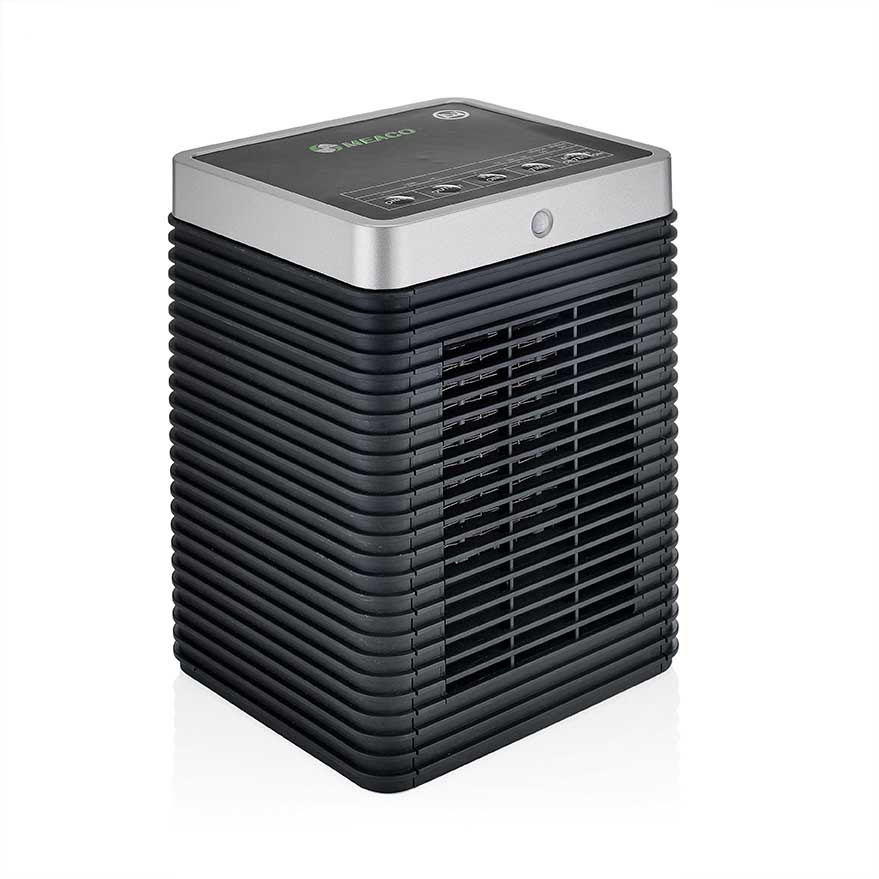
MeacoHeat Motion Heater will keep you warm and cosy this winter. #Meaco

Colder weather is on its way, so now is a good time to consider investing in a portable heater, that is motion activated, to help warm up those cooler spots in your home.

The MeacoHeat Motion Heater is the perfect product to keep your home warm and cosy throughout any cold spell. Where traditional heating systems use thermostats to maintain a room’s temperature regardless of how frequently the room is used, the MeacoHeat Motion Heater can be used much more economically. It can be used as a standalone unit for spaces that may be less-frequently used, but still require heating. A motion detection sensor means the unit will only be activated once a person walks into the room. When they leave the room, the heater will switch off, allowing the user to save money on heating bills and helping the environment. MeacoHeat Motion Heaters use safe PTC ceramic technology to offer fast start-up time. A thermal cut out and tilt safety switch ensure that, if they are accidentally knocked over, they switch off.

A fan option means they can be used all year, adding warmth in the summer months on a chill day, but becoming a fan to cool a room in hotter weather. The smaller model, 1.8kW has two outputs levels to save energy, a 1-7 hour off timer and a fan only mode for summer use. The larger 2.0Kw adds oscillation to the specification to distribute the heat evenly through a 70° arc. A three-level thermostat replaces the off timer to provide another level of control.

There are two models, available in either red, black or white and with their small and stylish design, they are sure to look great in any room in a house. MeacoHeat Motion Heaters are the perfect solution for filling in with some extra heat when needed.

Find out more: https://www.meaco.com/collections/heaters

Prices: from £59.99