Hosting Holidays Stress-Free: Pre-Party Prep and Post-Party Cleanup

There is a specific kind of anxiety reserved for anyone who has ever hosted a dinner party or a holiday gathering. It starts about four hours before the guests arrive. You are trying to marinate the roast, arrange the flowers, and shower—all at the same time. Then, you look down.

The floor is dusty. There are dog hair tumbleweeds in the hallway. The kitchen tiles have flour on them.

In that moment, you have a choice: Do you spend 45 minutes sweating over a broom and mop, or do you ignore it and hope the lighting is dim enough?

For the modern host, this dilemma is obsolete. The art of stress-free entertaining isn’t about lowering your standards; it’s about delegating the labor. By utilizing a “Two-Phase” cleaning strategy, you can ensure your home is pristine before the doorbell rings and effortlessly restored after the last guest leaves.

This strategy relies on two distinct tools: a vacuum and mop combo for the preparation, and a powerful wet/dry system for the recovery.

Phase 1: The “Invisible” Prep Team

The hours leading up to a party are precious. Every minute spent cleaning floors is a minute taken away from food preparation or your own relaxation. This is where automation becomes your best co-host.

The goal of pre-party cleaning is “Visual Perfection.” You want the floors to shine, the carpets to have those fresh vacuum lines, and the dust bunnies to be banished. However, you do not need to do this yourself.

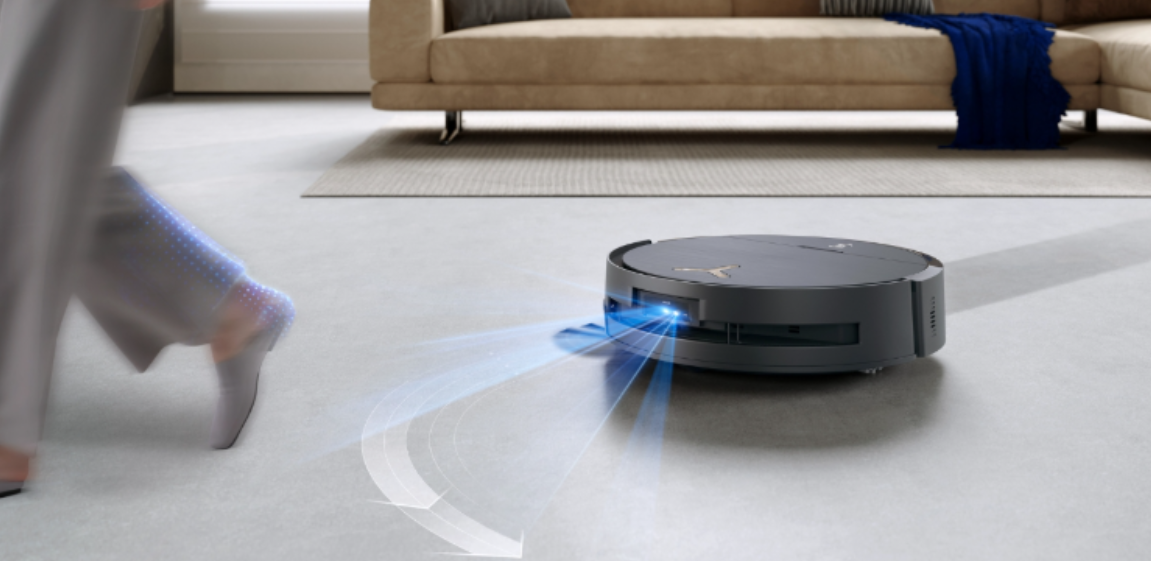
By deploying a robot vacuum and mop in the morning, you delegate the most physically demanding part of the prep. While you are at the grocery store or prepping ingredients, the robot is systematically navigating your home.

A high-quality combo unit is essential here because it handles dual tasks. It vacuums the high-traffic areas where guests will congregate—the living room, the dining room, the entryway—while simultaneously damp-mopping the hard floors to remove fine dust and footprints.

When you walk into the kitchen to start cooking, the floors are already done. You haven’t lifted a finger. The air feels fresher because the dust has been removed, not stirred up. This psychological win cannot be overstated; starting your evening with a clean slate sets the tone for a relaxed, confident host.

Phase 2: The “Chaos” of the Event

Parties are messy. That is the sign of a good time. People track in dirt from outside. Appetizers get dropped. Drinks get spilled.

In the past, a spilled glass of red wine on a hard floor was a “stop the music” emergency. The host would rush out with paper towels and spray bottles, scrubbing on their hands and knees while guests watched awkwardly.

With the right tools waiting in the wings, you can adopt a more relaxed attitude. You know that no matter what hits the floor—gravy, wine, dip, or mud—you have a solution that doesn’t involve a roll of paper towels.

Phase 3: The Morning After Recovery

The real challenge of hosting isn’t the preparation; it’s the aftermath.

The “Morning After” is usually grim. You wake up to sticky floors. There are crumbs embedded in the rug. The kitchen floor is a map of last night’s cooking spills—droplets of sauce, sticky cocktail residue, and whatever the dog tracked in.

A standard vacuum is dangerous here. If you suck up wet food or sticky liquid, you will ruin the motor and make the canister moldy. A robot is also not the right tool for this level of grime; it is designed for maintenance, not disaster recovery.

This is the domain of the wet dry vac. This device is the ultimate “reset button” for your home.

Unlike a mop, which would just smear the sticky residue around, a wet/dry vacuum washes the floor with fresh water and high-speed scrubbing. It literally eats the mess.

Imagine the post-party kitchen floor:

  1. Solid Debris: Crushed chips, dropped vegetables, breadcrumbs.
  2. Liquid Mess: Dried wine spots, sticky soda, water spills.

With a wet/dry unit, you do not need to sweep first. You simply turn it on and walk forward. It vacuums the solids and washes the liquids in a single pass. The dirty water is extracted instantly, leaving the floor dry and streak-free.

You can clean the entire party zone—kitchen, dining, and living area—in roughly 15 minutes. It transforms a task that usually takes all Sunday morning into a quick, satisfying chore.

The Host’s Secret Weapon

The difference between a stressed host and a gracious one often comes down to logistics.

If you are worried about the cleaning, you cannot enjoy the company. By automating the prep with a robot, you buy yourself time. By securing the cleanup with a wet/dry vacuum, you buy yourself peace of mind.

You no longer have to fear the “red wine spill” or the “muddy shoes.” You know that your home system can handle it. This allows you to focus on what actually matters: the conversation, the food, and the memories.

Ultimately, these tools don’t just clean your floors; they protect your weekends. They ensure that hosting a party doesn’t mean sacrificing your Sunday to the mop bucket.

The Smart Way to Keep Your Home Clean with a Robot Vacuum Cleaner

Keeping your home clean can be difficult when you’re balancing work, family, and daily responsibilities. This is where a robot vacuum cleaner becomes a practical solution for modern living. Designed to automate floor cleaning, it allows homeowners to maintain cleanliness with minimal effort.

This article explains how a robot vacuum cleaner works, its benefits, and why it has become a must-have device for today’s households.

What Is a Robot Vacuum Cleaner?

A robot vacuum cleaner is an automated cleaning device that moves across floors independently, collecting dust, debris, and pet hair. Unlike traditional vacuum cleaners that require manual handling, this smart device operates on its own using sensors and programmed navigation.

Its compact shape allows it to reach under furniture such as beds, sofas, and cabinets—areas often neglected during routine cleaning. Once the battery runs low, the device automatically returns to its charging dock, making it highly convenient for everyday use.

How a Robot Vacuum Cleaner Works

A robot vacuum cleaner combines advanced hardware and intelligent software to deliver efficient cleaning:

  • Sensors and navigation systems detect obstacles, walls, and stairs
  • Rotating brushes and suction lift dust and debris from hard floors and carpets
  • Mapping technology helps the device remember room layouts for consistent coverage

Many models can be controlled through mobile apps, allowing users to start, stop, or schedule cleaning remotely. For more insights on smart home automation, you may also like: A Beginner’s Guide to Smart Home Cleaning Solutions.

Key Benefits of Using a Robot Vacuum Cleaner

1. Saves Time and Effort

One of the biggest advantages is automation. You can schedule cleaning sessions while you’re at work or asleep, freeing up time for more important tasks.

2. Consistent Daily Cleaning

Regular cleaning prevents dust buildup, especially in high-traffic areas. A robot vacuum cleaner ensures floors stay clean without requiring daily manual effort.

3. Ideal for Busy Households

Homes with children or pets tend to collect dirt quickly. These devices handle hair, crumbs, and everyday messes efficiently. Read more on this topic in Cleaning Tips for Homes with Pets.

4. Reaches Hard-to-Clean Areas

Thanks to its low profile, the device easily cleans under furniture and tight spaces where traditional vacuums struggle.

Health and Hygiene Advantages

A cleaner home directly contributes to better indoor air quality. A robot vacuum cleaner helps reduce allergens such as dust mites, pollen, and fine particles that can trigger allergies or breathing issues.

This makes it particularly beneficial for people with sensitivities, asthma, or young children. For a deeper look into maintaining a healthier home environment, check out How Regular Floor Cleaning Improves Indoor Air Quality.

Energy Efficiency and Smart Features

Compared to traditional vacuum cleaners, robot vacuum cleaners are designed to use energy efficiently. They operate only when needed and automatically recharge themselves.

Many models offer features such as:

  • Smart scheduling
  • Room-by-room cleaning
  • Custom no-go zones

These functions help optimize cleaning performance while minimizing energy usage and wear.

Tips for Getting the Best Performance

To maximize the efficiency of your robot vacuum cleaner, keep these tips in mind:

  1. Clear clutter from floors to avoid interruptions
  2. Clean brushes and filters regularly for optimal suction
  3. Use scheduling features to maintain consistent cleanliness

Routine maintenance ensures the device performs at its best for years.

Benefits of Using a Robot Vacuum Cleaner for Daily Cleaning

In addition to convenience, a robot vacuum cleaner also helps create a more organized cleaning routine. By running on a regular schedule, it prevents dust and debris from building up over time, which reduces the need for deep cleaning sessions. This makes home maintenance more manageable and ensures your living space stays fresh and comfortable every day.

Is a Robot Vacuum Cleaner Worth It?

For anyone looking to simplify home maintenance, a robot vacuum cleaner is a smart investment. It reduces manual effort, keeps floors consistently clean, and fits seamlessly into a modern lifestyle.

Whether you live alone, manage a busy household, or simply want a more efficient way to clean, this automated solution offers long-term convenience and value. As smart home technology continues to evolve, automated cleaning tools are becoming less of a luxury and more of a household essential.


How Smart Home Technology Can Prevent Serious Slip and Fall Injuries

Home safety has taken on a different dimension in recent years with the rise of smart home technology. Devices that once seemed futuristic are now widely accessible, offering homeowners the ability to monitor and control their environment in ways that directly influence health and safety. For those concerned about the risk of slip and fall injuries, these tools provide both proactive and reactive solutions, helping to create a safer living space for people of all ages.

The integration of smart sensors, automated lighting, and connected devices can transform how we approach everyday hazards. Motion-activated lights illuminate hallways and staircases, while smart flooring or grip-enhancing devices can reduce the chances of unexpected slips. With more households adopting these technologies, what used to be a reactive measure after accidents is now evolving into a preventative framework that can significantly reduce personal injuries.

Smart home systems also offer peace of mind by alerting users to potential risks before accidents occur. Water sensors, for example, detect leaks and spills in real time, which can prevent slippery surfaces from becoming dangerous. For families with elderly members, smart fall detectors provide immediate notifications to caregivers, allowing for swift assistance. The combination of early warning systems and automated safety measures creates an environment that reduces both anxiety and actual risk.

Slip and Fall in the Modern Household

According to www.accidentlawyerelite.com, slip and fall accidents remain one of the most common causes of injury in residential settings. Wet floors, loose rugs, cluttered hallways, and poorly lit staircases all contribute to these incidents. In many cases, these accidents can result in serious injuries such as fractures, head trauma, or long-term mobility issues, especially for older adults. Recognizing the frequency of these events is essential for designing safer homes.

Technology is increasingly being used to mitigate these risks. Smart flooring, anti-slip coatings, and integrated monitoring systems allow homeowners to address hazards before they result in injury. By combining environmental modifications with real-time alerts, the likelihood of a slip or fall decreases. In addition, devices that track movement patterns can provide data to identify problem areas, ensuring that interventions are targeted and effective. These advancements make a measurable difference in the safety and comfort of everyday life.

Modern households often struggle to balance aesthetics with safety. While traditional safety measures like handrails and non-slip mats are helpful, they may not integrate seamlessly into contemporary design. Smart home technology bridges this gap by offering solutions that are both functional and discreet. For instance, ambient lighting that responds to movement can enhance visibility without altering the home’s decor. Such innovations make it easier for homeowners to maintain a visually pleasing environment without compromising on safety.

How Technology Supports Injury Prevention

Preventing injuries before they occur is the central promise of smart home technology. Devices such as motion sensors, automated lighting, and intelligent flooring work in tandem to create a safer living environment. For those concerned about personal injury risks, the technology provides tools that constantly monitor, adapt, and alert residents to potential hazards. This continuous vigilance is something that traditional safety measures cannot match.

Beyond physical safeguards, data-driven insights from smart systems help homeowners make informed decisions. Tracking patterns of movement, floor usage, and environmental changes allows residents to identify areas prone to slips or other hazards. This information can guide modifications in layout or prompt the installation of additional protective measures. With technology providing constant feedback, the likelihood of unexpected injuries diminishes, making homes more responsive to the needs of their occupants.

Smart devices also assist in emergency situations, ensuring that accidents receive prompt attention. Fall detection systems notify family members or emergency services instantly if an individual experiences a sudden loss of balance. These alerts not only facilitate rapid response but also provide peace of mind to those living alone or caring for vulnerable family members. The combination of proactive prevention and reactive support represents a comprehensive approach to home safety in the digital age.

Integration with Everyday Life

One of the key advantages of smart home technology is its seamless integration into daily routines. Unlike traditional safety devices that may require deliberate action, smart systems operate passively, responding automatically to changes in the environment. This ensures that protection is continuous and does not rely solely on human intervention, which is particularly important in preventing slip and fall accidents.

Automation extends beyond simple sensors, encompassing interconnected devices that communicate with one another. For example, a water leak detected by a sensor can trigger floor drying systems or lights to guide residents safely away from the area. Similarly, motion sensors can adjust lighting in dim corridors or stairways, reducing tripping hazards during nighttime movement. This interconnected ecosystem of devices transforms the home into a responsive, adaptive environment that continuously enhances safety without imposing additional effort on residents.

Moreover, technology encourages habits that support injury prevention. Regular notifications and environmental cues can prompt residents to address potential hazards such as clutter, spills, or loose flooring. Over time, these reminders help cultivate a culture of vigilance that extends beyond the technology itself. Residents become more attuned to potential risks, further reducing the likelihood of accidents while fostering a sense of confidence in their living space.

The Role of Smart Assistive Devices

Assistive devices integrated into smart homes extend protection to those who are most vulnerable. Elderly residents, individuals recovering from injuries, and people with mobility challenges benefit from systems that combine monitoring, alerts, and environmental adjustments. These devices reduce dependence on constant supervision while offering immediate responses in the event of a slip or fall.

Wearable technology complements environmental solutions by providing continuous monitoring of physical activity and potential hazards. Smart watches or fall detection bands can detect sudden changes in movement and trigger alerts, even if the individual is away from home. When integrated with home systems, these devices ensure that accidents are noticed immediately and help reduce recovery time by facilitating quick intervention. The combination of wearable and environmental technology represents a holistic approach to injury prevention that is both practical and effective.

As technology advances, these devices are becoming more intelligent and adaptable. Machine learning algorithms analyze movement patterns and environmental conditions, optimizing alerts and interventions over time. The result is a home that not only reacts to incidents but also anticipates them, reducing the likelihood of injuries before they occur. Residents gain both protection and confidence, knowing that their environment is continuously monitoring for potential risks and adapting to their needs.

The Future of Safe Living

Smart home technology is reshaping how we think about personal safety and injury prevention. By combining sensors, automation, and real-time monitoring, these systems provide an unprecedented level of protection against common accidents like slip and fall injuries. Residents benefit from both immediate alerts and long-term preventive measures, creating a safer, more secure home environment for all members of the household.

The evolution of technology promises even more advanced solutions in the near future. Homes will increasingly feature predictive systems that anticipate hazards before they occur, while AI-driven devices will provide personalized safety recommendations based on residents’ habits. As these innovations become more widespread, the potential to significantly reduce injuries and improve quality of life becomes increasingly achievable, offering a compelling vision of safer, smarter living.

In addition to technological advancements, education and awareness remain critical. Homeowners who understand how to utilize their devices effectively can maximize the benefits of their investment in smart safety. Combining proactive maintenance, thoughtful placement of sensors, and continuous monitoring ensures that homes remain protective spaces. The collaboration between technology and responsible household management marks a new era in personal safety, transforming homes into environments that actively support well-being and prevent accidents.


Tips For Securing Furniture And Equipment

Securing furniture and equipment is one of those tasks that people often put off until a close call or unexpected wobble convinces them to take it seriously. Yet with the right approach, it becomes a simple routine that protects your space, prevents accidents, and keeps everything exactly where it belongs. Many people discover that even small tools, such as adjustable fasteners or custom velcro straps, can make a noticeable difference when stabilizing lightweight items or keeping cords and accessories neatly in place. Effective anchoring is really about choosing methods that match the type of furniture, the materials in your home, and the way you use each piece.

Preserving Structural Integrity

More homeowners, renters, and office managers are also realizing that securing furniture is not only about safety but also about preserving the structure of their belongings. Bookcases that lean over time or dressers that shift gradually against a wall can weaken joints or hardware. When furniture is anchored properly from the start, it maintains its shape and strength for much longer. This extends its lifespan and reduces the risk of costly repairs or replacements.

Awareness plays a major role as well. Once you start noticing movement points or areas where equipment shifts during everyday use, it becomes easier to identify which anchoring methods will work best. The goal is to create a steady environment without restricting your ability to rearrange or update the space when needed.

Matching Anchoring Methods to Furniture Type

Different pieces of furniture require different solutions. Heavy items such as tall bookcases, filing cabinets, and dressers benefit from wall anchors that distribute weight evenly. These anchors prevent tipping by securing the upper portion of the furniture to studs or other strong support structures in the wall.

For lighter items like nightstands, small shelving units, or rolling carts, soft fasteners or floor grips may be sufficient. These help limit motion without permanently affixing the item to the wall. Equipment such as printers or small appliances may only need a small strap or mounting bracket to stay stable during use.

The Consumer Product Safety Commission provides valuable information on preventing furniture tip overs and choosing effective anchoring solutions. Their recommendations serve as a helpful starting point for assessing which pieces in your home or workplace should be secured.

Understanding Wall Materials Before Installing Anchors

One of the most overlooked aspects of securing furniture is understanding the type of wall you are working with. Drywall, plaster, brick, and concrete each require different anchors for safe installation. Using the wrong type of anchor can result in a false sense of security and may even cause damage.

Drywall anchors are common but vary in strength. Plastic expansion anchors may work for light to medium loads, while metal toggles or molly bolts are best for heavier installations. Brick and concrete walls require masonry anchors or screws designed to grip these dense materials. Plaster walls, often found in older homes, need extra care to prevent crumbling or cracking during installation.

When in doubt, locating a wall stud is the safest option for heavy items. Stud finders make this easier, and once you know where the studs are, you can place anchors with greater confidence.

Using Straps, Brackets, and Fasteners for Safety and Stability

Straps and brackets are among the most reliable tools for securing furniture. Anti tip kits typically use a combination of metal brackets and heavy-duty straps, allowing the furniture to remain upright even under pressure. These kits are especially important in homes with children or pets, where climbing or leaning may occur.

For equipment such as desktop monitors, projectors, or specialized machinery, straps can help keep devices stable during movement or minor impacts. Adjustable fasteners, including hook and loop straps, are useful for organizing cords and preventing cable tension that could pull equipment off surfaces. They also offer the flexibility to adjust or reposition components without damaging the furniture.

In workshops or garages, larger anchoring systems may be necessary. Workbenches, tool cabinets, and storage units can shift from vibration or heavy use. Securing them with brackets makes the entire workspace safer and more functional.

Protecting Floors and Preventing Sliding

In addition to anchoring furniture to walls, it is important to prevent sliding and shifting across the floor. This is especially true for items that sit on smooth surfaces like hardwood, laminate, or tile. Non-slip pads, rubber feet, and grippers help increase friction and distribute weight more evenly.

These solutions are particularly useful for sofas, recliners, or rolling furniture that tends to drift out of place. Anti slip pads also help protect floors from scratches, dents, or pressure marks. They are easy to install and remove, making them a convenient option for people who frequently rearrange their space.

Some homeowners use area rugs strategically to minimize sliding and add additional stability. Rugs also reduce vibration, which can help keep lighter items in place during daily activity.

Considering Environmental Factors

Temperature changes, humidity, and floor unevenness can all affect how furniture behaves over time. In humid climates, wood furniture may expand or warp slightly, which can loosen connections or cause wobbling. Anchoring helps counteract this natural movement.

Uneven floors present another challenge. Shims or adjustable furniture feet allow you to level furniture before anchoring, ensuring that brackets are not strained by misalignment. Making these small adjustments beforehand results in a more secure installation and longer lasting stability.

Outdoor equipment such as garden storage units, patio furniture, or portable grills may require stakes, weighted bags, or reinforced straps to withstand weather conditions. The National Weather Service provides guidance on preparing outdoor spaces for strong winds and storms. Using proper anchoring outdoors helps protect your belongings and reduces the risk of damage during extreme weather.

Maintaining Anchors and Checking for Wear

Anchoring furniture is not a one-time task. Over months or years, fasteners can loosen, cords may shift, and brackets may experience wear. Regular inspections help ensure that your setup stays effective.

Check for loose screws, damaged straps, or signs of strain on the furniture itself. If a bracket becomes bent or a strap starts to fray, replacing it promptly keeps your environment safe. Seasonal checks are especially helpful in climates with large temperature fluctuations.

For adjustable fasteners or straps that rely on friction, make sure the surfaces remain clean and free of dust or residue. Proper maintenance extends the life of your anchoring tools and keeps your space secure.

Creating a Safer, More Organized Space

Securing furniture and equipment is about more than preventing tip overs. It creates a space that feels stable, organized, and intentional. Whether you are protecting children and pets, securing valuable equipment, or simply wanting a cleaner and more predictable layout, proper anchoring makes a noticeable difference.

By matching anchoring methods to the type of furniture, understanding the materials you are working with, and maintaining your setup over time, you can create an environment that supports safety and makes everyday living easier. Thoughtful anchoring turns your furniture from something that simply fills a room into something that truly fits your life.


Smart Floors and Sensors: Revolutionizing Safety to Prevent Slip and Fall Accidents

Incidents involving slips and falls represent a significant concern in both residential and commercial environments. According to the National Safety Council, slip and fall incidents account for over 8 million emergency room visits each year in the United States alone. These accidents can lead to severe injuries, legal liabilities, and financial burdens for both victims and businesses. As a result, the need for effective preventive measures has never been more crucial. Enter smart floors and sensors—innovative technologies that promise to transform safety protocols and drastically reduce the occurrence of such accidents.

Understanding Slip and Fall Accidents

According to one law firm, incidents involving slips and tumbles happen when a person loses their stability due to unsafe conditions and suffers injuries. These occurrences can take place in various environments, such as retail establishments, sidewalks, and corporate offices. Notably, the elderly and individuals with mobility issues are particularly vulnerable, often facing more severe consequences from such tumbles.

Statistics illustrate the gravity of the situation: slip and fall accidents rank as the second leading cause of unintentional injury deaths in the United States, trailing only motor vehicle accidents. The repercussions extend beyond physical harm; they can lead to emotional trauma, lost productivity, and financial strain from medical expenses and legal fees. Therefore, addressing the root causes of these incidents is imperative for fostering a safer environment.

The Role of Technology in Safety

Technological advancements have revolutionized various industries, and safety is no exception. The introduction of smart floors and sensors exemplifies how innovation can enhance safety measures and prevent accidents. Smart floors integrate advanced sensor technology to monitor and analyze environmental conditions in real-time, alerting users to potential hazards before incidents occur.

These systems can detect moisture levels, temperature changes, and even the presence of foreign objects. For instance, if a floor becomes wet due to a spill, sensors can trigger an immediate alert, prompting cleaning personnel to address the situation. By leveraging data and insights generated from these systems, businesses can create a proactive approach to safety, ultimately reducing the risk of tumbles and falls.

How Smart Floors Work

At the core of smart flooring technology lies a network of sensors strategically embedded in the flooring material. These sensors continuously monitor environmental factors that contribute to slips and falls. For instance, moisture sensors can detect spills or leaks, while pressure sensors can analyze foot traffic patterns to identify areas with increased risk.

The data collected by these sensors is transmitted to a central system that analyzes the information in real-time. If the system detects a potential hazard, it can send alerts to staff or management through mobile applications or dedicated dashboards. This immediate feedback loop allows for swift intervention, significantly lowering the chances of accidents occurring.

Case Studies and Applications

Numerous businesses have already adopted smart flooring solutions with remarkable results. For example, a large retail chain implemented smart floors in high-traffic areas to monitor slip hazards. After the system went live, the company reported a 30% reduction in incidents involving slips and falls within the first year. Additionally, customer satisfaction improved, as shoppers felt safer navigating the store.

In healthcare settings, smart flooring has proven invaluable. Hospitals have adopted these systems to ensure the safety of patients and staff, particularly in areas prone to spills. By minimizing hazards, these facilities not only protect individuals but also reduce their liability and insurance costs. The success stories from various industries underscore the potential of smart floors to revolutionize safety standards.

Challenges and Considerations

While the benefits of smart floors are clear, some challenges may arise during implementation. One primary concern is the initial investment required to install these advanced systems. For some businesses, especially smaller ones, the cost may be a significant barrier. However, it’s essential to consider the long-term savings associated with reduced accidents, lower insurance premiums, and improved employee productivity.

Moreover, organizations must ensure that staff are trained to effectively use and maintain the smart flooring systems. Without proper training, the technology’s effectiveness may diminish, leading to potential lapses in safety protocols. Regular maintenance and updates are also crucial for ensuring that the sensors operate optimally and deliver accurate data.

Future Trends in Safety Technology

Looking ahead, the future of safety technology appears promising. Innovations in artificial intelligence (AI) and machine learning are poised to enhance the capabilities of smart flooring systems. By analyzing historical data, these technologies can predict potential hazards and offer insights into how to mitigate risks effectively.

Moreover, the integration of smart floors with other safety technologies—such as video surveillance and building management systems—could provide a comprehensive approach to workplace safety. This holistic strategy could not only enhance prevention of slip and fall accidents but also address various safety concerns, creating safer environments for all.

Conclusion

In conclusion, the integration of smart floors and sensors represents a significant advancement in the quest to prevent slip and fall incidents. By leveraging cutting-edge technology, businesses can proactively monitor and address hazards before they lead to injuries. As the world continues to embrace technological innovations, the potential for creating safer environments grows. Investing in smart flooring solutions not only enhances safety but also contributes to a more productive and positive experience for employees and customers alike. Embracing these technologies can pave the way for a future where slip and fall accidents are significantly reduced, ensuring safety for all.


Salesforce Tower Dublin ‘Ohana Floors Open To The Community

Salesforce Tower Dublin hosted Irish nonprofits, education groups, and foundations to mark the one-year anniversary of its official opening. Lord Mayor of Dublin, Councillor Daithí de Róiste and as well as Carolan Lennon, Salesforce Ireland Country Leader were in attendance and led the celebration.

The ‘Ohana Floors in Dublin form part of a global initiative offering event spaces at the top of Salesforce towers to nonprofits and foundations aligned with the company’s culture of giving back. To date, events on our global ‘Ohana Floors have raised over $111 million for non-profit organisations. Community members can submit a request to use the space for free to host charitable fundraisers, receptions, and special events that have a focus on humanitarian, social, educational, or environmental causes.

Located on the 7th and 8th floors of Salesforce Tower Dublin, the ‘Ohana floors are a flexible, open space used during the day by Salesforce employees, customers and partners to collaborate and connect with each other. Guests can enjoy the barista bar, chef’s table, and stunning views of Dublin’s River Liffey and skyline.

“Salesforce has been contributing to the innovation, economic growth and social impact in Dublin for many years,” said Lord Mayor of Dublin, Councillor Daithí de Róiste. “The ‘Ohana Floor in Salesforce Tower and what it offers is another example of how the company continues to invest in the community. We’re delighted to have this beautiful space available to our city.”

“We believe that business can be the greatest platform for change and our impact goes further with collective action. Salesforce Dublin Tower is a beautiful space designed to foster collaboration, innovation, and giving back to the community,” said Carolan Lennon, Salesforce Ireland Country Leader. “The ‘Ohana Floors are designed to welcome local charities and organisations to use the space and we support them to use this resource to its fullest potential, further strengthening our community connection.”

One of the first organisations to use the facilities included Special Olympics Ireland. The tower hosted a reunion for volunteers who travelled to Berlin in June 2023 to offer their time in support of Team Ireland’s journey to the Special Olympics World Summer Games. The event focused on recognising and celebrating these volunteers who gave up their time to support Team Ireland.

“The ‘Ohana Floor facilities offered at Salesforce Tower Dublin provide a wonderful space for community and collaboration,” said Matt English, CEO of Special Olympics Ireland. “Volunteers play such a vital role in Special Olympics and we’re proud we had the opportunity to be one of the first organisations to host an event here to celebrate those individuals.”

Giving back has been part of the DNA of Salesforce since the company was founded 25 years ago. Since opening in Ireland in 2001 Irish employees have volunteered over 325,000 hours, and last week hosted the company’s largest ever Volunteering Time Off (VTO) activity, bringing over 1,100 employees together to walk, run, cycle or hike to raise money for local charities Breakthrough Cancer ResearchSpecial Olympics Ireland, and Difference Days.