Ørsted installs first turbines on wind farm in Farranrory, Tipperary

The first wind turbines have successfully been installed at Farranrory Onshore Wind Farm in Co. Tipperary, Ireland: Ørsted’s 22nd wind farm on the island of Ireland.

Located near Ballingarry, the onshore wind farm will consist of nine Nordex N133 4.8 MW turbines and will substantially improve the Irish grid via a 33.5km 110kV connection to Ballyragget substation in Co. Kilkenny. Once fully operational the wind farm will have capacity to supply 43.2 MW of renewable electricity, which is enough to power up to 25,000 households.

Beyond generating more renewable electricity, Farranrory Wind Farm is the first development in the world to incorporate road markers made from recycled turbine blades. By recycling old blades from Ørsted’s recently retired Owenreagh 1 windfarm in Northern Ireland, the onshore development supports the company’s commitment to either reuse, recycle, or recover every wind turbine blade that reaches its end of life.

TJ Hunter Vice President of Onshore Ireland & UK, Ørsted said, “We are really proud to reach this milestone for turbine installation at Farranrory. It brings contemporary leading-edge turbine and grid technology together to help secure Ireland’s energy system. Using recycled blades from our oldest windfarm to make marker posts for our newest windfarm brings the meaning of circular economy to the next level. We are grateful to the community and stakeholders who are working with us every day to make this project a success.”

The development was awarded a contract under the Irish Government’s third onshore Renewable Electricity Support Scheme (RESS 3) auction in 2023 and is expected to be fully operational by the summer of 2026. Once operational it will have a community benefit fund of over €280,000 per annum.

In 2025, Cork based Ørsted Onshore Ireland is constructing 179.2 MW of additional renewable capacity in Ireland, including our first two Irish solar farms. Together, these projects will bring Ørsted’s operational capacity across solar power and onshore wind in Ireland and Northern Ireland to over 550 MW.

Red Bull Joins as Partner of the Ireland Esports Collegiate Series

The Ireland Esports Collegiate Series is proud to announce Red Bull as an Official Partner and Official Energy Drink for the 2025/26 season. This exciting collaboration marks a huge step forward for collegiate esports in Ireland, bringing one of the world’s most iconic brands into the island’s leading student esports competition.

First launched in 1987, Red Bull is the world’s best-selling energy drink, with over 12 billion cans sold in 2023.

Their influence in sport and esports is unmatched, and in Ireland they have already proven themselves as strong supporters of collegiate gaming. With initiatives like the Red Bull Gaming Hub at South East Technological University (SETU) Waterford and their growing support for a new gaming hub at Queens University Belfast, Red Bull has firmly established itself as a driving force behind student esports development.

Now, as a partner of the Ireland Esports Collegiate Series, Red Bull will play a pivotal role in amplifying the competition experience for both players and fans.

The Series has experienced record-breaking growth over the past three years. More than 800 students from 16 universities and colleges competed across eight different titles in the 2024/25 season, making it the largest and most diverse esports competition on the island to date. Participation has nearly doubled since 2021, reflecting the growing appetite for esports at third-level institutions and cementing the Series as a key part of the student experience in Ireland.

“We are absolutely thrilled to welcome Red Bull as a partner of the Ireland Esports Collegiate Series,” said Kurt Pittman, Founder of Nativz Gaming. “This is a massively exciting moment for Irish esports. Red Bull’s commitment to collegiate gaming is second to none, and their involvement in our Series will take the experience for students and fans to an entirely new level. With their backing, the 2025/26 season is set to be the biggest and best yet.”

The Ireland Esports Leagues encompass schools, universities and companies, with the Collegiate Series as its flagship student competition. Together, these leagues provide a pathway for young people to connect through esports, develop valuable skills and progress toward careers in gaming, technology and beyond.

For more information on the Ireland Esports Collegiate Series visit www.irelandcollegiate.com and read more about Ireland Esports Leagues at www.irelandesportsleagues.com.

SAJ HS3: The Most Compact Yet Powerful Home Battery

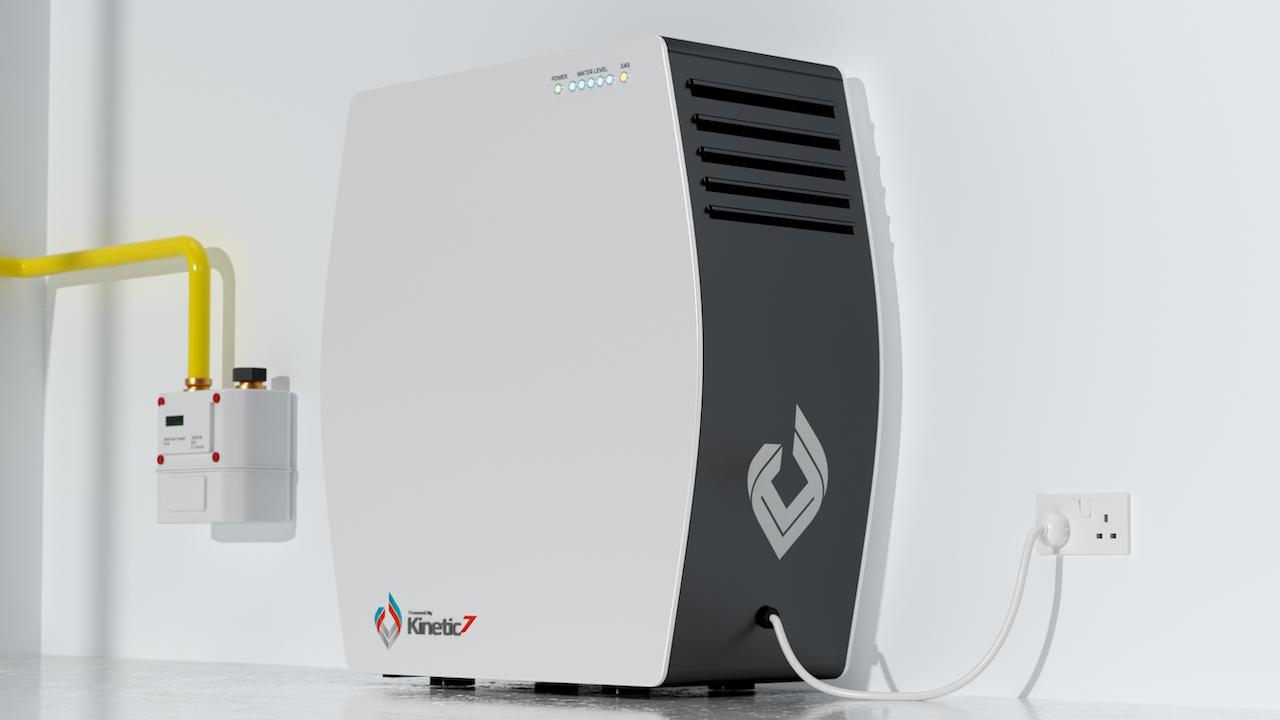
In today’s residential energy market, homeowners demand solutions that are efficient, smart, and space-conscious. SAJ’s HS3 answers that call as the thinnest 6-in-One home battery on the market, measuring just 17 cm slim. Compact in size but remarkable in capability, HS3 is designed to fit seamlessly into any home environment—indoor or outdoorwithout compromising performance.

Ultra-Compact Design for Every Home
Why size matters: Many energy storage systems are bulky, limiting installation options. HS3 changes the game with its slim, adaptable design.

1. Flexible Installation in Any Environment
Whether it’s a small garage, tight indoor area, or outdoor wall, HS3 can be installed effortlessly, maximizing space while maintaining full functionality.

2. Classic, Elegant Design
With a sleek and timeless appearance, HS3 blends naturally into home interiors or outdoor spaces, enhancing the home’s aesthetic while delivering cutting-edge energy storage.

Powerful Performance in a Compact Package
HS3 isn’t just compact—it’s packed with features that set it apart from other home energy storage solutions:


1 – 6-in-One Integration
Unlike other brands that offer only 3- or 5-in-One solutions, HS3 integrates solar inverter, EV charger, battery PCS, battery pack, backup, and Energy Management System into a single, cohesive unit.

2. Energy That Expands, Effortlessly
Start with a 5 kWh battery pack and easily expand to 40 kWh as customers’ needs grow. While mixing batteries typically risks damaging energy storage systems, the HS3 is designed to overcome this challenge. With a DC-DC optimizer in each pack of HS3, SAJ enables seamless integration of old and new batteries. Its flexible expansion design allows you to add new batteries to the existing system with ease.

3. Fast & Easy Installation and Enhanced User Experience
Designed for ease-of-use, HS3 features: Modular construction and Blind Plug Design Built-in diagnostic tools for real-time feedback and troubleshooting

4. Extreme Climate Resistance and High Safety
The HS3 Series is engineered for reliable performance under harsh conditions: Integrated thermal boosting function operates at temperatures as low as -30°C Built-in fire suppression system activates within 3 seconds at 185°C Stable energy supply and maximum safety for homeowners

5. Smart Energy, Save Energy Bills
SAJ elekeeper AI Saving 2.0 The intelligent EMS app optimizes energy use across appliances, real-time tariffs, and weather conditions—helping homeowners save up to 20% on electricity bills effortlessly.

6. Proven Stability and Local Support
With over 15 years of experience in residential energy solutions, SAJ are proud to present its third-generation home energy storage system, developed on the proven foundation of the H1, B1, and HS2. Engineered for durability and
reliability, this latest system embodies their ongoing commitment to innovation and quality. To ensure every customer receives timely and dependable service.

SAJ has established dedicated technical support teams across Ireland, the UK, and Europe.SAJ HS3: The Most Compact Yet Powerful Home Battery

Bosch launches series 6 Air Fryer

Bosch – Europe’s leader in food preparation appliances – is proud to announce that its first ever air fryer is now available in Ireland!

Say hello to the Bosch Series 6 Air Fryer RRP €179.99, backed by 150 years of cooking expertise and designed to meet the growing demand for healthier, faster, and more convenient cooking. Available from retailers nationwide, it marks the beginning of a new era for Bosch as it expands its renowned range of innovative kitchen solutions into the booming air fryer market.

The air fryer is one of the most sought-after kitchen gadgets in Ireland. In fact, air fryers were officially added to the CSO’s basket of goods and services in 2024 – a clear indicator of how much of a kitchen staple they’ve become.

So what makes Bosch Series 6 Air Fryer stand out from the crowd?

Boasting a compact, space-saving design, it can feed the whole family with its generous 7.2L capacity allowing you to cook up to five portions without taking up too much room on the countertop.

Thanks to Bosch’s even-cooking technology, there’s no need to shake the drawer – your food comes out perfectly cooked all on its own. The illuminated viewing window allows you to keep an eye on your meal as it cooks so you’ll know when it’s ready to serve. It even comes with extra accessories including a grill plate and skewers, opening up endless meal possibilities.

It also uses up to 95%*** less oil, creating healthy meals that don’t compromise on taste or flavour. Best of all? It delivers quick, energy-efficient meals, saving up to 65% faster than a traditional oven and 70% on energy.

From tender meat and crispy potatoes to perfectly grilled veggies and kebabs, this air fryer is ready to handle whatever’s on the menu. Bosch is all about reliability, so customers can rest easy knowing the Series 6 Air Fryer comes with a 2-year warranty as standard – giving you extra peace of mind.

Also making its debut in Ireland is the Bosch Series 4 Air Fryer RRP €149.99. With a 6.1L capacity, it’s slightly smaller than the Series 6 but built with the same Bocsh technology. Both products are available in electrical retailers nationwide, it’s compact, easy-to-clean, and promises to simplify midweek cooking – making it the perfect choice for busy Irish households.

For more detailed information, visit www.bosch.ie or book your free product consultation at the Home of Innovation showroom in Dublin 12 today. 

See our Geo smart pro air fryer review

How LED Headlights Are Revolutionizing Car Lighting Technology

The automotive lighting industry has undergone a remarkable transformation in recent years, with LED headlights leading the charge toward safer, more efficient driving experiences. Modern vehicles increasingly feature these advanced lighting systems, and for good reason. LED technology offers significant advantages over traditional halogen bulbs, making them an essential upgrade for drivers seeking enhanced performance and reliability.

The Clear Advantages of LED Technology

Superior Energy Efficiency

One of the most compelling benefits of LED headlights lies in their exceptional energy efficiency. LED headlights consume about 80% less energy than halogen lights, dramatically reducing the strain on your vehicle’s electrical system. This improved efficiency means your alternator doesn’t have to work as hard to generate power, which can extend battery life and potentially improve fuel economy.

For hybrid and electric vehicles, this energy savings becomes even more critical. For a battery-operated car, this reduced energy consumption means the strain on the power source is greatly decreased, and the driving range is increased. Traditional halogen bulbs waste most of their energy by converting it to heat rather than light, making them far less efficient than their LED counterparts.

Extended Lifespan and Reliability

LED headlights have a minimum of 20 times longer lifespan than their alternative halogen headlights. While halogen bulbs typically last between 500 to 1,000 hours, LED lights continue shining for up to 30,000 or more hours. This remarkable longevity translates to years of dependable service.

2000 hours lifespan means that it would need you to spend 60 years behind the wheel to burn out the LED lights. This extended durability reduces maintenance costs and eliminates the frequent headlight replacements that plague halogen bulb users.

Fiat 500 headlights image provided by ONLINECARPARTS.co.uk

Enhanced Brightness and Safety Performance

Improved Visibility

LED headlights provide significantly brighter illumination compared to traditional options. Unlike traditional halogen bulbs, which produce a yellowish light, LEDs emit a crisp, white light that closely resembles daylight. This enhanced visibility proves crucial for night driving safety, allowing drivers to spot road signs, obstacles, and pedestrians more effectively.

LED headlight bulbs are capable of emitting an extremely high level of brightness that is much brighter and the light is much more concentrated than other car headlight bulb technologies. The wider and farther range of visibility significantly increases driver safety levels, particularly during adverse weather conditions.

Instant Illumination

Unlike some competing technologies, LED headlights can be on/off instantly, while halogen lights take a moment to reach their brightness even at low beams. This instant response proves vital in emergency situations or when driving in changing light conditions, ensuring optimal visibility when you need it most.

As AUTODOC Blog notes, “Driving safety and comfort largely depend on the headlight brightness. Therefore, every car owner must monitor the condition of their car lights.” LED technology makes this monitoring easier while providing consistently superior performance.

Environmental and Economic Benefits

Reduced Heat Generation

LED lights have unparalleled efficiency when it comes to producing less heat. Halogen bulbs tend to generate a lot of heat besides emitting light, which puts additional stress on your car’s battery. This reduced heat output makes LED headlights safer for both the vehicle’s electrical system and surrounding components.

Long-term Cost Effectiveness

While LED headlights require a higher initial investment, their extended lifespan and reduced maintenance needs make them cost-effective over time. This longer lifespan reduces the number of replacements and keeps maintenance costs low. The energy savings also contribute to overall vehicle efficiency.

Technical Considerations and Installation

Advanced Design Features

Modern LED headlight systems incorporate sophisticated cooling mechanisms to maintain optimal performance. ND LED bulbs can last for a long lifespan of over 50,000 hours thanks to features like dual copper heat pipes and high-speed cooling fans that ensure efficient heat dissipation.

Compatibility and Customization

LED technology offers unprecedented design flexibility. LEDs offer customization options to look more cool. You may change the design of the light and some other functions. This versatility allows manufacturers to create distinctive lighting signatures while maintaining functional excellence. 

The Road Ahead for LED Technology

Market Adoption

The automotive industry continues embracing LED technology at an accelerating pace. At Consumer Reports, 55 percent of the 2018 models we tested had LED headlights. Of the 2019 models we’ve tested, 86 percent had LEDs. This rapid adoption reflects both consumer demand and manufacturer recognition of LED advantages.

Safety Improvements

The National Highway Traffic Safety Administration (NHTSA) reported a total of 34,439 car accidents in its latest Traffic Safety Facts report, of which a staggering 51% to 67% occurred at night and during low light conditions. Enhanced lighting technology like LEDs plays a crucial role in addressing these safety concerns.

Making the Upgrade Decision

When considering LED headlight upgrades, drivers should evaluate their specific needs and driving conditions. LED headlights are brighter than halogen and traditional light bulbs, offering better road sign recognition. The combination of improved visibility, energy efficiency, and long-term reliability makes LED headlights an excellent investment for most drivers.

The revolution in automotive lighting technology continues advancing, with LED headlights representing a significant step forward in safety, efficiency, and performance. As these systems become more affordable and widely available, they’re transforming how we approach nighttime driving, making roads safer for everyone while reducing environmental impact through improved energy efficiency.

For modern drivers seeking the best combination of performance, reliability, and long-term value, LED headlights represent the clear choice for illuminating the path ahead.


CELSIUS Hits the Road to Fuel Fitness and Festival Spirit Across Ireland and the UK

CELSIUS, the premium, lifestyle energy drink formulated for active lifestyles, is hitting the road this August in its new, custom-designed CELSIUS Airstream to bring an unmissable wave of energy to cultural events with its refreshing fruit-forward flavours.

In Ireland, Olympic sprinter and Team CELSIUS Ambassador Rhasidat Adeleke will host the CELSIUS VIBE Run Club in Dublin on 22 July.

From muddy fields to main stages and sold-out stadium shows to grassroots fitness activations, CELSIUS will tour the nation to keep crowds going with an immersive, high-impact brand activation featuring giveaways and good vibes. Festivalgoers can expect glitter applications, photo booths, music, exclusive merch, and tens of thousands of CELSIUS samples to enhance their experiences.

Powering the moments that matter, the Airstream will be positioned around:

  • Solomon – 8 August – Cutty Sark, King William Walk, London SE10 9HT
  • Big Smoke Festival – 9 August – Crystal Palace Station, London SE19 2AZ
  • Anjunadeep – 10 August – Cutty Sark, King William Walk, London SE10 9HT
  • South Facing Festival – 15 August – Crystal Palace Station, London SE19 2AZ
  • All Points East – 16 August – The Green, Shoreditch High Street station, Braithwaite Street, Shoreditch, London, E1 6AE
  • Leeds Festival – 22 August – Leeds Station, New Station St, Leeds LS1 4DY
  • Reading Festival – 23 and 24 August – Reading Station, Station Hill, Reading, Berkshire, RG1 1LZ

The roadshow builds on the brand’s presence near some of the UK’s most iconic cultural moments already this year, from major music gatherings and city festivals to world-class sporting occasions.

Carlotta Cattelani, Head of Marketing – UK&I at CELSIUS, said: “Our new CELSIUS Airstream allows us to continue building something different here – a brand that’s not just seen on shelves, but felt in culture. Whether it’s through the festivals they wait all year for or the fitness communities they belong to, CELSIUS is showing up with purpose and momentum. What sets CELSIUS apart is its ability to deliver functional energy with no compromise on taste, powered by a blend of seven vitamins that supports normal immune function (B6, B12, C) and helps reduce tiredness and fatigue (B2, B3, B5, B6, B12, C). We’re here to help the nation make the most of every day.”

CELSIUS is also tapping into the growing demand for fitness community experiences. In Ireland, Irish Olympic sprinter and Team CELSIUS Ambassador Rhasidat Adeleke will return home on 22 July to host the CELSIUS VIBE Run Club at Dublin City University in conjunction with Runners High Run Club. Rhasidat will share her elite sprinting tips, favourite drills, and motivation to push participants beyond their limits. Tickets are free but limited; register on Eventbrite.

From 28 August, the brand will make its way to Stradbally, stopping in Rathcoole and Portlaoise, with thousands of samples planned across Electric Picnic weekend.

Building on its popularity in the US, CELSIUS is embedding itself into British and Irish cultural calendars and connecting consumers to the brand’s LIVE FIT ethos through a dynamic mix of music, sport, and lifestyle.

As the festival season hits its peak and wellness-orientated consumers continue to seek functional energy options, CELSIUS is fast becoming a staple in both routines and experiences across the UK and Ireland – and beyond!

CELSIUS is available nationwide. To find a local retailer, visit uk.celsius.com/buy-locate/.

Breaking Down the Different Types of EV Chargers

Electric vehicles (EVs) are rapidly becoming part of everyday transportation. As more drivers consider making the switch, understanding how these vehicles are charged is a key part of the transition. EV chargers come in several forms, each with different technical specifications and use cases. Whether at home, work, or on the road, charging infrastructure plays a crucial role in the practical usability of electric cars.

Knowing which charger fits a particular scenario can help owners save time, manage energy costs, and improve their driving experience. While the differences between charger types may appear technical at first glance, a closer look reveals practical distinctions that influence charging speed, convenience, and compatibility. From basic residential units to powerful public charging stations, each type offers a unique approach to keeping an electric car ready for the road.

A Starting Point for Home Use

Level 1 chargers are the simplest and most accessible charging solution available. These use a standard household outlet, typically delivering around 120 volts. For drivers who don’t travel long distances each day, Level 1 charging can be sufficient. This method usually adds about 3 to 5 miles of range per hour, which works well for overnight charging.

Although the charging rate is slow, there are benefits to this low-voltage system. It requires no additional installation, making it cost-effective and easy to begin using immediately after purchasing a vehicle. Many automakers include a Level 1 charger with the vehicle. While it’s not suitable for everyone, especially those with longer commutes or irregular schedules, it provides a reliable backup or secondary charging option.

Common in Homes and Public Spaces

Level 2 chargers operate on a 240-volt power source and offer a significant improvement in speed over Level 1 options. These chargers are often installed in residential garages or at commercial properties where vehicles remain parked for longer periods. Charging speeds vary depending on the amperage and can generally range from 15 to 30 miles of range per hour.

Installation of a Level 2 unit often requires a dedicated circuit and professional electrical work. Many homeowners opt to upgrade their setup to enjoy faster charging at home. These chargers appear in public parking areas, office complexes, and shopping centers. Their balance of speed and accessibility makes them an ideal choice for daily use and supports the driving patterns of a wide range of users.

Charging Networks and Public Infrastructure

Public charging stations offer convenience to those who drive long distances or do not have access to home charging. These networks are expanding rapidly to keep pace with EV adoption. Charging stations vary widely in terms of power delivery, availability, and access. Some are part of subscription-based networks, while others are pay-as-you-go or free to use.

Retailers, municipalities, and highway service areas are integrating charging infrastructure to support travelers. In urban areas, public chargers are essential for residents who park on the street or in shared facilities. The availability of public charging stations can influence where people choose to live, shop, and work, making their placement an increasingly strategic consideration for city planners and businesses alike.

Fast Charging and the Role of DC Technology

Fast charging is essential for drivers who need to get back on the road quickly. Unlike Level 1 and Level 2 systems, which rely on alternating current (AC), fast chargers use direct current (DC) to send power directly to the battery. This reduces the time needed for a substantial recharge. DC fast chargers are most commonly found along highways and at major transportation hubs.

The speed of a fast charger depends on the vehicle’s capacity and the charger’s output, but it can often provide an 80 percent charge in less than 30 minutes. That makes them ideal for road trips or busy drivers who can’t leave their car plugged in for hours. Many electric vehicle manufacturers and third-party providers are investing in these systems to reduce range anxiety and make EVs a more practical choice for every type of driver. In many modern networks, the level 3 DC fast charger plays a central role, capable of delivering power at a rate much higher than other systems. Positioned strategically along travel corridors and within high-traffic areas, these chargers allow electric vehicle users to plan longer journeys with confidence. While not typically used for daily home charging, their speed and efficiency make them a necessary part of the broader charging ecosystem.


Compatibility and Connector Types

Compatibility between vehicles and chargers depends on connector types and onboard charging capacity. Most EVs in North America use the SAE J1772 connector for Level 1 and Level 2 charging. Tesla vehicles have proprietary connectors and offer adapters for other systems. For DC fast charging, common connector standards include CHAdeMO, CCS (Combined Charging System), and Tesla’s Supercharger plug.

The type of connector affects where and how a driver can charge. Newer vehicles tend to support faster charging and come with more flexible options. Understanding these variations can prevent confusion and save time, especially when using public charging stations. Some apps and navigation systems include filter tools that show compatible chargers based on the car model, simplifying the experience.

Smart Chargers and Energy Management

Advancements in charging technology are introducing smarter energy use. Many Level 2 chargers now come equipped with Wi-Fi or Bluetooth connectivity, allowing users to schedule charging during off-peak hours or monitor progress remotely. These features offer cost-saving opportunities by taking advantage of lower electricity rates.

Utilities in some regions offer incentives for smart charger installation, recognizing their value in managing grid demand. Businesses and property managers benefit from monitoring tools, which provide insights into charger usage, energy consumption, and maintenance needs. These upgrades support a more efficient use of resources and prepare infrastructure for a growing EV population.

A thorough understanding of EV charging options helps drivers make informed decisions based on their routines and needs. From the simplicity of Level 1 systems to the high-speed capabilities of Level 3 fast chargers, each solution plays a part in supporting electric mobility. As the industry continues to grow, improvements in convenience, compatibility, and infrastructure will guide the way forward for both new and experienced EV owners.

Understanding How Suction Pumps Work in Various Applications

Suction pumps are remarkable devices widely employed across different industries for various important functions. Their primary job is to move fluids or slurries by creating a vacuum, allowing atmospheric pressure to push liquid into the pump where it can be transferred to another location. Used in many applications ranging from water supply systems to waste management, the versatility and effectiveness of suction pumps make them invaluable in modern technology. Understanding how these pumps work and their operational applications can help in achieving efficient management of resources, emphasizing the significance of choosing the right type of pump for specific needs.

The Mechanism Behind Suction Pumps

At their core, suction pumps operate on simple physical principles. When the pump is activated, it creates a low-pressure area inside its chamber. This pressure difference causes the ambient atmospheric pressure outside the pump to force the fluid upwards through the inlet line. As the fluid enters the pump, it can be compressed and moved forward through the discharge line. The mechanical energy produced by the pump, often from an electric motor, is crucial in ensuring that the fluid is moved effectively, maintaining a continuous flow necessary for many operations. It’s fascinating how this fundamental technology applies to things we often take for granted, such as our household water supply.

Types of Suction Pumps

Suction pumps come in various forms, tailored for specific tasks. The most common types include centrifugal pumps, positive displacement pumps, and diaphragm pumps. Centrifugal pumps operate by converting rotational energy into kinetic energy, making them ideal for low-viscosity fluids. They are typically used in large-scale applications like municipal water supply systems. On the other hand, positive displacement pumps are designed to move a fixed volume of fluid regardless of the system’s pressure. These pumps are suitable for higher viscosity fluids found in industrial applications. 

Diaphragm pumps utilize a flexible diaphragm to create a vacuum and are often employed in environments where contamination must be avoided. If you’re interested in exploring the capabilities of suction pumps, you can go now to discover the facts you should know about flooded suction pumps. Understanding the unique functions and benefits of each type can help you choose the right suction pump for your specific application, ensuring efficiency, reliability, and optimal performance.

Applications of Suction Pumps in Various Industries

Suction pumps find diverse applications across several key industries. In the construction sector, for instance, they are instrumental in dewatering operations at construction sites, preventing water accumulation that could compromise structural integrity. Environmental remediation also benefits significantly from suction pumps, as they help in extracting pollutants or excess water from contaminated sites. 

In the agricultural industry, pumps are used to facilitate irrigation systems, ensuring crops receive an adequate water supply and improving yield. The healthcare sector relies on suction pumps to remove fluids or gases from patients, aiding in various medical procedures and emergencies, highlighting their critical role in healthcare settings.

When to Choose a Suction Pump

Selecting the appropriate suction pump for a specific task requires understanding several factors. While considering applications, one must assess the type of fluid being handled, the required flow rate, and the pressure conditions of the operation. If moving highly viscous materials, a positive displacement pump may be more effective than a centrifugal pump. 

The operational environment plays a significant role. Pumps designed to handle abrasive materials must have appropriate materials for their construction to enhance longevity. Considering maintenance requirements and initial investment costs is crucial in the decision-making process, as selecting the right pump can significantly influence operational efficiency and longevity.

Maintenance of Suction Pumps

Routine maintenance is crucial in prolonging the lifespan of suction pumps and ensuring optimal performance. Regular checks should include monitoring for wear and tear of seals and bearings, as these components can affect efficiency if left unchecked. Keeping the pump clean and free from debris can prevent clogging, ensuring smooth operation. 

Lubricating moving parts according to manufacturer guidelines helps mitigate friction, enhancing pump functionality. Regularly scheduled maintenance reduces the risk of unexpected failures and maximizes operational efficiency, saving time and money in the long run.

The Future of Suction Pump Technology

As technology progresses, the design and efficiency of suction pumps continue to evolve. Innovations such as smart pumps equipped with IoT (Internet of Things) technology allow for real-time monitoring and adjustments. These advancements enhance performance and provide valuable data for optimizing system use and increasing energy efficiency. Important developments are occurring in areas like energy recovery systems, where pumps are being designed to use captured energy to improve efficiency. As sustainability becomes more critical across industries, suction pump technology is expected to adapt, contributing to more eco-friendly operational practices in diverse applications. 


The importance of understanding suction pumps cannot be overstated. Their multifaceted roles in various sectors underscore their relevance in modern applications. The mechanics behind suction pumps, their different types, and their specific use cases across industries provide insight into their vast capabilities and benefits. Armed with this knowledge, industries can make informed decisions that lead to greater efficiency and effectiveness.

5 Green Initiatives Every Business Should Implement

For any business in this modern day of living, going green shouldn’t be much of an issue. There’s ample opportunity nowadays to cut down your waste and help the environment wherever possible.

After all, we all bear a responsibility to the environment, and that’s one that weighs even heavier for the average business in comparison to domestic households.

Here are five green initiatives that every business, including yours, should implement right now.

1. Reducing waste and recycling more

Is there waste that you’re getting rid of that could actually be recycled or reused in some way? How much are you contributing currently, and what does that compare to with other businesses?

Every ounce of waste you contribute to the landfills does damage to the world around us ,and so it’s important to try and minimize the waste as much as possible for your business. Look at what methods you could use to reduce waste and recycle more within your business. There’s likely a lot of change you could make for the benefit of the environment.

2. Go paperless

Going paperless is certainly important and a good way of helping to reduce the amount of wasted trees that are being cut down. It’s impacting the local wildlife and the habitats of animals that rely on trees as their homes.

Living in the digital world we’re in now, there’s really no excuse not to go paperless. If you’re doing a lot of your work online, reading documents and signing them through a computer screen, then there’s a lot of paper usage that could be cut.

3. Invest in solar panel energy

Solar panel energy has become increasingly popular due to the accessibility of these panels and the ROI it provides over time. It’s a lot more affordable than it once was, due to the demand it now has.

Everything that you can do to help reduce your energy consumption is key, so switching to commercial solar solutions might be just the change required to do more to help.

4. Build sustainable supply chains

Building sustainable supply chains is a great way to have a wider impact beyond just your own company. You can make a conscious choice to work closer with companies that are more sustainably driven and are making an active effort to be green in their practices.

Take a look at what your suppliers are doing currently and whether they’re able to adapt and change at your request. If not, then you could always look elsewhere for your suppliers.

5. Corporate responsibility initiatives 

Finally, there’s a responsibility to do more as businesses, so why not have some corporate responsibility initiatives in place? These can be a clear message to the general public that you have a commitment to sustainability. Support local programs and run your own to help encourage employees to make their own efforts.

With these green initiatives, you can work towards a more environmentally-conscious company that takes action and makes an impact that lasts. Use these tips to help get started with your business.