Tyndall Driving New Research to Integrate Electric Buses in Ireland

Tyndall National Institute was awarded six projects from SEAI’s National Energy Research, Development & Demonstration (RD&D) Funding Programme, all now underway, to advance Ireland’s energy transition. These significant successes highlight Tyndall’s leadership in sustainable research and its commitment to delivering impactful solutions for Ireland’s energy future.

Among the funded initiatives is BEST-IRE, a pioneering project focused on transforming public transport through the integration of battery electric buses into the transport and electricity systems of Ireland. The project will deliver a comprehensive evaluation and strategic roadmap for electric bus implementation, addressing both investment planning and life cycle cost assessement

The project will present methodology to develop a strategic roadmap for battery electric buses in Ireland, guiding investment decisions and assessing long-term costs. It will also develop a smart decision-making tool to support the planning and placement of charging infrastructure, ensuring efficient integration with Ireland’s transport and electricity networks. This includes optimising bus routing, maximising renewable energy use, and maintaining grid stability through advanced modelling.

In addition, the research team plans to create a dynamic transit charge management system to monitor charging patterns and provide local flexibility for enhanced grid management. The project will also assess how electric buses can improve first and last-mile mobility, propose innovative business models for stakeholders in the transport and energy sectors, and recommend policy frameworks that support electric buses and renewable energy integration. Methodology will be implemented at both the urban and rural community levels to ensure broad replicability.

Dr Pádraig Lyons, Head of Group, International Energy Research Centre (IERC) at Tyndall, said: Electrifying an expanding bus fleet is a huge opportunity to decarbonise Ireland’s transport systems and improve the quality of life for people living in urban and rural areas. The BEST-IRE project will develop innovative methodology and tools to address the challenges to infrastructure, associated with this exciting new technology. 

How Solar Technology is Revolutionising Residential Construction in Ireland

The Irish residential construction sector is undergoing a remarkable transformation, driven by an unprecedented shift towards renewable energy solutions. At the forefront of this revolution is solar technology, which has evolved from a niche consideration to a fundamental component of modern home design. As Ireland commits to ambitious climate targets and homeowners grapple with escalating energy costs, solar panels and associated technologies are reshaping how we conceive, construct, and inhabit residential properties across the Emerald Isle.

This transition represents more than a mere trend; it signals a fundamental reimagining of sustainable living in the Irish context. Despite the nation’s reputation for cloudy skies and frequent rainfall, advances in photovoltaic technology and supportive government policies have positioned solar energy as a practical and economically viable solution for Irish households. From Cork to Donegal, solar installations are becoming increasingly commonplace, heralding a new era in residential construction that prioritises energy independence, environmental responsibility, and long-term cost savings.

  • The Evolution of Solar Technology in Irish Residential Settings

Ireland’s journey with solar technology has been relatively recent but remarkably swift. Historically, the country’s overcast climate was perceived as an insurmountable barrier to solar adoption. However, technological breakthroughs in photovoltaic efficiency have shattered this misconception. Modern solar panels can generate electricity even on cloudy days, harnessing diffuse sunlight with remarkable effectiveness. This capability has proven particularly significant for Ireland, where direct sunshine may be limited but ambient light remains abundant throughout much of the year.

The past decade has witnessed dramatic improvements in solar panel efficiency, with contemporary systems converting upwards of 20% of captured light into usable electricity – double the efficiency of panels available just fifteen years ago. Simultaneously, manufacturing advances have reduced costs by more than 80% since 2010, transforming solar from a luxury addition into an accessible option for mainstream homebuilders and renovators alike. This convergence of improved performance and affordability has catalysed widespread adoption across Ireland’s residential sector.

  • Government Initiatives Driving Solar Adoption

Ireland’s regulatory landscape has evolved considerably to encourage renewable energy adoption in residential construction. The Sustainable Energy Authority of Ireland (SEAI) administers several grant schemes that significantly reduce the upfront costs of solar installations. The Solar PV Grant scheme offers homeowners substantial financial support, covering a considerable portion of installation expenses for qualifying systems. This initiative has proven instrumental in accelerating solar uptake, particularly amongst middle-income households for whom the initial investment might otherwise prove prohibitive.

Beyond direct financial incentives, Ireland’s revised Building Regulations now incorporate stricter energy performance standards for new constructions. The Nearly Zero Energy Building (NZEB) standard, mandatory for all new homes since 2020, effectively necessitates renewable energy integration to achieve compliance. Solar photovoltaic systems represent one of the most straightforward pathways to meeting these requirements, consequently becoming a standard consideration in contemporary residential design rather than an optional extra.

The Microgeneration Support Scheme, whilst still developing, promises to further incentivise solar adoption by enabling homeowners to sell surplus electricity back to the grid at favourable rates. This feed-in tariff arrangement transforms solar panels from purely cost-saving devices into potential income generators, fundamentally altering the economic calculus for prospective installers like MMK Solar.

  • Integration into New Build Construction

The most profound impact of solar technology is evident in new residential developments, where integrated design approaches enable optimal system performance and aesthetic coherence. Forward-thinking developers now incorporate solar considerations from the earliest planning stages, orienting properties to maximise southern exposure and designing roof profiles that accommodate panel installations without compromising architectural integrity.

This holistic approach extends beyond simple panel placement. Modern developments increasingly feature coordinated systems where solar generation interfaces seamlessly with battery storage, heat pumps, and intelligent home energy management systems. Such integration enables unprecedented levels of energy self-sufficiency, with some new Irish homes achieving 70% or greater independence from grid electricity during warmer months.

Building Information Modelling (BIM) technology has facilitated this integration, allowing architects and engineers to simulate solar performance during the design phase. These predictive capabilities enable optimisation of panel placement, system sizing, and electrical infrastructure before construction commences, reducing installation costs and maximising long-term performance. Consequently, solar systems in new builds typically deliver superior returns compared to retrofit installations, as the entire property ecosystem is designed around home renewable energy from inception.

  • Retrofit Applications in Existing Housing Stock

Whilst new builds benefit from integrated design, the majority of Ireland’s housing stock predates modern energy standards, presenting both challenges and opportunities for solar retrofitting. Older properties often feature suboptimal roof orientations, structural limitations, and outdated electrical systems that complicate solar installations. Nevertheless, technological advances and innovative installation techniques have made solar retrofitting increasingly viable across diverse property types.

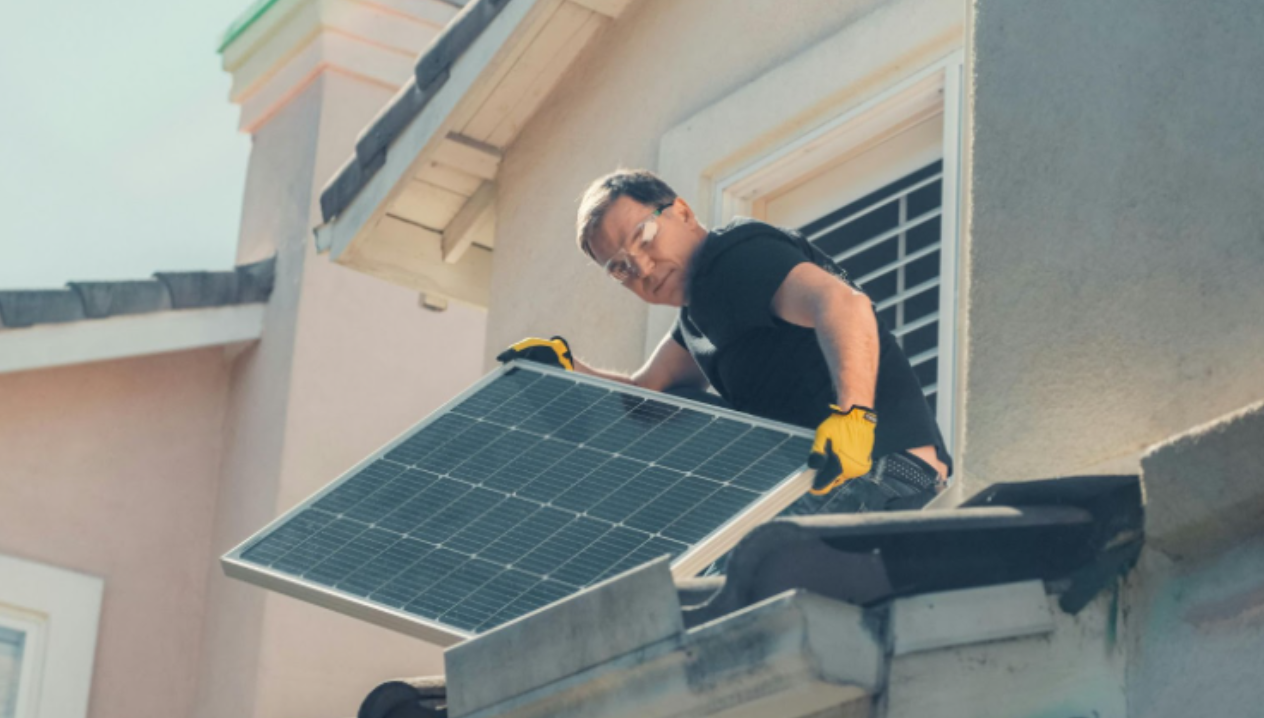
Lightweight panel designs now enable installation on roofs previously deemed unsuitable due to load-bearing constraints, whilst micro-inverter technology allows systems to function efficiently despite shading or non-ideal orientations. For properties where traditional rooftop installations prove impractical, ground-mounted arrays and solar tiles offer alternative pathways to renewable generation.

The economics of retrofit installations have improved markedly, with typical payback periods now ranging from eight to twelve years depending on system size and household consumption patterns. When combined with available grants, many homeowners achieve energy cost reductions of 40-60%, providing compelling financial incentives alongside environmental benefits. This economic attractiveness has stimulated a thriving installation sector, with hundreds of certified installers now operating across Ireland.

  • Battery Storage and Energy Independence

The integration of battery storage systems represents perhaps the most transformative development in residential solar technology. Traditional grid-tied systems without storage can only utilise solar generation instantaneously, necessitating grid electricity during evenings and overnight periods when consumption typically peaks. Battery systems fundamentally alter this dynamic, enabling households to store surplus daytime generation for evening use, dramatically increasing solar self-consumption rates.

Modern lithium-ion battery systems offer storage capacities ranging from 5kWh to 15kWh or more, sufficient to power typical Irish homes through evening peak periods and overnight. Combined with adequately sized solar arrays, these systems can deliver energy independence rates exceeding 80% during spring and summer months, with meaningful contributions throughout winter.

Beyond economic benefits, battery storage enhances energy security, providing backup power during grid outages – an increasingly pertinent consideration given climate-related disruptions to electricity networks. This resilience aspect is particularly valued in rural areas where service restoration may require extended periods following severe weather events.

  • Environmental and Economic Impact

The cumulative environmental impact of Ireland’s residential solar revolution is substantial and growing. Each installed kilowatt of solar capacity reduces annual carbon emissions by approximately 0.5 tonnes, collectively preventing thousands of tonnes of greenhouse gases from entering the atmosphere annually. As installations multiply, this contribution towards Ireland’s climate obligations becomes increasingly significant, complementing larger-scale renewable projects like offshore wind farms.

From an economic perspective, widespread solar adoption reduces pressure on the national grid during peak demand periods, potentially deferring or eliminating the need for costly infrastructure upgrades. At the household level, solar installations provide hedge against future energy price volatility, offering predictable, low-cost electricity generation over system lifespans typically exceeding 25 years.

The solar sector itself has become a notable employer, with installation, maintenance, and related services supporting thousands of jobs nationwide. This growth in green employment aligns with broader economic development objectives whilst contributing to the low-carbon transition.

  • Challenges and Future Prospects

Despite remarkable progress, challenges remain. Grid infrastructure in some areas requires upgrading to accommodate high penetrations of distributed generation, whilst planning regulations in certain contexts can complicate installations, particularly in conservation areas or protected structures. Ensuring installer quality and consumer protection as the market expands requires ongoing regulatory attention.

Looking forward, continued technological advancement promises even greater possibilities. Emerging technologies including perovskite solar cells, bifacial panels, and building-integrated photovoltaics may deliver efficiency gains and aesthetic improvements that further accelerate adoption. As battery costs continue declining and vehicle-to-home technology matures, the integration of electric vehicles into home energy systems presents exciting possibilities for enhanced self-sufficiency.

  • Conclusion

Solar technology has unquestionably revolutionised residential construction in Ireland, transforming renewable energy from aspiration to mainstream reality. Through supportive policies, technological advancement, and growing environmental awareness, solar systems have become integral to modern Irish homes, delivering economic, environmental, and energy security benefits that extend far beyond individual households.

As Ireland continues its journey towards carbon neutrality, the residential sector’s embrace of solar technology represents a cornerstone of success. The revolution is not merely technical but cultural, reflecting a fundamental shift in how Irish society conceptualises sustainable living. With each installation, Ireland moves closer to a future where clean, renewable energy powers our homes, strengthens our economy, and safeguards our environment for generations to come.

Greenvolt Next 4MW solar farm for Sanofi in Waterford

Greenvolt Nextpart of Greenvolt Group, a leading specialist in renewable energy solutions for the commercial and industrial sector, has completed the development of a 4 MW solar PV plant for Sanofi, one of the leading global biopharmaceutical companies.

Now in operation at Sanofi’s manufacturing campus in Waterford, the project was structured under a Power Purchase Agreement (PPA), requiring no upfront investment from the pharma company and allowing it to access renewable electricity at a stable and predictable price, while benefiting from long-term operational certainty.

The project was formally inaugurated in a ceremony attended by the Minister of State, Mary Butler, underscoring the national relevance of investments that accelerate Ireland’s clean-energy transition. Sanofi, established in Ireland more than 20 years ago, develops and manufactures healthcare solutions across therapeutic areas such as cardiovascular disease, diabetes, multiple sclerosis and vaccines, with the Waterford site playing a central role in its operations.

Greenvolt Next designed and delivered the 4 MW solar PV plant, comprising more than 5,700 panels and 10 inverters. The installation will generate approximately 3.2 GWh of renewable electricity annually, covering around 20% of the site’s energy needs and enabling the avoidance of 950 tonnes of CO₂ each year. This reduction in carbon emissions directly supports Sanofi’s global environmental strategy, while demonstrating the Waterford site’s leadership in climate action within the Irish pharmaceutical sector.

Its delivery was completed within a four-month schedule, mobilising a multidisciplinary team of more than 100 professionals across design, engineering and installation. Greenvolt Next will operate and maintain the facility for 20 years, ensuring performance, safety and reliability throughout its lifecycle. The project strengthens the site’s long-term competitiveness, ensuring it can continue to grow, innovate and manufacture high-quality medicines sustainably.

Minister of State at the Department of the Taoiseach with special responsibility as Government Chief Whip and the Department of Health with responsibility for Mental Health Mary Butler said: “This is an impressive initiative that represents a significant step forward for clean energy and sustainable infrastructure in Waterford. It is so important that we strive to continue developing smart energy solutions at community level. Such local investments in renewable energy are particularly important in the context of our national commitments and climate targets, I was particularly struck by the team leading out on this initiative in Sanofi – the energy, the enthusiasm is so encouraging. It sets a precedent for others to follow, having one of the largest renewable installations of this kind in the heart of our city.”

Owen Power, CEO of Greenvolt Next Ireland & UK, added: “This project is particularly meaningful for us, not only because it delivers a direct positive impact for the Waterford community – where Greenvolt Next is also based – but also because it reflects the trust placed in our expertise and execution capabilities by a global company of Sanofi’s scale. We have built a strong track record across multiple industries, including a significant presence in the pharma cluster, which continues to reinforce our leadership in the commercial and industrial renewable energy sector,”

Cian O Brien, Site Lead, Sanofi Ireland, said: “Generating our own renewable energy on-site is vital in helping us meet our sustainability targets, aiming for net zero greenhouse gas emissions by 2045 across all scopes, with a trajectory towards carbon neutrality by 2030. With Greenvolt Next Ireland’s expertise in renewable energy installations for large businesses like us, we will be able to significantly reduce our reliance on the grid, generating 20% of our energy on-site each year.”

Greenvolt Next is a pan-European platform operating across 12 countries, specialising in distributed-generation solutions for the commercial and industrial sector. In Ireland, the company has a long-standing presence – formerly known as Enerpower – and continues to support businesses in their transition toward more efficient and sustainable energy models.

Garmin releases 2025 Garmin Connect Data Report

Garmin has released its 2025 Garmin Connect Data Report, highlighting overall fitness and health trends from customers around the world.  From data trends like average stress and daily steps to an increase in recorded activities, insights from the Garmin Connect community highlight key fitness and well-being trends across a range of demographics, locales and abilities.

Activity takeaways

Garmin users recorded 8% more activities this year than in 2024, with the following activities seeing the largest year over year increase:

  • Racket sports: +67%
  • HIIT: +45%.
  • Pilates: +46%
  • Strength training: +29%
  • Indoor running: +16%
  • Diving: +16%
  • Hiking: +12%


Health and fitness takeaways

  • Women recorded lower average stress scores than men, and Garmin users in Indonesia had the highest stress scores this year while those in the Netherlands had the lowest.
  • Garmin users got nearly 1% better sleep this year, with an average sleep score of 71.
  • Younger Garmin users typically had higher Body Battery energy levels, with 18–29-year-olds averaging 75. Users 40-49 years old averaged 70, while users over 70 years old averaged 64. Those in Portugal recorded the highest average Body Battery levels, while Japan had the lowest.
  • On average, users took more steps per day in 2025. Garmin users in Hong Kong took the most average steps with more than 10,000 per day.
  • Users 18-29 years old did the most outdoor running this year. 50-59-year-olds led the indoor cycling category, while those 70 years and older did the most golfing.

Click here to read the entire report.

What athletes love about Garmin Connect

 “I live a very active lifestyle, from long days surfing to runs and strength work in the gym. Being able to track my recovery, HRV, and overall performance in one place helps me make smarter decisions, stay consistent, and train with real purpose.”

–Brianna Cope, Garmin ambassador

 Garmin Connect is an organised person’s dream. It makes tracking and comparing my performance over time incredibly simple thanks to its clean colour-coded categories and easy-to-read charts. I can instantly spot trends across a week, a month, six months, or even a full year. So, when it’s time to reassess my training, Garmin Connect shows me exactly where I need to dial in my sleep, recovery, and overall workload.”

–Lauren Kalil, Garmin ambassador

“Since coming back to training and racing after having my daughter, I’ve really had to readjust my expectations for training and recovery. Using resting heart rate and HRV trends in the Garmin Connect app has been a huge help to me as I’ve recalibrated what’s normal for me right now. The data helps me know if we are getting the training and recovery load right, or if we need to back down.”

–Skye Moench, Garmin-sponsored triathlete

This year, Garmin Connect+ users can check out their own highlight reel – the Garmin Connect Rundown. Available now in the Garmin Connect app, the personalised annual report includes health, performance and activity stats, including total steps, average sleep score, totals of each activity type and more.

Garmin’s latest smartwatches – like the Venu® 4 and fēnix ® 8 Pro – are packed with popular health and fitness features and seamlessly sync to Garmin Connect, letting users track their activities, analyse their data, compete in challenges and more. Whether you’re chasing a new PR, training for an event or focusing more on overall wellness, Garmin has a smartwatch that’s ready for any goal. Click here to learn more about the latest lineup of Garmin smartwatches.

Engineered on the inside for life on the outside, Garmin products have revolutionised life for runners, cyclists, swimmers and athletes of all levels and abilities. Committed to developing technology that helps people stay active and elevate performance, Garmin believes every day is an opportunity to innovate and a chance to beat yesterday.

Garmin Venu 4 45mm Smartwatch Review

The Garmin Venu 4 (45mm) is the company’s latest to bridge the gap between a sleek, everyday smartwatch and a powerful, dedicated multisport fitness tracker. Building significantly on the Venu 3, the Venu 4 introduces a more premium metalized design and brings over some of Garmin’s most advanced training features previously reserved for its high-end Forerunner and Fenix lines and I also feel it is taking on WHOOP with some of its features on board which is fine, WHOOP has no display and the watch does so it is a matter of wanting less time on your phone here which I do and have been doing getting metrics on the go by looking at your watch.

The 45mm Venu 4 represents a significant upgrade in build quality, moving to a full metal case that feels noticeably more premium and robust than its predecessors. The watch is stylish enough to look at home in an office setting but durable enough for the trail. It is a familiar design like many watches out there but you can up the style with different bands on offer which are nice like the leather bands.

The 1.4-inch AMOLED display is bright, vibrant, and highly responsive, offering excellent visibility even in direct sunlight. For me after using the watch for some weeks I found this display and it stands out and you can of course customize it even more with faces and make it stand out more.

A new hardware addition is the built-in LED flashlight (with white and red light modes), a feature trickled down from Garmin’s high-end watches, which is surprisingly useful for visibility during night runs or finding something in the dark like keys for trying to get into your house for example or just general looking for things in the dark.

This is where the Venu 4 truly excels, incorporating professional-grade metrics into a lifestyle watch:

  • Training Readiness and Status: Borrowed from the Forerunner series, you now get a morning score based on sleep quality, recovery, HRV, and acute load, helping you determine if you should push hard or take a rest day. Training Status gives you deeper insight into the effectiveness of your overall regimen.
  • Dual-Frequency GPS: The inclusion of Multi-Band (Dual-Frequency) GNSS is a major technical upgrade. This provides superior positional accuracy, especially in challenging environments like dense cities or canyons, making it a reliable tool for runners and outdoor athletes.
  • Lifestyle Logging: A new wellness feature allows you to manually log behaviors like caffeine or alcohol intake directly on the watch. The Garmin Connect app then correlates these entries with changes in key metrics like sleep, stress, and HRV, offering genuinely useful insights into how your daily habits impact your well-being. For me logging things daily is annoying however tried it out here with a general task every day it will pormpt you every day which is not bad for those wanting to use such a feature.
  • Sleep Metrics: The watch offers comprehensive sleep coaching, tracking naps, and introducing Sleep Alignment (how well your sleep pattern matches your circadian rhythm) and Sleep Consistency again wasted on me never used such.
  • Over 80 Sports Apps: The Venu 4 covers virtually every activity, including new features like Mixed Session profiles for tracking multiple activities in one workout (e.g., a triathlon or Hyrox session).

The 45mm Venu 4 offers up to 12 days of battery life in standard smartwatch mode, which is a colossal advantage over competitors like the Apple Watch or Samsung Galaxy Watch which I have both of and can confirm in the real world this is the best watch for battery end of story I own right now.

Always-On Display (AOD): If you use the always-on display, the battery life drops to about 4-5 days, which is still competitive.

GPS Use: Even with the high-accuracy Multi-Band GPS active, the watch can last up to 19 hours, making it excellent for long hikes or marathon training mostly used with ealks for me as out with an injury and still am confined to an extent.

While the Venu 4 is a powerful all-rounder, it has a couple of minor trade-offs:

It lacks the deep, seamless integration and third-party app ecosystem of watches running Apple’s or Google’s operating systems. The voice assistant functionality relies on your paired phone and can feel a bit clunky. I am use to having full rich notifications but this is not the case here with no images in emails such as my cameras etc not a huge deal but miss it.

Unlike some competitors, there is no option for LTE connectivity, meaning you must have your phone nearby for full connectivity and calls however I think most are in this same situation and use the watch and phone for me it has always been the case.

It sits at a higher price point than its predecessor, reflecting the addition of the premium materials and advanced training features and price can be a factor for some people with the feature set, Garmin has a loyal following like Apple and Samsung.

The Garmin Venu 4 45mm which is the model I tested is an exceptional choice for the user who wants a watch that transitions effortlessly between the gym, the trail, and the boardroom. It successfully blends an attractive, premium design with Garmin’s leading-edge fitness and recovery data. If you prioritize multi-day battery life, highly accurate GPS, and deep insights into your fitness and recovery metrics like WHOOP does over the smart communication features of an Apple or Galaxy Watch, the Venu 4 is easily one of the best watches on the market right now if you are not fussy over some small caveats.

Garmin Connect App


Features

  • Smartwatch with a bright, colourful display, stainless steel design, and built-in flashlight; Available in two sizes: 41mm and 45mm.
  • Make improvements to promote a healthier lifestyle and know your body better with extensive health monitoring features, including wrist-based heart rate, Body Battery energy monitoring, fitness age, stress tracking, meditation and more (device data presented is intended to be a close estimation of metrics tracked)
  • Get a sleep score and personalised sleep coaching, including recommendations for how much sleep you need, tips on how to improve, alignment on your inner sleep cycle by using circadian rhythm and more; breathing variations feature uses Pulse Ox to check your level of variations while sleeping (this is not a medical device, and device data presented is intended to be a close estimation of metrics tracked; Pulse Ox is required and not available in all countries)
  • The health status feature looks for changes in your health data that could indicate added stress to your body for key metrics — such as heart rate, HRV, skin temperature and more — which could be related to factors such as physical activity, potential illness or other health changes (device data presented is intended to be a close estimation of metrics tracked).
  • Log custom or preset daily behaviors — such as caffeine and alcohol intake — and view reports in the Garmin Connect smartphone app on how lifestyle choices may impact your sleep, stress and HRV to help you make more health-conscious decisions (device data presented is intended to be a close estimation of metrics tracked)
  • Find new ways to keep your body moving with daily suggested workouts and more than 80 built-in indoor and GPS sports apps, including walking, running, cycling, HIIT, swimming, mobility, mixed session to track multiple activities in one session and more; plus, get easy-to-follow workouts for several activity types or even create your own workouts in the Garmin Connect app
  • Reach for your goals with Garmin Coach training plans for running, cycling, strength and fitness, which can provide personalised workouts based on your health, fitness and recovery metrics. Take on any fitness journey with advanced training features such as workout benefit — which helps you understand how each workout affected your body — and training readiness to help determine whether you should go hard or take it easy plus training status for insight into your overall effort
  • Enjoy the convenience of making and taking phone calls from your wrist — even use your smartphone’s voice assistant to respond to text messages and more (when paired with your compatible iPhone or Android smartphone); plus, you can respond to texts via voice, or Android users can text directly from the smartwatch
  • ECG app can record your heart rhythm and check for signs of atrial fibrillation (not available in all regions; for people 22 years or older)
  • Enjoy connectivity features, including music for phone-free listening and Garmin Pay contactless payments that allow you to leave your cash and cards at home (with a supported bank and payment network)

BUY

Other smartwatch reviews

Video Review

Ørsted and EnergyCloud turn excess green energy into free hot water for Kerry residents

Leading renewable energy company Ørsted today announced a partnership with the charity EnergyCloud to provide up to 100 homes in Kerry with free hot water through surplus renewable energy from its wind farms in Kilgarvan.

Through Ørsted’s community benefit fund, EnergyCloud, working in partnership with Kerry County Council, will provide free hot water to the homes that are geographically nearest to Ørsted’s wind farms, dependent on tenant sign-up.  EnergyCloud will heat the home’s water tank during times of energy curtailment through smart immersion technology, with homes under Kerry County Council’s stock eligible for the scheme. Ørsted will provide approximately €500 per home to the initiative.

TJ Hunter, Vice President Onshore, Ireland and the UK said: “Our community benefit is all about supporting local communities for the long term. Partnering with EnergyCloud is a great example of how we can make that happen. By using surplus renewable energy, we’re helping households in need. It’s proof that renewable energy can do more than just power homes, it supports communities.”

Alan Wyley, CEO of EnergyCloud Ireland said: “We’re delighted to partner with Ørsted Onshore Ireland and Kerry County Council on this trial that will make a real difference to people’s lives. This is a simple but effective way to provide an essential service like hot water, while making better use of Ireland’s renewable resources. We hope this initiative will drive others to do similar projects”.

The initiative supplies homes with smart immersion controllers, enabling free overnight hot water heating during periods of surplus renewable energy. This will be EnergyCloud’s first project in county Kerry and builds on its existing collaborations with local authorities and approved housing bodies in counties including Offaly, Cork, Galway, and Limerick.

Ørsted has three operational wind farms in the Kilgarvan area – Kilgarvan, Sillahertane, and Inchincoosh – which have a combined generating capacity of 86 MW of green electricity across 38 turbines, enough to power more than 53,000 homes annually.

Having already operated in the area since 2007, Ørsted has also started the Kilgarvan Repower project, which will replace 28 turbines, totalling 77.5 MW, with up to 11 more modern machines. These existing wind farms, located northeast of Kilgarvan village, have been operational since 2007 and 2009.

This year, €86,000 has been made available for Kerry communities in through Ørsted’s Community Benefit Fund. Community groups and initiatives such as, Kilgarvan Central School and Kilgarvan GAA Club have previously received funding from this initiative.

PMI National Project Awards, in association with PwC, celebrate Lidl for first net zero energy supermarket

The Ireland Chapter of the Project Management Institute (PMI) announces the winners of this year’s PMI National Project Awards, in association with PwC. Among the winners was Lidl for its first net zero energy supermarket in Ireland.

The annual awards recognise the contribution and excellence of project management in Ireland, showcasing the best innovation and talent in the profession. This year, 10 awards were presented at the black-tie event hosted at PwC’s Dublin office on Thursday 6 November.

From a workforce management transformation project in the retail sector to a telehealth programme, the event celebrated a variety of projects across numerous industries and demonstrates the growing influence and success of project management in Ireland.

Lidl was celebrated in the special “Future of Work Excellence” category for Ireland’s first net zero energy supermarket. Based in Maynooth, the store is net zero in both operational and embodied carbon. Furthermore, the supermarket’s design promotes wellbeing and productivity among employees by incorporating natural light, landscaped surroundings and low noise systems. Electric vehicle chargers, bike racks, and e-bike stations have also been installed to promote sustainable commuting.

Other organisations that were successful on the night included Primark, ESB and the HSE. Individuals were also celebrated, including three under-35 changemakers. These were Rachel Bothwell of GP Practice Ally, Sainath Vasantha of Deloitte, and David Garry of KSN Project Management.

The full list of winners for 2025, chosen by an independent judging panel*, can be found below.

  • PMO of the Year – National Broadband Ireland.
  • Project Professional of the Year – Niamh McAuliffe, NMA Consulting Ltd.
  • Private Sector Project of the Year – Primark: Workforce management transformation “myTime”.
  • Public Sector Project of the Year – ESB: PI Vision: Unlocking data, empowering decisions, transforming ESB.
  • Project Management for Social Good – AquaB Nanobubble Innovations Ltd: Nanobubble technology lifecycle project.
  • Under-35 Changemakers of the Year – Rachel Bothwell (GP Practice Ally), David Garry (KSN Project Management), and Sainath Vasantha (Deloitte).
  • eHealth Project of the Year – HSE: Community and primary care telehealth programme.
  • Special category: “Future of Work Excellence” – Lidl Ireland and Northern Ireland: Lidl Zero Maynooth Store.
  • Special category: “2025 awards submission most compliant with the 17 x UN Sustainable Development Goals (SDGs)” – AquaB Nanobubble Innovations Ltd: Nanobubble technology lifecycle project.
  • Ireland Chapter of the PMI Volunteer of the Year – Mariana Zanivan.

Speaking about the awards, Peter Glynne, President of the Ireland Chapter of the PMI, said: “The project profession in Ireland seems to go from strength to strength every year. This year was no different, with the quality and creativity of projects pushing the boundaries in terms of ambition and innovation. Not only that but these initiatives and individuals are driving real impact both within organisations and for society as a whole.”

John Dwyer, Partner in PwC Ireland, added: “As the landscape of business and work continues to evolve, project professionals are at the forefront, driving innovation and technology-led transformation across Irish and international organisations to prepare for the future. Both the Ireland Chapter of the PMI and PwC are deeply committed to the transformation agenda, and we at PwC are delighted to again be the headline sponsor of the Awards this year and support two specific awards – the Future of Work Excellence Award and the eHealth Project of the Year. This sponsorship highlights our dedication to advancing project management through a complex and fast-changing environment with resilience and optimism, to ensure that we are fit for the future. We commend each and every one of the finalists and a huge congratulations to the winners.”

BUYER’S GUIDE: Should I buy a Portable or Whole-House Dehumidifier?

Between damp winters and humid summer months, keeping indoor humidity at the right level isn’t just a matter of comfort, but one of protecting both your home and health. Too much moisture creates the perfect conditions for mould and mildew to flourish, which can trigger allergies, aggravate asthma and damage fabrics, woodwork, and paint over time. That’s definitely something you’ll want to avoid.

According to building surveyors, the ideal indoor humidity sits between 40% and 60%. Anything over that and you’ll start to see moisture buildup on windows, walls, and hidden voids, creating problems you might not spot until it’s too late. Some “healthy home” strategies like insulation, ventilation, and air purification can help, but you might consider other options as well…like a dehumidifier.

If you’re thinking about tackling humidity, most households have essentially two routes to choose from; a portable room dehumidifier or a whole-house system. To be clear, both are designed to keep moisture levels in check, but they do it very differently, and making the right choice for you and your home will depend on a few aspects – including your space, budget, and overall lifestyle.

Penned with the aid of experts, this article offers a guide of things to consider before deciding which solution to implement into your home.

Cost and Upfront Investment

Since nobody likes to talk about money, let’s get the ugly(ish) details out of the way. For most people, portable dehumidifiers offer an easy and affordable entry point, and they tend to be the most common starting point.

With prices for a quality option generally starting at around £200, portable units don’t need professional installation, meaning you can have one up and running straight out of the box within minutes. This makes them ideal for rented accommodation, or for anyone looking for a quick fix in a specific problem spot.

Whole-house systems, on the other hand, are a larger commitment. Units typically cost between £800 and £2,500, and you’ll need to budget extra for installation costs. That said, if you’ve got a large property, or you know you’re in it for the long haul, this initial investment can pay off in both comfort and peace of mind.

Flexibility, Placement, Coverage and Scale

The main perk of a portable unit is that – as the name suggests – it’s portable. This means you can take and place it wherever you might need it – from a damp basement to a steamy bathroom, or even in your bedroom. Naturally, whole-house systems are a different story, and are built into your HVAC system, regulating humidity evenly across the entire property. The plus point here is the consistency, but it does mean giving up the flexibility to move it around to specific problem points.

The real gap between the two solutions starts to show when talking about coverage. A portable dehumidifier will handle a single room with no problems, typically up to around 700 square feet. Whole-house systems – as the name suggests – are designed to manage thousands of square feet at once, making them the natural choice for larger homes or multi-storey properties. If you want every room to feel equally comfortable, it’s hard to beat full-home coverage – but it’s worth considering whether you really need that much.

Energy and Efficiency

We’re all trying to save on energy bills at the moment. Thankfully, running a single portable unit is fairly efficient, but once you get into the territory of having several units dotted around the house, the costs can creep up. Whole-house systems may seem like heavy hitters in both scale and upfront cost, but they’re often more economical per square foot. By keeping humidity in check, they can even lighten the load on your heating and cooling systems, which could mean savings in other areas down the line.

Maintenance and Upkeep

Despite their overall convenience, portable models do need a bit of hands-on attention, from emptying water tanks to cleaning filters and simply making sure they’re positioned correctly. Some do allow for continuous drainage, which helps, but whole-house systems are far simpler to maintain once they’re in: connected directly to drainage, they usually only need a filter change and a yearly check-up.

Noise and Everyday Comfort

Portable dehumidifiers aren’t completely silent (yet), so if you opt for one of these, you’ll need to be comfortable with a little added white noise in the chosen space. Most aren’t too invasive (at least, not as invasive as your neighbours drilling on a Sunday morning), but it’s a factor to consider if you’re sensitive to background noises. Whole-house systems are installed out of sight — usually in a loft, basement, or utility space – so you’ll barely even notice them. In some ways, that’s a plus…though you also might not notice if there are problems that you might have clocked if you’d been able to hear the unit struggling.

So, Which Should You Choose?

The simplest way to frame your decision goes like this; If you’re renting, on a budget, or only need to dehumidify one or two problem areas, go for a portable solution. If you own a larger property, want a “fit and forget” solution, or see it as part of a long-term investment in your home’s comfort and value, you’ll want a whole-house solution.

Whatever you opt for, managing indoor humidity is one of the smartest (and simplest) things you can do to protect your home and your health. Of course, make sure you shop around to find the best solutions and keep your budget in mind when purchasing.

Irish energy sector’s digital transformation to be accelerated with new partnership

NeoDyne, a leading provider of advanced power and automation solutions, has become the first company in Ireland to join leading technology company Siemens’ grid+ Partner Programme.

The partnership brings together Siemens’ industry-leading grid technology with NeoDyne’s 25 years of specialist expertise in electrification and automation, marking a significant milestone in the digital transformation of Ireland’s energy sector.

The partnership comes at a crucial time as the energy sector undergoes rapid transformation, with increasing demands for grid resilience, renewable integration and digital capabilities. Through this collaboration, customers will benefit from comprehensive expertise in digital substation solutions, grid automation systems and advanced protection technology, supporting customers’ transition to more efficient energy systems.

The Siemens grid+ Partner Programme enables carefully selected partners to deliver comprehensive solutions for substations, industrial power networks and power generation projects. This collaboration will particularly benefit customers in the energy, renewables and rapidly expanding data centre sectors in Ireland.

As a solution partner, NeoDyne will gain enhanced access to the Siemens SIPROTEC 5 predictive analytics platform, the Siemens REYROLLE 5 digital protection relays, and Siemens SICAM 8 automation and power quality technology, unlocking cutting-edge protection, automation and power quality management for customers.

Together, these technologies create a digitally-enabled grid infrastructure where connectivity enhances predictive maintenance, machine learning improves fault response accuracy, and automation capabilities enable sophisticated data analytics for operational optimisation. This integrated approach delivers enhanced grid reliability, improved operational efficiency and future-ready infrastructure that adapts to evolving energy demands.

Jon Turner, Head of Electrification & Automation at Siemens UK & Ireland, said: “NeoDyne’s appointment as our first grid+ Solution Partner in Ireland reflects both the business’ technical excellence and our shared commitment to accelerating digital transformation in the energy sector through the development and adoption of digital technology. NeoDyne’s proven expertise in delivering innovative solutions aligns perfectly with our vision for a more resilient and sustainable grid infrastructure.”

David O’Sullivan, Associate Director of PowerGen & Utilities at NeoDyne, added: “Being the first company in Ireland to achieve Siemens grid+ Partner status is a great accomplishment for us. This partnership empowers NeoDyne to provide our clients with best-in-class substation solutions, ensuring grid resilience, efficiency, and seamless integration of power generation and energy storage systems.”

The collaboration between Siemens and NeoDyne demonstrates both companies’ commitment to driving innovation in the energy sector while supporting the transition to a more sustainable and digitally-enabled grid infrastructure. Together, they will work to accelerate the digital transformation journey in a sustainable manner, leveraging their combined expertise to serve the fast-growing sectors within the Irish market.

More information about the Siemens grid+ Partner Programme can be found here: https://www.siemens.com/global/en/company/partners/partner-programs/program-partners/gridplus.html