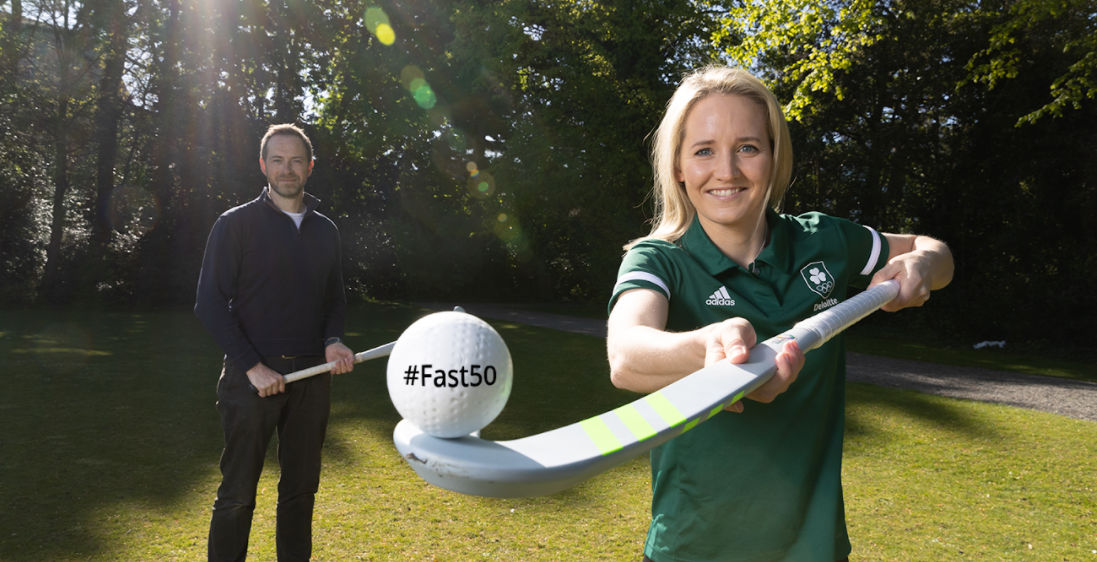
Applications now open for Deloitte 2022 Technology Fast 50 Awards

Entries are now open for the 23rd annual Deloitte Technology Fast 50 Awards. One of Ireland’s foremost technology award programmes, the awards rank Ireland’s 50 fastest-growing indigenous technology companies based on revenue growth over the last four years, celebrating innovation and entrepreneurship.

The list features both private and public listed technology companies that have demonstrated creative strategies, sound management practices and marketplace vision, driving them to achieve the status of high-growth leaders.

Speaking at the launch of this year’s programme David Shanahan, Partner and Fast 50 Programme Lead at Deloitte said: “The Irish technology sector continues to prove that Irish-owned companies have great resilience and tenacity despite the new challenges 2022 has presented. We’re seeing growth across a broad range of sectors as a result, in evolving consumer and businesses demands – including Greentech, sustainability, fintech, cybersecurity, and med tech to name a few. Our annual Fast 50 Awards showcases the innovation and growth of businesses making their mark in their sector, and we look forward to reviewing this year’s entries.”

This year’s awards programme will include several award categories in addition to the overall ranking:

  • Innovative New Technology Award in association with Google: This award recognises a company that has created or introduced a new or innovative product or service to international markets, which helped grow their business over the last four years.
  • Impact Award in association with Meta: This award recognises a company that has made a significant impact within the current year.
  • Women in Technology Advocate Award in association with Indeed: This award will be presented to an individual who has demonstrated through their actions that they are an advocate for increasing participation by, and promotion of, women in the technology sector.
  • Scale Up Award in association with Scale Ireland: This award recognises a company that has demonstrated an impressive ability to scale up/expand overseas over the last four years.
  • Alumni Award: Deloitte will also be acknowledging its long list of Fast 50 Alumni in this category.

Last year five of the top 10 companies in the Fast 50 ranking were first-time entrants to the programme, and LetsGetChecked – which provides direct access to health insights, at-home diagnostics, virtual care and pharmacy for a wide range of health conditions to people in their own home – took the top spot. Cumulatively, the 2021 Fast 50 winners generated approximately €1 billion in total annual revenues and employed over 16,000 in 2020. The average growth rate of the companies over the last four years was over 700%.

Full details on criteria and how to enter are available at www.fast50.ie.


Large numbers of millennial and Gen Z workers in Ireland plan to quit jobs and seek new roles in the next two years

A Deloitte Ireland survey released today has found that Gen Z and millennials are concerned about an economic downturn but desire a better work/life balance, and want more flexible working arrangements than they currently have.

The post pandemic ‘Great Resignation’ theme is being witnessed as a global trend, and is also permeating Irish workplaces. Less stress, better career advancement opportunities and more attractive conditions like hybrid and remote working, are driving employees to leave organisations that do not support these needs. Businesses also recognise the challenge with CEOs ranking labour and skills shortage as the number one external issue expected to influence or disrupt their business strategy in the next 12 months, according another recent Deloitte survey of global CEOs.

The Irish participants who took part in the Millennial and Gen Z global study of over 45 countries, responded that they are more willing than ever to leave for fresh opportunities. They are seeking options to provide them with better salary/reward, work life balance, higher flexibility and opportunity offered by employers, and, to a lesser extent, organisations focused on climate change. In the wake of the pandemic, many started to reassess what is important to them and to make decisions based on this reassessment. This makes for an interesting employment climate – full of risk but also full of opportunities.

Gary Notley, Director for Human Capital, Deloitte Ireland said: “The top trend that stood out in the Irish context in this survey is a strong desire and decisiveness around a better work/life balance. The fact that one-in-four of the millennials surveyed have already left their roles due to burnout – no doubt exacerbated by the demands and stresses of the pandemic – shows that this is area employers really need to address and focus on, if they are to retain talent. While Ireland did experience the ‘Great Resignation’, there is however an opportunity to redefine it to the ‘Great Reimagination’. Organisations can recover and thrive by reflecting, revisiting, and reinventing work to better leverage technology, harness the power of workforce, and reimagine the workplace.

“One in two millennials and one in three of Gen Zs said that better work/life balance is the main consideration when looking at an organisation’s offering in 2022.  This correlates with the second trend around mental health. Globally and in Ireland, Gen Z employees have been most affected by anxiety, stress and mental health issues over 2021 and 2022.  

“The concern around the cost of living is much higher in Ireland when compared with global figures, with 55% of Irish millennials citing the cost of living as being their number one greatest concern, in comparison to 36% globally. The fact that three in ten of the Gen Z generation also do part-time work to supplement their income, really underpins this critical issue.

“Climate change is also a key concern with three quarters of both cohorts in Ireland agreeing that the world is at a tipping point in responding to climate change. Concern about this is becoming increasingly pivotal in the decision-making processes of those in their 20s, 30s and 40s,” Notley concluded.

Work/Life Balance and increased cost of living

In Ireland, some employees are at a breaking point – either mentally or financially. As well as cost of living concerns, most of the Gen Zs (75%) and millennials (77%) who took part in the survey prefer hybrid or fully remote work, but less than half currently have the option to do so.

This presents an opportunity for employers to move closer to flexible ways of working, providing the balance so desired by today’s workforce. An additional benefit is that it expands the talent pool beyond the radius of an office location and allows people to factor in cost of living when considering staying or moving on from their current organisation.

Mental Health Factor

Nearly half of Gen Zs say they feel stressed all or most of the time. Millennial stress levels are also high but down slightly from last year. Employers are seen to be making an effort to address workplace mental health issues, with more than half of respondents saying their employer is more focused on workplace well-being and mental health, since the start of the pandemic.

However, many do not believe the increased focus has resulted in any meaningful impact on employees. Employers have an opportunity to rethink this area and impact the health and well-being of employees through assistance and wellbeing programmes, coaching and by building a culture of openness.

Climate Change

Over 90% of all Millennials and Gen Zs globally are now actively trying to impact the environment through positive choices. In Ireland almost one-in-three of both groups ranked climate change and protection of the environment as a top three concern.

Nine in ten of both groups surveyed here said they try to minimise their personal impact on the environment, but only 6% of Irish Millennials and 12% of Gen Zs believe that large companies are taking tangible actions to combat climate change. Their feelings about the Irish Government’s performance rate even more poorly with only 3% of Irish millennials and 7% of Gen Zs here agreeing that they are highly committed to climate change.

Deloitte technology, media & telecoms predictions 2022

The technology, media and telecommunications practice at Deloitte has published a raft of predictions for the sector for 2022 and beyond. The report highlights how worldwide trends in the industry may affect business and consumers.

No mid-life crisis for the games console: Market revenues will top €71.5 billion as device reaches half century

Deloitte predicts that the games console market will generate €71.5 billion in 2022, up 10% from 2021.

By the start of 2022, Deloitte predicts there will be 900 million console players worldwide. Each will bring an average €81 of revenue per gamer to the industry; comfortably more than the projected €29 per PC gamer and €44 per mobile gamer.

Overall, Deloitte forecasts that console owners will have more than 200 million multiplayer and games subscriptions in 2022. By 2025, these subscriptions will likely generate more than €9.7 billion in revenue, up from €5.8 billion in 2020.

Daryl Hanberry, Partner and Head of the Technology, Media and Telecommunications Industry Group at Deloitte Ireland, said: “2022 marks the 50th birthday of the games console with the device now a veteran of the technology industry, outlasting camcorders and CD players, among others. We saw usage of consoles spike during lockdown, with many using their devices as a way to socialise when restrictions prevented people from meeting in person. Usage has remained high as, for many gamers, leaving the game may mean disconnecting from friends.”

Wearables to run rings around other digital device purchasing: 320 million wearable devices will ship worldwide in 2022

Deloitte predicts that 320 million consumer health and wellness wearable devices will ship worldwide in 2022, rising to 440 million units by 2024.

This comes as consumers are increasingly using smartwatches and fitness trackers alongside smartphones to track their health and wellbeing. There is also an increased focus on mental health and wellbeing and it’s predicted that global spending on mobile mental health applications will reach close to €440 million in 2022.

According to Deloitte’s Digital Consumer Trends research published earlier this year, smart watches saw the biggest increase in ownership out of any technology in Ireland in 2021: 24% have access to a smartwatch, up from 16% in 2020. Of those that own a smartwatch, 69% of people use them daily.

Suzanne McDonald, Head of Healthcare, Deloitte Ireland said: “The most common uses of wearable devices have been to help people get fit and beat their personal best or indeed compete with friends and colleagues on step count. But increasingly people are using these devices to monitor their health proactively, and the pandemic has accelerated that with 13% of those that own a smartwatch in Ireland using it to do so. However, data privacy remains a hurdle so it’s critical that companies integrate cybersecurity into every aspect of their product and business line. As usage of the devices continues to grow, we’ll likely see big investments in wearable device innovation in the few years ahead. As there is a particular focus on care in the community under the Sláintecare programme we can see multiple use cases for wearable devices in maintaining wellbeing and also in monitoring and managing a variety of health conditions.”

Smartphones will generate 146 million tons of CO2 or equivalent emissions (CO2e) globally in 2022

Deloitte predicts that smartphones will generate 146 million tons of CO2 or equivalent emissions (CO2e) globally in 2022.

The bulk of these emissions, 83% of the total, will come from the manufacturing, shipping, and first-year usage of the 1.4 billion new smartphones forecast to be sold in 2022. Usage-related emissions from the other 3.1 billion smartphones in use during 2022 will generate an additional 11%, and the remainder will come from refurbishing existing smartphones (4%) and end-of-life processes (1%), including recycling.

Deloitte’s analysis highlights that the single biggest factor that could reduce a smartphone’s carbon footprint is to extend its expected lifetime, with consumers keeping their handsets for longer.

Laura Wadding, Partner Risk Advisory and Sustainability Market Lead, Deloitte Ireland, adds: “With sustainability now firmly on the boardroom agenda, businesses across all sectors are striving to understand the impact of their industry and products on their carbon footprint. The smartphone industry will need to balance product innovation with educating consumers on how best to recycle and prolong use of current and old devices.”

Streaming platforms challenged to stop subscribers hitting the buffers: Deloitte predicts at least 150 million subscriptions will be cancelled in 2022

Deloitte predicts that in 2022 at least 150 million paid subscriptions to subscription video-on-demand services (SVOD) will be cancelled worldwide, with churn rates of up to 30% per market.

However, overall, more subscriptions will be added than cancelled as the average number of subscriptions per person will rise. In markets with the highest churn, many of those cancelling may resubscribe to a service that they had previously left.

Daryl Hanberry, Technology, Media & Telecommunications Industry Leader, Deloitte Ireland concludes: “Following blockbuster growth during the pandemic, the growth in new SVOD households is likely to slow across Ireland, the US and broader Europe. SVOD providers will use various plays to make their subscribers stay. They can team up with telcos to offer discounted bundles; they could offer additional types of content, from podcasts to mobile games; and they can release episodes of the most valued tentpole content weekly.”

VC firms to supersize chip start-up investment in 2022: More than €5.2 billion to be invested in semiconductor start-ups

Deloitte predicts that VC firms globally will invest more than €5.2 billion in semiconductor start-up companies in 2022, more than three times larger than it was every year between 2000 and 2016, although a slight decrease on investments estimated to have been made into semiconductor start-ups in 2021 (€7 billion).

Deloitte predicts that while the semiconductor shortage will endure throughout 2022, it will be less severe than in the last 16 months, and it will not affect all chips.

While in mid-2021, customers had been waiting between 20–52 weeks for multiple types of semiconductors, causing manufacturing delays or shutdowns, by the end of 2022 lead times will be closer to 10–20 weeks and to reach equilibrium by early 2023.

Peter Glynn, Partner Enterprise Technology and Performance, Deloitte Ireland said: “Rising demand for chips across almost every industry – from data centres, to auto, to healthcare – has led to this lengthy chip shortage, which has been further exacerbated by the pandemic. However, the end is on the horizon, with fresh investment in manufacturing capacity from chipmakers and governments helping to meet demand by 2023. The EU also recently announced the European Chips Act setting out a new framework to help EU countries develop a strong semiconductor industry to promote a resilient supply chain. Irish companies have a real opportunity to seize the opportunity and be part of the global chip shortage solution.”

Women in the tech industry: Gaining ground, but facing new headwinds

Technology companies will continue to close the gender gap in the years ahead and Deloitte predicts that large global technology firms, on average, will reach nearly 33% overall female representation in their workforces in 2022, an increase of 2% on 2019. The proportion of women in technical roles will also move upwards to 25%, but still lags the overall proportion of women in tech companies.

Drawing on lessons from the pandemic, companies should embrace truly flexible working models, to expand the available pool of diverse talent as well as continue to invest in STEM education creating a pipeline of talent. While it may take many years of sustained effort, some companies are aiming to attract and retain women through initiatives like ‘returnship’ programmes, providing training and mentorship to women resuming their careers after a pause.

Caroline O’Driscoll, Technology, Media & Telecommunications Tax leader at Deloitte Ireland said: “While this progress is a step in the right direction, it is clear that we need to continue to invest in the STEM pipeline to ensure that the most diverse talent pool is available. Furthermore, tech companies need to continue to prioritise gender balance in the workplace. Identifying a responsible executive to commit to a holistic diversity, equity and inclusion strategy which is embedded in the business is essential to achieve gender equity, while also holding themselves accountable through metrics, results reporting and tracking progress. Only then can companies take stock of what is and isn’t working and make improvements.”

NFTs for sports media to generate more than €1.7 billion in transactions in 2022

Deloitte predicts that non-fungible tokens (NFTs), unique digital identifiers that use blockchain to record ownership of an asset, will generate more than €1.7 billion in transactions for sports media in 2022, about double the value of NFT transactions for sports media in 2021.

Deloitte also predicts that between four and five million sports fans globally will purchase or receive an NFT sports collectible as a gift in 2022.

Daryl Hanberry, Partner and Head of the Technology, Media and Telecommunications Industry Group at Deloitte Ireland, said: “The 2021–2022 season could be the first in which NFTs start to make a major mark from a revenue perspective and by 2023 it is likely that most major football leagues in Europe will have launched multiple NFT related products. Locally we’ve seen the GAA enter the world of NFTs just last week, becoming the first Irish sports brand or rights holder to issue crypto content. NFTs have added rarity to sporting moments and, in the future, every game of every season could generate a new matchday moment solely available to the highest bidder via an NFT.”

AI and managing sensitive data

Deloitte predicts that there will be a great deal of discussion around regulating artificial intelligence (AI) more systemically, with several proposals being made – although enacting them into enforced regulation will likely not happen until 2023 or beyond.

David Kinsella, Partner, Risk Advisory, Deloitte Ireland, said: “We’ve seen detailed proposals from the EU on the regulation of AI as the technology becomes even more affordable and available to companies. Some jurisdictions are even looking at banning facial recognition. There are a range of concerns with the technology from fairness and discrimination to privacy and control. However, there are huge opportunities with AI and the next two years will be instrumental in forging the future of the technology across industries as regulation sets to increase.”

About TMT Predictions 2022

Deloitte’s annual TMT Predictions report provides an outlook on technology, media and telecommunications trends that may disrupt and transform the business and consumer ecosystems worldwide. Visit 2022 TMT Predictions | Deloitte Insights to learn more.

Applications now open for Deloitte 2021 Technology #Fast50 Awards

This year’s ranking will reflect the technology sector’s unique role in responding to the pandemic

Entries are now open for the 22nd annual Deloitte Technology Fast 50 Awards. One of Ireland’s foremost technology award programmes, the awards rank Ireland’s 50 fastest-growing indigenous technology companies based on revenue growth over the last four years, celebrating innovation and entrepreneurship.

Last year six of the top 10 companies in the ranking were first-time entrants to the programme, including Cork company Everseen, which took the top spot. Cumulatively, the 2020 Fast 50 winners generated approximately €3.3 billion in total annual revenues and employed over 4,600 people in 2019. The average growth rate of the companies over the last four years was over 400%.

Speaking at the launch of this year’s programme David Shanahan, Partner and Fast 50 Programme Lead at Deloitte said: “Technology has pervaded every part of our lives over the past 18 months, providing huge opportunities for Irish technology companies. This year’s Fast 50 ranking will be a strong benchmark of how the indigenous industry has performed.

“It is hugely encouraging to be talking about growth in the technology industry amidst a global pandemic. There are a number of sectors that we expect to emerge as having had particularly strong growth over the course of the last year due to their unique role in the pandemic response, including greentech and sustainability, cybersecurity, online retail, e-learning, remote working, medtech and sports tech, to name a few.

“Ireland’s reputation as a tech hub is no longer only about the multinational tech companies that have chosen to locate here; it’s also about the Irish-owned companies that are having a significant impact, locally and globally. Ultimately the Fast 50 programme highlights the importance of recognising and celebrating companies who are driving their businesses forward, and the importance of innovation in allowing companies to adapt and keep growing.”

This year’s awards programme will include a number of award categories in addition to the overall ranking. These include:

  • Innovative New Technology Award in association with Google: This award is for a company that has created or introduced a new or innovative product or service to international markets that has helped grow their business over the last four years.
  • Impact Award in association with Facebook: This award is for a company that has made a significant impact within the current year.
  • Women in Technology Advocate Award in association with Vodafone: This award will be given to someone who has demonstrated through their actions that they are an advocate for increasing participation by and promotion of women in the technology sector.
  • Scale Up Award in association with Scale Ireland: This award is for a company that has demonstrated an impressive ability to scale up/expand overseas over the last four years.
  • Alumni Award: Deloitte will also be acknowledging its long list of Fast 50 Alumni in the Alumni Award category.

The Deloitte Technology Fast 50 ranking features both private and public listed technology companies that have demonstrated innovative strategies, sound management practices and marketplace vision, driving them to achieve the status of high-growth leaders. Full details on criteria and how to enter are available at www.fast50.ie.

The closing date for entries is 12 November 2021 and the winners will be announced at a virtual awards ceremony on 8 December 2021.

Tech Trends 2020 – Human Experience Platforms, Disruptive Architecture, and Trust Are Redefining the Enterprise

The convergence of enterprise technology trends will continue to profoundly transform all businesses and unlock potential for innovation, Deloitte’s 2020 Tech Trends report reveals.

The 11th annual report on technology trends captures the intersection of digital technologies, human experiences, and increasingly sophisticated analytics and artificial intelligence technologies in the modern enterprise. The report explores digital twins, the new role technology architects play in business outcomes, and affective computing-driven “human experience platforms” that are redefining the way humans and machines interact. Tech Trends 2020 also shares key insights and prescriptive advice for business and technology leaders so they can better understand what technologies will disrupt their businesses during the next 18 – 24 months.

“Technology is the number-one differentiator for businesses today and that will only accelerate in the years to come as even more powerful innovations take hold,” said Simon Murphy, Business Operations Partner Lead for Deloitte Ireland and Deloitte North South Europe. “The most successful businesses today are combining cutting-edge technologies like machine learning and IoT with disruptive IT architecture and supercharged talent to create entirely new ways of working – and they already see the benefits.”

And with organisations needing to adapt and respond quickly to ongoing technology disruption, Deloitte expects to see more IT and finance leaders working together to develop new flexible approaches for funding innovation in a way that allows the organisation to be agile.

The report’s five trends of focus for 2020 include:

  • Digital Twins – Bridging the physical and digital: As digital twin technology allows businesses to create increasingly sophisticated virtual models to optimise processes, products, and services, organisations will integrate IoT, machine learning, advanced computing infrastructure, and more to unlock entirely new business models.
  • Architecture Awakens: Systems architecture will become a strategic priority as organisations redefine the architect role to be more nimble, responsive, and collaborative. Architects will work across the business and work creatively with non-technical project teams – forming a competitive differentiator in the digital economy.
  • Ethical Technology and Trust: Organisations in every geography are realising that their embrace of technology is an opportunity to gain – or lose – trust, and with it, customers’ business and brand loyalty. CIOs will emphasise ethical tech in the coming years – and create processes to help solve ethical dilemmas related to disruptive technologies.
  • Human Experience Platforms: To address the lack of connection humans often experience with daily digital interactions, a growing number of organisations are injecting emotional intelligence into their systems. These include AI capabilities such as machine learning and voice and facial recognition, which can better detect and appropriately respond to human emotions. The net result is emotionally intelligent human experiences that leverage connections between people, systems, data, and products.
  • Finance and the Future of IT: As enterprises become more agile, financial operations will need to support new modes of working. That means CIOs and CFOs will need to explore how a new, flexible approach to enterprise finance¾across budgeting, contracting, capital planning, and more¾can redefine the future of tech innovation.

The report also provides a view of 11 years of tracking the trends with insight into how trends evolve into table stakes over time, an update on the symbiotic benefits derived from the macro technology forces that serve as the foundation for business transformation, and a look at “what’s next” beyond the near term.

“Technology is constantly in motion. Executives should take tomorrow’s cues from today’s trends. ‘Horizon next’ technologies are evolving out of today’s core trends, sometimes in unexpected ways, giving rise to new opportunities,” said Murphy.

“The trends of 2020 will disrupt entire industries and redefine business as we know it in the next decade, even as digital innovation becomes the norm for organisations of all sizes,” added Murphy. “Some of these trends may not come to fruition exactly as envisioned, but the technologies underpinning them will fundamentally change the way we work.”