Ringke Google Pixel 10a cases and lens protector review

It is Pixel time of the year with the new Google PIxel 10a and Ringke again has us covered pun intended with their new rangoe of case for the all new Google Pixel 10 and there is plenty to pick from with several styles and colors there is something for everyone not only that Ringke have more than just cases on offer this time but they have screen protection and also lens protection.

With all of Ringkes cases you are sure to protect your phone from all sides and stops you having to fork out on an expensive screen if dropped, from their well known fusion and onyx range and other ranges we also get Magnets built in as Google has left out PixelSnap case to date and you can now use like the Pixel 10/Pro/XL range and use your accessories which is great.

Check out the hands-on review down below for a look at what Ringke has to offer.


Google Pixel 10a Case | Fusion Magnetic

Features

  • Minimalist magnetic clear case for Google Pixel 10a

  • Compatible with MagSafe chargers and accessories

  • Hybrid case made of polycarbonate back and TPU frames

  • Lightweight design with a slim, comfortable hold

  • Built-in strap holes to attach straps and other accessories

BUY


Google Pixel 10a Case | Onyx

  • Slim and protective TPU case for Google Pixel 10a

  • Fingerprint-resistant, soft granulate texture finish

  • Micro-dot embossing on sides for an anti-slip grip

  • Built-in strap holes to attach straps and other accessories

  • Supports wireless charging and NFC functions

BUY

Google Pixel 10a Case | Onyx Magnetic

  • Protective & slim magnetic TPU case for Google Pixel 10a

  • Fingerprint-resistant, soft granulate texture finish

  • Micro-dot embossing on sides for an anti-slip grip

  • Built-in strap holes to attach straps and other accessories

  • Compatible with MagSafe chargers and accessories

BUY


Other Ringke reviews

Video Review

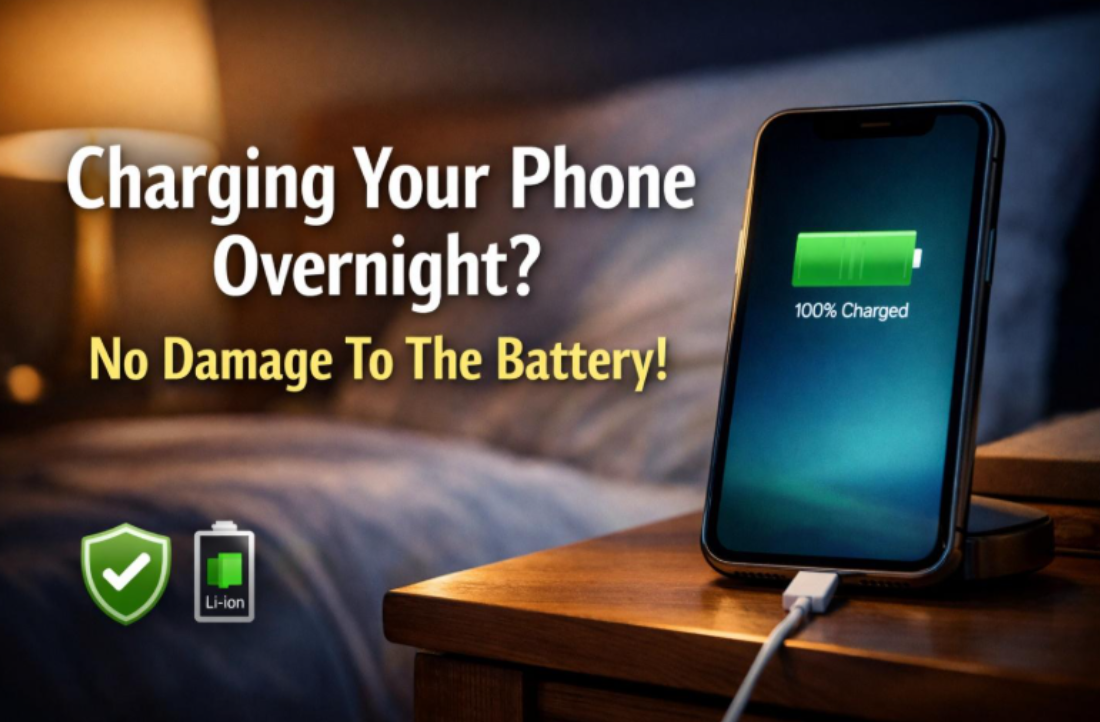
Why Leaving Your Phone Charging Overnight Does Not Affect Its Battery

Many smartphone users worry that leaving their phone charging overnight will damage the battery. You’ve probably heard advice like “never charge past 80%” or “unplug immediately at 100%.” While those tips once applied to older battery technologies, modern smartphones are far more advanced.

In reality, leaving your phone charging overnight does not significantly affect its battery health—at least not in the way most people fear. 

Meanwhile if you are on the lookout for a platform where you can enjoy Perya online, play Peryagame on GameZone!

Understanding How Modern Smartphone Batteries Work

Most smartphones today use lithium-ion (Li-ion) or lithium-polymer (Li-Po) batteries. These batteries are designed with:

  • Built-in protection circuits
  • Smart charging controllers
  • Temperature monitoring systems
  • Power management chips

Unlike older nickel-based batteries, lithium-ion batteries do not suffer from memory effect, which means they don’t need to be fully drained before charging.

Once your phone reaches 100%, it does not continue aggressively charging. Instead, the system switches to what’s called trickle charging or maintenance charging.

This means your phone:

  1. Charges to 100%
  2. Stops charging
  3. Slightly discharges to around 99%
  4. Tops back up when needed

This cycle is controlled automatically and safely.

Why Overnight Charging Is Safe

  1. Smart Charging Technology Prevents Overcharging

One of the biggest myths about charging your phone overnight is the fear of “overcharging.”

Modern smartphones cannot overcharge. When the battery hits full capacity, the charging circuit shuts off the incoming current. The phone then runs directly from the power source instead of the battery.

Manufacturers like Apple, Samsung, and other major brands design devices specifically to prevent overcharging damage.

  1. Optimized Battery Charging Features

Many smartphones now include optimized battery charging features.

For example:

  • The phone learns your daily charging habits.
  • It pauses charging at around 80%.
  • It completes charging to 100% just before you typically wake up.

This reduces the amount of time the battery stays at full charge, which can slightly reduce long-term chemical aging.

If you charge overnight, your phone is likely already managing this process intelligently in the background.

  1. Heat Is the Real Enemy—Not Time on the Charger

If there is one factor that affects battery health, it’s heat, not overnight charging itself.

Lithium-ion batteries degrade faster when exposed to:

  • High temperatures
  • Direct sunlight
  • Poor ventilation while charging
  • Cheap or incompatible chargers

If your phone stays cool while charging overnight, there is minimal risk of battery damage.

To avoid heat-related issues:

  • Use original or certified chargers.
  • Avoid placing the phone under pillows or blankets.
  • Charge on a flat, ventilated surface.

The issue isn’t charging overnight—it’s overheating overnight.

What Actually Affects Battery Health

To understand why overnight charging is generally safe, it helps to know what truly impacts battery lifespan.

  1. Charge Cycles

Battery health declines over time due to charge cycles, not because of how long you leave it plugged in.

One full charge cycle equals using 100% of your battery’s capacity—not necessarily all at once.

For example:

  • Using 50% today and 50% tomorrow = 1 full cycle.

Most modern smartphone batteries are rated for 300–500 full charge cycles before noticeable capacity loss.

Charging overnight does not add extra cycles unless you are constantly draining and recharging large amounts.

  1. Extreme Battery Levels

Frequently draining your battery to 0% or keeping it at 100% for extended periods can contribute to gradual chemical wear.

However, this effect is minimal in normal daily use. Manufacturers design batteries expecting real-world usage patterns—including overnight charging.

  1. Poor Quality Chargers

Using low-quality or counterfeit chargers can:

  • Cause voltage fluctuations
  • Generate excess heat
  • Damage battery components

If you use a reliable charger, overnight charging is not a problem.

The Myth of “100% Is Bad for Your Battery”

It’s true that lithium-ion batteries experience slightly more stress at 100% compared to mid-level charges (around 40–80%). However, the stress is very small in practical terms.

Modern battery management systems reduce voltage once 100% is reached, minimizing chemical strain.

Unless you plan to keep your phone for 5–7 years without replacement, the difference in battery lifespan is typically negligible.

Most users replace their phones before battery degradation becomes severe.

When Overnight Charging Could Be a Problem

Although generally safe, there are rare scenarios where overnight charging might cause issues:

  • Using a damaged battery
  • Charging in extreme heat
  • Using non-certified chargers
  • Charging under bedding (heat buildup)

In these cases, the problem isn’t overnight charging itself—it’s unsafe charging conditions.

Expert Recommendations for Battery Longevity

If you want to maximize battery life while still charging overnight, here are practical tips:

  1. Enable optimized battery charging if available.
  2. Avoid letting your battery drop to 0% regularly.
  3. Keep your phone cool while charging.
  4. Use manufacturer-approved chargers.
  5. Remove thick cases if your phone tends to overheat.

Following these steps matters far more than unplugging at midnight.

The Psychological Factor: Why the Myth Persists

The belief that leaving your phone charging overnight damages the battery likely comes from:

  • Old nickel-cadmium battery behavior
  • Early smartphone battery limitations
  • General fear of electricity and overheating

Battery technology has evolved dramatically. Modern smartphones are built to manage power intelligently without user intervention.

Manufacturers expect users to charge overnight. In fact, many devices are optimized specifically for that habit.

Does Charging Overnight Reduce Battery Lifespan at All?

Technically, any time a battery is charged, it contributes to long-term wear. However, the difference between charging overnight and unplugging immediately at 100% is extremely small in real-world use.

Battery degradation happens gradually over years due to:

  • Normal chemical aging
  • Charge cycles
  • Environmental conditions

Overnight charging alone is not a significant factor.

Final Verdict: Should You Stop Charging Overnight?

No—you do not need to stop charging your phone overnight.

Modern smartphones are designed with:

  • Overcharge protection
  • Smart battery management
  • Thermal monitoring
  • Adaptive charging features

As long as you use quality chargers and avoid excessive heat, overnight charging is safe and convenient.

If your goal is maximum battery longevity, focus on:

  • Avoiding extreme temperatures
  • Using reliable charging equipment
  • Keeping your software updated

Not on waking up at 2 AM to unplug your phone.

Key Takeaway

Leaving your phone charging overnight does not significantly affect its battery health in modern devices. The real threats to battery lifespan are heat, poor-quality chargers, and excessive charge cycles—not simply being plugged in overnight.

Technology has advanced to the point where your smartphone is smarter about charging than most of us are.

So go ahead—charge your phone overnight, sleep peacefully, and let smart battery management do its job.

Apple adds six new Zens chargers for the holiday season

Zens, the market leader in wireless charging, strengthens its partnership with Apple this holiday season with six new products. Building on the success of the Quattro Charger Pro 4 and 4-1 Wireless Charger, Zens continues to combine innovation, design, and ease of use in a way that resonates with Apple users worldwide.

In close collaboration with Apple, Zens introduces two innovative Charging Cables and a next-generation Magnetic Nightstand Charger, available globally via Apple and on zens.tech.

“We’re proud to expand our collaboration with Apple and introduce a gift collection that’s interesting for a broad audience,” says Johan Plasmans, CEO of Zens. “These are everyday practical essentials: beautifully designed, and made to fit right into the Apple experience. With a price range between €50 and €100, and available in clean white/silver or dark cherry, there’s something for everyone this holiday season.”

The gift collection includes:

Zens Charging Cable USB-C-C Pro 2: Designed to power your MacBook or iPad via USB-C while wirelessly charging your iPhone or AirPods at the same time. Ideal for daily use and a great gift for multitaskers who want fewer cables and more freedom.
Zens Charging Cable USB-C-C Pro 3: Foldable, compact, and travel-ready, this cable charges your MacBook or iPad via USB-C, iPhone or AirPods, and Apple Watch simultaneously. Made for Apple users who have it all.
Zens Magnetic Nightstand Charger: Next-generation bedside essential. With USB-C, braided cable and Apple StandBy support, it turns your iPhone into a smart alarm clock. A perfect gift for anyone with an iPhone 12 or newer.

All products are available from today via apple.com, in select Apple Stores worldwide, and as a pre-order on zens.tech (shipping end of November).

See our zens reviews 


Breaking Down the Different Types of EV Chargers

Electric vehicles (EVs) are rapidly becoming part of everyday transportation. As more drivers consider making the switch, understanding how these vehicles are charged is a key part of the transition. EV chargers come in several forms, each with different technical specifications and use cases. Whether at home, work, or on the road, charging infrastructure plays a crucial role in the practical usability of electric cars.

Knowing which charger fits a particular scenario can help owners save time, manage energy costs, and improve their driving experience. While the differences between charger types may appear technical at first glance, a closer look reveals practical distinctions that influence charging speed, convenience, and compatibility. From basic residential units to powerful public charging stations, each type offers a unique approach to keeping an electric car ready for the road.

A Starting Point for Home Use

Level 1 chargers are the simplest and most accessible charging solution available. These use a standard household outlet, typically delivering around 120 volts. For drivers who don’t travel long distances each day, Level 1 charging can be sufficient. This method usually adds about 3 to 5 miles of range per hour, which works well for overnight charging.

Although the charging rate is slow, there are benefits to this low-voltage system. It requires no additional installation, making it cost-effective and easy to begin using immediately after purchasing a vehicle. Many automakers include a Level 1 charger with the vehicle. While it’s not suitable for everyone, especially those with longer commutes or irregular schedules, it provides a reliable backup or secondary charging option.

Common in Homes and Public Spaces

Level 2 chargers operate on a 240-volt power source and offer a significant improvement in speed over Level 1 options. These chargers are often installed in residential garages or at commercial properties where vehicles remain parked for longer periods. Charging speeds vary depending on the amperage and can generally range from 15 to 30 miles of range per hour.

Installation of a Level 2 unit often requires a dedicated circuit and professional electrical work. Many homeowners opt to upgrade their setup to enjoy faster charging at home. These chargers appear in public parking areas, office complexes, and shopping centers. Their balance of speed and accessibility makes them an ideal choice for daily use and supports the driving patterns of a wide range of users.

Charging Networks and Public Infrastructure

Public charging stations offer convenience to those who drive long distances or do not have access to home charging. These networks are expanding rapidly to keep pace with EV adoption. Charging stations vary widely in terms of power delivery, availability, and access. Some are part of subscription-based networks, while others are pay-as-you-go or free to use.

Retailers, municipalities, and highway service areas are integrating charging infrastructure to support travelers. In urban areas, public chargers are essential for residents who park on the street or in shared facilities. The availability of public charging stations can influence where people choose to live, shop, and work, making their placement an increasingly strategic consideration for city planners and businesses alike.

Fast Charging and the Role of DC Technology

Fast charging is essential for drivers who need to get back on the road quickly. Unlike Level 1 and Level 2 systems, which rely on alternating current (AC), fast chargers use direct current (DC) to send power directly to the battery. This reduces the time needed for a substantial recharge. DC fast chargers are most commonly found along highways and at major transportation hubs.

The speed of a fast charger depends on the vehicle’s capacity and the charger’s output, but it can often provide an 80 percent charge in less than 30 minutes. That makes them ideal for road trips or busy drivers who can’t leave their car plugged in for hours. Many electric vehicle manufacturers and third-party providers are investing in these systems to reduce range anxiety and make EVs a more practical choice for every type of driver. In many modern networks, the level 3 DC fast charger plays a central role, capable of delivering power at a rate much higher than other systems. Positioned strategically along travel corridors and within high-traffic areas, these chargers allow electric vehicle users to plan longer journeys with confidence. While not typically used for daily home charging, their speed and efficiency make them a necessary part of the broader charging ecosystem.


Compatibility and Connector Types

Compatibility between vehicles and chargers depends on connector types and onboard charging capacity. Most EVs in North America use the SAE J1772 connector for Level 1 and Level 2 charging. Tesla vehicles have proprietary connectors and offer adapters for other systems. For DC fast charging, common connector standards include CHAdeMO, CCS (Combined Charging System), and Tesla’s Supercharger plug.

The type of connector affects where and how a driver can charge. Newer vehicles tend to support faster charging and come with more flexible options. Understanding these variations can prevent confusion and save time, especially when using public charging stations. Some apps and navigation systems include filter tools that show compatible chargers based on the car model, simplifying the experience.

Smart Chargers and Energy Management

Advancements in charging technology are introducing smarter energy use. Many Level 2 chargers now come equipped with Wi-Fi or Bluetooth connectivity, allowing users to schedule charging during off-peak hours or monitor progress remotely. These features offer cost-saving opportunities by taking advantage of lower electricity rates.

Utilities in some regions offer incentives for smart charger installation, recognizing their value in managing grid demand. Businesses and property managers benefit from monitoring tools, which provide insights into charger usage, energy consumption, and maintenance needs. These upgrades support a more efficient use of resources and prepare infrastructure for a growing EV population.

A thorough understanding of EV charging options helps drivers make informed decisions based on their routines and needs. From the simplicity of Level 1 systems to the high-speed capabilities of Level 3 fast chargers, each solution plays a part in supporting electric mobility. As the industry continues to grow, improvements in convenience, compatibility, and infrastructure will guide the way forward for both new and experienced EV owners.

Zens introduces copper/white wireless chargers: a perfect blend of innovation and style

Zens, the leader in wireless charging solutions, is excited to unveil its latest limited edition collection, inspired by trends in interior design. The collection features a stylish white and copper finish, with copper reflecting the material of the wireless charging coil.

Two popular products are available in this exclusive copper/white edition: the Magnetic Nightstand Charger, designed specifically for iPhone 12 and newer models, and the Nightstand Charger Pro 2, which allows simultaneous charging of both an iPhone and an Apple Watch. These sleek chargers combine functionality with style, replacing outdated alarm clocks and blending effortlessly into any decor.

“These colorful products are designed to make a statement in any bedroom,” says Johan Plasmans, CEO of Zens. “With a minimalist look and feel, they meet the growing demand for products that match light, modern interiors. In 2024, people are looking for a peaceful, distraction-free bedroom to recharge. Our chargers blend perfectly into these tranquil spaces, offering fewer cables and less clutter for a better night’s rest.”

Both chargers are fully compatible with Apple’s StandBy Mode, transforming an iPhone into a personalized display while charging. Whether you’re checking the time, weather forecast, viewing photos, or customizing the display colors to match your interior, Zens chargers seamlessly blend functionality with style.

The Magnetic Nightstand Charger (€49,99) and Nightstand Charger Pro 2 (€99,99) in copper/white are now available in limited quantities.


Meet the AirB&B of EV charging – Plugable lets people rent out their EV chargers in Manchester and Liverpool

Plugable, the community-driven technology platform that unlocks access to the UK’s vast network of private EV chargers, is launching its EV charger sharing pilot in Northwest UK. The pilot, starting in June, follows a successful launch in Ireland and aims to make EV charging more reliable and affordable for EV drivers without private home chargers.

Plugable allows EV drivers to book affordable and reliable charging slots at local hosts’ homes, or destination chargers at private business, offering a reliable and convenient alternative to complement public charging infrastructure. Despite a 30% increase in public EV charging stations in the UK, the majority of the 60,000 public charge points are concentrated in Southeast England, creating regional disparities. In contrast, an estimated 700,000 private charge points across the country remain largely untapped. Plugable is making this extensive network more accessible, helping more people during the switch to electric vehicles.

Maebh Reynolds, Founder and CEO of Plugable, said “Plugable is on a mission to provide access to the UK’s largest EV charging network by 2025, making charging accessible for everyone, everywhere. Our peer-to-peer network is coming to the UK to allow hosts to maximise the utilisation of their home chargers, earning passive income and supporting the wider EV community. By democratising access to EV charging, we aim to accelerate the transition to electric vehicles.”

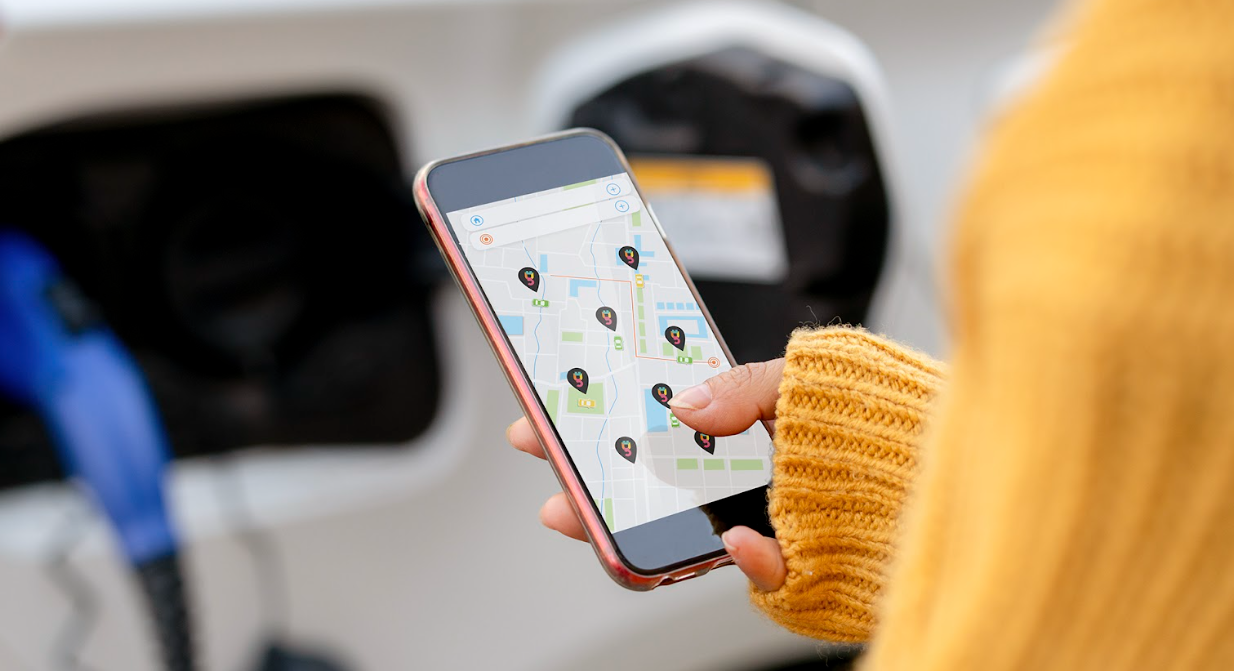
Through the Plugable app, users can find nearby EV chargers, book a convenient time slot, and enjoy lower rates compared to public chargers. Hosts set their own prices and availability, enabling them to earn passive income from their home charger when it’s not in use whilst supporting the EV community. Chargers and hosts signing up to the trial will receive a £25 bonus credit.

To participate in the trial, users in Manchester, Liverpool,Warrington, Wigan and Bolton are invited to download the free Plugable app and follow the instructions to take part. Pilot participants will then be asked to provide feedback via a survey to influence future improvements for the Plugable community.

Founded by Maebh Reynolds, Plugable was inspired by the experience of switching to an EV and facing charging challenges due to living in an apartment building. Harnessing her expertise in engineering and sustainability, Plugable was established to leverage idle home chargers, which are unused 80% of the time, to support the EV community during the net-zero transition.

As Plugable grows, it is set to expand its charging marketplace nationwide, including onboarding businesses, such as gyms and hotels, to join the platform and offer their destination EV chargers to the community. This expansion aims to further democratise access to EV charging.

For more information and to join the Plugable community, visit Plugable’s website or download the Plugable app.

www.goplugable.com

Download the Plugable app for iOS

Download the Plugable app for Android

Circle K launches own brand range of EV chargers

Circle K, Ireland’s largest forecourt and convenience retailer, has announced it is launching a new range of own brand electric vehicle (EV) chargers across its network over the next two years. Circle K will invest a total of €7 million to install EV chargers at over 30 Circle K forecourts across Ireland by 2025.

This investment enhances Circle K’s existing network of EV chargers, which is already the most extensive across the Irish forecourt and convenience retail industry, through its strategic partnerships with ESB, IONITY and Tesla, with chargers located at 42 service stations.

Circle K’s first two own brand EV charge points have opened at Circle K Junction 5, M9, Rathcrogue, Co. Carlow, and Circle K Junction 14, M8, Gortore, Fermoy, Co. Cork. These first two locations will offer charging speeds of up to 300kW, with future chargers to offer 150kW, giving EV drivers the ability to easily charge their vehicles quick and conveniently.

With EVs at the heart of the Irish Government’s plans to decarbonise the transport sector, as outlined in the Electric Vehicles Charging Infrastructure Strategy 2022 – 2025, Circle K is committed to supporting this strategy through the enhancement of its own EV charging network and growing the EV charging infrastructure nationwide.

Commenting on the launch, Gordon Lawlor, Managing Director of Circle K Ireland, said: “We are delighted to be launching our new network of Circle K EV chargers, which will add to our existing EV charging offering provided through our partnerships with the ESB, IONITY and Tesla. Today’s announcement builds on our existing EV offering and confirms our ambition to support Irish motorists in their transition to electric vehicles, helping support the Government’s EV targets. We are excited to introduce our new high-speed, reliable, strategically placed charging points and look forward to welcoming customers to our locations.”

“EV is something we have been extremely focussed on for a number of years. Being part of the Circle K global network means we have access to the very latest thinking and key developments on EV charging, especially from our colleagues in Norway who are leading the way in terms of electrification. This, coupled with our expertise locally, puts us in a very strong position to support our customers. We intend to use this expertise in the years ahead to continue adding chargers to our network.”

Jonathan Diver, Senior Director Fuels at Circle K Ireland, commented: “We understand the Government’s goal is to reduce carbon emissions by 50% by 2030 and we’re committed to developing our business to support this, with EV playing a key role in achieving this target. We believe we have an important role to play in ensuring a smooth transition to EV usage in this country and plan to roll out a strategic network of EV chargers over the next seven years across Ireland.”

Speaking at the launch of Circle K’s new own brand EV chargers, Minister for the Environment, Climate and Communications and Minister for Transport, Eamon Ryan TD said: “It is great to be here at the launch of Circle K’s new network of EV chargers. Ensuring motorists have easy access to charging facilities across the country will play a key role in our transition away from internal combustion engine vehicles. Today’s announcement will support the Government’s goal of rapidly increasing the number of publicly accessible chargers across Ireland and will help to give even more motorists the confidence to make the switch to an electric vehicle.”

Broadcaster Richie Sadlier was at Circle K Junction 5 M9 to officially launch Circle Ks own range of EV chargers. Richie concluded: “I’m delighted to be at Circle K Junction 5 M9, Rathcrogue today to celebrate the launch of Circle K’s own range of EV chargers. I’ll be on the road covering football matches and school talks in the coming months, so it’s great to know that EV chargers are conveniently located at Circle Ks around the country”.

Open 7 days a week and with some facilities open 24 hours, Circle K is a safe and convenient place to charge, offering motorists a large and varied offer of fresh food, beverages and snacks to enjoy while charging their car, as well as toilet facilities and free WiFi.

To locate Circle K’s EV chargers, you can visit Find a Circle K Petrol Station in Ireland | Circle K