Temporary Doctor Placements: A Key to Sustainable Healthcare Delivery

People face several challenges when it comes to getting medical care. Cost is certainly a major factor here, and many patients can’t afford insurance to help cover the costs. That’s a bit of a vicious cycle in its own right, but it’s only one of the hurdles standing between people and the medical care they need. In many areas, there just aren’t enough clinics and doctors to go around. At the same time, a lack of diversity in healthcare teams leads to misunderstandings, mistrust, and many other problems. 

Today’s healthcare facilities are up against an array of challenges as well. One of the most significant is a growing shortage of doctors and nurses. It’s among the main reasons why hospitals and clinics are struggling to provide care for everyone in their communities. It’s also playing a role in driving up the costs of care. That said, medical facilities can use temporary doctor placements to help combat those problems and many others. 

Offsetting Staffing Shortages

For one, locum tenens providers can help offset the ongoing shortage of medical professionals. It’s affecting medical facilities across the country, but it’s particularly difficult for hospitals and clinics in rural and underserved areas. Bringing in doctors to fill temporary roles can help bridge the resulting gaps. Locum tenens providers can step in when medical facilities experience upticks in the demand for care or have vacant roles that need to be filled until they can find permanent team members. That, in turn, allows them to better meet patients’ needs. 

Preventing Burnout

One of the reasons for the growing shortage of healthcare workers is burnout. Doctors and nurses have heavy workloads and often need to work long hours. To make matters even more difficult, medical facilities that are dealing with staffing shortages may not be able to give their team members time off when they need it.

Those issues are causing quite a few people to leave the medical field. They’re also contributing to high turnover rates for medical facilities. Locum tenens providers can help lighten the load and enable medical facilities to give their permanent team members much-needed time off. That can help reduce burnout and turnover rates. 

More Access to Specialized Care

Additionally, locum tenens providers can enable medical facilities to give their patients better access to specialized care. Many medical facilities, especially smaller ones and those in the areas hit hardest by the ongoing shortage, don’t have full-time specialists in certain fields on staff. As such, they may not be able to provide all the care their patients need. For those that are dealing with issue, locum tenens providers who specialize in different fields can temporarily step in to help. They can allow medical facilities to provide more inclusive services for their patients without having to keep permanent specialists on staff. 

Giving Patients a Higher Quality of Care

Both medical facilities and their patients are being affected by the ongoing shortage of healthcare professionals and rising costs of care. Though those in some areas are feeling the effects more than others, no corner of the country is immune to the effects. Locum tenens providers are one of the keys to more sustainable healthcare delivery. They can fill temporary needs that arise due to many circumstances. In doing so, they enable medical facilities to better meet their patients’ needs as well as those of their permanent team members. 

How to Avoid Burnout and Make Time for What Matters Most

Burnout is an increasingly prevalent problem in our constantly connected world. Professionals and students alike struggle with overwhelming workloads and difficulty balancing their personal and professional lives. Effective planning and time management are key solutions to avoid burnout and ensure there is time for what truly matters.

Why Prioritizing Matters

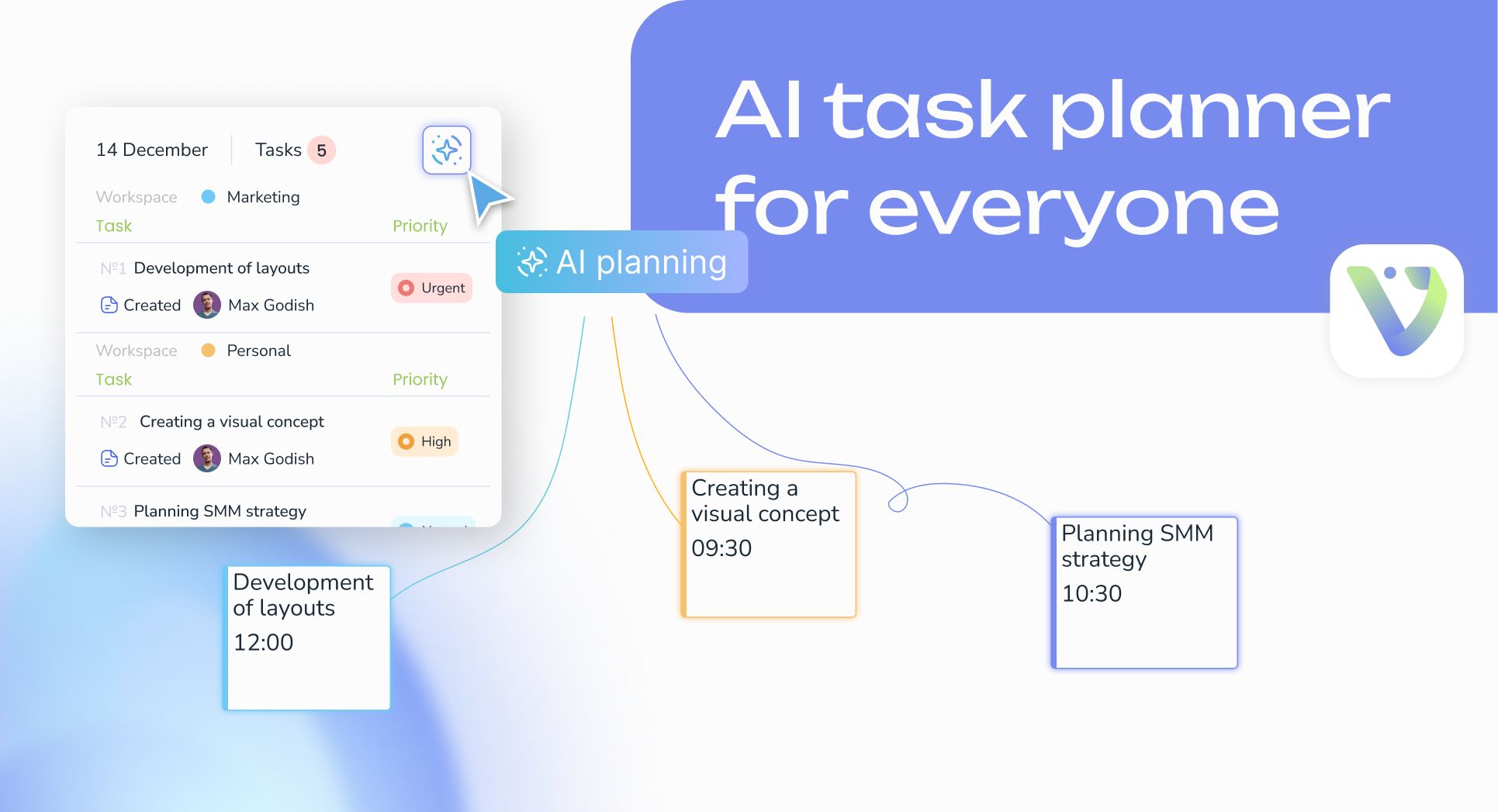
Many people experience burnout because they try to do too much without clearly identifying priorities. Focusing on tasks based on their importance and urgency helps in achieving meaningful results without unnecessary stress. A useful tool for managing these priorities effectively is Voiset’s AI task manager, which utilizes advanced artificial intelligence to help organize and prioritize daily tasks, significantly reducing mental clutter.

Benefits of a Structured Schedule

Creating a clear and structured schedule is vital to preventing burnout. Scheduling not only helps ensure important tasks are completed, but also creates space for relaxation and enjoyment. Successful individuals often schedule not just their work or study tasks but also their breaks, leisure time, and hobbies.

Using digital planning tools makes this process easier and more reliable. By managing your schedule with modern technology, you can automatically balance your commitments and prevent burnout by maintaining a clear separation between work and personal life.

Making Time for Hobbies

Regularly dedicating time to hobbies can significantly reduce stress and improve mental health. Engaging in enjoyable activities allows individuals to recharge and return to their responsibilities with increased energy and enthusiasm. Modern applications, designed specifically for AI hobby tracking, simplify the process of integrating personal interests into daily routines, ensuring hobbies remain a priority alongside professional tasks.

Automation and Delegation

Another essential strategy to avoid burnout is automation and delegation of routine tasks. Many daily tasks are repetitive and consume valuable time and energy. Leveraging AI-powered planning tools can drastically reduce the amount of time spent on these tasks. Automation frees up time for activities requiring creativity and strategic thinking, reducing burnout and improving overall productivity and satisfaction.

Reflection and Adjustment

Successful individuals regularly reflect on their accomplishments and challenges. Reflection helps in identifying stress triggers early and taking proactive steps to avoid burnout. Regularly evaluating your routine and habits enables adjustments that foster greater productivity and personal satisfaction.

Utilizing advanced task management systems provides helpful analytics that facilitate regular reflection, making it easier to spot trends, issues, and opportunities for improvement.

Real-Life Examples of Effective Planning

Successful entrepreneurs, executives, and students often attribute their achievements to effective planning and task management. They utilize various methods, including digital planners and AI-assisted scheduling, to maintain a healthy balance between work, studies, and personal interests.

For example, busy professionals who use AI-driven task management systems report fewer instances of burnout, better overall productivity, and greater personal satisfaction. Similarly, students who regularly schedule their study times, extracurricular activities, and relaxation periods experience improved academic performance and enhanced well-being.

Implementing Effective Planning Habits

Adopting effective planning habits doesn’t need to be overwhelming. Start by identifying the most pressing issues causing your stress. Perhaps prioritizing tasks more effectively will provide immediate relief, or scheduling regular breaks and hobby time will make the most noticeable difference.

As you become comfortable with one new habit, gradually integrate others into your routine. Modern task management solutions offer comprehensive features to support each aspect of effective planning, from prioritization to automation and reflection.

The Importance of Maintaining Balance

Maintaining a balance between personal and professional lives isn’t merely beneficial—it’s essential for long-term success and happiness. Effective planning helps achieve goals efficiently while preserving physical health, mental clarity, and personal satisfaction.

Balanced individuals are not only more productive in their professional lives but also enjoy richer, more fulfilling personal experiences. They are able to engage fully in their hobbies, social relationships, and personal growth activities without feeling constantly stressed or exhausted.

Preventing Burnout Through Effective Planning

Ultimately, burnout prevention is about recognizing the importance of balance and actively implementing strategies to maintain it. Effective prioritization, structured scheduling, dedicated hobby time, automation of mundane tasks, and regular reflection are all powerful habits that successful individuals employ to avoid burnout.

By consistently practicing these habits and leveraging advanced planning tools, you can maintain a productive, balanced, and satisfying life. Take proactive steps today to integrate these habits into your routine and experience the positive impact of effective planning firsthand.

5 tips to help a freelancer avoid burnout

There is a perception that a freelancer’s life is peaceful and successful since he is doing what he loves. You still need to pay your bills even if you work for yourself. If the projects are not paid enough, there is a risk of overworking, which is already fraught with depression and anxiety. Here are five tips for freelancers that will help you avoid getting into such a situation.

For those who work from 9 to 18, freelancing may seem very comfortable and exciting, but in fact this mode can be very difficult. Regardless of the form of freelancing — permanent work or part—time work – burnout is real at any level and with any experience. 

It can overtake for various reasons: too many projects at the same time, low-cost offers and even work for free.

  1. Don’t judge yourself by someone else’s achievements

If you follow other creative people in your field on social networks, sometimes it may seem that everyone is handing over successful projects and bragging about achievements — but not you.

It is important to keep in mind that perception is not reality in such circumstances. Another freelancer, for instance, might spend months working on pieces before posting them all at once.

To approach a job, there is no right or wrong way. By comparing ourselves to others, we simply serve to divert attention from our own problems. The freelancer marketplaces are already competitive, so the more you focus on your own path and financial goals, the better. Also, remember that there is no such thing as a linear career path.

  1. Don’t overload yourself

It is difficult to set a limit on the amount of work when freelance work is the only source of income. But overloading yourself with tasks can lead to broken deadlines, poor-quality results and loss of money.

Try setting a limit on the number of projects you undertake each week or month.

Also be careful when taking multiple projects from multiple clients at a time. For example, if you are engaged in copywriting, it is much more convenient to direct all efforts to one client, since this will allow you to focus on the style of publication.

It is better not to work on a retail marketing campaign at the same time and try to write an art review on the same day.

  1. Put your email in order and don’t check it too often

Checking your email at any time can take up your personal time outside of work. It is better not to check e-mail at all for work issues on weekends and, for example, before 8 am and after 7 pm on weekdays. This helps to disconnect and avoid the feeling of constant “inclusion”.

Sometimes the easiest solution is to have two mailboxes. One will be useful for work, the other for personal affairs.

  1. Do not expect to receive payment immediately

Almost every freelancer or contractor has at least once encountered difficulties related to late payment from a client. The situation is awkward and uncomfortable.

A good rule of thumb is to work two months ahead. That is, do not try to pay today’s bills with today’s projects.

Instead, build your workflow in such a way that payments from the projects you are working on now will cover the bills in two months.

This will enable you to move freely in the event of payment delays and prevent work gaps..

  1. Know your worth

This comes with experience, but it is vital for a freelancer to understand the level of minimum payment for a project that he can agree to. Otherwise, customers will take advantage of his kindness.

To compare rates, study freelance exchanges to find out how much others charge for similar services.

Once you determine how much your work costs, it will be easier for you to give up freelance projects and clients who pay less.

As a freelancer, you have to organize your workload and daily routine yourself to avoid burnout. Your time is your money, so use it wisely and take only what you can handle. Healthy borders are the key to successful freelancing.