Ecofil Expands into Hospitality Market

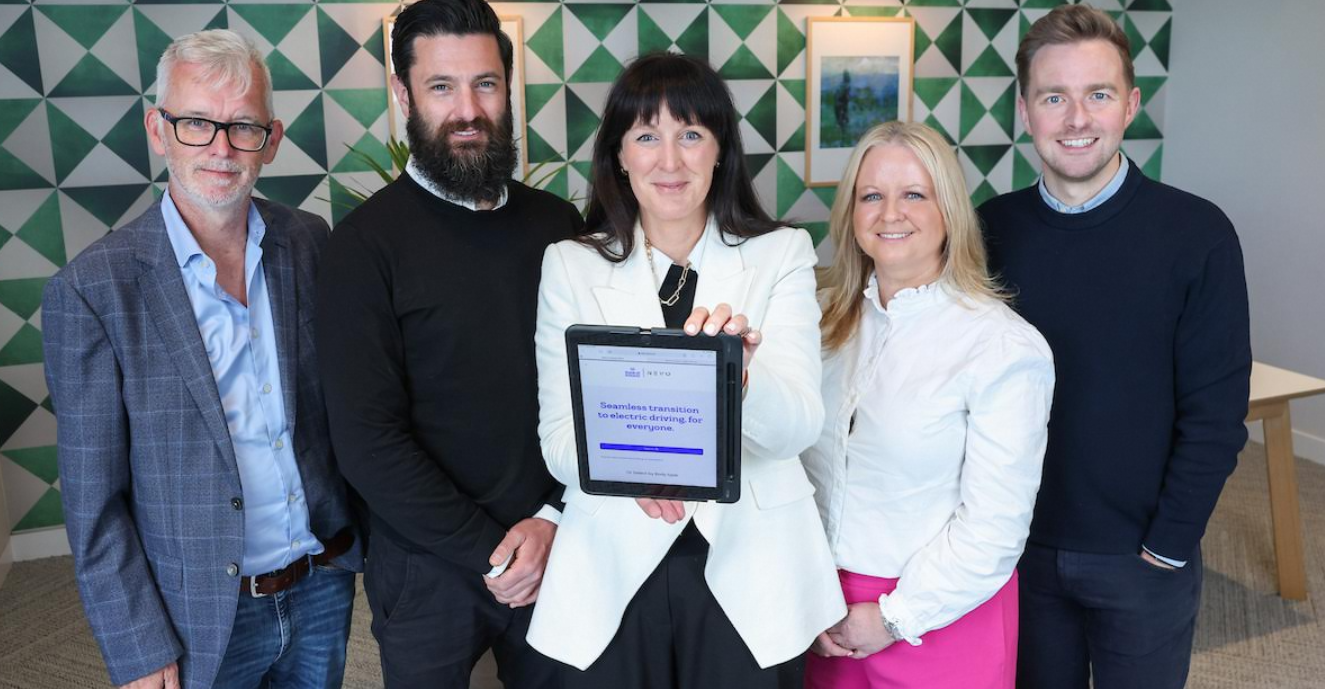
Ecofil, Ireland’s leading provider of sustainable bottle filling stations, has officially announced its expansion into the hospitality sector with the launch of a new premium range of bottle coolers and water dispensers, unveiled at the Irish Hotel Federation (IHF) Showtel 2026 Conference which took place last week in Killarney.

The new range marks a strategic evolution for the Irish water solutions provider, which has spent recent years establishing its market-leading outdoor brand, Iconic V. Today, the Iconic V bottle-filling station is recognised as the number one outdoor hydration solution on the island of Ireland, with more than 20 local authorities selecting Ecofil as their preferred supplier of public water equipment.

Peter Wynne, Managing Director of Ecofil, said, “Following the success of Iconic V in the outdoor environment, we are now bringing that same focus on sustainability, design and reliability to the hospitality and wider business sectors. This new range allows us to deliver tailored, high-performance water solutions that meet the specific operational needs of hotels, restaurants and commercial clients.”

During his visit to Showtel, Mr Wynne travelled to the historic Garnish Island, where Ecofil has recently installed another Iconic V outdoor water station. The installation forms part of an ongoing collaboration with the Office of Public Works (OPW) to help eliminate single-use plastic bottles from protected heritage sites.

Mr Wynne added, “Working with the OPW on treasured locations such as Garnish Island is both a challenge and a privilege. These projects reflect our commitment to sustainability and to protecting Ireland’s natural and historic environments.”

Ecofil confirmed that additional innovative products will be introduced in the second half of 2026, further strengthening its position as a leading Irish provider of sustainable water solutions. Ecofil continues to invest in innovation, sustainability and Irish manufacturing as it expands across both public and commercial sectors.

As part of the ERG Group, Ecofil will also benefit from ERG’s long-established reputation within the Irish hospitality sector. With a trusted customer base of over 1,000 clients, ranging from independent pubs to large hotel groups, ERG provides Ecofil with immediate access to established relationships where credibility and service standards are already recognised.

8 Reasons High-Quality Branded Merch Creates Real Brand Connection

Brand perception improves when physical touchpoints create familiarity through repeated daily exposure across meaningful consumer interactions. Merch with purpose builds recognition through usefulness rather than temporary impressions that fade quickly. Tangible items maintain presence within routines that shape long-term brand recall naturally. 

This approach strengthens emotional ties through consistent brand presence across real environments. Businesses seeking deeper engagement benefit from thoughtful merchandise choices that reinforce identity. People can explore how strategic merch choices influence sustained audience engagement and take action. Clear intent guides merchandise selection through alignment with audience expectations across practical daily contexts.

1. Enhances Brand Memorability 

Branded merchandise solutions establish recall through repeated exposure during everyday routines across varied environments. Distinctive designs capture attention through visual appeal without overwhelming brand presentation for users. Positive usage experiences create favorable associations connected directly to the brand identity. 

Memory strengthens as branded items remain visible across extended periods within daily habits. Consistency in design reinforces familiarity through subtle visual reinforcement across multiple encounters. Repeated exposure builds recognition without requiring active attention from recipients. Everyday utility ensures continued interaction through real-life relevance. Familiar visuals remain present during routine activities across work, home, and leisure settings.

2. Extends Reach Through Sharing

Merchandise visibility increases as items appear naturally within social and professional environments. Repeated exposure supports familiarity through consistent presence within shared spaces that encourage recognition.

A few of the sharing benefits include:

  • Friends notice branded items during casual interactions within shared settings
  • Family members spark curiosity through visible logos during everyday moments
  • Peers discuss brands through shared experiences connected to merchandise use
  • Communities recognize brands through repeated exposure across common locations

Reach expands through natural observation rather than direct promotion or persuasion. Visibility improves through consistent exposure across diverse social settings over time. Shared environments support repeated brand impressions without forced messaging. Recognition grows as merchandise circulates through everyday social movement.

3. Builds Emotional Connections

Personalized merchandise communicates appreciation through thoughtful details that resonate with recipients emotionally. Gifting creates goodwill through gestures that feel sincere rather than transactional exchanges. Emotional responses develop through relevance tied to personal use scenarios within daily life. Recipients associate brands with positive moments formed through meaningful interactions.  These feelings deepen trust through repeated emotional reinforcement across continued engagement. 

Emotional attachment grows through tangible reminders of brand care and consideration.  Personal relevance strengthens emotional impact through perceived effort. Long-term sentiment improves as recipients feel recognized through thoughtful merchandise choices. Emotional consistency supports stronger bonds through reliable expressions of brand intent across touchpoints. Genuine consideration shapes perception through experiences that feel personal rather than promotional.

4. Reinforces Brand Identity

Visual consistency strengthens recognition through familiar colors, typography, and design elements across merchandise collections. Material quality reflects brand values through texture, durability, and overall presentation quality. Clear branding signals professionalism through attention to production standards across every item. 

A few identity advantages include:

  • Design alignment improves recognition clarity across varied audience segments
  • Quality materials support a premium perception through tactile experience
  • Cohesive visuals reinforce credibility through uniform brand presentation

Brand identity remains clear through consistent physical representation across multiple touchpoints. Recognition improves through repeated exposure to unified brand elements within daily routines. Physical consistency strengthens credibility through dependable presentation. Strong identity cues support confidence during every interaction. Consistent presentation builds familiarity through repeated encounters that reinforce trust across audience interactions.

5. Drives Customer Loyalty

Practical merchandise encourages continued interaction through usefulness integrated into daily routines. Customers feel valued through items that serve functional purposes consistently. Exclusive designs create appreciation through perceived uniqueness tied to brand identity. Repeat engagement increases through tangible reminders of brand connection within everyday use.  Loyalty strengthens through positive reinforcement tied to real-world utility. 

Retention improves as appreciation translates into lasting commitment over time.  Functional relevance sustains interest beyond initial distribution moments. Continued use reinforces connection through dependable usefulness. Consistent visibility within routines reinforces brand presence through repeated exposure during everyday moments. Thoughtful utility builds confidence through reliable performance that supports sustained preference over time.

6. Generates User-Generated Content

Recipients share branded items through photos that reflect authentic experiences. Visual content feels credible due to personal context captured through genuine moments. Brand mentions grow through voluntary social sharing across digital platforms. Audience engagement increases through relatable content created by real users. Trust builds as audiences respond to authentic stories shared publicly. 

Brand conversations expand through genuine digital visibility across networks. Personal expression strengthens reach through shared experiences. Organic content supports credibility through real-life representation. Creators feel motivated when merchandise aligns with personal identity through design relevance. Shared posts increase discoverability across platforms through consistent exposure from trusted community voices.

7. Provides Measurable ROI

Campaign performance becomes clearer through trackable merchandise distribution outcomes across initiatives. Longevity increases value through extended product use cycles beyond initial campaigns. Data supports refined planning through insight-driven decisions based on performance indicators. A few performance indicators include measurable engagement outcomes.

  • Redemption tracking links exposure to action through measurable responses
  • Usage duration supports cost efficiency across extended product lifespans
  • Feedback informs future campaign improvements through audience response data

Insights guide stronger planning through actionable performance data collected consistently. Measurable outcomes support smarter allocation through verified engagement signals. Tangible data clarifies effectiveness through observable usage patterns. Clear metrics strengthen confidence through transparent evaluation of merchandise impact across business objectives.

8. Supports Consistent Brand Recall Across Touchpoints

Branded merchandise reinforces familiarity through repeated exposure across varied daily settings where audiences engage naturally. Consistent use places brand elements within moments that feel natural to recipients throughout work and personal routines. Visual presence remains steady through items integrated into professional tasks and lifestyle activities. 

Recognition strengthens as audiences encounter the brand through dependable physical cues during everyday interactions. Memory retention improves through repetition that feels organic rather than promotional in intent. Steady exposure sustains awareness through subtle reinforcement across multiple environments. Over time, these touchpoints shape reliable brand recall through a presence that feels familiar. Consistent visibility supports confidence through repeated positive recognition moments.


High-quality branded merch creates meaningful touchpoints that support trust, memory, and emotional relevance across audiences. Strategic use of Branded merchandise solutions strengthens recognition through physical presence that audiences value deeply. Brands seeking deeper engagement should invest in thoughtful merchandise strategies that reflect care and consistency. Action begins with selecting merchandise that aligns with brand values and audience needs. Take the next step toward a stronger brand connection through intentional merch decisions that leave lasting impressions. Consistent execution reinforces credibility through reliable experiences that remain present within everyday audience interactions.


Are Inflatable Tents Right for Your Brand? Pros, Cons, and Use Cases

When it comes to trade shows or outdoor exhibitions, style and function go hand in hand. Today’s brands are looking for event solutions that provide a de-risking balance of visibility, functionality, transportability, and versatility. Inflatable tents are becoming a more viable alternative to traditional tent structures, as they offer specific advantages in setup time, transportability, and design configurations. Inflatable tents can help to improve brand visibility and engagement, whether you are using them for corporate promotions, product launches, community events, etc. Other brands that are using custom tents are also interested in inflatable tents as part of their event plan because of the synergies of style and function.

As inflatable tent technology becomes more mainstream, many companies are asking the same basic question: Are inflatable tents right for my brand? Answering this question involves understanding the pros and cons of inflatable tents and having an understanding of proper understanding across industrial applications.

Weighing the Pros, Cons, and Ideal Uses of Inflatable Tents


  • Portability and Ease of Setup for Efficient Food Vendor Tent Setup

Inflatable tents have become a contender to metal frame tents; however, inflatable tents are quicker and easier to set up, as they can be inflated by one or two people quickly. They are inherently appropriate for mobile events, pop-up activations, and temporary setups. In the food vendor tent setup example, this ease of configuration is important. Food vendors work in inherently small kiosks, and time is critical. The speed at which food vendors can inflate and deflate tents allows them to serve customers on time with little to no wait time. Lastly, they can be rolled into a small bag, making it easier and less expensive to transport them. It is especially true for traveling bands/brands and touring promotions.

  • Visual Appeal and Brand Visibility

Inflatable tents provide an impactful visual display straight away. The silky-looking, curve-shaped, customizable surfaces ensure the brand’s identity pops above rows of basic structures. They can be printed in high definition with logos, patterns, or thematic graphics to help attract the eye even from a distance.

Due to their contemporary appeal and flexibility, inflatable tents can complement various brand identities—from chic and corporate to bold and fun. The versatility of inflatable tents also lends their design to creative lighting solutions, including internal LEDs, that can transform an inflatable tent into a glowing beacon on the trade show floor, attracting foot traffic toward the booth. When there are dozens of competitors vying to capture the attention of consumers at trade shows or festivals, visual impact is the difference between lasting impressions and being overlooked.

  • Durability and Weather Resistance

Inflatable tents may be lightweight but are built from tough, weatherproof material such as armor PVC or polyester. These materials are designed to resist wind, light rain, and sunlight without becoming distorted in shape or fading in color. The internal air beams replace metal poles, tolerate pressure evenly, and deter collapse after being under duress.

Properly inflating and storing, while checking for punctures or leaks periodically, is key to their longer utility. Inflatable tents are strong enough for regular outdoor use, but especially in severe storms or with sharp objects, there is some concern. For brands that conduct outdoor events regularly, a higher-grade commercial tent can be helpful. Along with that, secure and effective professional methods can help set up your inflatable tent with confidence.

  • Sustainability and Reusability

With a focus on sustainability in business, event planners and exhibitors are examining the materials they select. Inflatable tents are perfect for an eco-conscious worldview, as they are reusable and create less waste. Where traditional tents are generally disposed of after a single use, inflatable tents can be utilized again and again for each event, decreasing the need for single-use and replacement materials.

Inflatable tents also have a lighter footprint in terms of transport. Their lighter weight uses fewer resources to ship to the event, as well as for setup. So for organizations that want to advance a cleaner, greener event, a sustainable setup using efficiencies can further a positive brand experience. Inflatable tents also use less material than custom tents, and as such, they take less energy for production, as well as to transport and store.

  • Cost Considerations and Suitability for Different Brands

Although pricing differs based on the size and quality of inflatable tents, they are usually a long-term investment, and owing to their durability and reusability, they result in cost savings. Besides, less hardware, labor, and transport costs make these inflatable tents able to be rigidly fit, which enables tighter transport.

That said, inflatable tents may not be appropriate for every brand or event. For instance, an organization that has multi-day exhibits or activations in a busy, high-traffic area of a market will typically prefer the traditional framed tent, as it provides a rigid structure and more design options with the inner space. That said, inflatable tents are exceptionally helpful in duration-preferred or outdoor festival activations, or experiential marketing events.

End Point

Inflatable tents offer brands a contemporary, adaptable, and visually striking solution for portable event structures. The simple setup process, visual identity, and sustainability possibilities make them a useful tool for a dynamic marketing plan. Before deciding on this option, brands should think about their event needs, budget, and environmental considerations. Whether alongside custom tents or standalone structures, inflatable tents highlight how innovative design can be used to re-establish brand presence, function, efficiency, and visual storytelling that now live together under an air-filled roof.

Culture, Consent & Compliance: A Marketer’s Guide to Safer Global Growth

The journey to successful global marketing initiatives expanding to the global marketplace may not be easy, even with attractive international markets. Headlines cover wins, but no one reports failures and problems that affect companies in worldwide marketing and expansion efforts. The reality is that these organizations are not advertising every miss for each hit in global expansion.

Brand campaigns can go awry for reasons ranging from cultural missteps to poor communication, for example, the Mercedes-Benz brand translated to “rush to die” in Mandarin during expansion into China. American beer manufacturer Coors ran into a translation error due to colloquialisms in local languages not always working the same way between countries. Translation errors may result in more than embarrassment. They damage brand equity and customer trust, and a localization company can help detect such issues before they become costly mistakes.

International market failures can also occur when companies expand rapidly and undertake risks in the market without a well-researched plan. Starbucks shut down 61 of its 85 coffee outlets in Australia by 2008 because the expansion had been done without understanding what local customers desired. Tesco invested roughly USD 200 million in Fresh & Easy in the United States and failed to account for American shopping habits.

Rapid international expansion is often costly. Walmart left Germany at a loss of USD 1 billion. Home Depot’s exit from China cost the retail giant USD 160 million from 12 shuttered stores. These figures indicate that companies require a comprehensive understanding of the market before committing to international expansion.

Product managers must also consider economic shifts during planning for global marketing campaigns. Profit margins might be affected by currency fluctuations, inflation rates, and purchasing power parity. Markets can become volatile overnight due to political conflicts. Regulations can change drastically post-elections and party changes.

Marketing teams often lack sufficient resources and may become overwhelmed when tasked with driving company growth efforts while simultaneously managing market research and customer acquisition initiatives. These teams are also likely to become overwhelmed by the complexity of international marketing in the absence of proper support and preparation.

Working with experienced localization partners is one essential practice in mitigating many of the challenges listed above. Professional localization companies do more than word-for-word translation, and they understand cultural nuances, legal compliance, and consumer behaviors across target markets. Product managers across a range of medium-sized companies find that choosing the right localization agency is the difference between high-cost failure and sustainable global growth.

Why Culture Is as Important as Legal Compliance

Cultural compliance is not a simple tick-box item on a global expansion checklist. It is the underpinning factor that directly impacts legal compliance and overall business success. Competitive global markets today force companies to navigate complex regulations that change significantly between markets and countries. This is where intercultural agility becomes a crucial component of an overall compliance strategy.

Organizations may incur unexpected costs when cultural misunderstandings lead to safety concerns, lost sales, missed opportunities, and even substantial fines. Worse still, those who ignore cultural differences might even find themselves banned from essential markets. The ability to navigate cultural differences becomes a critical survival skill for global organizations seeking not only to succeed but also to sustain their success.

Empirical data support this fact. Research reveals that companies ranking in the top quartile for ethnic and cultural diversity outperform their peers who are less culturally diverse by as much as 36%. However, many top-level decision-makers may only begin to value intercultural agility after negative legal and financial ramifications are felt at the corporate level.

Case studies provide real-world evidence to back up this fact. A consulting firm from the United States scheduled meetings during Ramadan, which offended their Middle Eastern contractors, resulting in a breach of contract case. Another incident occurred when a multinational faced discrimination lawsuits from Sikh employees in the UK for their “no-beard” rule, which failed to take into account Sikh cultural and religious practices.

A society’s cultural values define and determine the rules as well as how those rules are enforced. Cultural perception and interpretation of rules are a vital component of intercultural exchanges, significantly impacting an organization’s overall success. This is because this understanding enables both parties to reach a mutual understanding and establish a foundation for business relationships.

Reputable localization companies guide organizations in understanding these nuanced cultural dynamics. While explicit rules may not address these aspects, they can still have significant legal and financial implications for businesses. Expert localization services also help organizations avoid cultural faux pas that may damage their reputation, result in the loss of business licenses, and, in more extreme cases, even lead to jail time.

Product managers in mid-size businesses should consider incorporating cultural compliance when conducting employee ethics training. This helps to build a workforce capable of not only handling cultural differences but also doing so in a manner that is both skillful and ethical. Organizations that embrace cultural diversity set standards of what inclusive workspaces look and feel like. Their workforces are more collaborative and more respectful of cultural values within their international operations.

Cultural compliance is a requirement for any organization seeking to grow sustainably in the global marketplace. Leveraging cultural intelligence through collaboration with informed localization partners is a critical way to gain a deeper understanding of local customs while achieving business goals and ensuring legal compliance.

Consent: The New Cornerstone for Trust-Building in Modern Marketing

Trust is the new currency of the digital age, and consent management is the building block. Privacy-aware customers today base purchasing decisions on how a brand treats their personal information. A study shows 75% of consumers will not purchase from an organization they do not trust with their data.

Consent goes beyond the regular tick-box for regulatory compliance. It is the meeting of minds between brands and their target audience, and it is an act of respect for customer privacy and autonomy. Product managers who are leading global markets must appreciate this dynamic if they are to build sustainably.

Consent-based marketing offers other value propositions beyond compliance:

  • Brand reputation – Transparent consent practices showcase your unwavering commitment to handling data ethically. In a market full of less conscientious brands, your brand is the one that puts people before data.
  • Quality engagement – Customers who opt to share their data willingly give you accurate data and are typically invested in your brand. This naturally translates into higher-quality leads and better conversion rates.
  • Long-term loyalty – Respecting customer priorities forges strong customer relationships.

Marketing operations use consent as the legal basis for processing personal data in the majority of cases. Gaining a deep understanding of and implementing legitimate consent management is critical, therefore. A data subject must understand what they are consenting to in full. Control over what personal data is shared is retained by the brand, while consumers can easily withdraw consent whenever they want to.

Product managers leading global expansion teams face greater challenges, as privacy regulations differ significantly between jurisdictions. Each jurisdiction will have unique requirements for consent processing and communication with data subjects. A specialized localization company adds immense value here, as it helps teams bridge these nuanced differences while maintaining brand consistency.

Astute marketing teams are beginning to view consent requirements as an opportunity instead of a hurdle. This enables them to collect more accurate and engaged data from users who are genuinely interested in interacting with their brand. Working with an experienced localization company also ensures that consent practices align with local regulations and cultural expectations. This creates touchpoints for trust-building across the customer experience.

Responsible Growth in Practice: Brands Striking a Balance Between Reach and Responsibility

Global brands have discovered that responsible expansion results in creating lasting competitive advantages. Companies develop resilience to market shocks and connect more deeply with international audiences by balancing profit with ethical business decisions.

Patagonia is an excellent example of a company that has struck a balance with its “Common Threads Initiative,” which advocates for more mindful consumption in contrast to rampant buying. The ethical “Don’t Buy This Jacket” campaign increased sales by 30%, a fact that shows that responsible marketing drives both revenue and customer loyalty.

Ben & Jerry’s is winning in global markets by staying true to its brand values and simultaneously adapting to local needs. After Unilever acquired the company, the brand continued with its promises of environmental friendliness and social responsibility across all markets. They created flavors unique to different markets, for example, “Maccha Made in Heaven” in Japan.

Product managers who are planning to expand globally will benefit immensely from partnering with a trusted localization company. These companies will help with critical practices that include:

  • Market immersion and hiring of local talent to learn about local markets.
  • Forming mutually beneficial alliances with regional partners for regulatory compliance and more.
  • Adapting global messages without being tone-deaf to cultural differences.


Cross-border companies encounter unique challenges. For example, German law requires registering with the Central Packaging Register and faces fines of up to €200,000. A specialized localization company may easily flag requirements like these in the planning phase.

Innovative companies partner with employers of record (EOR) versus setting up foreign entities from the get-go. This allows these companies to carefully test markets before making larger commitments. The outcome is global growth that is sustainable and upholds ethical standards.

Conclusion: Respect, Consent, and Care Are Required for Sustainable Global Growth

The potential of the global marketplace is a substantial one, but success is based on striking a balance between ambition and caution. Companies that rush into unfamiliar markets with no idea of the local culture suffer from more than embarrassment. The financial costs can be in the hundreds of millions of dollars, as Walmart’s German misadventure and Home Depot’s China mistakes show.

Cultural awareness is non-negotiable in building sustainable international growth. Product managers who partner with specialized localization companies will also gain an understanding of cultural nuances that formal regulations do not explicitly address. This cultural awareness helps them avoid making expensive mistakes and create customer trust at the local level.

Trust is the lifeblood of modern marketing relationships. Marketing programs that center on consent demonstrate to customers that their opinions are valued and foster stronger connections with the target audience. Brands that treat data more transparently go on to build more meaningful relationships with privacy-conscious customers across various markets.

Successful global brands serve as examples of how careful expansion can lead to creating lasting market advantages. They adapt global brand messaging for local markets without straying too far from core values. Product managers can partner with experienced localization companies to help strike a balance between global consistency and local requirements.

Safer global growth requires patience. Many international brands began with small test runs before investing significant resources and brand equity. This careful approach, underpinned by thorough localization services, also enables product managers to make informed decisions, factoring in cultural differences and local regulations.

Understanding the Role of Social Listening + 5 Tips to Shape Online Brand Strategy

In the contemporary, quick-paced, technology-oriented environment of the digital world—where public and private discourse happens in real time—social listening has now become one of the most compelling channels of understanding customers. However, social listening is more than monitoring mentions; it’s a way of identifying context, themes, and sentiment across discourse to advise business choices to optimize brand strategies. Social listening gives brands a meaningful perspective on consumer insights, pain points, and expectations to make nimble messaging and product changes.

Social listening isn’t only about what people are saying but equally about why they are saying it. By identifying patterns across social platforms, brands can identify new opportunities, raise challenge awareness, and even predict future challenges. When strategically implemented, social listening can also impact marketing campaigns, product improvements, and integrated audience engagement and help to create longer-term brand loyalty—ultimately leading to stronger business outcomes.

5 Tips to Use Social Listening to Shape Online Brand Strategy

Recognizing social discourse is simply the beginning; the true value derives from applying this knowledge to improve a brand’s positioning, communication, and interaction with customers. Here are five best practices to use social listening in an online brand strategy.

1.Improve Overall Brand Experience

Social listening helps organizations measure and evaluate customer feelings about products, services, or campaigns in real time. Tracking conversations will give organizations insight into ongoing issues or which attributes of a product could be most valued by their customers, so they can adjust and improve the overall brand experience quickly. For instance, if customers are commenting about slow response times, the organization can work on improving the support process to try to mitigate customer concerns.

This plan of action can mitigate the risk of potential PR problems and also show customers that their comments do matter. Organizations that act on customer suggestions based on social listening typically will better reinforce an emotional connection to their target audience, which results in desired outcomes such as increased loyalty and repurchases.

2. Identify Market Trends and Competitor Insights

Social listening provides insight into trends about to enter the marketplace and competitors’ moves in the marketplace. By tracking the topic of conversations related to the industry, a business can assess competitors’ success and failure, as well as reveal any potential gaps in opportunities. These evaluations will assist in determining opportunities for product launches, timing of campaigns, and the creative execution of campaigns.

Competitor benchmarking by way of social listening also helps businesses strategically position themselves against their competitors. Understanding how competitors may be positioned helps brands play toward and against their inherently unique strengths in order to differentiate themselves in the market.

3. Refine Content and Messaging Strategies

By understanding the audience, companies can develop targeted as well as engaging content. Social listening specifically highlights popular topics, questions that are consistently asked, and perhaps even the language customers might use, directly informing content creation in various formats, from blogs to social media posts to copy for ads.

The process ensures that marketing copy is relevant and on target for what consumers need to feel when engaging with it. It allows for a smoother positioning of the campaign’s target audience and ultimately allows you to avoid wasting time and money on creating wrong or outdated content.

4. Enhance Crisis Management and Reputation Protection

Negative feedback can spread rapidly online; nonetheless, social listening can be viewed as an early warning system for companies. Social listening enables brands to galvanize mentions and sentiment regarding their brand or product and identify issues broadly before they become problems. When businesses respond quickly and communicate openly, they lessen the impact of damage to their reputation and perhaps use the opportunity to hold themselves accountable.

Crisis management is more efficient when information is available in real time. It offers businesses the knowledge and opportunity to apply messaging quickly, combat misinformation, and re-establish trust for customers, all while maintaining customer trust and brand authority.

5. Drive Product Development and Innovation

Insights derived from social listening typically generate usable insights for product development. Customers will proactively use their social channels to provide product suggestions, express desired features, or make complaints, which creates a treasure of data and insights for improving current product offerings and creating new products.

By integrating social listening insights into your development cycle, you can create products that are more aligned with customer needs, creating satisfaction both when the product is in their hands and in the market. More importantly, you are creating a brand reputation for listening and innovating with customer input.

End Point 

Social listening is not only about monitoring activities but also a strategy that will help organizations connect with audience needs, protect their reputation, and refine their strategies. By focusing on brand experience, understanding competitors, creating relevant content, and managing crises, while developing insights for ongoing innovation, this turns online discussions into powerful levers for sustainable growth and deepening customer relationships.

Winners Of Top Consumer Tech Innovations Recognized #IFA2025

The inaugural IFA Innovation Awards winners were announced live on the Innovation Stage by Leif Lindner, CEO of IFA Management GmbH, at 14:30 during IFA 2025, the world’s largest event for home and consumer tech. The global awards program, which launched this year, has successfully identified and celebrated standout products shaping the future of consumer technology.

The announcement ceremony marked the culmination of a rigorous evaluation process conducted by an independent panel of international technology journalists and industry experts, who assessed submissions across multiple specialized categories. Over 200 members of the media were invited to attend the announcement.

Winners take center stage at IFA 2025

The winners represent a wide range of global technology leaders and innovative companies. Notable brands recognized in the inaugural program include Samsung, LG, Hisense, Miele, Anker, and TCL, alongside numerous other industry pioneers who are driving breakthrough innovations across consumer technology and home appliances.

‘Today marks a defining moment for recognising innovation in our industry,’ said Leif Lindner, CEO of IFA Management GmbH. ‘The IFA Innovation Awards have spotlighted technologies that are set to transform how we live, work and connect. Seeing these breakthrough products recognised on our Innovation Stage underlines IFA’s continued commitment to championing the innovations that matter most.’

‘The caliber of innovation we’ve seen in this inaugural program has been extraordinary. These winners represent the pinnacle of design excellence, engineering achievement, and market impact. They truly embody the spirit of innovation that has driven IFA for over a century,’ commented Helena Stone, Editor-in-chief at GEEKSPIN and judge at the IFA Innovation Awards.

See the award-winning innovations – live at IFA Next

Following the keynote announcement, attendees can experience many of the winning innovations firsthand at the Innovation Awards Zone at IFA Next, in Hall 25. This unique exhibition experience allows industry professionals, media, and technology enthusiasts to explore the winning innovations.

Recognition across the technology spectrum

The IFA Innovation Awards recognized excellence across multiple categories including Home Appliances, Sustainability & Environment, Next-Gen Technology, AI Innovation, Smart Home Technology, Health & Wellness, Audio Innovation, and many others. Winners were selected based on criteria focusing on engineering and functionality, design and aesthetics, and uniqueness and innovation.

In addition to category-specific recognition, three headline awards were presented:

  • Best of IFA – The most outstanding product overall
  • Best Tech Innovation – The most forward-thinking technological achievement
  • Best Brand – Overall excellence across innovation, impact, and design

Winners of the IFA Innovation Awards gain significant market advantages including official IFA certification, comprehensive media exposure through IFA’s extensive network, and full licensing rights to use the IFA Innovation Awards logo across all marketing materials.

About the IFA Innovation Awards

The IFA Innovation Awards, launched in 2025 in partnership with the Gadgety Awards, celebrate breakthrough design and engineering excellence across the global technology landscape. The program is open to companies of all sizes worldwide, from Fortune 500 corporations to innovative startups, recognizing products that demonstrate exceptional innovation, design excellence, and market impact.

The inaugural IFA Innovation Awards sets a strong foundation for the program’s future, with applications for the 2026 awards expected to open in early 2026.

For more information about the IFA Innovation Awards and complete 2025 winner listings, visit: https://www.ifa-berlin.com/innovation-awards

TCL has achieved a 5-star reliability ranking in Which? Magazine annual TV survey

TCL announced it has achieved a 5-star reliability ranking in the latest Which? Magazine annual TV survey, further establishing its reputation as a quality and dependable TV brand among UK consumers.

Which? Magazine’s annual tech reliability survey identifies brands consumers can trust to last. In March 2025, Which? assessed each brand’s reliability by looking at how often its products had problems, how soon they developed and how serious they were. The Which? score is based on surveys of thousands of UK homes, testing product performance, fault rate and overall consumer satisfaction. TCL’s 5-star rating is a reflection of its excellent track record of delivering consistent product reliability, with lower fault rates than many long-established market players.

TCL offers the leading Mini-LED technology on the market and this endorsement highlights not only that innovation but also the brand’s dedication to offering high-end, cutting-edge features at prices that remain accessible to a wide range of consumers.

These results from Which? prove our long-term emphasis on quality and performance,” said Adam Aldred-Lane, Marketing Director at TCL Electronics UK. “From our global partnership of the Olympics to being an Official Global Partner of Arsenal FC, we’re building strong emotional connections with consumers while continuing to deliver high quality products. These partnerships, combined with our cutting-edge technology and accessible pricing, are key to making TCL a household name in home entertainment.

Other TCL news

About TCL 

TCL Electronics specialises in the research, development and manufacturing of consumer electronics including TVs, mobile phones, audio devices, smart home products and appliances. Combining thoughtful design and innovative technology to inspire greatness, our lineup delivers must-have features and meaningful experiences. As one of the world’s largest consumer electronics brands, our vertically integrated supply chain, and state-of-the-art display panel factory help TCL deliver innovation for all. For more information, please visit: https://www.tcl.com

Tony Hawk Joins The Skullcandy Team as Newest Brand Ambassador

Lifestyle audio brand Skullcandy continues to expand its team of notables in the surf, snowboard, and skateboarding landscape with the addition of a new brand ambassador, the legendary skateboarder and cultural icon, Tony Hawk. Hawk joins a stacked team of skateboarders, including Andrew Reynolds, Nora Vasconcellos and Louie Lopez. His authentic connection to music, skate culture, and community makes him a perfect fit for Skullcandy’s fearless and forward-thinking brand ethos.

Tony Hawk’s accomplishments on and off his skateboard have helped to make him one of the most recognizable figures in skateboarding and pop culture. He has pioneered the creation of more than 80 tricks in vert skateboarding, including the legendary 900. His Tony Hawk’s Pro Skater video game series, first launched in 1999, has exposed countless people to skateboarding, creating a new path for fans to participate in Skate.

His charitable foundation, The Skatepark Project (formerly the Tony Hawk Foundation), has awarded over $13 million in grants to over 660 skatepark projects throughout the United States. From revolutionizing vert skating to shaping generations through his video games, nonprofit work, and popular podcast “Hawk vs Wolf,” Tony continues to push boundaries and inspire progression on and off the board.

“Welcoming Tony to the Skullcandy family is the latest example of how we’re strengthening our authentic connection to skateboarding and adjacent cultures,” said Justin Regan, VP of Brand at Skullcandy. “Tony represents everything Skullcandy stands for—fearless expression, lasting impact, and love for the lifestyle. He’s not just a pro skater—he’s a movement. And that movement has always had a soundtrack.”

Hawk’s passion for music has been a lifelong thread in his story—whether it’s the punk tracks that fueled early contest runs or the playlists he curates today. A longtime fan and customer of Skullcandy, Tony has been purchasing headphones and earbuds for himself and his family for over two decades.

“I’ve always appreciated Skullcandy’s commitment to the skate community, music, and doing things their own way,” said Hawk. “I’ve used their products for years and am excited to officially partner with a brand that aligns with my culture and values.”

Stay tuned for exclusive content, product drops, and campaign collaborations with Tony Hawk as Skullcandy continues to redefine what it means to be a lifestyle audio brand rooted in board sports and creative self-expression. Among other activations, Hawk will be featured prominently in an upcoming campaign set to launch on April 15th, 2025.

See our Skullcandy Reviews