Global tech innovators selected for Isle of Man Innovation Challenge

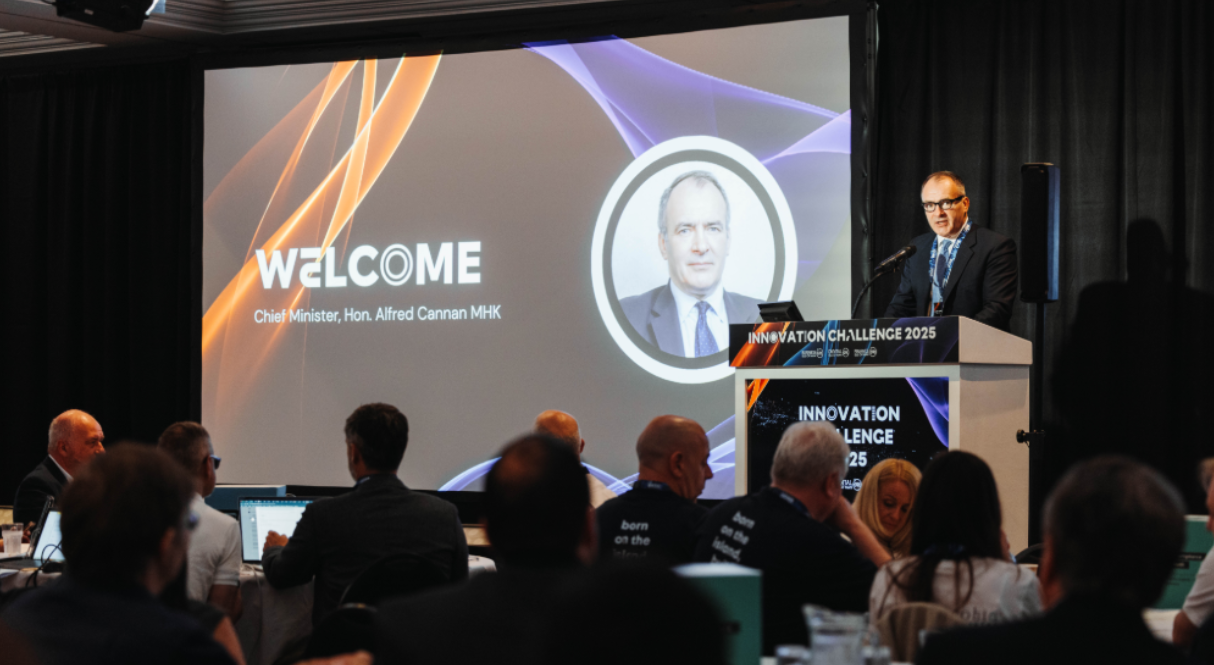
Health and social care systems around the world are evolving rapidly, facing increasing demand, workforce pressures and more complex patient needs. The Isle of Man is no different, and like many places, it is looking for practical, adoptable solutions that can make a genuine difference to the people and communities it serves.

The Isle of Man is taking a proactive approach, creating a unique environment where new ideas can be tested, refined and delivered in real-world settings.

What sets the Island apart is its ability to move quickly. Its scale, integrated systems, and close collaboration between government, clinicians, regulators and industry create a genuinely distinctive environment for developing and applying innovation.

This is the foundation of the Innovation Challenge, now in its fourth year, and this year’s programme has attracted its strongest response to date.

Sixteen global innovators have been selected from 125 entries submitted across 25 countries, following a record 467 registrations. Each finalist was assessed by frontline health and care professionals for their potential to address genuine system needs.

The Challenge is led by Digital Isle of Man and the Department for Enterprise, and delivered in partnership with the Department of Health and Social Care, Manx Care and Public Health Isle of Man.

The finalists are developing solutions spanning AI-powered clinical tools, digital platforms, preventative health technologies and community-based care models, reflecting both the scale of the challenge and the opportunity to deliver meaningful impact.

The high calibre and diversity of this year’s cohort reflects the strength of innovation emerging globally to support the future of health and care.

Over the next ten weeks, finalists will take part in an intensive contextualisation programme, working in collaboration with healthcare stakeholders to refine and adapt their solutions through workshops, expert input and real-world Island insight.

They will receive tailored one-to-one mentoring from clinicians and care providers, alongside support from the Island’s tech and business community, with opportunities to connect with local organisations as they develop their solutions ahead of the Finale Day in June.

The programme will culminate in a live Finale Day on 25 June 2026, where finalists will present their solutions to a panel of expert judges, industry leaders and healthcare professionals.

Awards will be presented across three core themes: Working Smarter, Wellness and Home First, alongside a dedicated Biosphere Award.

The Biosphere Award recognises the solution that best reflects the Isle of Man’s status as the world’s first whole-nation UNESCO Biosphere Reserve, celebrating innovation that supports a sustainable balance between environment, community and economic development. It reflects an approach to innovation which is grounded in the Island’s values, and distinctively ‘Manx’.

The Isle of Man’s unique position, combining an integrated healthcare system, agile regulation and close collaboration across the public and private sectors, continues to make it an attractive destination for innovators looking to test and scale solutions in a real-world environment.

Claire Christian MHK, Minister for Health and Social Care, said:

‘The calibre of this year’s finalists is exceptionally high and underlines the Isle of Man’s growing position as a centre for health innovation.

‘Through the Innovation Challenge, we are taking a proactive and practical leadership role in bringing together government, clinicians and global innovators to address some of the most pressing challenges facing our health and social care system.

‘By testing these solutions in a real-world environment, we are ensuring that innovation is translated into meaningful impact, both for our Island and beyond.

‘I look forward to seeing the breadth of ideas and talent showcased by this year’s cohort at the Finale Day and the impact they will go on to deliver.’

Lyle Wraxall, Chief Executive of Digital Isle of Man, said:

‘This year’s response has been exceptional, not just in volume, but in the quality and ambition of ideas coming forward.

‘We’re seeing a global recognition that health and social care systems need to evolve rapidly, and that innovation must be grounded in real-world application.

‘The Innovation Challenge provides a unique platform to do exactly that, bringing together innovators and system leaders to co-create solutions that can genuinely improve lives.’

More information: http://www.innovationiom.com

Lidl Wins Top Award at the Inaugural Repak Resource Awards

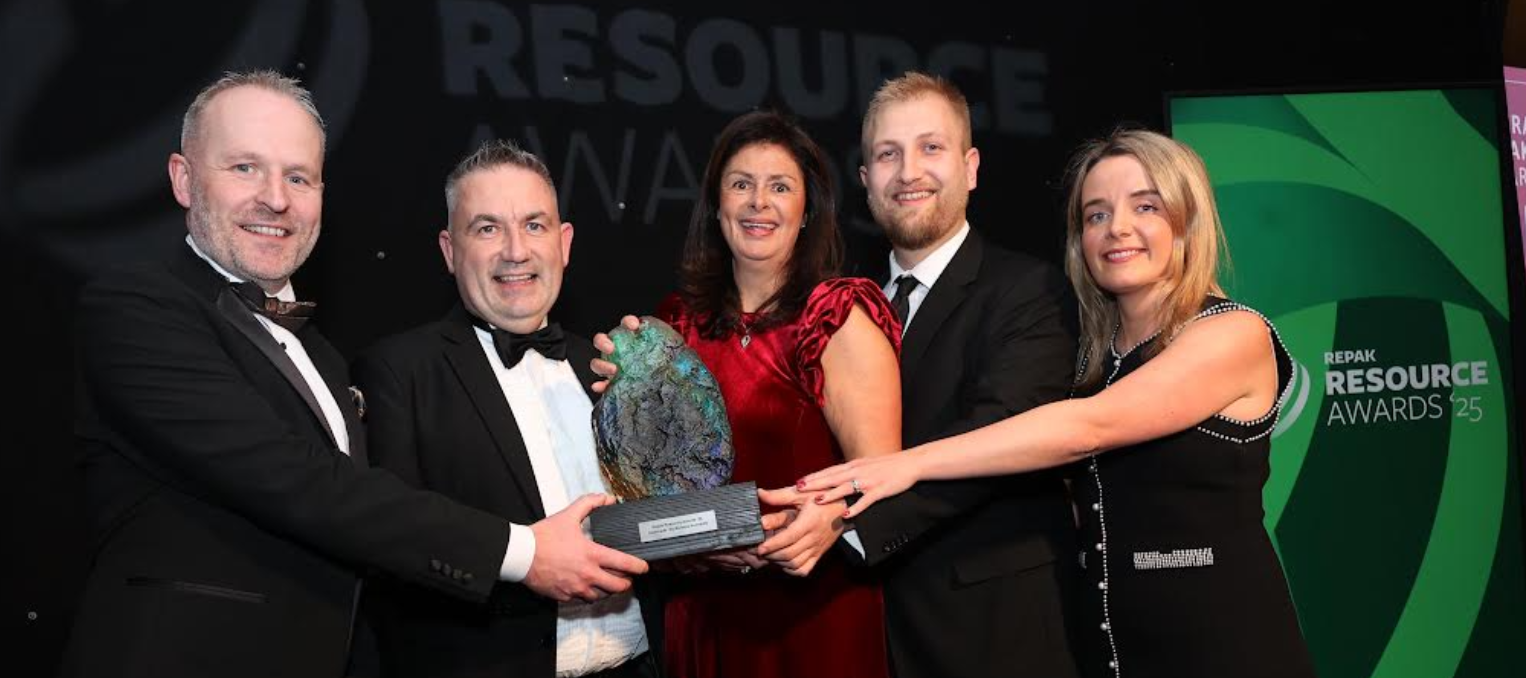
Lidl has been announced as the winner of the prestigious Overall Repak Resource Award at the Repak Resource Awards 2025, Ireland’s National Environmental Awards. The event held at The Shelbourne Hotel, brought together leaders from across Ireland’s business, environmental, and community sectors to celebrate the positive impact of environmental initiatives all across Ireland.
The Repak Resource Awards, formerly known as the Pakman Awards, are Ireland’s National Environmental Awards and recognise exceptional achievements in waste prevention, recycling, reuse, circular design, and community-led environmental initiatives.
Lidl was honoured with the top award, Overall Repak Resource Award, for its leadership and impact in advancing Ireland’s recycling and circular economy goals. Each category winner is eligible for the Overall Repak Resource Award, which celebrates outstanding achievements in recycling, waste management, innovation, and grassroots environmental action.
Lidl was also the recipient of the Best Deposit Return Initiative Award, acknowledging its pioneering role in supporting and implementing Ireland’s Deposit Return Scheme (DRS). Lidl committed to an early investment of €50 million for deposit return and implemented a customer-first rollout, featuring two reverse vending machines per store.
The retailer’s innovations, including bulk deposit return machines, efficient backhauling, and the integration of charity donations, have set new standards in sustainable retail operations. To date, more than 300 million containers have been returned through Lidl’s scheme, marking a major milestone in Ireland’s circular economy journey.
Lidl’s achievement reflects the spirit of ‘resource’, showcasing how businesses can innovate, lead, and inspire change through practical sustainability in action. Their success, alongside the 12 other category winners, highlights how Irish organisations are rethinking how resources are used, reused, and valued. From community-led initiatives to circular design breakthroughs, this year’s winners demonstrate the creativity and leadership driving Ireland’s transition to a more resource-conscious future.
The Repak Resource Awards introduced two new categories this year, the Circular Community Award, and the Circular Design Award, celebrating the innovation and impact of communities and designers driving Ireland’s transition to a circular economy.
FoodCloud were awarded the Circular Community Award for tackling food waste and insecurity by redistributing surplus food and educating communities, and by building a nationwide network of community-led food-sharing initiatives grounded in circular economy principles.
Other category winners included KWD Recycling, Killarney, who were awarded the Waste Recovery Operator and Facility Award. One of Ireland’s largest family-owned recycling groups, KWD Recycling have invested in a new Killarney facility to recover recyclables from general waste, diverting over 10% of plastics and 50% of organics from disposal.
The Regional Waste Management Planning Offices were awarded the Environmental Education and Community Initiative Award, for their national campaign which reached over 822,000 people, promoting better waste segregation through research-led messaging, gamification, PR, and ambassador Donal Skehan.
Minister Alan Dillon, Minister for State at the Department of Climate, Energy and the Environment with special responsibility for the Circular Economy commented“Congratulations to all of this evening’s finalists and winners. Your achievements are a powerful reminder that innovation and the drive to do things better are thriving across every sector of society.
The work you do is paving the way for a more circular economy, delivering lasting benefits for our communities, our businesses, and our environment.”
Speaking at the 2025 Repak Resource Awards ceremony, Repak CEO, Zoe Kavanagh said: “We are delighted to celebrate this year’s award winners and to recognise the extraordinary efforts of businesses, organisations, and communities nationwide.
The standard of entrants, finalists, and winners was truly exceptional, reflecting best practice recycling, waste management, circular design, and grassroots environmental action.
I would like to thank our sponsors for their support and extend my congratulations to all our winners, especially the Overall Repak Resource Award for 2025, Lidl, for their exceptional leadership in environmental sustainability.”
The complete list of winners for the Repak Resource Awards 2025 includes:
·        Battery and WEEE Champion Award – Castletroy College, Limerick
·        Best Deposit Return Initiative Award – Lidl Ireland
·                       Best Single-Use Plastic Initiative Award – Glenpatrick Spring Water Ltd & Kilkenny Nutritional Ltd
·        Business Recycling Champion Award – Boots Ireland
·                       Circular Community Award  FoodCloud
·                       Circular Design Award – An Post
·        Environmental Education and Community Initiative Award – Regional Waste Management Planning Offices
·        ESG Leader Award – Jason Carolan, from Aldi Ireland
·        Innovation in Waste Resource Products or Services Award – Flamers Ltd, Mullingar
·        Tyre Champion Award – Addible Ltd
·                      Waste Recovery Operator and Facility Award – KWD Recycling, Killarney
·                     Waste Prevention Award – Rebox
The 2025 Repak Resource Awards are proudly sponsored by AMCS, Circol ELT, Department of Climate, Energy and the Environment, DNV, Environmental Protection Agency, European Recycling Platform, Irish Waste Management Association (IWMA), Local Authorities of Ireland, Panda, Repak Re-turn, and WEEE Ireland.
For more information, visit https://repak.ie/resource-awards

Galway County Council’s StoryMaps Wins eGovernment Award

Galway County Council’s innovative StoryMaps project, which has digitised the heritage of communities across County Galway into interactive online experiences, has been named a category winner at the 2025 Ireland eGovernment Awards.

The project received the Open Data Award, having been shortlisted alongside the National Cancer Registry of Ireland.

Galway County Council’s Heritage and GIS sections, working in conjunction with community groups and academia, have so far created over 40 town and village StoryMaps showcasing the rich heritage of the County’s towns, villages, and townlands.

In addition, historical information relating to 1,000 townlands has been digitised, providing a valuable resource for communities, schools, heritage groups, Tidy Towns committees, academia, and the public.

By integrating mapping technology with text, images, and multimedia content, StoryMaps delivers location-based stories that can be accessed on any internet-enabled device, from desktop computers to tablets and phones.

Cllr David Collins, Cathaoirleach of Galway County, said, “This project showcases and promotes knowledge of, and pride in, the rich heritage of our townlands, villages, towns, and other aspects of our heritage. It presents this heritage to local, national, and international audiences and serves as an extremely valuable resource.”

Liam Conneally, Chief Executive of Galway County Council, added, “This project is a fantastic example of how local history can be preserved and shared using modern technology and innovative research techniques. The partnership approach to developing StoryMaps shows how collaboration is central to preserving and sharing our local history.”

Liam Hanrahan, Director of Services for Planning and Economic Development, said the project places a strong emphasis on community engagement, presenting local heritage in a way that is easily accessible to the public, the Irish diaspora, and scholars at home and abroad.

Led by Galway County Council’s Heritage Office and GIS Department, the project was developed in collaboration with the Galway County Community Archaeology Project, University of Galway, Atlantic Technology University (ATU) Galway, ICAN (Irish Community Archive Network) Galway, Galway County Heritage Forum, The Heritage Council, and local Tidy Towns, heritage and community groups.

Bridin Feeney, GIS Analyst in Galway County Council’s ICT Department, said the project is about unearthing stories, local lore, and forgotten histories and presenting them in an engaging digital format.

Outlining the background to the project, she added, “Several community groups approached us wanting to develop a digital platform to showcase the heritage and history of their local areas but lacked the capacity or resources to do so. Working with these groups, our GIS team and Heritage Officer developed a framework to create StoryMaps for their heritage trails and townland research. Some communities had the knowledge but not the digital expertise, so we worked with them and trained them on the possibilities of StoryMaps and how they could reach their target audiences.”

Heritage Officer Marie Mannion said the primary goal of StoryMaps is to make heritage accessible to everyone.

“We initially expected to train local communities and students on how to create StoryMaps and make this information available as open-source data. It has turned out to be much more than that,” she explained. “It has given people confidence in their skills and fostered a strong sense of pride in their communities. The StoryMaps are used by local residents, schools, academics, the diaspora, and many others. They have a myriad of uses, and we are only now discovering additional applications, including their use in ATU Galway’s Heritage Studies course.”

The Ireland eGovernment Awards celebrate excellence, innovation, and creativity in Ireland’s public sector and are recognised as the benchmark for digital government services. This year’s awards were presented by An Taoiseach Micheál Martin TD at O’Reilly Hall, UCD.

Giles Newsome, CEO of iConnect101 and a member of this year’s judging panel, said, “This submission proved very much the value of using GIS, open-source mapping data to deliver something very valuable from Galway County Council to the people of Galway and beyond. What has been done here is the creation and curation of very valuable content on interactive maps about places of interest, historic monuments, historic sites right across County Galway. A fantastic smart use of mapping technology.”

The StoryMaps project is available at www.tinyurl.com/StoryMapGalway.

Microsoft receives IDA Ireland Special Recognition Award

An Taoiseach Micheál Martin joined IDA Ireland today to recognise Microsoft’s significant contribution to the Irish economy by awarding the company its Special Recognition Award (SRA). This acknowledgement coincides with Microsoft celebrating its 50th anniversary globally, and its 40th year in Ireland.

The Special Recognition Award is presented to companies who have made a significant contribution to both the Irish economy and to Irish society in general. It also highlights Ireland’s strong proposition and attraction for foreign direct investment which includes its talent, innovation, and stable enterprise policies. Previous recipients of the award include Pfizer, Apple, and Google.

The award was presented by Taoiseach Micheál Martin to Brad Smith, Microsoft’s Vice Chair and President, at a special event entitled, “Our Shared Digital Future”, held this morning at Dublin’s Mansion House. The event was attended by over 400 guests from IDA client companies, policymakers, business leaders and Microsoft employees, customers and partners.

Microsoft first established a presence in Dublin in 1985 with a small manufacturing operation with less than 100 people. Through successive investments, transformation and the diversification of its operations, Ireland has become a significant international hub for Microsoft with more than 4,000 people providing software development, engineering, data centres, finance, operations, and sales and marketing services for the EMEA region.

Building on its 40-year history of investment in Ireland, last November Microsoft announced a new strategic investment in its operations with the creation of 550 new Irish-based engineering and R&D roles that will be involved in pioneering the development of new AI technologies.

In presenting the award Taoiseach Micheál Martin said: “I am delighted to present this Special Recognition Award to Microsoft, one of the world’s most successful technology companies. The fact that it has had a presence here for 40 of its 50 years is testament to the value proposition that Ireland offers companies looking to internationalise their business. Microsoft’s decision to choose Ireland as a location from which to expand its operations has contributed immensely to the vibrant and innovative tech ecosystem that has evolved here over the past four decades, not to mention its economic and social impact. I want to both congratulate and thank Brad Smith and all the team for Microsoft’s presence and its continued investments in Ireland, and to assure them of the ongoing support of the Irish Government, through IDA Ireland, as Microsoft continues to innovate, transform, and shape the future of AI.”

CEO of IDA Ireland, Michael Lohan said, “Our Special Recognition Award celebrates the substantial contributions our client companies make to the Irish economy and to the people of Ireland. Foreign Direct Investment continues to be a substantive driver of the Irish economy. Many of our client companies have demonstrated longevity, resilience, and continued commitment, by creating jobs and delivering real economic impact, both nationally and regionally.  Microsoft is one such company and is a very deserving winner of our Special Recognition Award 2025. IDA Ireland and Microsoft have built a longstanding, trusted partnership over four decades of expansion and growth in Ireland and I look forward to our continued partnership throughout the next decades as the company continues to develop the next wave of AI-powered software and technology.”

Accepting the IDA Special Recognition Award Brad Smith, Vice Chair and President of Microsoft said: “For four decades, Microsoft has shared a special relationship with the people and government of Ireland. From our first European Operations centre that shipped software in boxes to customers, to one of our most advanced cloud datacentre campuses delivering AI solutions, Microsoft Ireland continues to play a pivotal role in driving innovation and transformation across the EU.”

New Research Alliance Award set to drive future Irish-Welsh collaborations

Aiming to support collaborative programmes of research between Irish and Welsh universities, the Research Alliance Award was launched today by the Wales Innovation Network (WIN) and Taighde Éireann – Research Ireland.

This new initiative is designed to strengthen collaboration between institutions in Ireland and Wales, enhancing their ability to secure Horizon Europe funding. The award provides financial support to academic partners, enabling them to collaborate on innovative projects addressing global challenges and advancing scientific progress.

The programme offers grants of up to €60,000 to eligible research teams, with 50% funding provided by Research Ireland and 50% by WIN from a Welsh Government innovation grant. Joint applications must be led by researchers from both Ireland and Wales. By encouraging Wales-Ireland collaboration, the fund aims to leverage the strengths of both Irish and Welsh universities, creating a foundation for impactful research and development.

Dr Lewis Dean, head of the Wales Innovation Network, said:

“The UK’s re-association to Horizon Europe in 2024 is a great opportunity for Welsh researchers to be part of the world’s largest research collaboration programme. This joint programme between the Wales Innovation Network and Research Ireland provides support for Welsh researchers to build new ties and strengthen existing partnerships with their Irish counterparts. I am delighted WIN can facilitate this initiative to showcase the excellence of Welsh research on an international stage and build collaborations to address global challenges.”

Celine Fitzgerald, Interim CEO at Research Ireland, said:

“Ireland and Wales have a strong history of collaborating on research and innovation projects, and this has been supported through political commitment between our two governments. Today, Research Ireland has active partnerships with a range of higher education institutions including Cardiff University, Swansea University, Aberystwyth University and Bangor University. I welcome the launch of the Research Alliance Award, which will further solidify our research bonds and, in particular, strengthen our joint grant applications to Horizon Europe.”

Applications must be sent as a single PDF to raa@researchireland.ie by 31 January 2025.

Download the call document and expenditure form.

Irish woman wins Global James Dyson Award 2024

The international student design competition, which has now supported more than 400 problem-solving inventions from young engineers and scientists worldwide, received nearly 2,000 entries this year.

Speaking of the 2024 winners, James Dyson said: “We started the James Dyson Award nearly 20 years ago to encourage students at university to solve problems. And we’ve had thousands and thousands of entries since. It’s wonderfully encouraging to see how many students have solutions to severe global problems. Instead of sitting back and talking about it, they’re doing something about it – and that’s what the James Dyson Award encourages. We’ve got two brilliant winners this year which we’re thrilled to support, and I hope the Award will give them a springboard to future success.”

James Dyson surprised Olivia, Shane and Danial with the exciting news during an online video call.

Medical Winner – Athena, by Olivia Humphreys from Ireland.

The problem

Some 65-99% of patients going through chemotherapy will be affected by chemo-induced hair loss. Current hair-loss prevention techniques commonly use scalp cooling, a method which involves applying ice cold temperatures to the scalp before, during, and after chemotherapy, which can be very painful for patients. It mitigates hair loss by shrinking blood vessels and limiting blood flow to the scalp. After chemotherapy, cooling can also help hair grow back faster and stronger.

However, the availability of scalp cooling is limited due to its high costs. This year’s Medical Winner is from Ireland where the Minister for Health estimated the total cost of installing a scalp cooling machine at €216,000, with additional costs needed for staffing as the treatment requires additional help to operate the equipment.

Ensuring the equipment fits the patient properly and the extended time it means someone needs to be in hospital for are additional hurdles. There are cheaper, manual cooling alternatives available, yet these are less powerful, and they don’t provide long-lasting effects.

Not all hospitals offer scalp cooling for patients too. In fact, in Ireland, scalp cooling is only available in eight out of the country’s 86 hospitals.

The solution

Olivia Humphreys, a 24-year-old product design and technology graduate, invented Athena to tackle these issues after witnessing the impact of chemotherapy-induced hair loss when her mother was diagnosed with cancer in 2019. Having spent time with her mother during treatment, Olivia was inspired to reimagine hair-loss prevention technology.

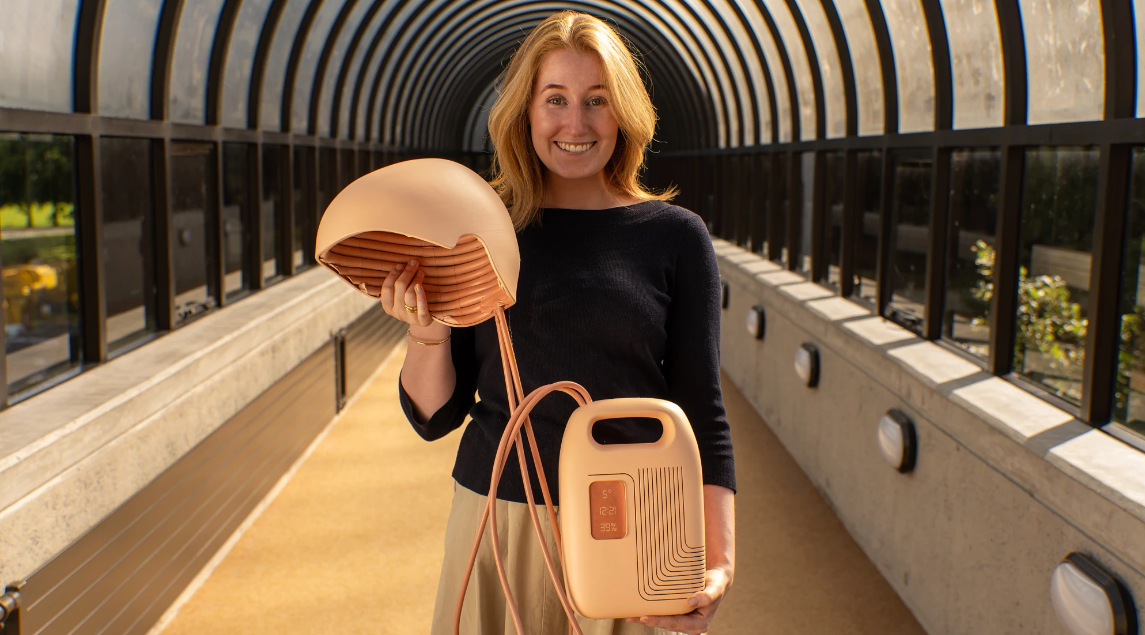
Athena is a portable, thermoelectric hair-loss prevention device that uses scalp cooling. It’s more cost effective and timesaving than current hospital models, without compromising on the quality of treatment. For those exploring advanced hair wellness solutions and scalp care.

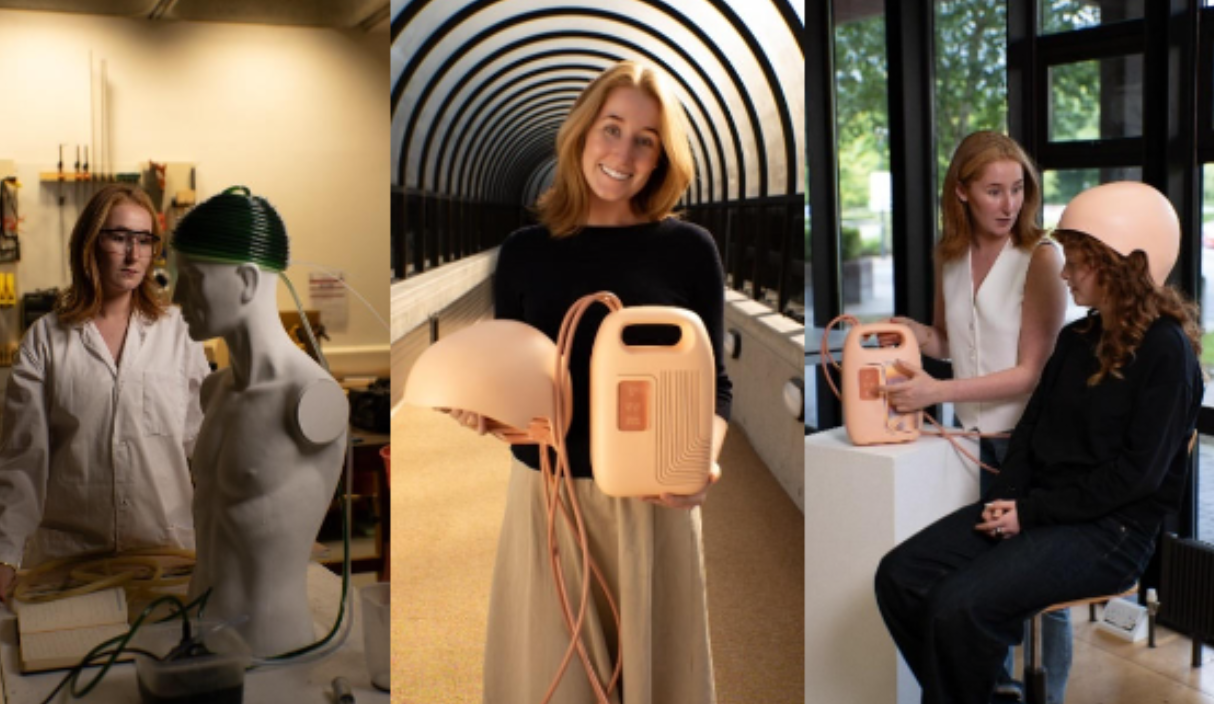
Current scalp cooling products use refrigeration technology requiring constant plugged in power. The patient must arrive at hospital 30 minutes early and stay for 90 minutes after infusion for pre and post scalp cooling. Battery powered Athena, weighing around 3kg, consists of a carry case and a cooling headpiece, that fits to different head shapes, and enables people to spend less time in hospital on a chemotherapy infusion day. It works by using low-cost thermoelectric semiconductors called Peltiers, and these cool a tank of water, which circulates the cold water around the head with the smartly designed headpiece.

With Athena, patients can start and end the scalp-cooling process themselves from wherever they wish, such as the comfort of their own home. At full power, it can run for 3.5 hours, allowing the patient to commute to and from the hospital while cooling, and move around during infusion, such as for bathroom visits. Athena aims to give control back to patients during a time when they usually have little of it.

Athena is patient-centric and so Olivia also chose bright colours for the device’s materials as a change from conventional, clinical colours found in hospitals.  Taking its name from the powerful Greek Goddess of wisdom and battle strategy, for Humphreys, Athena is a symbol of resilience, which is a quality often seen in those living with an illness as serious as cancer and going through the necessary treatments.

The estimated cost for Athena would be around €1,000, according to Olivia, which is significantly less than industry machines which start at around €20,000. Athena has the potential to make hair-loss prevention more accessible and affordable for both patients and healthcare providers – Olivia’s ideal scenario would involve partnering with hospitals and charities to offer Athena through a rental or loan scheme.

To take Athena to the next level, extensive research and development is required, and the James Dyson Award prize money will kickstart this. Long term, Olivia is exploring novel technologies for future hair loss prevention methods beyond scalp cooling.

James Dyson, Founder of Dyson, said: “I haven’t had cancer, but members of my family have had cancer and hair loss is a particularly depressing and debilitating part of chemotherapy treatment. You can freeze your scalp which you have to do in special facilities, but these aren’t always available, are costly and it’s very painful. This year’s Medical Winner, Olivia Humphreys, has tackled this problem by designing Athena, for portable scalp cooling. You can wear it while you travel, you can wear it in the car to and from hospital, you can use it at home – it’s a low-cost alternative available to everybody, with the potential to make a real difference.

Speaking about the development of Athena, Olivia Humphreys said: “I decided to build a working prototype to test the capabilities of the Peltier semiconductors. Using a Peltier computer cooling fan system, a diaphragm pump, my mum’s old suitcase, and my dad’s plane battery, I was able to create a strong proof of concept to gather valuable feedback to develop the concept. Following this, I focused on the product’s form, creating cardboard and foam models and determining functionality aspects and touchpoints to ensure the best user experience. Ultimately, I arrived at my final model, Athena, which was crafted using SolidWorks 3D CAD modelling.”

On winning the James Dyson Award, Olivia said: “I’m incredibly proud of the hard work, ambition, and commitment that went into creating Athena. The recognition from the James Dyson Award validates not just my efforts, but also the stories and insights shared by people who’ve experienced cancer treatment. My mum inspired this journey, and it’s incredibly emotional and rewarding to have my project reach this level. The Award has motivated me to recognise my potential, and it opens up exciting opportunities for me as a young designer and innovator.”

Professor Mark Beresford, Consultant Oncologist at the Royal United Hospital Bath, said: Hair loss is one of the most outward and distressing side effects of chemotherapy. Current scalp cooling techniques can reduce the risk or extent of hair loss, but need to be attached in the chemotherapy unit for a period of time before and after the chemotherapy infusion, committing patients to a long day in hospital. This new mobile version will allow patients more freedom, reclaiming some of their day, and also free-up valuable chemotherapy chair time for other patients to receive treatment.

Liz Yeates, CEO of the Marie Keating Foundation, said: “I want to congratulate Olivia for creating the mobile scalp cooling device and being awarded this year’s global winner of the James Dyson Award. Any invention that can help prevent hair loss for cancer patients undergoing chemotherapy would be so positively received. When I went through cancer, there was no option for me to use a scalp cooling device, and losing your hair can be one of the most devastating impacts for most people. This device offers new hope, and it could make a real difference for those facing chemotherapy in the future. Any use of scalp cooling should always be under the guidance and direction of the patient’s oncology or cancer care team.”

Sustainability Winner – airXeed Radiosonde, by Shane Kyi Hla Win and Danial Sufiyan Bin Shaiful from Singapore.

The problem

Every day, weather stations worldwide launch devices via weather balloons that gather critical atmospheric data for accurate weather forecasting. These small devices, called radiosondes, measure air pressure, temperature, humidity, wind speed and direction and transmit this data back to ground stations, helping meteorologists track weather patterns and forecast conditions. However, current devices are single-use and contribute to tonnes of plastic and e-waste globally.

After reaching high altitudes, the balloon carrying the device bursts, and the sensor descends rapidly, often crashing in remote and costly-to-retrieve locations, without collecting further atmospheric data as it falls.

There are 1,300 weather stations around the world, and it’s predicted they release at least two single-use radiosondes per day. So, over a year, almost one million radiosondes are released, costing $190million and estimated to cause 48 tonnes of e-waste.

These devices are crucial to the rapidly growing weather forecasting industry, valued at over $2.25 billion in 2023 and projected to reach approximately $5.23 billion by 2032. This growth is driven by the rising demand for precise weather forecasting across sectors like agriculture, energy, transportation, and aviation. Extreme weather events have increased the demand for better forecasting systems too.​

The solution

This year’s global Sustainability Winner aims to make weather forecasting more eco-friendly. AirXeed Radiosonde is a reusable device tackling the amount of e-waste created by single-use radiosondes on the market. It also aims to increase the amount of atmospheric data these devices collect, improving quality of forecasting.

Young engineers Shane Kyi Hla Win and Danial Sufiyan Bin Shaiful, from the Singapore University of Technology and Design, drew inspiration from nature to create airXeed Radiosonde. Their focus was to improve the descent and end-of-life of a radiosonde to make them reusable, reducing e-waste and minimising pollution in remote areas.

The team used the autorotation of maple seeds in their solution. A maple seed’s asymmetrical shape creates lift and drag, allowing it to spin like a helicopter as it falls. Shane and Danial applied this principle to their radiosonde design, enabling it to spiral during descent. This not only slows the device, preventing damage upon impact with the ground, but also increases the likelihood of it landing in an accessible location, making retrieval and reuse easier. The team used machine learning to optimise this design for the best flight performance. AirXeed’s controlled descent allows it to collect and transmit more atmospheric data to weather stations, as traditional radiosondes cannot do this.

To avoid collision with aircraft, and very windy conditions that could deviate the descent, Shane and Danial’s device stops auto rotating when passing through aircraft cruise altitude. It enters a dive mode to increase its speed. The team have also added an onboard controller to manage the device’s stability and flight path to land without impact near the closest collection zone for reuse.

This controller is enhanced by machine learning to estimate wind speed and direction onboard, as well as select the best landing location. Collection zones would be established based on weather patterns and local government collaboration. Equipped with GPS and flight navigation, the radiosonde would select the optimal collection zone from multiple options at each weather station, ensuring a smooth return based on weather and flight trajectory.

Shane and Danial prioritised sustainability in their material choice, using balsa wood and foam for the lightweight wing and cowling. Modular components allow for easy replacement and recycling of worn parts, catering to industry needs.

After winning the James Dyson Award, Shane and Danial hope to collaborate with more weather stations and weather sensor manufacturers for real-world trials to gather data and feedback to improve their invention, to ultimately bring airXeed Radiosonde to market.

James Dyson, Founder of Dyson, said: “Weather balloons that collect atmospheric information fall back to Earth and pollute the environment with electronic waste. Shane and Danial, our Sustainability Winners, have found a way of returning these devices to Earth highly intelligently to where the operators want them to land. AirXeed Radiosonde uses the maple seed principle, helicoptering down gently but also plummeting in areas where there are likely to be planes. This is a reusable weather detector, saving environmental waste and saving money. I think it’s a very clever idea.”

On winning the James Dyson Award, Shane said: “Winning the James Dyson Award global sustainability prize is a huge step forward for us. It shows that our design has potential and gives us a platform to showcase how airXeed Radiosonde can positively improve the weather industry – hearing it from James Dyson himself makes it even more special. It’s incredibly motivating to see such a prominent figure in innovation take the time to encourage young inventors like us, developing solutions that are sustainable and address critical global challenges”.

On what’s next for the team, Danial said: “With the Award’s recognition, we hope to connect with experts in the weather industry, secure partnerships and attract funding to further test and develop our design. It’s a huge boost in our journey towards turning airXeed Radiosonde into a fully realised solution that can reduce electronic waste and make weather monitoring smarter

Other Dyson news

MTU’s Department of Technology Enhanced Learning Wins Prestigious ALT Team of the Year Award

Munster Technological University’s (MTU) Department of Technology Enhanced Learning (TEL) has been named the recipient of the prestigious Association for Learning Technology (ALT) Team of the Year Award for 2024.

The award, presented at the ALT Annual Conference in Manchester on Wednesday September 4th, celebrates outstanding strategic enhancements in the design, development, and delivery of online and blended learning. The award also recognises the TEL team’s innovative impact on the student learning experience and their commitment to the sustainable development of academic practice within a rapidly evolving digital environment.

Strategic Impact on Digital Learning
The TEL team at MTU has led out on key digital transformation and digital learning initiatives in the University. Their Reusable Learning Resources (RLR) project has enriched MTU’s programmes through the development of media-rich Open Educational Resources (OERs), furthering the University’s commitment to Open Education Practices (OEP). In addition, the department this year hosted the international ALT OER24 conference in Cork, providing an invaluable platform for knowledge sharing and collaboration across the global digital learning community.

TEL’s focus on equity and accessibility has also seen significant advancements this year. The integration of advanced accessibility tools into MTU’s digital infrastructure ensures a more inclusive learning environment, supported by dedicated staff training and resources. Initiatives like “TEL me More,” which offers personalised digital mentoring to share, continue to inspire innovation and foster digital transformation throughout the University.

A Milestone Achievement
Dr Gearóid Ó Súilleabháin, Head of the TEL Department, has expressed pride in the team’s work: “This award is a testament to the creativity, passion, and dedication of the entire TEL team at MTU. Our commitment to providing evidence-based services, enhancing accessibility, and creating new learning opportunities is at the heart of everything we do. We are honoured to receive this recognition from ALT, and we look forward to continuing our work to enhance the digital learning experience for all students.”

Shane Cronin, Senior Learning Technologist in the department, joined Dr Ó Súilleabháin in accepting the award. He shared that: “It’s a real honour to receive this award and it really recognises our team’s dedication and inspires us to keep innovating in the field of digital learning.”

The award was presented by ALT President David White, who has praised MTU’s TEL team, stating: “The judging panel was highly impressed by the breadth and depth of digital learning activity being facilitated by the Department of Technology Enhanced Learning in MTU, as well as the department’s strategic impact and far-reaching influence within and beyond the University.”

For more information about the ALT Award and a video submission from MTU’s TEL team, please visit: ALT Award Winners 2024 | Association for Learning Technology

Irish winner of James Dyson Award 2024 announced

Limerick woman Olivia Humphreys (24) witnessed how upsetting it is for patients who face losing their hair during chemotherapy when her mother went through it in 2019.

65-99% of patients going through chemotherapy will be affected by hair loss*. Scalp cooling can help prevent this by shrinking the blood vessels and is done by applying cold temperatures to the scalp during chemotherapy treatment. Scalp cooling is intended to help prevent hair loss, known as chemotherapy-induced alopecia, for people undergoing chemotherapy. It works by limiting blood flow to the scalp. This can reduce the amount of the chemo treatment that reaches your head, protecting your hair follicles from the chemo drugs.

Olivia noticed the shortage of scalp-cooling machines aimed to minimise hair loss in the hospital her mother was in, as well as how limited the existing solutions were.

Current products require the patient to arrive 30 minutes early and stay for 90 minutes after infusion for pre and post scalp cooling. With Athena, patients can manage this aspect of treatment themselves and seamlessly integrate into an infusion appointment with no extra time or attention required, using this device from the comfort of their own homes.

The Problem:

Current chemotherapy scalp cooling devices are either heavy duty hospital-only machines which cannot be moved easily and require patients to sit in a ward for long periods of time.

On the other hand, there are cheaper, manual cooling alternatives available used to cool the heads of chemo patients to prevent hair loss, yet these prove to be less powerful, ineffective and they don’t last long enough for maximum benefit. Athena aims to offer an effective hospital standard device that gives control to a patient in a time of little control.

The Invention:

University of Limerick graduate Olivia Humphreys, witnessed firsthand how much of an impact chemotherapy induced hair loss can have on a person, when her mother was sadly affected by cancer in 2019 and from spending time with her during treatment experience, was inspired to reimagine the way scalp-cooling can be done.

How does it work?

Athena works by utilising low-cost thermoelectric semiconductors called peltiers, and these cool a tank of water, which circulates the cold water around the head with the smartly designed headpiece. The battery powered device allows patients to bring the device home and control it themselves, making it more accessible to the consumer market.

The estimated cost for Athena would be around €1000, according to Olivia Humphreys, compared to industry machines which come in at around €40,000 or more.  Weighing around 3kg, Athena is more portable than the current leading products on the market, which use refrigeration technology requiring constant plugged in power. Athena, at full battery power, can run for 3.5 hours, allowing the patient to commute to and from the hospital while cooling and move around during infusion for bathroom visits, etc.

Speaking about Athena, Olivia Humphreys said: “I decided to build a working prototype to test the capabilities of the Peltier semiconductors. Using a Peltier computer cooling fan system, a diaphragm pump, my mum’s old suitcase, and my dad’s plane battery, I was able to create a strong proof of concept to gather valuable feedback to develop the concept. Following this, I focused on the product’s form, creating cardboard and foam models and determining functionality aspects and touchpoints to ensure the best user experience. Ultimately, I arrived at my final model, Athena, which was crafted using SolidWorks 3D CAD modelling.”

The future of Athena:

Speaking about what is next for this invention, Olivia says: “To elevate Athena to the next level, extensive research and development is required. While working on this project, I have been fortunate to network with Luminate Medical, a company in Galway, Ireland, dedicated to building a better future for cancer care. They have extended an internship offer to me as a research and development engineer. I have accepted and am very eager to apply the insights gained from my own research and development to contribute to their mission.”

Speaking about Athena, Lead Design Engineer at Dyson James Gilchrist who was part of the judging panel, said: “Hair is a deeply rooted symbol of our identity. Losing it can be one of the most difficult side effects of chemotherapy. Currently, only 8 of Ireland’s 26 hospitals offer scalp cooling as a treatment[1], partly due to the expense of the equipment and the additional time required to deliver the treatment.

The genius of Athena isn’t just in increasing access; it’s in taking the patient out of the clinic. Instead of spending an extra two hours in the treatment centre, Athena allows patients to precool their scalp on the way there and continue the cooling process post-treatment in the comfort of their own home. That’s not just a win for patients but also for clinics, enabling them to treat more patients each day.

Olivia impressed us with her first prototype—a ‘cut and shut’ computer cooling fan and diaphragm pump built into her mum’s old suitcase. Once that proved the concept, she went on to develop a high-fidelity prototype, leveraging recent innovations in battery-powered coolers.”

Olivia is eager to see how her work can inspire further innovation in cancer treatment and patient care and continue contributing to advancements in the industry.

Athena will now progress to the international stage of the James Dyson Award and Olivia will aim to commercialise this product by producing a fully functional, technologically integrated prototype.

The Runners Up:

Suas designed by Ko Kallewaard, a student in the University of Limerick

The Problem: People with reduced mobility who need to travel with their wheelchair, encounter problems such as having to check in their wheelchair at the gate and get assigned the airline wheelchair, which is often not suitable and doesn’t offer independence to people with disabilities. On landing, many wheelchair users have experienced lost wheelchairs or worse, completely broken wheelchairs, leaving them in a terrible predicament.

The Solution:

Suas enables wheelchair users to travel with their own chair and is encouraging airlines to fit specially engineered seats with Suas’s universal wheelchair lock as well as offering a connecting lock to the wheelchair user for their chair. Any plane supporting SUAS allows you to board and fly in your own wheelchair meaning no more damage to customer equipment, no more discomfort or humiliation for wheelchair users– just the freedom to travel independently. SUAS consists of two parts- the lock on the wheelchair and the redesigned seating system on the plane. The lock is a tool steel part that attaches to the rigidizer bar situated on the back of all rigid manual wheelchairs.

The newly designed seating system is a plane seat that can be set up in two ways – a traditional seat or a wheelchair space. There is a small stainless steel and aluminium lock inside the frame of the seat that automatically locks into either the traditional seats or the SUAS lock. The frame is designed so that any sized wheelchair can fit over it and lock into the space.

The SUAS system is equipped with a turbulence control module which uses a pendulum to trigger the adjustable arm to tighten, keeping the wheelchair or the seats in place.

Swoop created by Sean-Jameson Galvin from the University of Limerick

The Problem:

Many people have conditions such as dyslexia, dysmusia and dysgraphia, making music more difficult and meaning a lot of people just give up if they can’t engage creatively in music practice at foundation level. Swoop is a way of connecting early music learners with the music by making it more visually interesting, accessible through sight, sound and sensation by way of a projector on a wall or screen. Music is then learned through hand movements and colour codes.

The Solution:

Swoop is a new and accessible way of learning and creating music. Using hand movement, it enables the user to create, feel and learn music both individually and in group settings. Swoop aids in helping to bridge the gap between traditional and digital music. The product includes two gloves with embedded haptic motors . These motors provide haptic feedback relative to the note and volume intensity and aid gesture recognition software in distinguishing the user’s hand from the background. all works in tandem with a companion app allowing the user to change parameters based on their experience.

 The product system enables learners to engage with music concepts transferrable to traditional music learning. It functions using 3 axes of movement:

– X Axis (Octave Displacement): Moving the hand left and right shifts the octave, mimicking guitar or piano movements. The accompanying parameter app controls the number of octaves.

– Y Axis (Note Pitch): Moving hands left and right transitions between seven notes, with the left hand for lower and the right for higher notes, mimicking a traditional music stave.

– Z Axis (Volume Variation): Moving hands forward and back adjusts volume, teaching sound intensity through pressure.

Speaking about creating Swoop, Sean-Jameson Galvin said:

“Throughout the development of Swoop, I learned so much about accessibility when it comes to music. What works for one may not work for another in a linear learning system. It is for that reason I believe the user should have autonomy over their learning direction. It is with this principle in mind that I aim to further the development of Swoop by making music learning and creation a more enjoyable and expressive experience.”

The international top 20 shortlist will be announced on October 16th  and the international winners on November 13th.

How to enter

Candidates enter through an online application form via the James Dyson Award website.

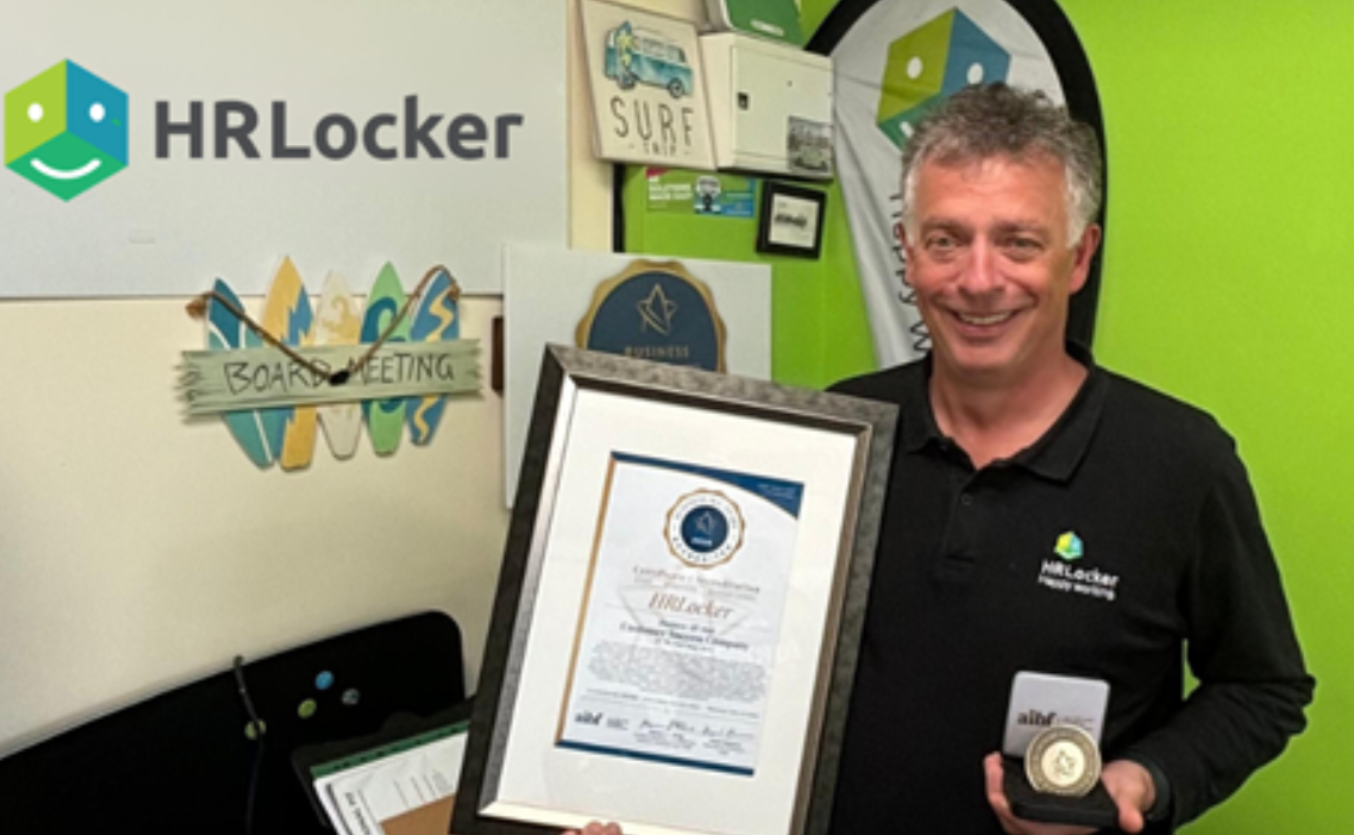
HRLocker awarded Business All-Star Customer Success Company of the Year by AIBF for its unwavering commitment to excellence

HRLocker, a leading provider of human resource (HR) solutions based in Co. Clare, today announced it has been awarded the prestigious Business All-Star Customer Success Company of the Year 2024-25 accreditation by the All-Ireland Business Foundation (AIBF). The honour recognises HRLocker’s unwavering commitment to empowering HR professionals, enhancing workplaces, and boosting the employee experience.

Celebrating over two decades of delivering innovation and excellence in HR technology, HRLocker has solidified its position as a leader in the field and consistently demonstrated its dedication to customer success. Founded by Adam Coleman in 2004, HRLocker has grown from a local HR consultancy to a global leader in cloud-based HR management tools.

The company’s platform offers a comprehensive suite of services designed to automate essential HR tasks so organisations can focus on more strategic growth and employee engagement. It serves customers in more than 55 countries, enabling them to drive efficiency and foster a more productive work environment.

“I am delighted to commend HRLocker as the Business All-Star Customer Success Company of The Year 2024-25,” said Kieran Ring, deputy chair of the AIBF adjudication board. “This award recognises HRLocker’s dedication to customer success, showcased through their exceptional support, user-friendly solutions, and significant contributions to their clients’ organisational achievements.”

As noted by the AIBF, the HRLocker’s approach goes beyond improving HR operations to fostering a culture of inclusion and continuous improvement, making it a trusted partner for organisations seeking to enhance their HR capabilities and employee experience.

In reaction to the award, HRLocker founder and CEO Adam Coleman said, “Our customers are at the heart of our business, and their success is our driving force. We prioritise quality and trust in all our relationships and work diligently to provide exceptional service. I want to thank our valued customers for their continued support and our dedicated team, which has been instrumental in achieving this honour.”

The AIBF is an autonomous national accreditation body that promotes best-in-class Irish businesses. Its rigorous assessment process provides a measure for hundreds of companies across the republic. AIBF Managing Director Kapil Khanna explains, “We evaluate a company’s background, trustworthiness and performance, and we speak to customers, employees and vendors,”

“We also anonymously approach the company as a customer and report back on the experience. The business goes through at least two interviews and is scored on every part of the process against set metrics.”