Why Startups Should Leverage Freelancers for Rapid Growth

In today’s fast-paced world, startups are under constant pressure to innovate, scale, and deliver results—often with limited resources and tight budgets. One key strategy that has emerged as a game-changer for many startups is leveraging freelancers. The flexibility, expertise, and cost-efficiency that freelancers bring to the table are invaluable for businesses looking to grow quickly and effectively.

Freelancers can help fill skill gaps without the commitment and overhead of hiring full-time employees. Whether your startup needs graphic designers, content writers, or developers, freelancers offer a wealth of expertise on demand. By strategically incorporating freelancers into your team, you can boost productivity and innovation while keeping costs in check.

The Rise of the Freelance Economy  

The freelance economy has grown exponentially in recent years. According to reports, the gig economy contributes billions to global economies annually, and the number of skilled professionals turning to freelancing continues to rise. This trend provides startups with an ever-expanding pool of talent to tap into.

For startups, this growth presents an opportunity to access specialized skills and experience that would otherwise be out of reach. Freelancers often bring diverse industry knowledge and fresh perspectives, enabling startups to adapt to market changes quickly and innovate without being hindered by traditional hiring processes.

Flexibility in Scaling Operations  

One of the most significant advantages of working with freelancers is flexibility. Startups often experience unpredictable workloads, and hiring full-time staff during uncertain growth phases can strain budgets. Freelancers allow you to scale your operations up or down based on current needs.  

For instance, if you’re launching a new product, you might need a team of content creators for a few months. Freelancers can fill this temporary need without requiring a long-term commitment. Once the project ends, you can scale back, conserving resources for other priorities.

Additionally, freelancers work on their own schedules and often remotely, making them a perfect fit for startups operating across different time zones or without dedicated office spaces.

Access to Specialized Skills  

Freelancers often have deep expertise in their chosen fields. They continuously upskill to stay competitive in the gig economy, giving startups access to highly skilled professionals who can deliver quality work without the learning curve associated with training full-time employees.

Need someone with expertise in UI/UX design, SEO, or app development? There’s a freelancer for that. By tapping into this vast talent pool, startups can ensure their projects are handled by professionals who bring the latest knowledge and best practices to the table.

Cost Efficiency  

Cost is a major concern for startups, especially those operating on limited budgets. Freelancers can help reduce costs in several ways:


  • No Overhead Costs: Freelancers typically work remotely, eliminating expenses related to office space, equipment, and utilities.  
  • Pay-for-Performance: Unlike full-time employees who are paid a salary regardless of workload, freelancers are paid for the specific tasks they complete.  
  • No Long-Term Commitment: Hiring freelancers allows you to avoid the long-term financial obligations associated with permanent employees, such as benefits, insurance, and pensions.  


This cost-effective approach ensures that startups can allocate resources to other critical areas, such as product development and marketing.

Faster Time-to-Market  

Freelancers are accustomed to working on tight deadlines and managing multiple projects. This efficiency is a boon for startups that need to move quickly to seize market opportunities or address competitive pressures.

For example, a startup launching an e-commerce website can hire a freelance web developer and content writer to complete the project in weeks rather than months. This speed ensures that startups can stay ahead of the competition and respond to customer needs in real time.

Enhancing Creativity and Innovation  

Startups thrive on fresh ideas and innovative approaches. Freelancers, who often work with multiple clients across various industries, bring a wealth of knowledge and creativity to the table. Their exposure to different challenges and solutions can inspire new ideas and approaches that in-house teams may not have considered.

By incorporating freelancers into brainstorming sessions or project development, startups can foster an environment of creativity and innovation that sets them apart in competitive markets.

Overcoming Geographic Limitations  

The rise of remote work has erased many geographic barriers. Startups no longer need to limit themselves to local talent pools. By hiring freelancers, businesses can access global talent and find the best person for the job, regardless of location.  

This global reach not only broadens the pool of potential candidates but also allows startups to gain insights into different markets, cultures, and customer behaviors—valuable assets for businesses looking to expand internationally.

Building a Diverse Team  

Diversity is increasingly recognized as a driver of innovation and business success. Freelancers offer an opportunity to build diverse teams by bringing unique perspectives and experiences to your projects. Whether it’s cultural diversity, varied professional backgrounds, or different ways of thinking, freelancers can enrich your startup’s approach to problem-solving and creativity.

Tips for Successfully Leveraging Freelancers  

While freelancers offer numerous benefits, working with them requires a thoughtful approach. Here are some tips to ensure a successful collaboration:


  1. Define Clear Goals: Clearly outline the scope, deliverables, and timeline for each project. This helps freelancers understand your expectations and deliver quality results.  
  2. Communicate Effectively: Use tools like Slack, Trello, or Asana to maintain open lines of communication and track progress.  
  3. Check Portfolios and Reviews: Before hiring, review freelancers’ portfolios and client feedback to ensure they have the right skills and experience for your project.  
  4. Set a Budget: Discuss pricing upfront to avoid misunderstandings and ensure the project stays within budget.  
  5. Establish Trust: Treat freelancers as valued members of your team by providing constructive feedback, recognizing their contributions, and respecting their time.  


Common Misconceptions About Freelancers  

Despite their growing popularity, some misconceptions about freelancers persist. Let’s address a few:  


  • Freelancers are not committed: Many freelancers are highly dedicated professionals who take pride in delivering quality work.  
  • Freelancers are only for small tasks: While freelancers excel at handling individual projects, many are capable of managing complex, long-term assignments.  
  • Freelancers are unreliable: Like any professional, reliability varies. However, thorough vetting and clear communication can mitigate risks.  


When to Avoid Hiring Freelancers  

While freelancers are a valuable resource, there are instances where hiring full-time employees might be a better choice. For example, if your startup requires ongoing, day-to-day support or specialized roles that involve company-specific training, a full-time hire might be more appropriate.  

Additionally, roles requiring deep integration into your company’s culture, such as team management, may not be well-suited for freelancers.

Conclusion  

For startups aiming for rapid growth, freelancers provide a flexible, cost-effective solution to accessing the talent and skills needed to scale. By leveraging the freelance workforce strategically, startups can remain agile, innovate faster, and allocate resources efficiently.  

As the freelance economy continues to expand, now is the perfect time for startups to explore how freelancers can support their journey toward success. With clear goals, effective communication, and a commitment to collaboration, startups can harness the full potential of freelancers to achieve their growth objectives.

Top 7 Emerging Tech Startups in Ireland to Watch in 2025

Ireland is a tech wonderland, with new startups driven by innovation, investment and talented workers. With 2025 dawning, the Irish tech sector is changing rapidly, led by a new wave of startups. These companies push the envelope in everything from AI to blockchain and fintech to cybersecurity. They’re doing more than transforming old processes, they’re building the foundation for technology. These are the top seven Irish Emerging Tech Startups to watch in 2025.

7 Tech Startups to Keep an Eye on in Ireland 

Fenergo

This RegTech company is disrupting the status quo with its compliance platform for financial institutions. As regulations become more rigorous, Fenergo’s automated solutions are critical for banks and insurers to optimize human capital whilst reducing risk.

GridBeyond

GridBeyond, a leader in AI energy management, is transforming the way businesses source and use energy. Its smart grid tech helps reduce costs while helping Ireland meet its climate goals. The company’s data analytics also assist in forecasting energy patterns.

Axonista

Axonista’s interactive SaaS platform is transforming video streaming. As digital media consumption grows, Axonista helps brands create personalized and engaging content. 

Tines

Tines is an impressive startup that automates security operations. Tine’s platform allows teams to respond quickly to threats in the face of increasing cyber risks. Tines is special in terms of its simple but very useful tools. 

Nuritas

This biotech startup finds health-boosting peptides in foods with AI. Nuritas is accelerating research that would have taken years, using an approach that combines health care and artificial intelligence to create faster-acting products for wellness and pharmaceuticals.

Kiwibot

Kiwibot may not be Irish, but it has recently arrived in Dublin with its robots. They provide contactless deliveries — a service that will not go away following the pandemic. Dublin is Kiwibot’s European base, placing it well for expanding within the delivery industry.

Veracity

Veracity’s cybersecurity services have never been more critical, with cloud computing throughout the industry becoming commonplace. Their emphasis is on real-time monitoring to prevent data breaches before they occur. We can only expect Veracity to make its mark more relevant over the coming years. 

Importance of Irish Tech Companies Across Industries

Innovation in Gaming and Gambling

The gaming and gambling industries are getting redefined with the help of Irish tech companies. The advancement of new technologies that increase current engagement levels with interactive digital platforms and mobile access is transforming gambling, and the growth of the Irish online casino industry is reshaping perceptions and practices associated with it. As traditional casinos tussle against strong online competition, software developers bring gaming firms fun and engaging experiences, resulting in more users. 

Agriculture

Tech firms in Ireland are changing the game in farming with precision agriculture. They use IoT, data analysis, and AI to boost crop production, use resources wisely, and back eco-friendly farming.

Education

EdTech companies in Ireland are reshaping how we learn and teach. With interactive programs, online learning platforms, and digital classrooms, they make education more accessible and tailored for learners of all ages.

Retail

Irish tech businesses are helping retailers by offering cutting-edge cash registers, stock control systems, and CRM software. These tools streamline store operations and enhance the shopping journey. 

Healthcare

In the health sector, Irish tech companies are making a difference with digital health records, remote doctor visits, and diagnostic apps. These innovations support better patient care and more efficient health system management. 

Conclusion

The tech ecosystem in Ireland is booming, with new startups popping up specializing in fintech, energy, AI, and cybersecurity. These companies will feature heavily in the industry’s future as Ireland continues to cement its status as a tech hub. 

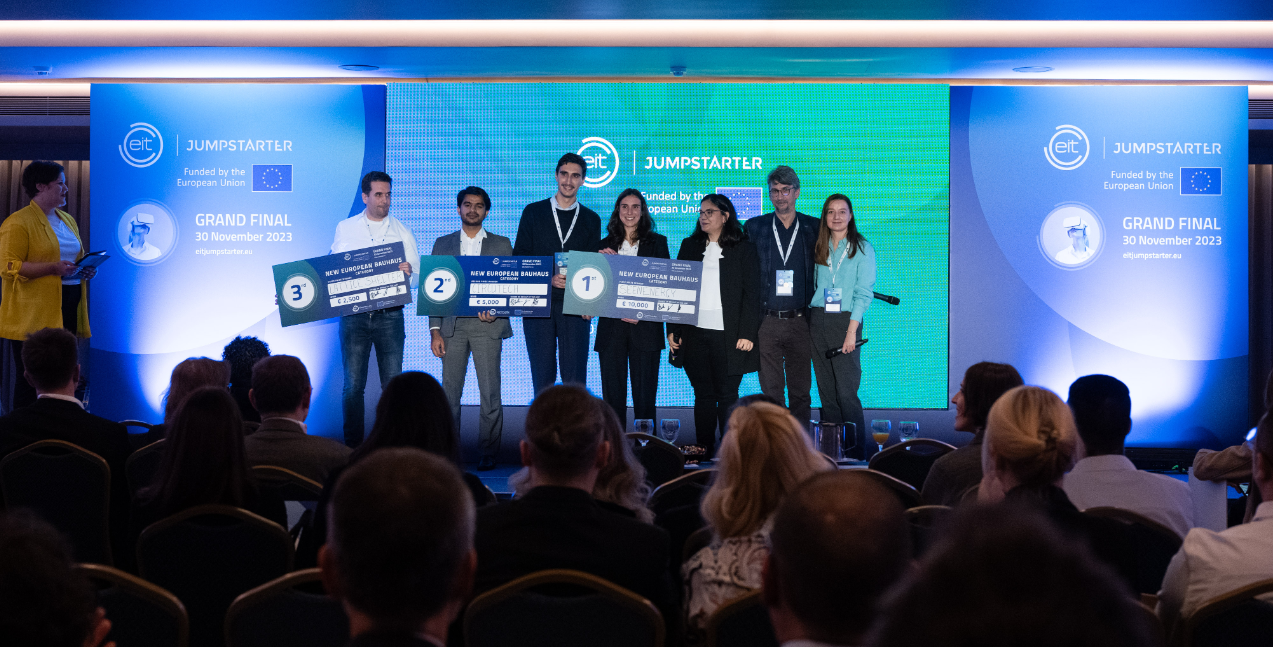
EIT Jumpstarter Grand Final 2024: New start-ups enter the European innovation scene

The EIT Jumpstarter Grand Final event is an annual culmination of a pre-acceleration programme that supports European innovators and entrepreneurs in turning their ideas into market-ready start-ups. It focuses on fostering entrepreneurship and developing start-ups scene in Central-Eastern and Southern Europe.
This year the Grand Final will be part of the bigger EIT Community conference “The next decade of innovation for the future of Europe”, which celebrates the 10th anniversary of the EIT Regional Innovation Scheme (EIT RIS). This is a key initiative under Horizon Europe aimed at reducing regional disparities in innovation across Europe. The EIT Jumpstarter Grand Final will include a dynamic live pitching session, followed by an awards ceremony to celebrate the top start-ups in each category.
The conference is free of charge, upon registration only.

48 New Start-ups Poised to Enter the Innovation Scene

This year’s EIT Jumpstarter Grand Final will take place in Budapest on November 28th, showcasing 48 start-ups. The top six from each of the eight categories — Food, Health, Manufacturing, Raw Materials, Energy, Urban Mobility, New European Bauhaus, and Rebuild Ukraine — will be awarded up to €10,000. These categories align with the EIT Community’s mission to bring innovative solutions to global challenges. Additionally, in recognition of the EIT’s strong presence in the Western Balkans, the competition will feature a special prize for a high-potential start-up from the region. In total the best teams will receive almost €150,000.
“The pipeline of start-ups established in non-Western countries through programmes like EIT Jumpstarter is growing every year, and many ventures from previous editions have now reached multimillion valuations. This is particularly important for regions in Central, Eastern, and Southern Europe, where the start-ups create new jobs, bring new skills and stimulate entrepreneurship in the region,” says Marta Kaczmarek, leading the EIT Community Strategic Regional Innovations Cluster, coordinating such activities as the EIT Jumpstarter Programme.
“Considering that every euro invested in the programme generates 30 euros in external funding for newly built start-ups, EIT Jumpstarter truly serves as a springboard for talented founders,” adds Marta Kaczmarek.

EIT Jumpstarter in Numbers

Since 2017, the programme has trained 1,180 participants, leading to the establishment of 124 new start-ups and contributing to the creation of 2,100 new jobs in the countries, which are considered emerging and moderate innovators, according to the European Innovation Scoreboard. These start-ups collectively attracted €150 million in external investment up until now. EIT Jumpstarter is open to more than 22 countries and regions and is led by EIT Health in collaboration with EIT Food, EIT InnoEnergy, EIT Manufacturing, EIT RawMaterials, EIT Urban Mobility.
Throughout the seven-month programme, participants identify and validate the best business model for their science-based innovative ideas. Participants learn how to refine their concept, conduct market segmentation, develop a strong customer value proposition, manage financials, understand investment and legal basics, and more. Graduates of the programme possess the skills and knowledge to launch their companies. As part of the alumni community, they receive further support, including various financial options, and dedicated advice from the EIT Communities regarding the next stage of their start-up journey.

HVAC Tech Innovations: Startups Bringing Smart Climate Control to the Mainstream

As the demand for energy-efficient, environmentally friendly HVAC systems grows, innovation has become a driving force within the industry. Startups are leading the charge by developing technologies that integrate smart climate control solutions with advanced tools like artificial intelligence (AI), the Internet of Things (IoT), and automation. These innovations not only improve comfort but also significantly reduce energy consumption and operational costs, benefiting both consumers and the environment.

1. The Role of IoT in HVAC Innovations

The Internet of Things (IoT) has become a game-changer in the HVAC industry, enabling devices to communicate and work together seamlessly. According to one HVAC and AC service, HVAC systems that once operated as isolated units can now be integrated into smart home ecosystems, allowing homeowners to control their heating and cooling remotely. IoT allows HVAC systems to collect and analyze data in real-time, providing valuable insights into usage patterns and system performance.

Startups are leveraging IoT to create more connected and responsive systems. For example, smart sensors can detect fluctuations in temperature, humidity, and occupancy, adjusting HVAC settings automatically to ensure optimal comfort and energy efficiency. These systems not only enhance user convenience but also contribute to significant energy savings by reducing unnecessary heating and cooling.

2. AI and Machine Learning in HVAC Systems

Artificial intelligence (AI) and machine learning are taking HVAC technology to the next level by enabling systems to learn from user behavior and environmental factors. AI-powered HVAC systems can analyze past performance data and predict future needs, allowing for automatic adjustments that improve efficiency. For example, a smart HVAC system may lower energy consumption during peak times or adjust the temperature based on occupancy levels.

Several startups are utilizing AI to enhance HVAC efficiency. These companies develop algorithms that continuously analyze system data to predict potential issues before they become critical. For instance, predictive maintenance technologies can notify users when a component is likely to fail, preventing costly breakdowns. This proactive approach not only ensures continuous comfort but also reduces long-term repair costs and extends the life of HVAC equipment.

3. Energy Efficiency and Sustainable HVAC Solutions

Energy efficiency and sustainability are top priorities for today’s consumers, and HVAC startups are responding by developing eco-friendly solutions. From geothermal systems that harness the Earth’s natural heat to solar-powered HVAC systems that reduce reliance on traditional energy sources, startups are finding innovative ways to reduce the carbon footprint of heating and cooling systems.

Many HVAC startups focus on designing systems that meet or exceed energy efficiency standards, helping homeowners reduce both energy consumption and costs. In addition, innovations like heat recovery ventilation (HRV) systems capture and reuse waste heat, further improving efficiency. As governments and businesses seek solutions to mitigate climate change, these startups are at the forefront of creating sustainable HVAC systems that align with environmental goals.

4. The Impact of Smart Thermostats and Automation on Climate Control

Smart thermostats have evolved beyond basic temperature control, offering features that allow for fully automated climate management. Homeowners can now program their HVAC systems to adjust based on their daily routines, reducing energy use when no one is home. Startups are taking smart thermostats to the next level by developing models that integrate with other smart home devices, such as lighting and security systems, for a cohesive smart home experience.

Automation has become a key trend in smart climate control, enabling systems to adapt in real time to external conditions. For instance, a smart thermostat may adjust the HVAC system based on changes in outdoor weather conditions or energy prices, optimizing both comfort and cost savings. By automating HVAC systems, homeowners can reduce their environmental impact without sacrificing comfort.

5. Startups Driving the HVAC Innovation Wave

Many startups are making waves in the HVAC industry by introducing cutting-edge technologies that improve energy efficiency, reduce operational costs, and enhance user comfort. One example is a startup that has developed a fully automated HVAC system that uses AI and machine learning to adapt to user preferences and environmental conditions. The system continuously learns from data, ensuring optimal performance while minimizing energy use.

Other startups are focusing on creating modular HVAC systems that can be easily installed and upgraded, making them accessible to a broader range of consumers. These modular systems offer greater flexibility, allowing homeowners to customize their heating and cooling setup based on their specific needs. By offering scalable solutions, these startups are ensuring that smart climate control becomes more accessible to everyone, regardless of home size or budget.

6. Conclusion: The Future of HVAC Tech and the Role of Startups

The HVAC industry is experiencing a period of rapid transformation, driven largely by the innovations introduced by startups. By incorporating advanced technologies like IoT, AI, and automation, these companies are making HVAC systems smarter, more energy-efficient, and more sustainable. These advancements not only offer convenience and cost savings to consumers but also contribute to broader environmental goals by reducing energy consumption and carbon emissions.

As we look to the future, startups will continue to play a critical role in advancing HVAC technology. The demand for sustainable, efficient heating and cooling solutions is only expected to grow, and startups are well-positioned to meet this need with innovative products and services. From smart thermostats to AI-driven maintenance, the future of HVAC is bright, and these emerging companies are at the forefront of making smart climate control the new standard in homes and businesses across the globe.

Enterprise Ireland launch the Founder of the Year Award 2024

Enterprise Ireland today launched the High Potential Start-Up (HPSU) Founder of Year Award 2024. The overall winner will be announced at an awards ceremony which will take place on Thursday, 17 October 2024 at the Gibson Hotel, Dublin 1.

This year 67 High Potential Start-ups are eligible for the award which will be whittled down to nine finalists.  Pictured from among the eligible companies are Heidi Davis, co-founder of Peri and Darren O’Reilly, co-founder of Whole Supp.  On the 17th October, a peer nominated group of the nine companies will present to the judging panel, who will decide the final winner.

The Founder of the Year award forms an important element of the Enterprise Ireland HPSU Founders Forum. Now in its ninth year the HPSU Founders Forum, which is delivered in partnership with Select Strategies continues to grow with over 450 founders having participated to date from a variety of sectors including digital technologies, medical devices, fintech, food, engineering and construction. The objective of the Forum is to provide a platform for founders to help founders succeed internationally and scale faster.

Leo Clancy, CEO, Enterprise Ireland, “The Founder of the Year Awards promotes Ireland’s ecosystem of entrepreneurs who have displayed the potential and commitment to building their businesses and realising their global ambition. We are delighted to build on the success of the Awards which is now in its sixth year, and the Founders Forum which acknowledges and celebrates high-performance, innovative Irish start-ups. I wish all the nominees the best of luck in the run-up to the awards night in October.”

AWS Announces $230 Million Commitment for Generative AI Startups

Amazon Web Services, Inc. today announced a $230 million commitment for startups around the world to accelerate the creation of generative AI applications. This will provide startups, especially early-stage companies, with AWS credits, mentorship, and education to further their use of artificial intelligence (AI) and machine learning (ML) technologies. Part of the new commitment will fund the second cohort of the AWS Generative AI Accelerator, a program that provides hands-on expertise and up to $1 million in credits to each of the top 80 early-stage startups that are using generative AI to solve complex challenges. Applications for the AWS Generative AI Accelerator open today and will be accepted until July 19. Startups can apply here.

“For more than 18 years, AWS has helped more startups to build, launch, and scale their business than any other cloud provider—it’s no coincidence that 96% of all AI/ML unicorns run on AWS,” said Matt Wood, vice president, Artificial Intelligence Products at AWS. “With this new effort, we will help startups launch and scale world-class businesses, providing the building blocks they need to unleash new AI applications that will impact all facets of how the world learns, connects, and does business.”

Interested startups can learn more about how to access these funds here. Startups can use AWS credits to access AWS compute, storage, and database technologies, as well as AWS Trainium and AWS Inferentia2, energy-efficient AI chips that offer high performance at the lowest cost. These credits can also be used on Amazon SageMaker, a fully managed service that helps companies build and train their own FMs, as well as to access models and tools to easily and securely build generative AI applications through Amazon Bedrock.

AWS Generative AI Accelerator continues to launch successful startups

The AWS Generative AI Accelerator identifies top early-stage startups that are using generative AI to solve complex challenges in areas such as financial services, healthcare and life sciences, media and entertainment, business, and climate change, among others. Participants will access sessions on ML performance enhancement, stack optimization, and go-to-market strategies. The 10-week program will match participants with both business and technical mentors based on industry vertical. Startups will receive up to $1 million each in AWS credits to help them build, train, test, and launch their generative AI solutions. They will also have access to industry experts, technology, and technical sessions from NVIDIA, the program’s presenting partner, and be invited to join the NVIDIA Inception program, designed to nurture cutting-edge startups.

AWS will announce selected startups for the second cohort on September 10, and the program will kick off on October 1 with in-person sessions at Amazon’s Seattle campus. All 80 participating startups will be invited to attend and showcase their solutions to potential investors, customers, partners, and AWS leaders in December at re:Invent 2024 in Las Vegas.

“AWS has been instrumental in enabling us to scale our generative AI platform to meet the rapidly growing demand from our global user community. Their robust generative AI infrastructure helped us reduce inferencing costs by 60% and accelerate our language model inference speeds by up to 35%,” said Jachin Bhasme, co-founder and COO of Leonardo.AI, a powerful suite of generative AI tools for creators and one of the 21 startups to participate in the first cohort of the program. “The accelerator was also an incredible experience for us. The business and technical mentorship we received and the connections we made played a crucial role in shaping our product and strategy.”

“AWS has the right combination of technology, network of partners, and potential customers in the life sciences space that made it the best fit to support our vision of building the next generation of AI models for drug discovery,” said Nima Alidoust, Ph.D., CEO and co-founder of Vevo Therapeutics, an AI-driven biotechnology startup building the world’s first platform to generate high-resolution, single-cell in vivo data in living organisms at scale. “Participating in the AWS Generative AI Accelerator program provided us with valuable opportunities to tap into this community and to leverage AWS’s infrastructure and expertise in scaling model training and development.”

To learn more about the opportunities for generative AI startups choosing AWS, and the application process for the AWS Generative AI Accelerator, visit startups.aws.

15 Cork Start-Ups Spring Forward from Enterprise Ireland’s New Frontiers Programme in Munster Technological University

Fifteen Cork start-up founders have completed Enterprise Ireland’s New Frontiers Programme in MTU’s Rubicon centre. Starting last September, the group participated in a 6-month, full-time acceleration programme, benefitting from seed funding of €15,000, individual professional mentoring, expert-led workshops, access to MTU’s research expertise and free office space for their start-up. The startups have moved from concept to investor readiness, pitching in front of investors in Ireland and the USA. In addition to the support from the Rubicon team, mentors and trainers, the founders benefited from the wide range of supports available for startups across the Southwest region and the wide network of New Frontiers alumni.

Nine of the startups have already launched their products on the market, with customers in Ireland and abroad. Enterprise Ireland and the Local Enterprise Offices are continuing to provide assistance and many of the startups are working with MTU’s Technology Gateways which are providing technical supports to help them implement their product road maps.

New Frontiers Programme Manager, Aoife McInerney said “It’s been very rewarding to watch these founders develop their products and engage with the vibrant start up community that exists in the region. We look forward to seeing them continue to grow in the coming months and years”.

Elvis Seporaitis of Volta Robotics received The Best Business Opportunity Award at the end of programme and Paula McGovern of Wizard and Grace Candles received the award for Best Pitch.  Elvis Seporaitis commenting on receiving his award said “New Frontiers provided me with new skills and networks to accelerate my startup business, in a dynamic entrepreneurial environment. I look forward to growing my business using the networks and support available, in the years ahead.”

Alumni of the New Frontiers programme in Cork include LegitFit, BladeBridge, HaPPE Earth, Swyft Energy, Spéire and Kuul Play.

Enterprise Ireland’s New Frontiers programme equips ambitious founders with the right connections, the right skills, and the right route to capital. It empowers them to take an idea or early-stage business through the initial development phases and prepare for their first phases of fundraising and growth. Delivered nationally, New Frontiers is the right way to build a successful and sustainable startup.

For more information and applications please visit www.rubiconcentre.ie or www.newfrontiers.ie

Application deadline is June 7th 2024.

Mictic – Transforms movement into sound in real time with Augmented Reality. #Mictic #AR #StartUp

 Mictic presents a wristband that uses your body movements to create sound through your phone or tablet in real-time. Forget air guitaring, think air drumming. Various activities are enriched using interactive sound patterns. This marks the beginning of a new era: audio augmented reality.

Do you want to play Bach, the Star Wars theme song or your favorite pop tune on the cello, and experience music like never before? Mictic allows you to play them all, giving everyone the opportunity to create or play music without an actual instrument. Thanks to wristbands with sensors, various instruments are controlled by simple motion – in other words: Mictic makes music following your movements. It is the perfect gadget for all those who love to express themselves through movement and sound. 

The world’s first body instrument is as small as a watch and can be fixed to either wrists or ankles, making it portable as well as easy to carry. It is a tool developed to support musicians and performers, for instance when they are working on a new piece. Particularly developed sound kits have been tested and approved: The instruments are played by intuitive hand or leg movements. Mictic will provide additional instruments and individual sound kits, including robotic sounds or light sabers, thus also giving young ones a creative tool.

Rolf Hellat, Founder and CEO: «I want to empower everyone to intuitively create music with their own body! Everybody should experience the excitement of hearing sounds connected to their movements, something unknown so far. It just makes you smile – I can guarantee that much.»

Mictic AG is a rapidly growing startup founded and based in Zurich. To get their product off the ground and – quite literally – moving, the highly experienced and dedicated team has partnered with the Swiss Startup Factory. 

The emerging company is currently looking for investors to finance their app as well as new developments and products. The pre-sale will be launched by July 2019 to raise funds for continued development. The product will be available in early 2020.

«After three years of developing the technology, we are finally ready for the last step: To develop the easy-to-use smartphone app. To finance this, we will start taking pre-orders,» says Rolf Hellat, Founder and CEO.


Stay tuned and check out the website mictic.com to sign up for pre-orders and to become part of the next musical revolution.

Dell EMC and GirlCrew host third SupperClub to mark Dublin Start-up Week #StartUpWeek #DellEMC

The third Dell EMC Supper Club, in partnership with GirlCrew has been announced to take place on Wednesday 21st November to mark Dublin Start-Up Week 2018. The Dell EMC SupperClub is an initiative to support female entrepreneurs as they work to grow their businesses and their networks.

The Supper Club meets regularly, bringing female entrepreneurs at similar stages on their start-up journey together around a table to exchange advice and to share ideas and strategies for success.

Dell EMC has a strong track record of supporting budding female entrepreneurs. The company runs the Dell Women’s Entrepreneur Network (DWEN), an annual gathering of female entrepreneurs established to address some of the challenges faced by women when starting and growing their business. In the most recent summit in Toronto, DWEN brought together female leaders from across the globe to connect with networks, sources of capital, knowledge and technology.

Building on that success, a special DWEN Women Funding Women event will be held in Dublin in early February to create new links between female entrepreneurs and potential investors who can fuel their scale-up success.

Commenting on the series, Aisling Keegan, Vice-President and Commercial General Manager, Dell EMC Ireland said: “Dell EMC is delighted to announce the third in our SupperClub series that look to nurture today’s start-up female entrepreneurs to become tomorrow’s scale-up success stories. We have consistently received feedback from women entrepreneurs from around Ireland highlighting the value of fostering a network and facilitating the exchange of ideas with other female entrepreneurs as invaluable in helping them to grow their businesses.

“At each SupperClub, we bring twenty female entrepreneurs together around a table to share their experiences and successes over dinner. It’s an exciting and intimate series for us to be involved in, where our team members from Dell EMC have the opportunity to share advice on how to build for growth and scale from day one, how to navigate international markets, embrace digital transformation and access finance. I’m really looking forward to the upcoming one marking Dublin Start-Up Week, it’s set to be a great night.”

Pamela Newenham, Co-Founder, GirlCrew said: “We’re excited to be working with Dell EMC on this series which has proved to be really successful since it started. GirlCrew is a platform for women to make friends and these SupperClubs perfectly complement what we do. We love how relaxed the atmosphere is, yet our attendees get so much out of the night while really enjoying themselves. I have no doubt the 21st November will be another great night as we have some great speakers lined up!” 

Speakers at the third Dell EMC Supper Club on Wednesday, 21st November include Sophie Feruch, Co-Founder of AnyGym and Nuala Murphy, CEO of Moment Health. They will be interviewed on the evening by Ci Moulton from GirlCrew.

Entrepreneurs looking to take part will receive more information through the Dell EMC social channels as well as through GirlCrew. To find out more log onto www.girlcrew.com.