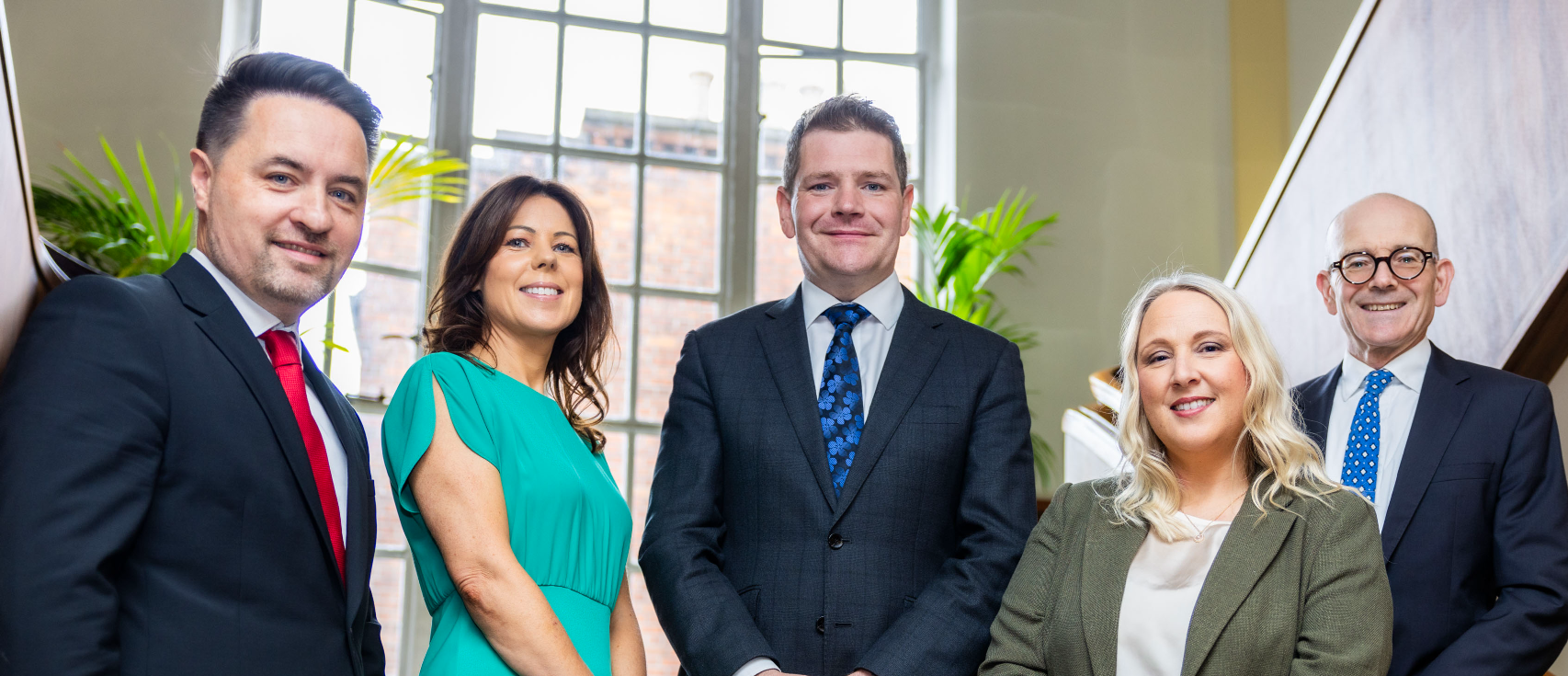
Over 6,500 Irish SMEs directly helped by National Enterprise Hub in its first 12 months

Over 6,500 SMEs have been directly supported by the all-of-Government National Enterprise Hub (NEH) in the first 12 months since its launch.

The top grants availed of by businesses ranged in value from €3,000 to €7,000 and  focused on supporting businesses with cashflow, expansion and productivity to help them deal with concerns around rising costs, and competitiveness.

The National Enterprise Hub has attracted over 220,000 active online users to its website over the last 12 months and also offers a full-time dedicated phone line, connecting business owners with specialist advisors who can discuss potential grant options over the phone.

The National Enterprise Hub, an initiative of the Department of Enterprise, Tourism and Employment and Enterprise Ireland, brings together information and resources on over 250 Government supports from 30 different Departments and State Agencies. Looking ahead, there will be a continued and renewed focus on simplifying business grant applications for SMEs engaging with the National Enterprise Hub.

The businesses are from a range of industries however the majority fall within Tourism & Hospitality, retail & consumer products, food, health & beauty, professional services and the construction sector. This free service makes it easier and more efficient for businesses to access and avail of supports such as grants, funding, loans and expert advice across a range of sectors.

Minister for Enterprise, Tourism and Employment, Peter Burke, said “With over 6,500 companies engaging in its first 12 months, the National Enterprise Hub has proven effective in streamlining and simplifying access for SMEs to government supports, equipping them with vital digital and sustainability resources to navigate rising costs and stay competitive.

Research from my Department shows that four in five businesses believe sustainability is important. An awareness campaign is currently underway showcasing how the NEH can support businesses in cutting costs through grants such as the LEO’s Energy Efficiency Grant and SEAI’s Business Energy Upgrade Scheme.

My focus now with the NEH is on reducing administrative burdens and red tape for businesses by consolidating multiple grant applications into a single, simplified process. We must redouble our efforts to simplify processes for businesses and make sure that we think about small businesses first. I look forward to its continued growth and positive impact on Irish SMEs.”

Conor O’Donovan, Head of Start-Ups and the National Enterprise Hub, said: “SME engagement with the National Enterprise Hub has met and exceeded our targets to date, supporting 6,500 businesses within our first year of operation. One of the main aims of the Hub was to engage with businesses who haven’t availed of government supports to date and to make the process of availing of government supports faster and easier.”

“We know that Irish SMEs are operating in a complex environment and being able to access grants and supports is more important than ever. Small businesses who are engaging with the National Enterprise Hub are concerned about rising cost of business and competitiveness – that is why a single source of government supports for businesses is important to ensure that accessing the right information is made easier.

The National Enterprise Hub has a team of dedicated advisors who are directing SMEs to the right support that will help them. It’s for every business in the country and we’d encourage every business to go online to neh.gov.ie or pick up the phone and start the conversation around your business needs today.”

Audrey Hughes, CEO ofPrinciple HR said: “Like so many Irish SMEs, we are focused on providing the highest quality of service delivery to our customers, while remaining competitive. Accessing government supports to assist can feel daunting but the National Enterprise Hub made the process so much easier by putting us in contact with the right agency whose support and expertise fitted our needs. Through our initial engagement with the National Enterprise Hub, Principle HR is now an Enterprise Ireland client and in a short period of time our business has been helped through the strategic marketing review support and engagement with their overseas market advisors. With the business environment constantly changing, I’d encourage all SMEs no matter what stage they are on their growth journey to contact the NEH today to learn about what supports could be available to them.”


Top Supports Availed of by SMEs through National Enterprise Hub:

•    Dept of Social Protection: Wage Subsidy Scheme

•    Dept of Social Protection: Jobs Plus Subsidy

•    Enterprise Ireland: Pre-Seed Start Fund

•    Enterprise Ireland: New Frontiers Programme

•    Enterprise Ireland/LEO: Innovation Vouchers

•    LEO: Energy Efficiency Grant

•    LEO: Mentoring

•    LEO: Start Your Own Business Programme

•    LEO: Grow Digital Voucher

•    MicroFinance Ireland: Start-up Loan

•    Revenue: Start-Up Relief for Entrepreneurs SURE

•    SBCI: Growth and Sustainability Loan Scheme

•    SBCI: Leasing and Hire Purchase

•    SEAI: Exceed Grant Scheme

•    Skillnet Ireland: Skillnet Business Networks

•    Skillnet: Mentoring

•    Solas: SOLAS Micro-Qualifications


The Hub team can be contacted through the website (www.neh.gov.ie), email enquiry@neh.gov.ie  or by phone (01 727 2100), where users can engage directly with an advisor.

Vodafone champions Irish businesses with exclusive Six Nations brand advertising opportunity worth over €25,000

A lucky Vodafone Business customer will get to answer Ireland’s call and bring their business to the big screen at a packed Aviva Stadium as Ireland host France in round three of the Six Nations Championships on March 8th.

Vodafone provides business support to over 60% of Irish businesses. The Bring your Business to the Big Screen initiative is worth over €25,000 to the successful SME and is open to Vodafone SME Business customers.

Vodafone is offering its winning partner some of its own in-stadium pitch-side branding  for the highly anticipated Six Nations fixture against France. The winning business will also receive an exclusive video content package, two VIP tickets to attend the match and see their brand advertised, as well as an exclusive invitation to meet the team at their Captain’s Run the day before the match.

Last year’s Six Nations clash between Ireland and France attracted a TV audience of over 1 million viewers in Ireland and 6.6 million viewers in France and when Ireland last hosted the French in Dublin in 2023, the fixture delivered a 70% share of Ireland’s TV audience.

As the two tournament favorites go head-to-head, the Aviva Stadium will be at full capacity adding another 50,000 people to the number who will be exposed to the company’s brand.  To enter, companies must visit the Vodafone.ie business website and fill out a simple form – entries must be submitted by the 7th February, 2025.

Over 2,000 SMEs applied to participate in Vodafone’s ‘Bring your Business to the Big Screen’ initiative in 2024 which provided four small Irish businesses exposure during the Autumn Nations Series at the Aviva Stadium in November 2024 – SOS Cookies (Limerick), The Farmhouse.ie (Longford), JANDO and Lotts & Co. (both Dublin) were featured on pitch-side and digital screen advertising during the game.

Amanda Nelson, CEO at Vodafone Ireland said: “This initiative is one of the most rewarding for our Vodafone Business team as we get to leverage our Irish Rugby sponsorship to the benefit of one of our SME customers.  This scheme will expose their brand to over 1 million people in Ireland and will also deliver significant exposure overseas. Ireland and France are the favourites for this year’s Six Nations title, which will increase interest even further in the fixture and provide a fantastic platform for one of our SME customers to share in the spotlight.”

Vodafone Ireland has been the main sponsor of the Irish Rugby Football Union (IRFU) since 2016. As part of this sponsorship, Vodafone shares a number of exclusive benefits with its customers, allowing them to feel part of the #TeamOfUs.This competition along with practical supports like V-Hub, a free digital support service offering tailored advice to help businesses navigate their digital transformation journey, are just some of the ways Vodafone is supporting small businesses.

SMEs – sustainability can lead to cost savings in the long run

Pat Kane is a sustainability advocate and strategist, speaker, writer and the founder of reuzi, a business that has evolved to become a whole hub for environmental living and awareness. 

Here Pat writes about sustainability for SMEs – and while some SMEs may perceive sustainable practices as costly, the reality is that they often lead to cost savings in the long run.

Sustainability is no longer a buzzword reserved for large multinational corporations or niche industries; it is a critical business imperative that small and medium-sized enterprises (SMEs) cannot afford to overlook. As global awareness around environmental and social issues grows, SMEs are increasingly recognising that sustainable practices are not just ethically sound, but also economically advantageous. The integration of sustainability into the core strategy of an SME can unlock new opportunities, enhance brand reputation, and build resilience against future challenges.

The importance of sustainability for SMEs stems from several interrelated factors. First and foremost, consumers are becoming more discerning, favouring companies that demonstrate a commitment to sustainable practices. This shift in consumer behaviour is not a passing trend but a fundamental change in how people choose to spend their money.

SMEs that fail to adapt risk alienating a significant portion of their customer base.

Regulatory landscapes are also evolving, with governments around the world implementing stricter environmental and social governance (ESG) requirements. SMEs that proactively embrace sustainability will find themselves better positioned to comply with these regulations and avoid potential penalties.

Another critical factor is the financial implications of sustainability. Although some SMEs may perceive sustainable practices as costly, the reality is that they often lead to cost savings in the long run. Efficient resource management, waste reduction, and energy-saving measures can significantly lower operating costs. SMEs that incorporate sustainability into their operations are more likely to attract investment, as investors increasingly prioritise companies with strong ESG credentials. These companies are viewed as lower risk, given their proactive approach to managing environmental and social issues, which can lead to better financial performance over time.

Starting on the sustainability journey might seem daunting for SMEs, especially given limited resources and expertise compared to larger companies. However, the key is to start small and gradually build upon those efforts. The first step is to assess the current environmental and social impact of the business. This could involve evaluating energy usage, waste production, supply chain practices, and community engagement. Identifying areas where improvements can be made will provide a clear roadmap for action.

Once the assessment is complete, setting achievable goals is essential. These goals should be specific, measurable, and aligned with the company’s overall business strategy. For example, an SME might commit to reducing its carbon footprint by a certain percentage within a set timeframe or to sourcing a portion of its materials from sustainable suppliers. These goals should be revisited regularly to track progress and make adjustments as needed.

Learning from SMEs that have already embarked on their sustainability journey can provide valuable insights and inspiration. Take, for instance, the story of Innocent Drinks, a UK-based company that started as a small business and has grown into a well-known brand. From the outset, Innocent Drinks placed a strong emphasis on sustainability, using 100% recyclable packaging and committing to sourcing ingredients ethically. Their approach to sustainability is deeply embedded in their brand, which has resonated with consumers and contributed to their success.

Pat Kane

Patagonia is another great example that, while larger, offers lessons in transparency and ethical business practices. They started with small steps like using organic cotton and recycled materials, which over time evolved into a comprehensive sustainability strategy. SMEs can take inspiration from Patagonia’s gradual, transparent approach to incorporating sustainability, understanding that the journey does not have to be perfect from the outset but can develop and improve over time.

Finally, it is important to remember that sustainability is not just about environmental impact; it encompasses social responsibility as well. This means that SMEs should consider how their operations affect employees, communities, and society at large. Building a sustainable business model involves fair labour practices, community engagement, and contributing to the broader social good.

I think it’s fair to say that sustainability is crucial for SMEs not only to stay competitive and compliant in a rapidly changing world but also to ensure long-term viability and success.

Starting with a clear assessment, setting realistic goals, and learning from those who have successfully integrated sustainability into their business practices can set SMEs on the right path. The shift toward sustainability is an ongoing journey, one that offers SMEs the chance to innovate, build stronger relationships with customers and stakeholders, and contribute positively to the world.

Pat Kane bio

Pat Kane is a sustainability advocate and strategist, speaker, writer and the founder of reuzi, a business that has evolved to become a whole hub for environmental living and awareness.

reuzi exists in both the real and virtual worlds, with pop-ups, some very exciting in-store concessions and a busy online presence.

Pat’s mission is to inspire and empower individuals and businesses to drive positive impact through a wide offering of sustainable products and strategic services.

Pat is also a partner and Chief Sustainability Officer for environmentally-focused consultancy, Pragmatica. Pragmatica aims to support organisations from family businesses to SMEs to large corporations, on how to improve their green credentials.

For more see: https://www.instagram.com/iampatkane/

SD Worx invests €3M to expand payroll services to SMEs in Ireland

SD Worx Ireland, the leading payroll and HR solutions provider, has announced that it is investing €3 million to expand its payroll offering and roll the service out to small and medium-sized enterprises (SMEs) in Ireland. Historically servicing medium and large enterprises of over 250 employees, SD Worx’s innovative payroll solution is now available to SMEs across all industries.

The investment will span five years across technology, services, and people within SD Worx Ireland. During this timeframe, the company forecasts that 20% of its business will stem from SMEs and expects revenue growth from the SME sector of 60% per year.

Driving the demand for the service among SMEs in Ireland are new reporting regulations, such as gender pay gap reporting. This requires increased payroll visibility and accuracy and applies to SMEs with over 150 employees for the first time this year, and those with more than 50 employees in 2025. Meanwhile, legislation relating to statutory sick pay and upcoming auto-enrolment for pensions brings additional administration, meaning smaller businesses may not have the necessary internal resources to keep pace with the rate of change.

In addition to these challenges, according to SD Worx’s Payroll Proficiency in Ireland report, the movement of personnel within organisations, such as joiners or leavers, is making payroll handling more difficult for a quarter (25%) of businesses in Ireland. Meanwhile, the administration of employee presence and absence (cited by 56%) was ranked as the process that complicates payroll the most. Data collection and access to, or integration of, data sources was also signalled as a challenge by 51% of organisations.

SD Worx’s €3M investment will ensure that all organisations, no matter their size, have access to the same resources as larger enterprises in overcoming these challenges. The company’s investment covers the establishment of a dedicated team to support SMEs in Ireland, customisation of operational design, and technology upgrades. With these enhanced capabilities, within the next 12 months, the company expects to grow its customer base by up to 50 SMEs in sectors such as retail, hospitality, and construction, as well as customers in financial and professional services.

The establishment of its SME service comes at a time when SD Worx is on an aggressive growth path in Ireland and will support its strategy in this area. In February, SD Worx announced that it will create 40 new jobs in Ireland in the next two years, growing its team to 115 as part of a €2.9M investment in its workforce. Ireland’s fastest-growing payroll technology company, SD Worx has been operating in Ireland for nearly 30 years, previously as Intelligo until it was acquired by SD Worx in 2022. Its enterprise-grade payroll solution pays one in five employees in Ireland’s corporate sector.

Eimear Byrne, Country Lead, SD Worx Ireland, said: “We have scaled up our own capabilities so that businesses who may lack the necessary internal resources can keep pace with evolving payroll trends and requirements. SD Worx aims to empower SMEs to focus on their core business activities while leaving the complexities of payroll management to trusted professionals. Our new offering means that amid intense competition for top talent, increasing regulations and rising costs, SMEs can continue to grow and thrive with on-hand payroll support and cost certainty.

SMEs can often be stretched in terms of resources and this enhanced service will provide peace of mind for those who seek the reliability we offer by never missing a pay date or Revenue submission. The service will also guarantee that SMEs are compliant with regulations and effectively safeguarding confidential company and employee data. We are looking forward to working closely with organisations in the SME space to drive value and underpin their continued success.”

SD Worx’s flexible and scalable managed payroll service relieves pressure on businesses, reduces administrative burdens, and frees up resources that can be refocused elsewhere in the organisation. SD Worx’s outsourced payroll solution is updated in line with the latest legislation, ensuring customers remain compliant. SD Worx also has a dedicated expert team in place to support growing organisations.

SD Worx’s managed payroll offering is built on highly secure MegaPay software and protects customers’ sensitive information, with all data securely hosted in Ireland. In addition, a fixed monthly cost provides price transparency for businesses.

Google launches dedicated AI training module for SMEs in Ireland

Widespread adoption of generative AI has the potential to boost Ireland’s GDP by up to €45 billion (8%) in ten years, according to a report conducted by Implement Consulting Group and commissioned by Google. The increase is predominantly driven by a productivity boost to two-thirds of Ireland’s workers. The report is part of a comprehensive study carried out between November 2023 and March 2024 that unveils the transformative economic potential of generative AI in the EU. Several countries, including Ireland, were analysed across the following areas:


  1. The economic impact of AI

  2. The impact of AI on jobs

  3. Key sectors benefiting from AI adoption

  4. AI readiness

  5. AI and societal challenges


Economic impact

The 8% increase in GDP is largely attributed to a productivity boost to the majority of workers (66%) by augmenting their capabilities and enhancing efficiencies. The calculation takes into account the impact of re-employment of a small share of workers. At its peak, the productivity effect of generative AI in Ireland is estimated to be equivalent to 1.4% of GDP annually. A five-year delay in capturing the benefits of generative AI is estimated to reduce the GDP growth potential from 8% (€40-45 billion) to only 2% (€8-10 billion).

Peter Burke T.D., Minister for Enterprise, Trade and Employment:

“AI offers the potential to deliver a step change in productivity and growth in business, including for our SMEs. Our goal is for Ireland to be a leader in adoption of human-centric, trustworthy AI, as set out in our National AI Strategy, ‘AI – Here for Good’.

AI technology is clearly an enormous opportunity, and we must act now to seize the opportunity in order to harness AI technology for the good of both our economy and society. I welcome the publication of this research and Google’s engagement to support Ireland’s small businesses.”

Job implications

Most jobs in Ireland (66%) are expected to be assisted by generative AI – automating a limited share of tasks and helping to create content including text, code and images, and collaborating with workers on complex problems. Unlike previous waves of automation that mainly impacted manual workers, generative AI is expected to primarily affect office-based professionals. An estimated 28% of jobs in Ireland are likely to remain largely unaffected by generative AI. These jobs include manual labour, outdoor tasks, such as construction and cleaning, and human-to-human tasks, such as personal care and food services. A small share of jobs (6%) are expected to have over half of their activities exposed to automation by generative AI.

Key sectors benefiting from AI adoption

The complementary role of generative AI means it can boost productivity across all sectors. Due to the vast size of Ireland’s manufacturing sector (45% of Irish GVA), this is the area that holds the largest economic potential, where generative AI is estimated to boost annual productivity growth by 1.2% at peak, representing an increase of €15-16 billion. In contrast to past automation, such as robots, generative AI has the ability to boost productivity in the service sector, and many other countries are expected to see the greatest economic gains there.

AI Readiness

When it comes to AI adoption in Irish enterprises, Ireland is on par with the EU average level of adoption at 8%, but lags behind Northern European frontrunners such as Denmark (15%), Finland (15%), and Belgium (14%). In terms of research and development, Ireland cannot compete with large economies, such as the United States, and will therefore be dependent on EU-wide initiatives. Current gaps suggest that Ireland needs to focus on strengthening AI-related innovation drivers, such as the build-up of AI-related talent and research.

Google has today announced a new AI education training pillar for SMEs in Ireland. ‘Get ahead with AI’ is a module offered as part of You’re the Business, Google’s digital upskilling programme delivered in partnership with Enterprise Ireland and the Local Enterprise Offices. The resource, available free of charge, provides on-demand training, educational resources, and tools to help SMEs use AI effectively for their businesses. More information is available at g.co/yourethebusiness.

Societal challenges

Generative AI can help us address societal challenges like climate change enabling Ireland to achieve its goal of carbon neutrality by 2050. Agricultural emissions can be reduced by AI, where machine learning algorithms allow precision farming practices that are more eco-friendly. It can optimise critical resources in the healthcare sector leading to enhanced patient care. AI can also contribute to  a more equitable society – early studies suggest that generative AI can help close the skills gap for those with the lowest skill levels.

Vanessa Hartley, Head of Google Ireland said:

“For the past twenty years, Ireland has been at the forefront of the digital age, embracing new technology and leading innovation in Europe . Today we are at an inflection point and we have an immense opportunity to ensure Ireland remains at the heart of this next transition to AI.

“It is not too late to be early with AI. At Google, we’re approaching this work boldly and responsibly and we are committed to ensuring that Ireland remains a digital frontrunner. Which is why today we are launching a new AI education pillar on You’re The Business  to help SMEs use AI effectively for their businesses. “

Martin H. Thelle, Partner at Implement Consulting Group:

“Ireland should seek to leverage the national presence of multinational tech giants by incentivising partnerships and mentorship programmes between these corporations and SMEs. This can facilitate knowledge transfer, provide access to advanced AI tools and resources as well as encourage the development of AI-based business models in the start-up ecosystem.”

Information on You’re the Business is available at g.co/yourethebusiness.