LinkedIn Data Shows 1 in 10 Jobs Allow Staff To Work From Home

Ireland continues to lead the way for flexible working according to new LinkedIn data published today, which saw the country ranked first for the availability of remote roles, with 9.1% of job postings on the platform in August. Ireland also ranked second in Europe for hybrid jobs, with 37% of jobs postings on LinkedIn categorised as hybrid working, closely behind the United Kingdom (39.3% share of all job postings.) Remote roles also remain some of the most competitive jobs on LinkedIn, making up 15.4% of job applications in EMEA, with Ireland seeing even greater level of demand at 20.1%.
Women faced with a ‘double edged sword’ as a result of flexible work
While flexible working has brought about many benefits for professionals in terms of work life balance, a new research paper published by LinkedIn has revealed that it also presents a double edged sword for women. LinkedIn international data shows that men consistently advance faster than women, with 10% of men promoted within 65 months, compared to 74 months for women.
The research revealed that this gap varies depending on flexible working, with on-site roles offering the fastest route for a promotion. Flexible arrangements reduce this gap, but only because progression slows for both men and women. On site roles saw 10% of men promoted within 64 months, with 10% of women achieving this within 68 months. Hybrid roles, however, saw delayed promotional opportunities, with men and women being promoted within 70 months and 72 months respectively. So while flexible work roles lead to greater parity between genders, staff based on site are promoted faster at the expense of slower progression for women.
Demand for AI talent continues to soar
LinkedIn’s data continues to highlight soaring demand for AI talent. AI engineering roles now represent nearly 7% of all technical job postings on LinkedIn – a 63% year-over-year increase. Demand is not limited to technical roles – knowing how to work with AI agents is the fastest-growing skill in 2025, and AI literacy capabilities such as prompt engineering have surged more than 70% in postings across fields like marketing and design.
Commenting on the latest data, LinkedIn Ireland Country Manager Cara O’Leary said: “Our data has consistently shown that Ireland continues to lead the way for remote and hybrid work opportunities, demonstrating how flexibility has become firmly established as a defining feature of our jobs market. Professionals are clearly embracing the benefits of choice in how and where they work, with Ireland seeing even stronger demand for remote roles than our European peers. This shows just how fundamental flexible working has become to attracting and retaining top talent, as employers continue to adapt to shifting expectations.”
“At the same time, our research highlights that flexible working is not without its challenges – particularly for women, who continue to face slower progression in the workplace. While hybrid arrangements help to narrow the gender promotion gap, they do so largely by slowing advancement for everyone. These findings underline the importance of companies being intentional about how they support career development in flexible environments, while also preparing for the next wave of change as AI reshapes roles and skills across industries.”

IDA Ireland welcomes expansion of IBM’s software developer presence in Waterford

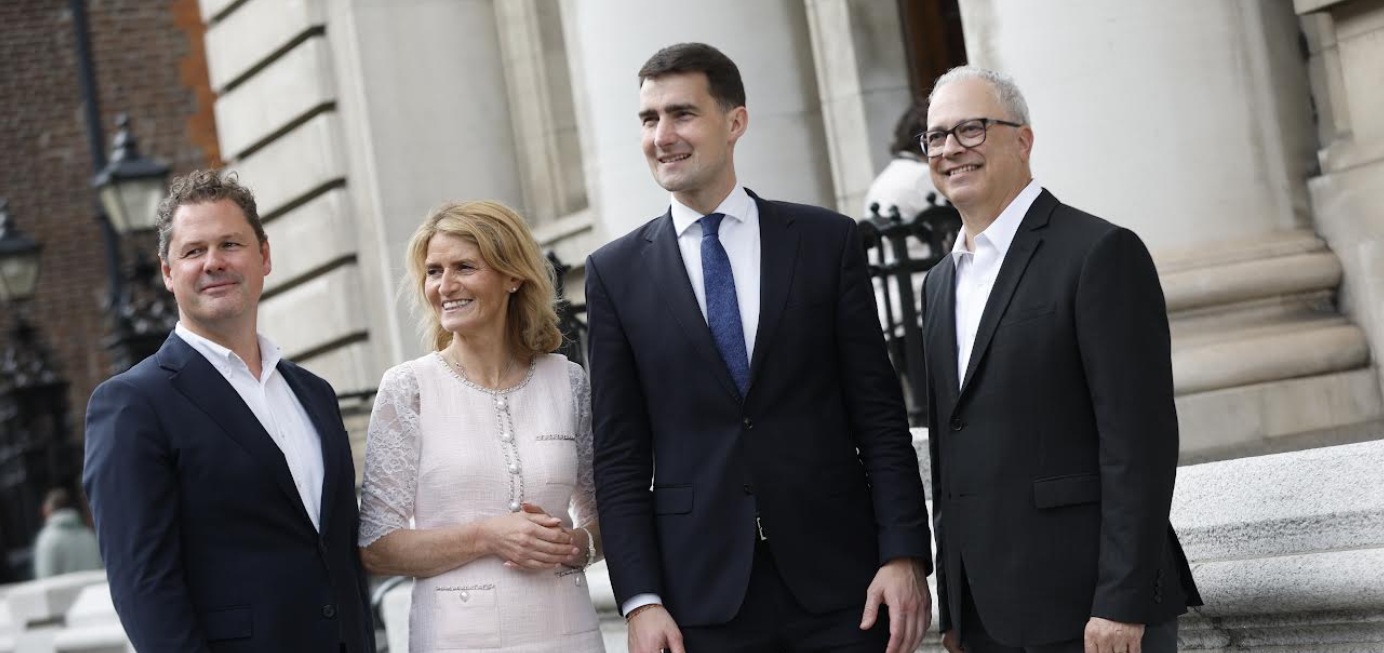
The Irish Government and IDA Ireland today welcomed IBM’s announcement to create additional high-value jobs in the south-east of the country. The leading global technology company will, over the next three years, hire up to 75 software engineers, dedicated to research and development (R&D), based in Waterford.

The roles will focus on cutting-edge innovation for IBM Z, the infrastructure powering 70% of global transactions by value*. The Waterford software engineers will closely collaborate with IBM’s R&D teams around the world, from designing processors and firmware to software development and advancing the Linux operating system.

Peter Burke TD, Minister for Enterprise Tourism & Employment, said: “IBM’s decision to expand its operations in Waterford with the creation of up to 75 highly-skilled software engineering roles is very welcome news. This investment is a strong endorsement of the South-East region’s growing reputation as a hub for innovation and advanced technology. It also reflects the government’s commitment to supporting regional development and fostering strong partnerships between industry and academia. I commend IBM for its continued confidence in Ireland and for its collaboration with the South-East Technological University to build a future-ready workforce.”

Jack Chambers TD, Minister for Public Expenditure & Reform, said: “I welcome this very positive development which underscores Ireland’s attractiveness as a location for businesses to invest in and to expand R&D operations. This strengthens IBM’s long-standing presence in Ireland where it employs thousands of people today. IBM has cited Ireland’s strong talent pool as a key factor in allowing the company to grow here, which reflects the significant increased investment by the Government in education, and particularly our third-level sector, over recent years. We are committed to supporting research and development in our tech sector, including in the South-East of our country, to drive balanced, regional development and economic growth.”

In addition to the expansion of R&D functions in Waterford, IDA Ireland also welcomes IBM’s decision to deepen its collaboration with the South East Technological University, to develop a technical skills ecosystem with a focus on mainframes and Linux.

Nathan Cullen, country general manager, IBM Ireland, said:

“I am delighted to see our footprint in Ireland evolve further. This is testimony to the deep talent pools available across the country, upon which we have steadily built our business, including mainframes which are a cornerstone of global transactions. IBM has now operated in Ireland for nearly 70 years and this milestone investment for the region also speaks volumes about the ecosystem that has built up around the South Eastern Technical University.”

IBM last year announced the recruitment of another 800 high-tech jobs in Ireland by 2027, cementing the country’s position as a globally strategic location for the company. These new roles, spanning R&D, digital sales and Consulting operations, will be spread across Dublin, Cork and Waterford.

Michael Lohan, IDA Ireland CEO, said: “This R&D investment announced by IBM is fantastic news for Waterford and indeed the South East Region. This investment is also closely aligned to Adapt Intelligently: A Strategy for Sustainable Growth and Innovation, 2025-29, where IDA has committed to positioning Ireland at the centre of cutting-edge global technological innovation in the next five years. I warmly welcome this decision by IBM and assure them of IDA’s continued partnership.”

Introba Opens New Dublin Office, Plans to Create 30 Sustainability-Focused Jobs

Introba, a global building engineering and consulting firm, announced the opening of its new office in Dublin, marking the company’s first location in Ireland. With support from the Irish government through IDA Ireland, Introba plans to create 30 new roles over the next five years, many of which will focus on sustainability and climate-focused engineering services.

The new Dublin-based team will support Ireland’s transition to a low-carbon economy, aligning with national climate goals of reducing greenhouse gas emissions by 2030 and reaching net zero by 2050. Initially, the team will provide sustainability advisory, mechanical, and electrical engineering services to institutional, cultural, commercial, and science and technology sectors.

“Introba’s expansion into Dublin is a natural extension of our mission to engineer a better, more sustainable world,” said David Glossop, Managing Director for the UK and Europe. “We’re proud to bring our expertise to Ireland and to support ambitious national goals around the built environment and emissions reduction.”

Introba’s Dublin office is led by Adam McLoughlin, Director – Ireland, who brings more than 19 years of international experience across Canada, the UK, and the Middle East. He is joined by John Moore and Padraic Greed, both of whom bring deep experience in building trusted client relationships and leading successful project delivery. Their shared commitment to exceeding expectations will play a key role in establishing Introba’s presence in the Irish market.

The team’s presence in Dublin also strengthens Introba’s relationship with related brand, TYLin, a global, full-service engineering firm specializing in infrastructure solutions such as bridges, highways, transit, and facilities. TYLin is a leading brand within a global alliance of consulting and engineering firms, known for its technical expertise, local knowledge, and forward-looking insights. This connection reinforces Introba’s growing ties across the broader European market.

Minister for Enterprise, Tourism and Employment Peter Burke said: “Congratulations to Introba on the opening of their first Irish office. The office will create 30 new sustainability and climate-focused engineering jobs in Dublin over the coming period, providing great opportunities for our talented engineering graduates. Introba’s focus is very much in line with the Government’s climate agenda, and we remain committed to supporting such initiatives. I wish to welcome the team and thank them for choosing Ireland for this investment. 


To learn more about Introba and its career opportunities in Ireland, visit www.introba.com.

Allbound and Channel Mechanics Unite Under a Single Brand: Channelscaler, creating 50 new high-tech jobs

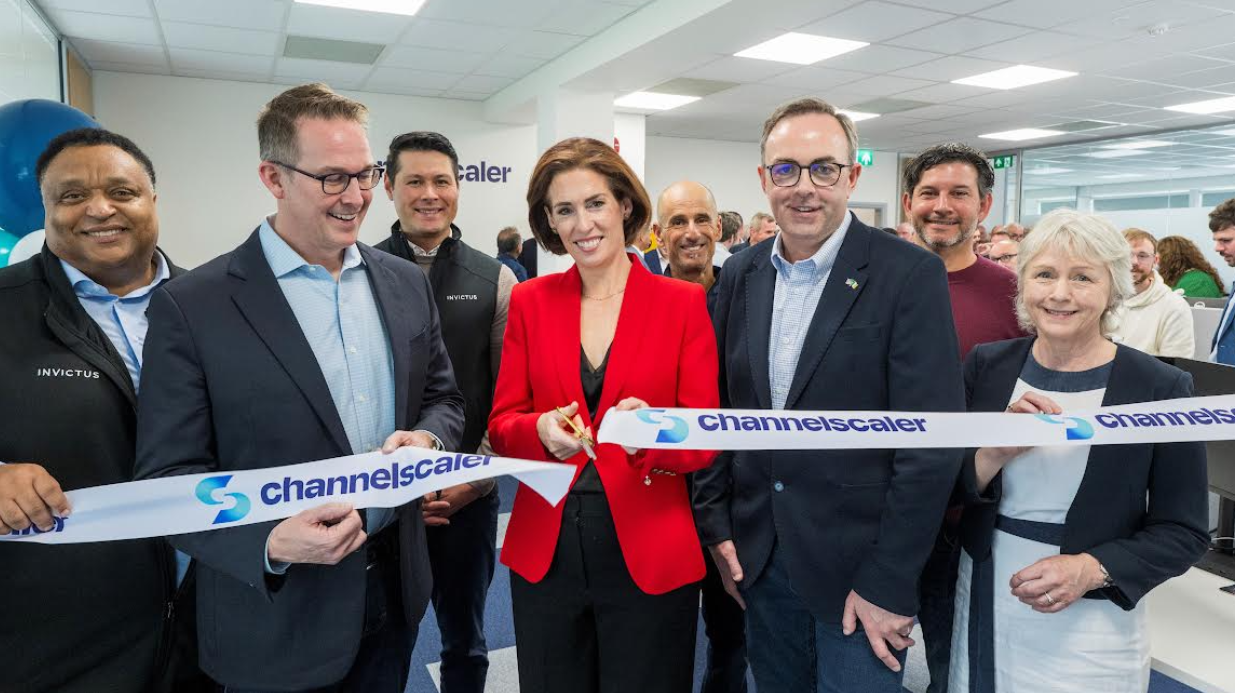
Channel Mechanics + Allbound, two established leaders in the Partner Relationship Management (PRM) and Channel Program Automation space, has announced the successful completion of their merger. The unified entity will now operate under the new brand, Channelscaler.

Welcoming the company’s announcement to create an additional 50 highly skilled positions to support market demand for its platform, Galway based Minister Hildegarde Naughton said “Galway’s reputation for a highly trained and skilled workforce continues to attract significant investment, as evidenced by Channelscaler’s job announcement today. Having witnessed the company’s incredible journey and seeing their ambitious growth plans I have no doubt they will continue to put Galway on the map as the global leader in channel automation software.”

This strategic rebrand marks a significant milestone, combining the strengths and expertise of both companies. Channelscaler represents a shared vision for the future of partner program execution: intelligent, integrated, and built to scale.

“Today marks a significant milestone as we go to market under a unified brand uniting two incredible companies,” said Kenneth Fox, CEO, Channelscaler. This isn’t just a name change, it’s a statement of intent. We’re combining intuitive partner engagement with enterprise-grade automation to deliver what channel leaders need most: the platform, data, and insights to scale partner revenue – with confidence and clarity.

Speaking at the announcement, Anne Lanigan, Divisional Manager for Technology & Services at Enterprise Ireland, said, “Enterprise Ireland has worked closely with Channelscaler since 2011 and we warmly welcome today’s expansion and rebrand announcement. Channelscaler’s success and growth in the space of channel sales highlights Ireland’s position as an international hub for innovation. As part of our new five-year strategy, Enterprise Ireland’s ambition is to accelerate sustainable Irish business with globally focused businesses like Channelscaler becoming the primary driver of the economy. Enterprise Ireland looks forward to working with the team to continue to support their growth ambitions as they expand their customer base internationally whilst continuing to create jobs here in Galway.”

In 2024, global trade reached an all-time high of $33 trillion, with indirect revenue accounting for greater than 70% of all purchases according to Canalys. Recognizing this immense and growing opportunity, Channelscaler, backed by Invictus Growth Partners, is dedicated to empowering companies that sell to, through, and with partners to take advantage of this opportunity. Creating a frictionless channel and streamlining partner program delivery enables businesses to thrive in this ecosystem driven economy.

“This is a better-together combination, creating a robust partner management platform that scales from small SaaS companies to Fortune 100 global powerhouses.  With US$7.46 billion in channel software revenue in 2024, and a projected US$13.48 billion by 2028, this growth highlights the crucial role of automation and data-driven decision-making in partnership success.” – Jay McBain, Chief Analyst – Channels, Partnerships & Ecosystems, Canalys

Channelscaler creates competitive advantage for its customers across every stage of the partner lifecycle. It delivers measurable ROI by simplifying partner operations, accelerating indirect revenue and reducing cost of channel sales.

“We drove the consolidation of Allbound and Channel Mechanics because we saw immense potential in their combined strengths to set the standard for excellence in channel sales software. This strategic rebrand to Channelscaler aligns with the company’s mission to power partnerships and deliver ROI for our customers” said John DeLoche, Co-Founder & Managing Partner, Invictus Growth Partners.

Ends

For more information about Channelscaler, the most comprehensive platform for PRM and partner program automation on the market, visit https://channelscaler.com/.

Ordú to create 10 new jobs as it secures €1.5M partnership with Lazenby Group

Ordú, a leading Galway-based provider of advanced online ordering systems for the food service industry, today announces a new €1.5 million investment in its partnership with Lazenby Group.

Over the next three years, this collaboration is forecasted to generate €9 million in additional revenues for Ordú. This investment will cover the recruitment and support of staff, including the creation of 10 new jobs in product development within the next 12 months, and the rollout of new technologies.

Established in 1963, Lazenby Group is a leading global kiosk manufacturer, serving various sectors with clients such as the NHS, Holiday Inn, Disney, Nestle, and Greggs. Known for its premium, high-quality and innovative solutions, including the industry-disruptive self-sanitising Safe-Touch™ kiosk technology, the company has set new benchmarks for hygiene and efficiency in retail, hospitality, healthcare, aviation, and more.

Lazenby Group sought a software partner to streamline its operations to enable growth plans across Ireland, the UK and Europe. Ordú was selected for its cutting-edge software and established market presence in Ireland and the UK. Additionally, targeting the pharmacy sector, where Ordú is also expanding into, was a key focus.

Moreover, Ordú’s software incorporates a smart upselling engine, driving a notable 20% increase in order value. By integrating Ordú’s software, Lazenby Group can expand its market reach significantly, with the capacity to manufacture and sell 3,500 kiosks annually, a significant increase from their previous annual sales of 2,000 kiosks.

Furthermore, this partnership facilitates the expansion of Ordú’s service offerings across various sectors including fast food, hospitality, pubs and restaurants, retail, and pharmacies. With an impressive client roster including Pita Pit Ireland, PG Chips, Four Lanterns, and CBE in Ireland and the UK, Ordú is positioned to introduce its technology to a much wider audience. The incorporation of Safe-Touch™ kiosks with self-sanitising kiosk technology marks a pioneering initiative in Ireland.

Ordú recently won silver in the Best in Retail and Consumer Goods category at the 2024 Digital Media Awards for its work in boosting operational efficiency for large retail businesses.

Andrew Dewdney, CEO of Ordú said: “Joining forces with Lazenby Group, a leader in kiosk technology, marks a pivotal moment in Ordú’s growth trajectory. Our partnership will not only elevate Ordú’s service portfolio but also introduce innovative solutions like Safe-Touch™ to our clientele, enhancing in-store customer experiences and upholding impeccable hygiene standards in the post-pandemic landscape. As we expand our team and merge our areas of expertise, we’re committed to enhancing our product and service capabilities, ensuring a seamless and safer digital journey for our valued customers.”

Steven McWilliam, Commercial Manager of Lazenby Group, said: “Ordú’s impressive customer base and industry expertise make them an obvious partner for us in Ireland. This collaboration holds tremendous potential and strengthens Lazenby Group’s foothold in the QSR hospitality sector. We are delighted to partner with an ambitious company like Ordú to bring our products to market. By streamlining our operations, this partnership enables Lazenby Group to deliver superior solutions, enriching our customers experience and driving revenue growth.”

GlobalLogic announces 15 jobs in new Northern Ireland office

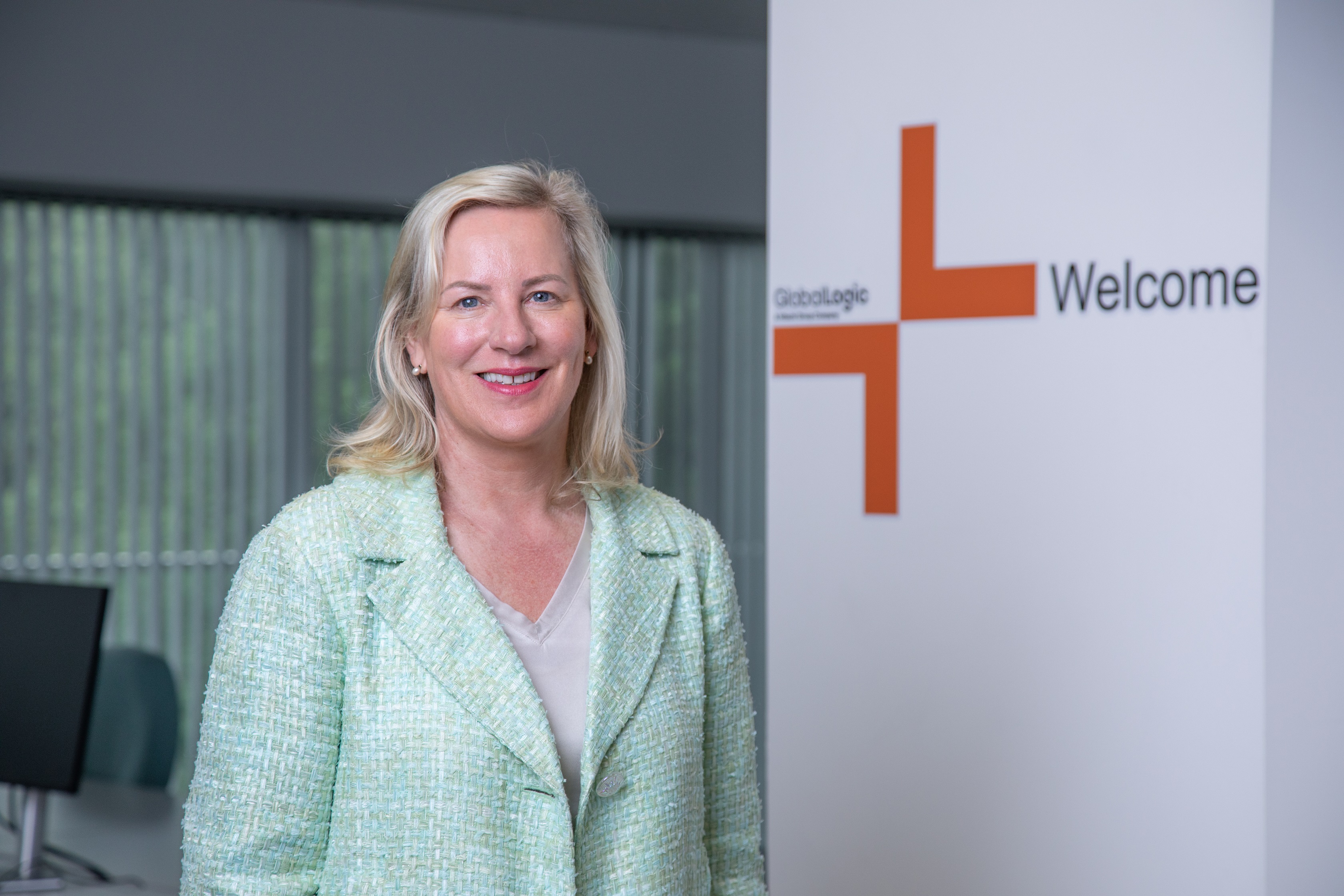
GlobalLogic, a Hitachi Group company and global leader in digital engineering, today announces its expansion on the island of Ireland with a new office in Newry, Co. Down. The expansion will be supported by the creation of 15 jobs in GlobalLogic’s new Northern Ireland hub.

The strategic expansion will drive further business growth for GlobalLogic in Ireland. Last year, GlobalLogic acquired Sidero, the Athlone-based cloud and software development company. The acquisition marked GlobalLogic’s first entry into the Irish market, and Sidero has since become GlobalLogic in Ireland. The ambitious expansion on the island of Ireland will support GlobalLogic’s global plans.

From its new base in Northern Ireland, GlobalLogic will support a greater number of businesses with in-demand digital engineering expertise, design-led experiences, data services, and AI powered product and platform development. Initially, the Northern Ireland office will focus on enterprises in the public sector, as well as those operating in the healthcare, life sciences, telecoms, financial services, and transport industries.

The new jobs are being created over the next two years across human resources, business development, and software engineering.

GlobalLogic has a number of partnerships with leading global players including AWS, Microsoft, and Google, ensuring the company is at the forefront of technology innovation. It has helped to develop some of the most cutting-edge technologies in the world, including life-saving medical devices such as a wearable defibrillator which has already benefited thousands of cardiac patients.

Carmel Owens, MD GlobalLogic in Ireland, said: “This expansion in Northern Ireland cements GlobalLogic’s commitment to businesses on the island of Ireland, while also representing a significant step in our ambitious growth plans. This new presence builds on the success we have steered from our Athlone HQ and is a strong validation of the skills, expertise and dedication of the entire GlobalLogic team in Ireland.

“As a champion of regional investment and the advantages that it can deliver, Newry is an ideal base from which we can expand our business. We are tapping into the rich economy of Northern Ireland and in doing so, this move will enable us to roll out our services to even more sectors and industries. 

Bank of Ireland recruiting for 100 technology roles

Bank of Ireland is recruiting for 100 technology roles to support digital projects across the Group. The roles will help drive some of the Group’s most important technology projects including new customer features on digital channels, protecting customers against fraud, and advanced data analytics.

The Bank is filling roles across data, delivery management, engineering, resilience and cyber, recruiting talent within areas such as cloud, open banking, APIs, AI and emerging technologies.

Bank of Ireland continues to invest significantly in technology across the Group. In 2023, the Bank saw an 18% year on year increase in active digital users, with over 60 enhancements to the mobile app including biometrics and additional fraud monitoring. Continued digitisation in Wealth and Insurance saw the launch of a customer portal and strong adoption of its digital advice platform.

Earlier this year, Bank of Ireland announced the largest single investment in ATMs in the last decade, with a new fleet of state-of-the-art ATMs being rolled out to all branches throughout the Island of Ireland. The Bank also announced an investment of €15 million on new fraud prevention technology.

Ciarán Coyle, Group Chief Operating Officer, Bank of Ireland said: “We continue to invest in our talent, technology and infrastructure, to ensure customers have the very best banking services. We’re currently progressing a range of innovative digital projects across the Group and we want to recruit talented specialists who can enhance the banking experience for our customers.

“Bank of Ireland offers an exciting and dynamic environment for career development. In addition to exciting projects, we provide a supportive environment with inclusive workplace policies, flexible remote work options through a network of hubs, and competitive pay and benefits. We are looking for the very best talent to join our technology team as we continue to deliver improvements for customers and colleagues across the organisation.”

New recruits will be entitled to Bank of Ireland’s suite of market-leading Family Matters policies including maternity and paternity leave, parents leave, foster care leave, early pregnancy loss, surrogacy, fertility leave, all of which are paid leave entitlements.

To apply for roles currently live, click here:

Nearly half of Irish jobseekers (47%) would refuse a job offer if there were no hybrid or fully remote working options offered

A new report released today by The Stepstone Group, a leading global jobs platform and parent company of IrishJobs, reveals that hybrid working is a key deal breaker for Irish jobseekers.  Nearly half of jobseekers (47%) would refuse a job offer if there were no hybrid or fully remote working options offered, compared to a global average of 29%. The research also found that 61% of jobseekers would turn down an otherwise attractive job offer from an employer if they received a negative impression during an interview.

Published in partnership with Boston Consulting Group (BCG) and The Network, a global alliance of more than 70 leading recruitment websites, the new report titled How Work Preferences Are Shifting in the Age of GenAI, is based on survey data from more than 150,000 workforce respondents from 188 countries, including 1,746 respondents in Ireland, and is the fourth instalment in a series, the previous editions having been published in 2014, 2018, and 2021.

Findings also highlight the growing importance of corporate environmental, social and governance policy for Irish jobseekers. Almost one in five (18%) of jobseekers would refuse a job offer from an employer that didn’t have environmental or sustainability initiatives in place. 30% of jobseekers would not accept a job offer from an employer that didn’t offer mental health or wellbeing benefits.

good work-life balance was the top job preference among Irish professionals, unchanged since the last report was published in 2021. Financial compensationjob security, and the amount of paid time off/holidays were the other most important work preferences in Ireland. Financial compensation has increased by six places since the last survey, indicating the impact of an increased cost of living on the workforce over the past number of years.

Findings also reveal how work preferences change across different age groups. While a good work-life balance is the most important job element for professionals aged 21 and above, interesting job content is the top component for workers under the age of 21. Financial compensation is the second most important work preference for professionals aged 21-50. Good relationships with colleagues overtake monetary considerations as the second most important job preference among workers aged 51 and above.

The research also revealed that when it comes to the balance of power in the employment markets, almost half of jobseekers (48%) believe they have at least some degree of choice in salary offers and can negotiate with employers.

Sam Dooley, Country Director of The Stepstone Group Ireland, responsible for IrishJobs says: “The Irish economy continues to expand, albeit at a more moderate pace, with the rate of unemployment remaining at a record low of 4%. Against this backdrop of near full employment, there continues to be significant competition among employers to attract and retain skilled talent. 

“The insights from our latest Decoding Global Talent 2024 report, published today, provide an important insight for employers into the changing needs and preferences of professionals as they seek to meet their talent needs in this competitive environment.

Amidst such a tight labour market it’s crucial that employers regularly review and update their talent offerings to ensure they meet workers’ expectations. Providing employees with a good work-life balance remains the most important job preferences for professionals and should not be underestimated by employers in their job offering ­– it has consistently ranked as the top job preferences in our research since 2018.

“Our research also highlights the growing importance of hybrid and flexible working in the jobseeker agenda. With nearly half of jobseekers willing to turn down opportunities that do not provide hybrid or fully remote working options, employers should ensure they’re evolving their policies to address these needs and comply with new Government guidelines on the right to request remote work.”

Global Findings

The global findings of the survey reveal that three-quarters of workers around the world believe GenAI will bring some level of disruption to the workplace. But despite uncertain times, they remain confident about their place in the labor market: 57% of them are ready to retrain into new roles to stay ahead in their careers, and 64% feel they hold the upper hand when negotiating for jobs.

The findings of the study underscore the proactive approach workers are taking in response to the potential impacts of GenAI. By prioritizing reskilling and development, they are not only preparing to adapt to technological changes but also expressing confidence in their ability to thrive in an evolving labor market. This adaptability is key to maintaining a robust and resilient workforce in the face of ongoing technological advances.

Globally, workers are also clear about what they don’t want—54% would refuse an attractive job offer if they had a bad experience during the interview process. The importance of the recruitment process is underscored by the fact that a negative experience during recruitment is the second-most-significant dealbreaker in North America and Europe. Additionally, 40% of workers say they won’t work for companies that don’t offer mental health support or that have a perceived negative impact on society.

In attracting global talent, a personalised, modern recruitment process is every bit as critical as providing a value-based workplace that supports the well-being of employees,” said Sebastian Dettmers, CEO of The Stepstone Group. “These are simply not just ‘nice-to-haves’ anymore.”

Interestingly, the impact of AI disruption is evident in what global talent desires in an ideal workplace. Job security was the most important factor for workers in East Asia and South Asia, particularly among those who perceived AI to have a greater impact on their future work. Learning and development topped the list for the Middle East and North Africa, sub-Saharan Africa, and Latin America, highlighting a strong desire to adapt, progress, and upskill in an evolving landscape. The highly competitive labour markets of recent years and the strong bargaining position of workers are reflected in financial compensation being the top priority for North Americans and work-life balance for Europeans.

Download the publication here.
More insights about the survey here.

Planned Equinix data centre will support 10,000 jobs in Ireland

Equinix, Inc., the world’s digital infrastructure company, announces that a planned data centre in Dublin would be capable of supporting 10,000 jobs in Ireland. This follows a newly published report from Equinix, carried out by KPMG, which shows that Equinix’s existing facilities in Ireland currently support businesses which account for 53,000 jobs – or 2% of the workforce in Ireland.

As a colocation data centre provider, Equinix provides digital infrastructure to hundreds of businesses operating in Ireland. In doing so, it plays a major role in supporting the Irish labour force. However, digital infrastructure companies, such as Equinix, are currently being denied new connections to Ireland’s electricity grid. A planned 9.9 MW retail international business exchange facility, in Profile Park, Clondalkin, saw an application for a connection to the grid rejected last August. Equinix estimates that this facility would be capable of supporting businesses in maintaining a further 10,000 jobs in Ireland.

The report calculates that the construction of this facility would generate an economic output of over €200M. Due to the rising demand for digital services, this expansion would also see Equinix grow its own team in Ireland from 150 to 170 and further support local SMEs. The team in Ireland has grown by 20% since 2021, with this growth now also paused due to the current data centre moratorium.

In the report it was found that there were 40,000 visits to Equinix retail colocation data centres in 2023 – equating to a rate of 13 people an hour. Visitors came from a range of sectors including FinTech and financial services, manufacturing, healthcare and life sciences. Customers visit Equinix international business exchanges to maintain their digital infrastructure equipment and ensure they are maximising the value of digital connectivity.

Equinix hosts more than 260 businesses at its existing Irish facilities, including more than 130 Irish enterprises. More than half (56%) of Equinix’s customers in Ireland have their business headquarters in the country, ensuring that Equinix is facilitating the digital activities and growth of local businesses.

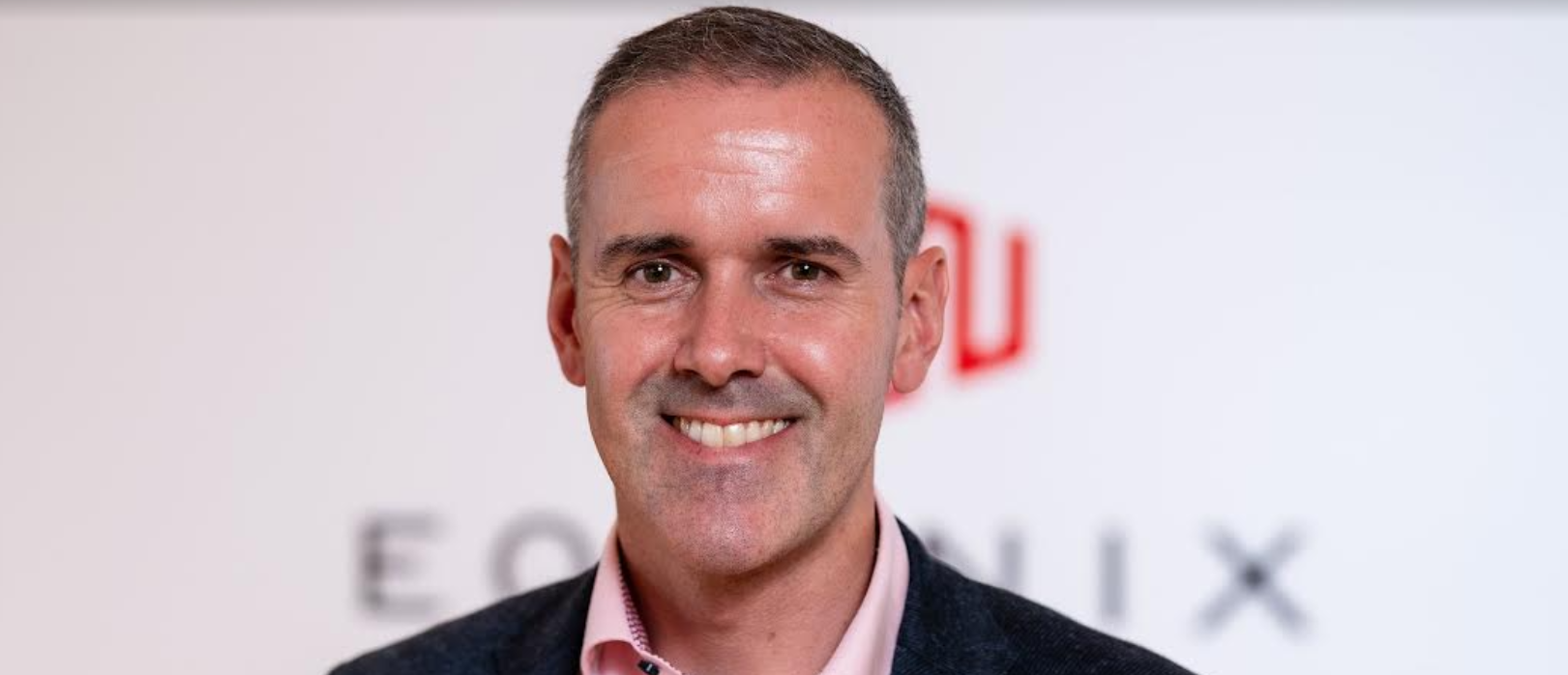
Peter Lantry, Managing Director for Ireland, Equinix, said: “This research shows the vast spectrum of companies and industries working with Equinix and using our services. We are supporting companies of all sizes, from multinationals to smaller Irish enterprises, with more than 30 of our customers having fewer than 20 employees. All of these enterprises are not just key for our economic growth, but vital in our daily lives, too. Innovation is happening every day in Equinix, shown by the number of people using our data centres as a digital hub on a daily basis.

“Digital infrastructure is essential in supporting Ireland’s workforce – especially with the rise in data processing including AI activity, and hybrid and remote working – and it is only set to grow in importance. At Equinix, we want to continue supporting businesses and economic growth in Ireland, but we are now at the point where multinational companies are choosing to base themselves elsewhere due to our ongoing national grid crisis. We have the ability and technology to operate flexibly off the grid, meaning we can be self-sufficient when the grid is at capacity. By allowing Equinix to provide this service to the grid, Ireland can save its reputation as a digital powerhouse, supported by some of the best talent in Europe.”