Workhuman survey shows 57% of women in Ireland feel obligated to work while sick, versus 34% of men

Workhuman, the company revolutionising the way employees celebrate, connect with, and appreciate each other in the workplace, is today announcing the results of a survey which highlights men and women’s perceived obligations when it comes to working remotely in Ireland, as well as the impact that their job has on their mental wellbeing. The research found that more than half (57%) of women in Ireland feel obligated to work while sick when working remotely, compared with just a third (34%) of men. It also found that women in Irish workplaces (40%) are more likely than men (32%) to feel mentally exhausted and drained after the working day.

Despite these disparities, Workhuman’s survey found that women and men are equally likely to feel respected at work in Ireland. The research showed that 65% of women working in Ireland feel respected in their jobs, compared to 64% of men. Meanwhile, over half (55%) of both women and men are likely to feel appreciated for their work.

The survey was carried out by Dynata on behalf of Workhuman across 2,268 full-time employees in Ireland, the UK, the U.S., and Canada. The aim of the research was to explore the state of human connection at work. It found that while men and women are equally likely to feel respected and appreciated at work, women are more likely to value diversity and inclusion in the workplace. When it comes to staying at their organisation, some 84% of women reported that diversity and inclusion is important to them, compared to 73% of men. Meanwhile, men working in Ireland (49%) are slightly more likely than women (42%) to see a clear path for growth within their organisation.

The research also provided insights into the experiences of parents working in Ireland. It found that parents are less likely to feel respected at work than parents in the UK, U.S., or Canada combined (64% vs 72%), while 60% were more likely to feel overworked in the last 12 months compared to 52% of their global counterparts and 40% of non-parents working in Ireland.

Niamh Graham, Senior Vice President Global Human Experience, Workhuman, said: “This research highlights work practices and sentiments in a post-pandemic world and allows us to observe how Irish workers fare against their global counterparts. Women working remotely in Ireland clearly feel significantly more pressure to work while they are unwell, compared to their male colleagues. Whether this is external or internal pressure, it is something that must be addressed by every organisation as they strive to create more human-led workforces.

“We know from our own research that gender bias still exists in Irish – and global – workplaces. Managers must not only ensure that they themselves are treating everyone equally, but they must also be aware of how their team members are perceiving and acting upon their roles and obligations, and make sure that the workload is not disproportionately distributed based on a person’s gender, race or otherwise.

“Despite the differing attitudes highlighted in our research, it is encouraging to see that both women and men feel equally respected and appreciated at work in Ireland. Showing appreciation and recognising employees is not only good for the human, but also good for business.

“It is clear that more needs to be done to support working parents in organisations across the board. Fostering a culture of belonging and taking the time to understand and get to know employees as people, who have rich lives outside of work, starts with putting wellbeing at the centre of your HR strategy. Employers need to continue to build a culture of recognition and appreciation, especially in the decentralised workplace where conscious efforts should be made to connect with employees.”

Can You Minimize Ransomware Settlement Exposure with Cyber Insurance?

Nearly anyone can be a victim on the cyber battlefield, including celebrities. The personal data of Madonna, Bruce Springsteen, Lady Gaga, and Elton John was stolen from Grubman Shire Meiselas & Sacks (GSMS), and because GSMS refused to pay the ransom in full, much of the information ended up for sale on the internet. Even though the FBI got involved and GSMS hired private individuals to recover the data, only some of it was reclaimed.

The GSMS attack used what’s referred to as the double extortion method:

  • First, they stole data
  • Then, they threatened to publish the data if GSMS didn’t pay the ransom within a specified time frame

A ransomware attacker can gain access to your system through a number of ways, including guessing an employee’s password, using malware to infiltrate your network, email spoofing, or spear phishing, which is explained in this video by Cisco.

While cyber insurance cannot prevent a ransomware attack, there’s a lot it can do if you find your systems hacked and your data held for ransom. But each attack—and insurance policy—is different. 

Below, we’ll discuss how cyber insurance works, how it can be used to reduce the impact of ransomware settlements, what it covers, and the trends shaping the cyber insurance industry.

What Is Cyber Insurance and Who Needs It?

An organization can obtain cybersecurity insurance, also known as cyber liability insurance or cyber insurance, to help mitigate internet-related risks such as ransomware and other forms of cyberattack. The insurance contract transfers some of the risks to the insurer in return for a monthly or quarterly payment.

Cyber insurance benefits companies that produce, store, and handle electronic data online, such as credit card details, client contact information, and consumer purchases. It can help pay for the costs of reclaiming data in case it gets stolen. Cyber insurance is also an advantage for e-commerce companies because downtime resulting from a breach may result in lost clients and sales. 

Can You Minimize Ransomware Settlement Exposure with Cyber Insurance?

Ransomware attacks are becoming more prevalent. And because no company is too big or small for malicious actors, it’s only a matter of time before an organization gets attacked—which is why many companies purchase cyber insurance in the first place. They don’t want to single-handedly shoulder the costs of an attack. Ransomware payments can be excessively costly, and some cyber insurance policies may cover the entire amount demanded by hackers. 

But insurance companies are starting to tighten their requirements. In a threat landscape that sees ransomware attacks consistently topping the list of threats—not to mention ransomware demands increasing—before they grant or renew coverage, they now take steps to make sure businesses have basic cybersecurity protections in place. Absent these protections, they either deny coverage or charge higher premiums. 

As experts from FortiGuard Labs observed in this video about ransomware and ransomware settlements, attackers are now more advanced and persistent, and they’re “more like nation-states.” And that’s because ransomware attacks provide a consistent stream of revenue for them.

What Does Cyber Insurance Cover?

In addition to costs and legal fees, cyber insurance often assists with:

  • Restoring data from hacked systems and fixing broken computer systems
  • Notifying customers of a data breach
  • Protection against data compromise, which includes services from a public relations agency and providing credit monitoring for customers
  • Identity recovery protection for victims of identity fraud
  • Protection against harm caused by a virus or computer attack


When a data breach involves personally identifiable information (PII), most states require businesses to notify customers, and this can get costly. But because cyber insurance may cover this expense, a company can go the extra mile for customers that may have been impacted.

Cyber insurance may also cover the amount you send to an attacker as part of a ransomware settlement. In some cases, the insurance company may also help offset the costs of hiring a negotiator. In addition, cyber insurance may reimburse the money you spend to fix your systems. This may be the case if you’re hit with a wiperware attack, for example, which can destroy the data critical to your digital infrastructure.

What Cyber Insurance Can Do After an Attack

To illustrate the impact cyber insurance can have after an attack, consider the following example:

Suppose you’re the chief information security officer (CISO) at a large retailer, and your company gets hit with ransomware. The attacker demands that you pay $25 million in exchange for getting your systems back online. The following systems have been taken over by the attacker, and they’re currently useless:

  • Your website
  • Your e-commerce systems
  • Computers belonging to the accounting department
  • Your billing system
  • The digital infrastructure that handles product sourcing 

Your company is losing thousands of dollars every minute, but after reaching out to the FBI, you’re advised not to pay the ransom. Desperate, you decide to hire a negotiator. They spend hours going back and forth with the attackers, adding to the expense of the attack.

Because you take too long to pay up, the attackers use wiperware to destroy the data on your email server, which also handles your e-commerce solution.

Eventually, the negotiator reaches a settlement with the attackers, and they agree to accept $5 million. You’re given control of the surviving computer systems again. But you soon learn that customer data had been stolen and was being sold on the dark web.

In this case, here’s what cyber insurance could cover:

  • The $5 million you paid to the attackers
  • The negotiator’s fees
  • The cost of restoring your web assets, including your e-commerce tools
  • Expenses associated with reaching out to customers to inform them of the breach and what you’re doing about it
  • Legal costs you incur because customers are suing you for compromising their information
  • The costs of free credit reports you will now provide for three years to customers whose data had been stolen, just in case the hackers—or those they sell the information to—use customers’ information to make illegal purchases

While it would be rare for companies who’ve gone through an actual attack to reveal in detail how cyber insurance helped with their expenses, the above example is certainly feasible. Naturally, the benefits to cybercriminals are significant, and this has given rise to some interesting developments that directly impact the cyber insurance industry.

Trends in Cyber Insurance

Cyber risks are intricate and constantly changing. Attacks are becoming more frequent, with costs reaching millions of dollars. High-profile incidents like the Colonial Pipeline attack have been dissected and discussed far and wide, resulting in shifts in the cybersecurity insurance industry. Below is a list of some of the trends that are defining—and will continue to define—the cyber insurance space.

  • As incidents gain wide media coverage, incidents become more frequent and serious
  • More severe fines for data breaches can be anticipated in the future as data protection legislation begin to take shape around the world
  • Intellectual property theft, business interruption, and cyber extortion will continue 
  • Vulnerable critical infrastructures pose a serious concern
  • Cybersecurity isn’t foolproof

Can Cyber Insurance Save the Day?

Even though cyber insurance may absorb much of the impact of a ransomware attack, it won’t cover other losses—for example, customers choosing to stop doing business with your company or potential business partners suddenly backing out of deals.

So while cyber insurance will greatly help with costs, you still need to bolster your cybersecurity defenses, such as updating your security solutions, properly configuring your firewalls, performing frequent backups, and conducting regular employee education. Doing so reduces your chances of exposure to an attack—which, in turn, reduces the likelihood of your company paying hefty ransomware settlement amounts.  Learn what cyber insurance covers and if you can use it to minimize your exposure to ransomware. Discover the latest cyber insurance trends.

6 Ways To Protect Your Physical Health As A Construction Worker

Construction workers are surely at the top of the list when it comes to the most dangerous jobs in the world. They are constantly at risk of injury or death on the job site. While there is no way to completely eliminate all risks, there are certain things that you can do to protect your physical health as a construction worker. In this blog post, we will discuss six ways that you can stay safe on the job site and protect your health!

Construction is a High-Risk Field of Work

Working in construction is extremely dangerous. According to the National Safety Council, construction is one of the most dangerous industries in the United States. In 2016, there were almost 900 fatal workplace accidents in construction. This means that construction workers are more than twice as likely to be killed on the job than other workers. For instance, the builders risk insurance cost for a construction project reflects this high level of risk. There are a variety of risks that construction workers face on the job site. These include falling from heights, being struck by objects, and being caught in or between equipment. Construction workers are also at risk of electrical injuries, slips and falls, and exposure to harmful chemicals. Despite the risks, there are certain things that you can do to protect your physical health as a construction worker. 

1. Wear The Appropriate Safety Gear

One of the best ways to protect your physical health as a construction worker is to wear the appropriate safety gear. This includes items such as hard hats, safety glasses, and earplugs. Wearing the proper safety gear will help to protect you from injuries if you are involved in an accident. It is also important to wear the proper clothing when working in construction. This means that you should avoid loose-fitting clothes and jewelry. You should also wear closed-toe shoes to protect your feet from injuries.

2. Follow All Safety Instructions

Another way to stay safe on the job site is to follow all safety instructions. This includes following the correct procedures for using equipment and machinery. It is also important to be aware of your surroundings and know where the potential hazards are. If you see something that looks unsafe, do not hesitate to report it to your supervisor. Moreover, being safe also means ensuring you take frequent breaks and maintain your physical health. This means eating a balanced diet, staying hydrated, and getting enough sleep.

3. Stay Aware of Your Surroundings

It is important to stay aware of your surroundings at all times when you are working in construction. This means being aware of the location of potential hazards. It is also important to know where the exits are in case of an emergency. If you see something that looks unsafe, make sure to report it to your supervisor immediately. On other hand, if you are ever in an emergency situation, do not hesitate to evacuate the area immediately. Staying safe on the job site is extremely important for construction workers. One of the best ways to do so is to be aware of your environment.

4. Take Breaks Often

Construction work can, and usually is quite physically demanding. It is important to take breaks often to avoid exhaustion. If you are feeling tired, make sure to take a break and rest. The breaks will help you to stay alert and focused on the job at hand. Breaks also help you maintain your good physical condition, so you can do your job safely. If you are not used to working with heavy machinery or lifting heavy objects, it is important to take some time to get used to the physical demands of the job.

5. Drink Plenty of Water

Drinking plenty of water is important for all workers, but it is especially important for construction workers. This is because working in construction can be quite physically demanding. When you are sweating, you are losing water and need to replace it. Drinking plenty of water will help to keep your body hydrated and prevent heat exhaustion. Make sure to drink water regularly throughout the day, even if you are not thirsty. Moreover, if you are working in a hot environment, make sure to drink even more water than usual.


6. Get Regular Health Checkups

It is important for all workers to get regular health checkups. This is especially important for construction workers, as they are exposed to a variety of potential hazards on the job site. Health checkups can help to identify any health concerns that you may have. They can also help to catch any problems early before they become serious. If you are a construction worker, make sure to get a health checkup at least once a year. Furthermore, if you are ever injured on the job, make sure to see a doctor immediately.

Safety Should Always be Your Number One Priority

Construction is a very high-risk job. There are a lot of potential hazards that you are exposed to on a daily basis. This is why it is so important to always prioritize safety. Even if it is about a menial job, like sweeping the floor, you should always think about safety first. Remember, your safety is in your own hands. If you take the necessary precautions, you can stay safe on the job site. Stay safe and follow these tips to protect your physical health as a construction worker. Of course, your employer also has a role to play in ensuring your safety on the job site. They should provide you with the necessary safety equipment and training. However, at the end of the day, it is up to you to stay safe on the job. Do not hesitate to speak up if you ever feel unsafe or see something that looks dangerous. Stay alert and always think about safety first.

In conclusion, following these six tips will help you to protect your physical health as a construction worker. Your safety is ultimately in your own hands. Hence, you should always strive to prioritize it and take the necessary precautions to stay safe on the job site. Your employer, on the other hand, will also have a role to play in ensuring your safety, but at the end of the day, it is up to you to stay safe.


HealthBeacon launches its integrated Smart Scale

Healthbeacon plc, the leading digital therapeutics company that develops products for managing injectable medications for patients in the home, has today announced the launch of its new Smart Scale, an integrated solution that forms part of its Injection Care Management System (ICMS).

The HealthBeacon Smart Scale enables patients to add weight monitoring to its ICMS, as the connected weight scale tracks weight progression, providing clinical teams with insights on specific medication outcomes.

There are currently nine million patients in the U.S. that self-administer injectable medications in the home, and many require their weight to be carefully managed and monitored. HealthBeacon’s integrated Smart Scale will sync seamlessly with its ICMS, helping patients improve adherence to therapies and providing healthcare practitioners with access to important clinical data.

HealthBeacon provides each member of its injection care management system with a Smart Sharps Bin, a companion app, a more sustainable waste management service, and now, the integrated Smart Scale. This enhances a system that already improves the likelihood of success on therapy by increasing adherence by as much as 26% and persistence by 19% according to peer reviewed research.

It is expected that the HealthBeacon Smart Scale will become available to HealthBeacon patients this autumn.

Commenting, HealthBeacon CEO and co-founder, Jim Joyce, said: “The launch of the HB Smart Scale is an important step as we strive to improve injection adherence globally. Weight management is an important factor in the health of many patients that are required to self-administer injectable medications at home. This product integrates seamlessly into our technology which patients are already using, meaning this addition can improve their health with no added level of complexity.”

The announcement of the launch of HealthBeacon’s Smart Scale was made at the annual MAGIC conference in Chicago, the largest patient conference for children with growth disorders. The monitoring of weight progression is of particular importance to children suffering from growth disorders.

Commenting further, Mr Joyce said: “We know how difficult it is for families that must administer injections to their children at home. For children on growth hormones, it can be difficult to both manage injections and monitor growth progress. HealthBeacon’s Smart Scale will support affected families by enabling parents to track their child’s growth along with monitoring injection adherence. It also benefits children as they become teenagers and can administer medication themselves, providing them with a level of independence while enabling their parents to continue to monitor their adherence and track their growth.”

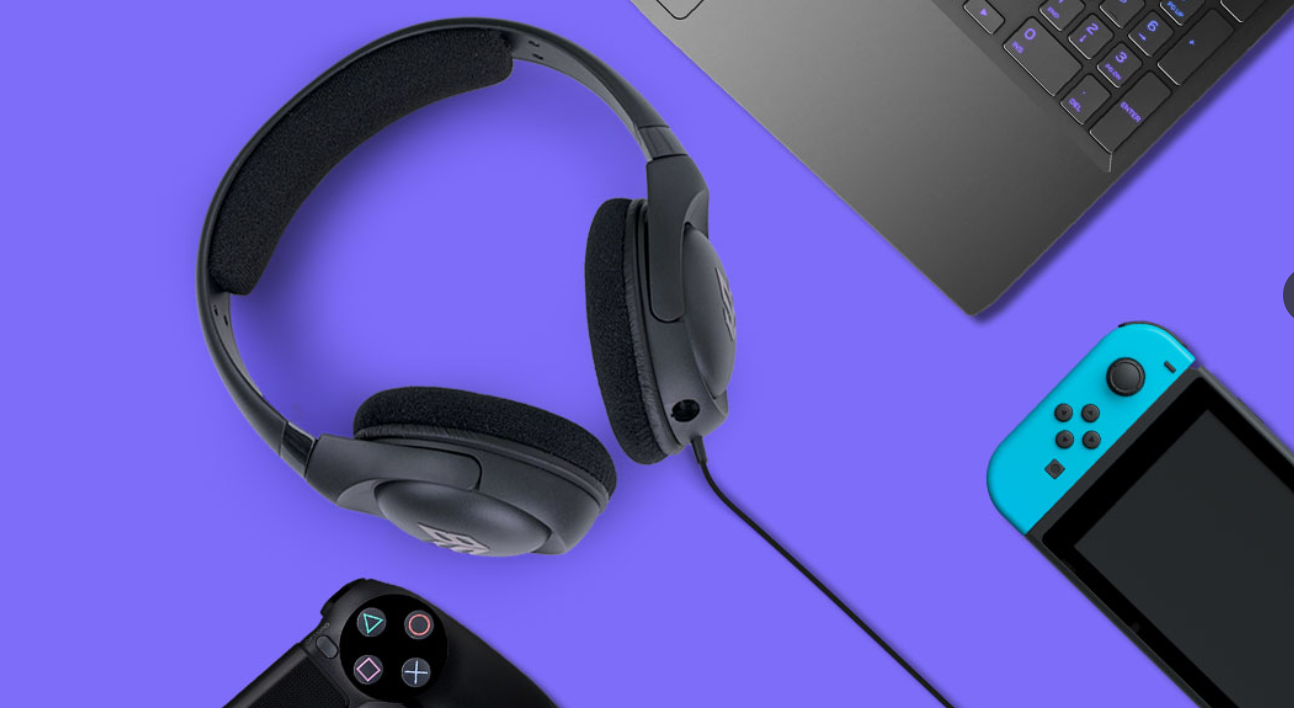
Tech Review – Edifier CC200 headset

With the dawn of working from home a big thing new products are en masse and that is not a bad thing for the consumer when it comes to choice and so on, however there seems to be a push back into the office of late but the products can be used both at home or workplace and this new headset can be used just the same.

This one for me however is different,  I do test mostly headphones and having a full earcup missing is funny. Yes I use headphones or earbuds on calls every day as this is what I do but this product is interesting still and so easy to use yet has plenty of features.

The headset is light so can be worn all day literally and the mic arm can swivel both ways, in other products I did test or try this was an annoyance for me having the arm locked on one side so this is a bonus for those who like or want to have the ability to swaps side, this might seem odd for some but probably those who do not use such products trust me it is nice to be able to swap sides.

This not only works with your PC or laptop this works with your phone, some headsets do not and require a USB A connection again some phones allow you to get around that if they support OTG whereby you would simply add an adapter and off you go but not very convenient in my book. This is a bluetooth option rather than cable so for most would work better I would think although it is another device to charge but it is what it is. You do easily get 2/3 days out of this headset which is great and can be charged overnight of course and does not take long to charge.

The sound is where it rest with most but difficult to call it with one side I did a sound test in the video review below so you can make your own call and in real life use fashion you can hear things going on and get a real life sense or what to expect and it is good,calls are good and clear and it can be used for music which for me is great, not the best in the world for music but it works and there is your controls there too to do what needs doing and you get a busy light too which I like.

For the price in question it is a good headset and be be used not only for your office calls and so on but in a personal capacity.

Main Features:

Crystal Clear Call Quality The Caller hears you — not your surroundings, with a noise-cancelling dual mic with DNN noise reduction technology to block out background noise in a flexible microphone boom. Dual MIC AI Call Noise Cancellation

  • The beamforming microphones pick up and enhance your voice with incredible accuracy through DNN noise cancellation technology and AI algorithm, bringing you high-quality even in a noisy environment.
  • Immersive Audio Experience – With a  30mm composite diaphragm driver for more immersive audio experience.
  • Long Battery Life Around 64 hours for music play and around 29 hours for call.
  • Busylight Visible call status.
  • Compatible with Multiple Devices – Support PC of mainstream Windows and Mac operating systems compatible with mainstream Android, iOS mobile phones, etc. Convenient connection in one go.
  • Rotatable MIC boom, 240° back and forth adjustment. Accurately picking up sound at any angle and greatly improving the call clarity.

£49.99

Edifier CC200 Wireless Bluetooth On-Ear Mono Headset with Noise-Cancelling Microphone – HD Voice – 29hrs Talk Time- USB-C Cable -Multiple Calls Control – Ultralight Design – Black: Amazon.co.uk: Electronics & Photo

Video review 


What Is an ASP.NET Shopping Cart and What Are the Benefits?

Online businesses have multiplied, with up to 80% of today’s customers preferring to shop online. Having an online presence as a business is no longer a luxury but an important strategy to help you keep up with the high competition right now. With online shopping, customers are guaranteed an easy way to shop without having to visit stores physically. Online shopping has paved the way for the creation of different websites that have helped link up most brands together in one area to make shopping much easier. 

A shopping cart is an essential part of every online business. It is a tool that helps customers select and reserve their products while shopping. It acts like a traditional physical shopping cart, but in this case, it is more advanced. You can easily remove and enter new products without the cart getting filled. 

To learn more about this interesting topic, here is an introduction to using an ASP.NET shopping cart for your online business. 

Features of an ASP.NET Shopping Cart 

There are various features of an ASP.NET shopping cart. They include the following. 

  • Search filters – An ASP.NET shopping cart is backed up with strong search filters that make it easier for customers to identify relevant items and narrow them down to their desired products in a span of seconds. 
  • Mobile-friendliness – Most people today spend hours on their mobile phones, either on social media or making purchases online. Therefore, to prosper in this competitive market, you need to make use of mobile-friendly ecommerce tools. Virto Commerce provides ASP.NET shopping cart technology that is mobile-friendly and has made it easier for anyone to shop for products online, anywhere. 
  • Different payment methods – Statistics show that 80% of shoppers are only likely to finalize their payment if the online site they use supports their payment method. Therefore, while investing in a shopping cart, make sure it supports various payment methods. A simple example of one is the ASP.NET shopping cart, which supports various payment methods, making it easier for customers to finalize their payments. 

Benefits of Using an ASP.NET Shopping Cart

There are numerous benefits of an ASP.NET shopping cart. Here are some of the top ones.

  • Easy and simple features – An ASP.NET shopping cart comes with easy-to-use features that anyone within the business can understand. This makes it easier for your customers to use the system to store their products before purchasing them. 
  • Easy product management – Product management is an important tool in every business today. Both the customers and the sellers should have easier product management from their point of view. This makes it easier for customers to add products or delete them before making the final payment. 
  • Secure and safe – Shopping online has always presented security concerns for most people, especially when one is using a new website. But with the ASP.NET shopping cart, customers are guaranteed a safe environment to enter their credit or debit card information without having to worry about hackers. This has made it more appealing for customers to store up to twenty products in their shopping carts while waiting to make their final purchases. 
  • Easily customizable – Ecommerce sites have to be updated regularly, whether it is when changing prices, adding discounts, or so on. In this case, one has to use a shopping cart that is easily customizable to meet every customer’s needs. 

Conclusion 

The ASP.NET shopping cart has made it easier for customers to shop since it stores all their items in one place, making it more convenient for them to make purchases. This, on the other hand, has improved the overall management of an online business while creating a more organized website.


Top Benefits of Student Engagement and Retention Platforms

People in all spheres, including students and lecturers, have benefited from the continual advancement of technology. Plenty of websites and apps are available to help college and university students manage their schoolwork such as proessaywriting.co.uk. Additionally, students are increasingly using laptops, tablets, and smartphones in class and at home, both for academic purposes and for personal use.

However, the widespread adoption of these gadgets and the shift to the online sphere have resulted in a decline in students’ attention, thus decreasing their engagement in learning activities considerably. Luckily, this is where student engagement and retention platforms come into play. 

What Are Student Engagement and Retention Platforms?

A student engagement and retention platform is a tool that keeps a record of student profiles and academic information. It is the most effective way to capture each student’s personal input, plus it facilitates real-time communication between students and faculty members. 

Every time students interact, their data are added to centralized, unified profiles. This contributes to a more personalized experience for each student and is an excellent way for lecturers to track their students’ performance and understand them better. With apps like the student engagement and retention platform by campusM, educators can gain valuable insight into areas such as student attendance, daily submissions, and interactive activities. 

In addition, a platform like this can be used to promote events, increase attendance, and engage students more effectively. But the ultimate goal is to encourage student participation and retention in the classroom and on campus.

Benefits of Student Engagement and Retention Platforms

The following section outlines a few benefits of using a student engagement and retention platform.

Better Understanding of Student Needs

Detailed analyses and student participation reports can help universities determine which events or methods of delivering courses should be used and which ones should be discarded. With this data, lecturers can plan for the future and make informed decisions.

Automation of Tedious Tasks

Lecturers no longer have to spend hours on time-consuming processes such as grading, marking, and tracking student performance. Engagement and retention apps can make grading assignments, conduct discussions, and manage event participants instead.

Personalized Student Experience

Using engagement platforms allows institutions to tailor learning to the needs of each student. Thanks to the app’s unique features, learning content is customized according to the student’s strengths, interests, ethnicity, community needs, and cultural background.

Furthermore, teacher assistants, with their teacher aide courses, can provide further personalized care, behavior, and experience for the teachers to their students. Students can choose topics that interest them and participate in related activities.Still, these platforms don’t only benefit the students in the long run — they are good for the lecturers, too. Personalizing a student’s experience requires an ongoing team effort, but in the end, the lecturers will also reap the benefits of streamlined workflow, automated alerts, and automatically generated feedback.

Increased Student Engagement

The software tracks students’ participation and evaluates a course’s effectiveness based on their feedback. Moreover, it may be possible to increase engagement and retention levels with emerging technologies, such as augmented reality (AR) and virtual reality (VR) — especially for those students who have difficulty following text-heavy courses. This article also provides valuable information on increasing student engagement in the classroom. 

Valuable Student Insights Uncovered

Understanding student behavior allows teachers to make better decisions that will help young minds flourish. A student engagement and retention app enables lecturers to easily create robust reports and generate actionable insights that everyone can use to stay on top of things and take the best possible action.

Universities can also gather information about the common reasons for dropping out. Collecting such feedback allows the faculty to identify at-risk individuals and improve their overall experience.

Unified Student Profiles

The data on student engagement and retention is often scattered across multiple formats and systems. However, with student engagement and retention platforms, this information is easily collected, unified, and organized into a single profile that can be accessed anytime.

UPS Healthcare Revolutionises Prioritised Shipping with Enhancements

UPS Healthcare today announced a market expansion and the next generation in the UPS® Premier product line. The UPS® Premier service portfolio provides unique flexibility to meet healthcare customers’ unique needs. The expansion will see the service become available in Ireland this year.

UPS Premier monitors packages at all times, creating visibility and prioritisation for each shipment. In addition, sensor technology enables real-time recovery of UPS Premier shipments if they encounter network delays, temperature deviations, or other issues.

UPS® Premier Silver and Gold are now available in major markets around the world. UPS® Premier Platinum adds the ability to monitor temperature, light and humidity while tracking shipments in and out of the UPS network.

“The expansion and enhancement of UPS Premier supports the complex needs of our laboratory, medical and pharmaceutical customers around the world,” said EVP and President International, Healthcare and Supply Chain Solutions Kate Gutmann. “Whether efficiently moving healthcare products between countries, maintaining negative 80-degree temperatures or locating life-saving shipments with precision, UPS Premier provides industry-leading visibility, control, reliability and recovery.”

This specialised service connects major global trade lanes and is now expanding geographically. These new offerings provide customers even more benefits, including efficient customs brokerage, environmental monitoring, and visibility to meet the challenges of global healthcare logistics leaders.

“Visibility and traceability are essential to prioritizing the life-saving medications our customers ship and their customers need,” said UPS Healthcare President Wes Wheeler. “The difference between life and death for patients often hinges on the ability to quickly ship and precisely track, monitor and locate medications.”

Innovations in biologics, specialty pharmaceuticals, and medications genetically personalized for each patient’s needs are driving significant demand for precision logistics to support more patient-critical, time and temperature-sensitive products.

The global market for biologic therapeutic drugs is set to increase from $285.5 billion in 2020 to $421.8 billion by 2025. [1] UPS Healthcare has added these new UPS Premier capabilities to support the complex needs of this growing market.

For more information on UPS Healthcare’s innovations and customer-driven solutions, visit Healthcare.ups.com and about.ups.com.

ASUS Announces Upcoming Zenfone 9 Launch Event

Asus has announced the upcoming virtual launch event that will reveal the latest Zenfone 9 smartphone, an ultra-compact phone with big possibilities and big performance. The event will introduce performance improvements in both hardware and software, along with exclusive new features and never-before-seen accessories. The online-only event will take place on July 28, 2022 at 15:00 (CEST).

The fully immersive event will showcase the many improvements featured in Zenfone 9, including camera modules, processor and graphics performance, display speed, battery life, user interface and more. Zenfone 9 will feature the latest flagship Snapdragon® 8+ Gen1 Mobile Platform processor from Qualcomm®, giving it previously unimagined capabilities with up to a 3.2 GHz CPU clock speed. Zenfone 9 has also been completely redesigned, making it the most modern-looking Zenfone ever.

As part of the show, ASUS will showcase novel UI improvements and tunings, which will allow Zenfone 9 users to enjoy the intuitiveness and flexibility of a one-handed smartphone experience. Other new software improvements, combined with an extensive range of optional accessories, help users capture memories anytime, anywhere. Working in concert with the incredible performance improvements of Zenfone 9, this new UI is the perfect way to capture life, with just one hand.

Join the launch event online to see Zenfone 9 unveiled at https://asus.click/Zenfone9_edmpr