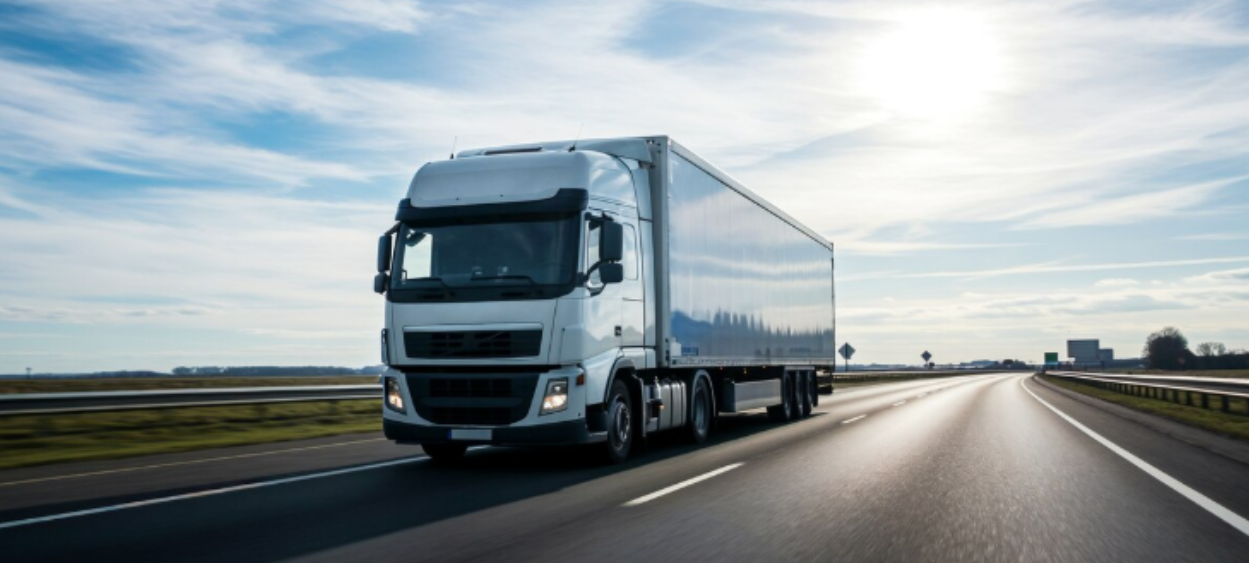
Logistics operations are undergoing structural changes driven by automation technologies. Increasing delivery volumes, tighter service windows, and rising operational costs have made manual coordination inefficient. Automation introduces precision, scalability, and real-time responsiveness into logistics networks, particularly in last-mile delivery.
The future of delivery depends on how effectively systems can integrate data, optimize movement, and reduce human intervention in repetitive processes.
Automated Dispatch and Intelligent Scheduling
Dispatching is one of the most complex components of logistics. It involves assigning drivers, sequencing deliveries, and adapting to real-time constraints such as traffic and delays.
Automation replaces manual dispatch decisions with algorithm-driven scheduling. These systems evaluate variables including distance, delivery priority, and resource availability to generate optimal assignments.
Key benefits include:
- Reduced manual planning time and human error
- Dynamic reassignment of tasks based on real-time conditions
- Improved utilization of drivers and vehicles
Automated dispatch ensures that delivery operations remain efficient under varying demand conditions.
Route Planning and Optimization Algorithms
Route efficiency directly affects delivery speed and cost. Traditional routing methods are static and fail to adapt to real-time disruptions.
Modern systems implement route optimization using algorithms that calculate the most efficient paths based on traffic patterns, delivery windows, and geographic constraints.
These systems continuously update routes as conditions change, ensuring that drivers follow the most efficient paths at all times.
Optimized routing reduces fuel consumption, shortens delivery times, and increases the number of deliveries completed per route.
Warehouse Automation and Order Processing
Automation in logistics begins before delivery. Warehouse operations now rely on automated systems for sorting, picking, and packing.
Robotic systems and conveyor-based technologies improve accuracy and speed in order processing. Automated inventory tracking ensures that stock levels are updated in real time.
Warehouse automation provides:
- Faster order fulfillment cycles
- Reduced picking errors and inventory discrepancies
- Improved coordination between storage and dispatch
Efficient upstream processes enable smoother downstream delivery operations.
Real-Time Tracking and Visibility
Visibility is essential for managing logistics networks. Automated tracking systems provide real-time updates on shipment status, location, and estimated delivery times.
GPS integration and IoT sensors allow continuous monitoring of vehicles and cargo. This data is transmitted to centralized platforms where it can be analyzed and acted upon.
Real-time tracking supports:
- Accurate delivery time predictions
- Immediate response to delays or disruptions
- Transparent communication with customers
Improved visibility enhances both operational control and customer satisfaction.
Integration of Data Across Systems
Automation relies on the integration of multiple data sources, including order management, inventory systems, and transportation platforms.
Integrated systems ensure that information flows seamlessly across the logistics network. This eliminates data silos and reduces the need for manual data entry.
Data integration enables:
- Consistent information across all operational stages
- Faster decision-making based on real-time data
- Reduced errors caused by inconsistent records
Unified systems improve overall efficiency and coordination.
Cost Reduction Through Process Automation
Manual logistics processes are labor-intensive and prone to inefficiencies. Automation reduces reliance on manual intervention, lowering operational costs.
Cost savings are achieved through:
- Reduced labor requirements for repetitive tasks
- Lower fuel consumption due to optimized routing
- Decreased error rates leading to fewer corrective actions
Automation allows businesses to scale operations without proportional increases in cost.
Scalability and Demand Management
Logistics demand is highly variable, with peak periods requiring rapid scaling of operations. Manual systems struggle to adapt to sudden increases in volume.
Automated systems can scale dynamically by adjusting routes, schedules, and resource allocation in real time. This ensures consistent performance during high-demand periods.
Scalability is critical for maintaining service levels as delivery volumes grow.
Autonomous Delivery Technologies
Emerging technologies such as autonomous vehicles and delivery drones are expanding the scope of logistics automation. These systems reduce dependency on human drivers and enable continuous operation.
Autonomous delivery offers:
- Extended operating hours without labor constraints
- Reduced human error in navigation and handling
- Potential cost reductions over time
While still developing, these technologies represent the next phase of logistics automation.
Predictive Analytics and Decision-Making
Automation systems generate large volumes of data that can be analyzed to improve performance. Predictive analytics uses this data to forecast demand, identify inefficiencies, and optimize operations.
Analytics tools can predict:
- Delivery delays based on traffic patterns
- Demand fluctuations across regions
- Maintenance requirements for vehicles
Data-driven insights enable proactive decision-making rather than reactive responses.
Risk Management and Operational Resilience
Logistics networks are exposed to risks such as weather disruptions, traffic congestion, and equipment failures. Automation improves resilience by enabling rapid response to these events.
Automated systems can reroute deliveries, reassign resources, and adjust schedules without manual intervention. This reduces the impact of disruptions on overall operations.
Resilient systems maintain service continuity under changing conditions.
Automation is transforming logistics by introducing efficiency, accuracy, and scalability across all stages of delivery. From warehouse operations to last-mile routing, automated systems reduce costs and improve performance. As technologies such as predictive analytics and autonomous delivery continue to evolve, automation will remain central to the future of logistics and delivery systems.