Why Smartwatch is the Way to Go: The Ultimate Guide to Modern Wearable Tech

In today’s fast-paced world, technology has moved from our desks and pockets to our wrists. Smartwatches are no longer just luxury accessories—they have become essential tools for productivity, fitness, health monitoring, and seamless connectivity. With countless options available in the market, it’s clear that a smartwatch is more than just a gadget; it’s a lifestyle upgrade.

Whether you are a fitness enthusiast, a busy professional, or someone who simply wants to stay connected effortlessly, a smartwatch offers functionality that traditional watches or even smartphones can’t match. In this article, we explore why a smartwatch is the way to go in 2025 and beyond.

On the other hand, if you want to try Pusoy dos plus more Pinoy card games online, check out GameZone!

1. Health and Fitness Tracking: Your Personal Wellness Companion

One of the biggest reasons smartwatches have become indispensable is their health and fitness capabilities. Modern smartwatches come equipped with sensors that monitor heart rate, blood oxygen levels, sleep patterns, and even stress levels.

  • Heart Rate Monitoring: Track your heart rate in real-time, which is useful for both fitness and detecting potential health issues.
  • Step and Activity Tracking: Achieve your daily movement goals with step counts, calorie tracking, and activity reminders.
  • Sleep Tracking: Smartwatches provide detailed sleep insights, helping you understand your sleep cycles and improve rest.
  • Advanced Health Features: Many smartwatches now include ECG monitoring, fall detection, and menstrual cycle tracking, making them versatile health tools.

Having this data at your fingertips allows you to make informed decisions about your lifestyle and fitness routines, turning your smartwatch into a personal health coach.

2. Seamless Connectivity: Stay Linked to What Matters

Smartwatches allow you to stay connected without constantly reaching for your phone. Notifications for calls, messages, emails, and social media alerts appear directly on your wrist, giving you instant access without distraction.

  • Call and Message Alerts: Never miss an important call or message, even when your phone is in your bag or pocket.
  • Email Notifications: Professionals can stay on top of work-related updates in real-time.
  • App Integration: Smartwatches sync with apps like calendars, maps, and productivity tools, keeping you organized and efficient.

This hands-free connectivity is especially beneficial for those with busy lifestyles or active routines, reducing the need to check your phone constantly while staying fully updated.

3. Convenience at a Glance

Smartwatches are designed to simplify daily life. From quick weather updates to contactless payments, these devices are versatile tools that make routine tasks faster and easier.

  • Contactless Payments: Many smartwatches now support NFC payments, letting you pay for groceries, coffee, or transit without reaching for your wallet.
  • Voice Assistants: Integrated AI assistants allow you to set reminders, send messages, or control smart home devices using just your voice.
  • GPS Navigation: Navigate unfamiliar places confidently with turn-by-turn directions displayed on your wrist.
  • Music Control: Stream music or podcasts directly from your smartwatch, eliminating the need to carry extra devices during workouts or commutes.

The convenience factor alone makes smartwatches a must-have accessory for anyone seeking efficiency in their daily life.

4. Personalization and Style: Tech Meets Fashion

Modern smartwatches are not just functional—they are stylish. With customizable watch faces, interchangeable straps, and sleek designs, smartwatches can complement any outfit or occasion.

  • Customizable Faces: Choose from countless digital watch faces that display information most relevant to you.
  • Interchangeable Bands: Swap straps to match your style, whether for workouts, work, or social events.
  • Variety of Designs: From sporty to luxurious, smartwatches come in styles that cater to every preference.

This combination of functionality and fashion makes the smartwatch an accessory that is both practical and aesthetically pleasing.

5. Safety Features: More Than Just Convenience

Smartwatches also provide critical safety benefits. Features like fall detection, emergency SOS alerts, and location sharing can be lifesaving in urgent situations.

  • Fall Detection: Automatically alerts emergency contacts if a sudden fall is detected.
  • SOS and Location Sharing: Send instant alerts to family or authorities in emergencies.
  • Health Alerts: Receive reminders to move, hydrate, or even take medications, promoting overall safety and wellness.

These features add a layer of security that traditional watches simply cannot provide, making smartwatches valuable for users of all ages.

6. Productivity Boost: Stay Ahead in Work and Life

Beyond health and convenience, smartwatches can significantly enhance productivity. Calendar reminders, task lists, and app notifications help users manage time effectively.

  • Calendar Sync: Receive reminders for meetings, deadlines, and events.
  • Task Management: Check off tasks on-the-go using smartwatch apps.
  • Quick Replies: Respond to messages with predefined texts, saving valuable time.

By keeping essential information accessible on your wrist, smartwatches help you maintain focus, organization, and efficiency in both personal and professional life.

7. Long-Term Investment: Value Beyond Timekeeping

While some may view smartwatches as expensive gadgets, they are actually a long-term investment in health, safety, and productivity. With regular updates and app integrations, smartwatches continue to improve in functionality over time, offering lasting value beyond traditional watches.

  • Software Updates: Receive continuous improvements and new features.
  • Durable Build: Many smartwatches are designed to withstand workouts, water exposure, and daily wear.
  • Cross-Device Integration: Sync seamlessly with smartphones, tablets, and other smart devices for a connected ecosystem.

Investing in a smartwatch is not just buying a device—it’s adopting a lifestyle that prioritizes efficiency, wellness, and convenience.

Conclusion: Why Smartwatch is the Way to Go

In a world where efficiency, health, and connectivity are increasingly important, the smartwatch emerges as an essential tool. From fitness tracking and health monitoring to hands-free communication and productivity boosts, smartwatches combine technology, convenience, and style in one wearable device.

Whether you are looking to enhance your daily productivity, maintain your health, or simply enjoy the convenience of having vital information at your wrist, a smartwatch is a versatile companion that adapts to your lifestyle.

In 2025, smartwatches are no longer just a luxury—they are the way to go for anyone seeking to stay connected, healthy, and organized in the modern digital age.

How Irish Tech Startups Are Scaling Globally in 2026

Ireland’s startup ecosystem is experiencing its most explosive growth period yet. With over 2,200 tech startups employing approximately 55,000 people and the government committing €1.5 billion from the National Training Fund for digital skills development, 2026 is shaping up to be a breakout year for Irish innovation. From AI-driven fintech to medtech exports, Irish companies are making their mark on the global stage, but success in international markets comes with one persistent challenge: multilingual content localization.

For Irish tech founders preparing to pitch in Paris, launch e-commerce platforms across Europe, or scale SaaS products to Asia, the localization bottleneck remains real. Pitch decks, product pages, investor emails, and technical documentation all need fast, high-quality translations that won’t delay go-to-market timelines or compromise message clarity. And when no one on the team speaks the target language fluently, trust in AI translation output becomes a critical concern.

Ireland’s Tech Boom: The Numbers Behind the Growth

The Irish tech sector’s momentum in 2026 is nothing short of remarkable. The industry now contributes over €48 billion to Ireland’s economy, with AI alone projected to add €250 billion by 2035. Dublin’s “Silicon Docks” hosts tech giants like Google, Microsoft, and Facebook, but it’s the indigenous startups that are making headlines.

In 2024, Irish tech companies raised €400 million across various sectors, with cybersecurity leading at €101 million, fintech at €75 million, and travel-tech at €61 million. Tines became Ireland’s second unicorn of 2025 after raising $125 million in a Series C round, while companies like Wayflyer achieved unicorn status with a valuation of $1.6 billion.

According to Deloitte’s Technology Fast 500 list, 20 Irish companies featured among Europe, the Middle East, and Africa’s fastest-growing tech firms, with companies like Wayflyer and Fibrus achieving growth rates exceeding 3,000% over four years. This explosive growth reflects not just local success but global ambition, and that ambition increasingly means navigating multilingual markets.

Why Do Irish Startups Need Multilingual Content Localization?

As Irish companies expand beyond English-speaking markets into France, Germany, Spain, and beyond, they face a fundamental truth: 76% of consumers prefer to buy products with information in their native language. More striking still, nearly 60% of consumers rarely or never purchase from websites available only in English, a trend noted in a Tomedes blog article.

The localization challenge isn’t just about translation, it’s about trust, compliance, and speed to market. A poorly localized pitch deck can cost a Dublin fintech its Paris funding round. A mistranslated product description can damage a Cork e-commerce brand’s reputation in Munich. And for startups racing against well-funded competitors, every day spent on translation delays is a day lost.

The Traditional Translation Bottleneck

Historically, Irish startups expanding to Europe faced several localization pain points:

  • Time constraints: Traditional translation agencies often require weeks for turnaround, delaying product launches and investor meetings
  • Cost barriers: Professional human translation for multiple languages can drain early-stage budgets, with costs reaching thousands of euros per project
  • Quality concerns: While machine translation has improved dramatically, founders worry about accuracy in critical documents like legal contracts, investor materials, and technical specifications
  • Internal expertise gaps: Most Irish startup teams lack native speakers for target languages, making quality assessment difficult

According to research on startup localization challenges, companies that delay localization often face steeper barriers later, it can take nearly two years to retrofit systems built with single-language assumptions.

How Are Irish Startups Overcoming Localization Barriers?

The translation technology landscape has evolved dramatically. The global machine translation market was valued at USD 1.12 billion in 2025 and is expected to reach USD 2 billion by 2030, growing at a CAGR of 12.30%. Neural machine translation now holds nearly 49% market share, thanks to a transformer-based architecture that delivers contextually accurate results.

But raw AI translation alone isn’t enough. Startups need confidence that their translated content is accurate, especially when dealing with high-stakes materials like investor decks, regulatory documents, and product specifications.

This is where consensus-based translation platforms like MachineTranslation.com are changing the game. Their SMART feature represents a breakthrough in translation confidence for non-linguist teams.

What Makes SMART Different?

Unlike traditional approaches that force users to choose between multiple AI translation engines, SMART automatically aggregates outputs from leading translation engines and selects the most agreed-upon translation for each sentence. Think of it as a “wisdom of the crowds” approach to AI translation, when multiple advanced AI systems agree on a translation, confidence in accuracy increases dramatically.

For Irish startups, this means:

  • Faster decision-making: No more manually comparing outputs from Google Translate, DeepL, and Microsoft Translator
  • Higher confidence: When multiple AI engines agree, teams can trust the output without extensive post-editing
  • Reduced review cycles: Non-linguist team members can approve translations faster, accelerating time-to-market
  • Cost efficiency: Less time spent on review means lower localization costs overall

Real-World Use Case: Localizing a Fintech Pitch for French Investors

Consider a Cork-based fintech startup preparing to pitch to venture capital firms in Paris. The founders have built an impressive product, secured early traction in Ireland and the UK, and identified French VCs as their next funding target. But they’re facing a tight timeline, their Series A pitch meeting is in two weeks.

They need to translate:

  • A 20-slide pitch deck with financial projections and market analysis
  • A 10-page executive summary
  • Product demonstration scripts
  • Email correspondence with potential investors

The Old Approach

Hire a translation agency, wait 5-7 business days, pay €2,000-3,000 for professional translation, then hope the French investors don’t notice any cultural nuances that feel “off.”

The 2026 Approach with SMART: 

Upload documents to MachineTranslation.com, select English → French AI translation, and let SMART aggregate translations from multiple neural engines. Within hours, the team has high-confidence translations for review. Because SMART surfaces consensus translations, the founders can identify which sections multiple AI engines agree on (high confidence) and which might need human review (lower consensus).

Result: 

The pitch deck is ready in 24 hours, the team saves €2,500, and they have time to rehearse their presentation instead of waiting on translations. More importantly, the SMART-powered translations capture financial terminology accurately because multiple specialized AI engines have validated the output.

Scaling Product Pages Across Six European Languages

For e-commerce startups, the localization challenge multiplies with every market entry. An Irish direct-to-consumer brand launching across Europe might need product descriptions in French, German, Spanish, Dutch, Polish, and Italian—potentially thousands of SKUs across multiple languages.

The E-Commerce Localization Challenge

Traditional approaches force startups to choose between:

  • Speed: Use raw machine translation and risk awkward phrasing that hurts conversion rates
  • Quality: Pay for professional translation and blow the marketing budget before the campaign launches
  • Scale: Pick only 1-2 languages instead of fully localizing for all target markets

This compromise leaves money on the table. Research shows that localized content can increase engagement by up to 2,500%, making proper localization a competitive advantage, not just a nice-to-have.

The SMART Solution for E-Commerce

With over 100,000 language pair combinations available on advanced translation platforms, Irish e-commerce brands can now automate product localization at scale. But automation without confidence creates risk—a mistranslated size chart or ingredient list can trigger customer complaints or regulatory issues.

SMART addresses this by:

  1. Processing high volumes quickly: Translate 1,000 product descriptions across 6 languages in hours, not weeks
  2. Flagging uncertainty: When AI engines disagree significantly on a translation, SMART alerts the team to review that specific content
  3. Maintaining consistency: Glossary management ensures brand terms and product names stay consistent across all languages
  4. Reducing post-editing: Because SMART surfaces consensus translations, human reviewers focus only on edge cases rather than validating every sentence

For a growing e-commerce startup, this means launching in Madrid, Milan, and Munich simultaneously instead of rolling out markets sequentially—compressing internationalization timelines from 18 months to 6 months.

Why Consensus Translation Matters in 2026

The fundamental shift in 2026 is this: AI translation is no longer about choosing the “best” engine. It’s about leveraging multiple AI systems to build confidence through consensus.

The Trust Gap in AI Translation

Despite massive improvements in neural machine translation, non-linguist teams still face a trust gap. When a Dublin SaaS founder reviews a German translation of their product documentation, they’re asking:

  • Is this technically accurate?
  • Does it sound natural to native speakers?
  • Will it damage our brand if we ship this?

Without native German speakers on the team, answering these questions traditionally meant:

  • Hiring expensive consultants for spot-checks
  • Sending translations to freelance reviewers and waiting days
  • Simply hoping the AI got it right and dealing with problems later

SMART fills this gap by making AI consensus visible. When 4 out of 5 leading translation engines agree on how to translate a complex technical sentence, confidence increases. When engines disagree, the system flags that sentence for human review.

Beyond Translation: The Broader Localization Context

While translation quality is critical, it’s just one piece of the localization puzzle. Irish startups expanding globally must also consider:

Cultural adaptation

Colors, imagery, and messaging that work in Dublin might not resonate in Tokyo. German B2B buyers expect different proof points than French consumers.

Regulatory compliance

GDPR in Europe, data privacy laws in Asia, and advertising standards vary by country. According to industry research, regulatory missteps can lead to fines that threaten early-stage companies.

Payment localization

Irish startups using Stripe or other payment processors need to offer local payment methods, iDEAL in the Netherlands, Bancontact in Belgium, SEPA transfers in Germany.

Customer support

75% of consumers prefer products available in their native language, and that extends to support channels. Translated FAQs and email templates become essential.

Tools like SMART handle the linguistic foundation, allowing startups to focus resources on these higher-level localization challenges.

How Do Irish Startups Scale Globally Today?

Beyond translation technology, Irish startups benefit from several structural advantages in 2026:

Government Support Infrastructure

  • Enterprise Ireland continues investing heavily in internationalization, with €27.6 million allocated to 157 startups for global expansion support
  • The High Potential Start-Ups (HPSU) programme provides financial incentives and market access support
  • R&D tax credits at 25% encourage continued innovation investment

Strategic Geographic Positioning

Ireland’s location between the US and Europe, combined with its status as the only English-speaking EU member state post-Brexit, makes it an ideal launchpad for European expansion. According to recent insurtech data, 28% of Irish tech firms already report sales into the UK, 15% into Europe, and 14% into the US.

Access to Talent and Capital

The €1.5 billion National Training Fund investment is producing skilled tech talent, while venture capital investment in Ireland surged to $668 million in Q1 2025, up from just $34 million in Q1 2024.

What Types of Content Benefit Most from SMART Translation?

Not all content requires the same translation approach. SMART delivers maximum value for content types where accuracy is critical but full human translation would be cost-prohibitive:

Investor Materials

Pitch decks, executive summaries, and financial projections require precision. A mistranslated revenue projection or market size estimate can undermine investor confidence. SMART’s consensus approach ensures financial terminology and metrics are translated consistently across documents.

Internal Documentation

As Irish startups hire internationally, internal wiki pages, onboarding materials, and process documentation need translation. SMART allows companies to maintain multilingual documentation without dedicated translation budgets.

Legal and Compliance Documents

While final legal contracts should always involve professional legal translators, early drafts, NDA templates, and compliance checklists benefit from high-confidence AI translation. SMART flags legally complex sentences where terminology consensus is low, directing legal review where it matters most.

Product Copy and Marketing Materials

Product descriptions, feature lists, and marketing emails need to be both accurate and persuasive. SMART helps marketing teams localize content quickly while maintaining brand voice consistency through glossary management.

Technical Documentation

API documentation, user guides, and technical specifications contain domain-specific terminology. When multiple AI engines trained on technical corpora agree on translations, development teams can confidently publish localized documentation.

How Does Machine Translation Quality Compare in 2026?

The quality gap between human and machine translation has narrowed dramatically. Neural machine translation models now achieve BLEU scores (a standard quality metric) that approach human parity for common language pairs like English↔French and English↔German.

However, challenges remain for:

  • Low-resource languages: Irish Gaelic, Icelandic, and other smaller languages still benefit from human expertise
  • Creative content: Marketing slogans, brand messaging, and culturally nuanced copy often require transcreation, not just translation
  • Highly regulated content: Pharmaceutical documentation, medical device manuals, and legal contracts still demand human translation and legal review

For the majority of business content, product descriptions, internal communications, investor materials, and technical documentation, AI translation with consensus validation (like SMART) delivers sufficient quality for international operations.

What Challenges Remain for Irish Startups Scaling Globally?

Despite improved translation technology and strong government support, Irish startups still face scaling challenges:

Talent Competition

Dublin’s tech scene faces stiff competition from multinational corporations offering higher salaries. As noted in recent industry analysis, companies like Google, Meta, and Microsoft often poach talent from startups.

Funding Valley

While seed funding is accessible through Enterprise Ireland and local VCs, Series A and B funding remains challenging. Many promising Irish companies stall at the growth stage due to limited growth-focused investment.

Infrastructure Costs

Despite cloud computing reducing hardware expenses, operational costs in Dublin remain high. Startups increasingly establish remote teams or satellite offices in Cork, Galway, and Limerick to manage costs.

Market Understanding

Beyond language, Irish founders must understand local business practices, purchasing behaviors, and competitive dynamics in target markets. A SaaS startup that succeeds in Ireland might need to completely restructure its go-to-market strategy for Germany’s enterprise market.

The Future of Irish Tech Expansion

Looking ahead, several trends will shape how Irish startups scale globally:

AI-First Localization

The AI translation market is projected to reach $4.50 billion by 2033 at a 16.5% CAGR. This growth reflects increasing AI sophistication and startup adoption. Tools like SMART represent the first wave, consensus-based validation. Future iterations will incorporate:

  • Real-time translation for video content and customer support
  • Context-aware translation that understands company-specific terminology
  • Automated cultural adaptation suggestions beyond pure language translation

Hybrid Work and Global Teams

Irish startups increasingly hire globally from day one. A Dublin founder might have developers in Poland, customer success in Spain, and sales in Germany. This necessitates robust multilingual communication infrastructure—not just for customer-facing content but for internal operations.

Regulatory Complexity

As the EU tightens data privacy, AI governance, and digital services regulations, Irish startups must navigate compliance across multiple jurisdictions. Translation of legal documents, privacy policies, and compliance materials will become more critical and more complex.

Vertical-Specific Solutions

Rather than competing as horizontal platforms, successful Irish startups are increasingly focusing on vertical markets, fintech, healthcare, energy management, and cybersecurity. This specialization extends to localization, where domain-specific translation quality matters more than broad language coverage.

Key Takeaways for Irish Founders

As one tech lead at a Dublin-based SaaS startup noted: “Tools like SMART help us scale without a localization team. We don’t just save time—we finally trust what we ship.”

For Irish startups planning international expansion in 2026 and beyond:

Start early

Localization isn’t a late-stage problem. Building internationalization into your product architecture from day one prevents costly retrofitting later.

Leverage technology

Tools like MachineTranslation.com’s SMART feature deliver professional-grade translation quality without professional-grade costs. Use AI translation for the bulk of content, reserving human expertise for creative and legally critical materials.

Focus on priority markets

Don’t try to launch in 10 countries simultaneously. Identify 2-3 key markets, localize thoroughly, learn from initial customers, then expand. Quality localization in fewer markets beats superficial translation in many.

Measure localization ROI

Track conversion rates, support ticket volume, and customer acquisition costs by language. Data-driven localization decisions beat gut instinct.

Build partnerships

Connect with local advisors, marketing agencies, and customer success managers in target markets. Language translation is necessary but not sufficient, cultural understanding drives success.

The barriers to global expansion for Irish startups have never been lower. With Ireland’s startup ecosystem ranking 9th in Western Europe and 16th globally, strong government support, and AI-powered localization tools, 2026 represents a breakthrough year for Irish tech companies ready to scale beyond English-speaking markets.

As the global machine translation market continues its rapid growth trajectory, and as platforms like MachineTranslation.com evolve their consensus-based approaches, the translation bottleneck that once slowed international expansion is becoming a manageable workflow step rather than a strategic barrier.

For Irish founders, the message is clear: the technology, funding, and market conditions are aligned. The time to scale globally is now, and the localization tools to do it efficiently finally exist.


Want to explore how AI is transforming other areas of Irish tech? Check out our coverage of how AI is revolutionizing the financial industry and discover Ireland’s top emerging tech startups in 2025.

The Tech Behind Live Streaming

Live streaming has become one of those things people use every day without thinking about what makes it work. It sits behind video calls, investor briefings, gaming platforms, remote onboarding, and half of the entertainment world. When a stream loads instantly, nobody notices. When it doesn’t, suddenly the entire system feels fragile. The truth is that the technology behind live streaming is layered, messy, and constantly evolving in the background while the front-end looks calm.

How Real-Time Streaming Became a Standard

The shift toward real-time delivery hasn’t come from one industry alone. Finance, gaming, education, and entertainment all pushed for it in different ways. The gaming sector, in particular, raised the bar. Many non GamStop casino sites offer live dealer table games, which depend on smooth video to keep the entire experience believable. When the cards hit the table, the player sees it instantly. If there’s lag or the picture breaks, people stop trusting what’s on the screen.

That need for precision forced streaming providers to rethink everything from how video is encoded to how far it travels before it reaches the viewer. Those same upgrades now support financial dashboards, compliance recordings, large-scale investor calls, and other tools that demand immediate data without distortion. Live streaming didn’t grow because it was trendy. It grew because different sectors relied on it for different reasons and ended up shaping one another’s standards.

Why Compression Does Most of the Heavy Lifting

When someone tunes into a live stream, what they actually receive isn’t raw footage. It’s been compressed, trimmed, rearranged, and re-encoded in milliseconds. Most people never think about this part because they never see it.

Compression technology has changed quietly but dramatically. Older systems used fixed rules; newer systems adapt on the fly. If your connection weakens, the stream doesn’t stop; it reorganises itself. The sharpest details stay sharp, less important parts soften, and the video keeps moving.

This adaptability is what lets a financial analyst watch a live earnings call on a train, or a remote employee take part in an onboarding session from a café. Everything hinges on compression working fast enough that the viewer doesn’t realise anything changed.

The Importance of Edge Routing

Another piece of the puzzle sits at the “edges” of the network. Instead of sending all traffic through distant servers, companies now place smaller nodes closer to users. It shortens the distance data has to travel, which cuts down the delay.

Streaming companies borrowed this approach early, but now finance relies on it heavily, too. A real-time trading screen can’t freeze just because thousands of people log in at once. Edge routing spreads the load, redirecting traffic before it builds into a bottleneck.

The biggest advantage is stability. If one route slows down, another picks up the slack. Viewers never notice the switch, but without it, delays would be constant.

Security Built Directly Into the Stream

As streaming expanded, so did the security expectations around it. Encryption is now standard from the moment the feed is created. Tokens determine who can access it. Some systems rebuild the stream each time someone logs in, just to keep it from being reused elsewhere.

In the finance world, this matters because live-streamed meetings often contain sensitive information. In gaming, it matters for a different reason: payments and personal details move through the same systems that carry the video. Platforms want to make sure the wrong person can’t intercept or mimic the stream. Security isn’t a checklist anymore. It’s part of the architecture.

Latency and the Psychology of Timing

Latency, the small delay between an action and the viewer seeing it, affects how people interpret what happens on a screen. A one-second delay during a live interview feels uncomfortable. A half-second delay during a digital card game feels suspicious.

To shrink latency, developers trimmed how long each step takes: capturing, compressing, routing, and displaying. They removed extra buffer space. They rewrote how devices prioritise streaming data over background processes.

The result isn’t instant, but it is close enough that people feel as though the moment is happening right in front of them. In an economy that depends on trust, whether financial or recreational, that perception matters.

AI in the Control Room

A few years ago, live streaming relied mostly on fixed rules. Now, AI systems adjust quality before a user even notices a problem. They guess when the connection is about to dip and prepare alternative routing. They identify whether the image is too sharp for the available bandwidth and soften it before the viewer sees a glitch.

Some platforms use AI to detect motion and decide what needs the most clarity. Others predict peak usage times and shift server loads ahead of time. It is invisible work, but it is the reason modern live streams rarely collapse the way they used to.

How Different Sectors Shape the Technology

The strange thing about live streaming is that the industries shaping it rarely share the same goals. Finance wants reliable logs and verifiable security. Gaming wants speed and low latency. Education wants accessibility on low-bandwidth connections. Entertainment wants clarity.

Because all of these needs overlap in certain places, streaming providers have been forced to build systems that can handle unpredictable demands. A platform that streams a quarterly earnings call in the morning may be supporting a thousand gaming streams at night, and both expect flawless performance. This cross-influence is why live streaming keeps evolving even when users don’t notice any change.

Why the Future Will Depend on Consistency

As AI tools expand, as remote work continues, and as more industries move toward real-time platforms, the pressure on live streaming will only increase.

The next big improvements likely won’t be flashy. They’ll be structural: cleaner paths for data, faster response times during heavy usage, and new protections for everything that moves across a live feed.

Streaming has become one of the quiet pillars of the digital economy. The more people depend on it, the more the technology shifts from convenience to infrastructure.

Conclusion

Live streaming is no longer something reserved for entertainment. It supports financial markets, business operations, gaming platforms, identity verification, and daily communication. Its evolution has been shaped by the industries that needed it most. Often, without users realising the influence behind the scenes.

As more services depend on real-time interaction, streaming will continue moving from a background tool to a core part of how digital systems run. The better it gets, the more invisible it becomes and the more essential it is.


myFirst Sketch Pro Neo Colour LCD sketch pad review

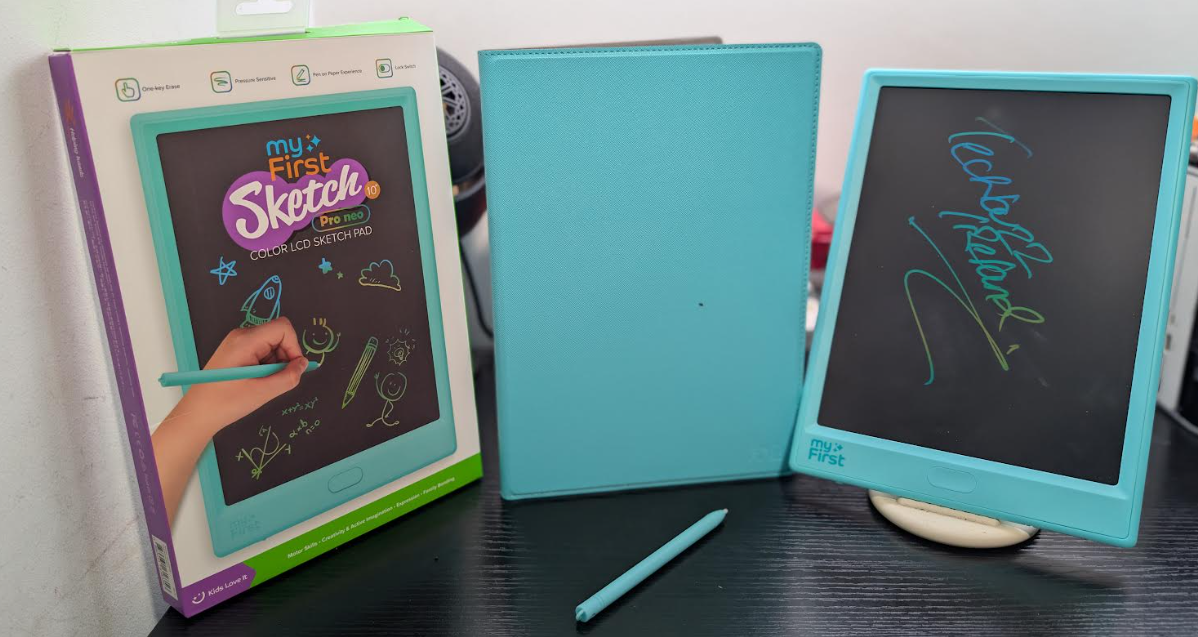
The myFirst Sketch Pro Neo Colour LCD is a no nonscence ready to go out of the box solution for your kids to get creative and is affordable robust and simple to use with no set-up reequired which is simply great for parents and kids alike.

Built to Last: Designed with rounded rubberized corners, it is the perfect companion for out-and-about kids. The large format screen allows you to take school notes, scribble thoughts, and sketches, tic-tac-toe, and many more.

Pen On Paper Experience: The mixture of real writing experience on paper and smooth writing experience on Colour LCD Sketch Pad.

Anti Glare & Clear Screen: Your artwork will look clearer and gives the user a smoother writing or drawing experience.

Portable for On-the-Go Works: The Sketch Pro Neo is so portable that it is a must-have for your child, at home, school, or even the park!

Premium Leather Case: Look stylish and keep your Sketch Pro safe, anytime, anywhere. Check the video below for more.

Features:

  • Large sketching area with a 10” LCD screen
  • Zero delay writing experience
  • Comes with a stylus for pressure-sensitive sketching
  • Reusable with a one-key eraser
  • Lock switch to prevent accidental drawing
  • Low power consumption
  • High Contrast Luminescent
  • Non-Radiative
  • Lightweight and portable
  • Durable Design for Kids
  • myFirst Sketch Pro neo
  • 1 x Stylus
  • 1 x Stylus string
  • Premium leather case
  • CR2032 battery included
  • User manual

BUY

Other myFirst reviews 

Video Review

Dublin Tech Week Returns: 22–29 May 2026

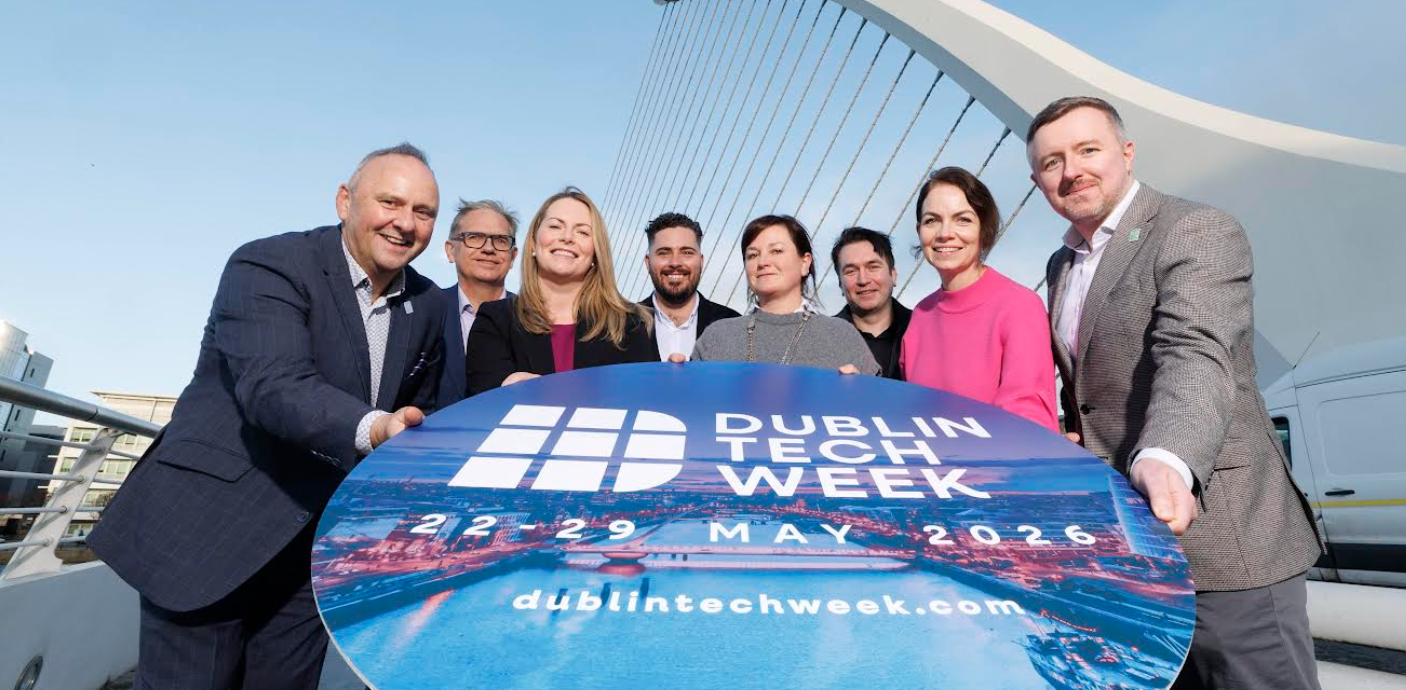
Dublin Tech Week returns from 22–29 May 2026, bringing together innovators, creators, and communities for a week-long programme of events across the city. Now in its second year, it aims to once again highlight Dublin’s position as a leading global hub for technology, talent, and ideas and grow on the success of its first year.

Over seven days, Dublin can expect to host a diverse schedule that spans conferences, exhibitions, workshops, networking events, and creative experiences. From world-class industry discussions to hands-on activities for the public, Dublin Tech Week offers something for everyone interested in the role technology plays in shaping our future.

This city-wide initiative aims to:

● Showcase Dublin’s innovation ecosystem to both local and international audiences

● Encourage collaboration between tech companies, educational institutions, and community organisation

● Promote STEM engagement with younger generations and underrepresented groups

● Connect the public with the latest developments in technology, culture, and sustainability

Get Involved

Organisations, venues, and community groups are invited to contribute to the programme by hosting tech-related events or experiences during the week. Dublin Tech Week encourages participation from across the tech spectrum—startups, established companies, educators, and creative industries—ensuring the festival reflects the breadth and diversity of Dublin’s tech scene.

A full schedule of events will be published on DublinTechWeek.com in the coming months. To propose an event or find out more about how to get involved, email info@dublintechweek.com.

“Following the success of Dublin’s first Tech Week in 2025, Dublin City Council and the Dublin Brand are proud to support its return in 2026. Dublin Tech Week celebrates our world-class talent, innovation, and collaborative spirit, cementing our City as a leading global tech hub.” said Ross Curley, Head of Economic Development, Dublin City Council & Dublin Regional Place Brand

Programme Highlights

The 2026 line-up aims to include

● Industry Summits & Specialist Seminars

● Open House Events at Tech Companies

● Innovation & Product Showcases

● Hackathons and Developer Challenges

● Networking and Meet-up Opportunities

● Crossovers Between Technology, Art, and Culture

● Family Tech activities

● Showcase of County -wide tech based initiatives

Partners

Dublin Tech Week is supported by key organisations in the Irish tech community, including Dublin City Council, Smart Dublin, LEO, Dublin Tech Summit, Tech Ireland, ADAPT Centre, NovaUCD, Blockchain Ireland, Eth Dublin, Guinness Enterprise Centre, Furthr, and Dublin Chamber.

How Path of Exile 2’s Combat Became Its Strongest Feature Yet

When Path of Exile 2 was announced, a lot of people assumed it was going to be the same package with a prettier bow. Well, joke’s on them! It’s that and much, much more! In this article, we will dive into the best mechanical expansion they delivered in the sequel. The combat! – and why it’s the best part of this new entry.

If you can’t wait to take part in this journey into the biggest and best evolution of the ARPG genre, consider purchasing PoE 2 currency, as navigating the market is complex and pretty unforgiving for newcomers.

The New Philosophy of Combat

In Path of Exile 1, your power came from spreadsheets. If your passive tree was efficient and your item mods were right, you could delete entire screens before the enemies even noticed you. It was satisfying at first but quickly became detached – more calculation than combat.

Path of Exile 2 flips that idea on its head. Now, your strength doesn’t just come from your stats – it comes from your execution. Every attack animation is a commitment; every dodge is a deliberate decision. You can’t cancel halfway through. You can’t rely on instant flask spam to erase mistakes.

That shift changes the entire rhythm of the game. You’re no longer a walking explosion of numbers. You’re a combatant – one who has to respect space, timing, and momentum. Each swing feels heavy, each projectile purposeful. For the first time in PoE history, your hands matter as much as your build.

Timing Over Spam

Combat in Path of Exile 2 is slower – not in pace, but in mindset. The developers at Grinding Gear Games have introduced something ARPGs often lack: tempo. You read enemies, learn their patterns, and respond instead of reacting blindly.

It’s no longer about emptying your skill bar as fast as possible. It’s about waiting for the perfect moment to strike. When you land a counterattack right after a dodge, it feels incredible – not just because of the damage, but because of the precision.

That’s the magic of this new system. It borrows the deliberate cadence of games like Dark Souls or Monster Hunter but adapts it to an ARPG framework. Suddenly, Path of Exile isn’t just a numbers game. It’s a skill game.

Weapons With Real Identity

One of the most immediate differences players notice is how weapons feel. In the first game, a sword, axe, or mace was often just a vehicle for stats. In the sequel, they define how you fight.

Heavy maces crush armor with satisfying thuds. Spears extend your reach and reward spacing. Daggers enable quick, risky burst plays. Even bows have a palpable tension – you feel the draw and release. Each weapon class brings new animations, new skill interactions, and a new sense of weight.

That’s not just aesthetic polish – it’s mechanical depth. Weapon choice now changes how you engage enemies and what you can safely attempt. It brings identity back to the player’s hands. Your weapon isn’t just your gear; it’s your language of combat.

The End of Mindless Clearing

Old-school Path of Exile fans loved efficiency. The meta revolved around builds that could vaporize everything on-screen before taking a scratch. It looked impressive – but it also killed tension.

Path of Exile 2 moves away from that philosophy. Enemy packs are smaller but smarter. They coordinate. They flank. They punish lazy positioning. The game rewards precision and survival, not just sheer output.

You don’t clear a room by existing in it anymore; you earn it. Each encounter feels more personal, more grounded. Instead of chasing faster kills, you’re chasing cleaner executions. And that’s a major reason the combat feels alive again.

Animation as Gameplay

One of the most subtle but impactful changes lies in animation readability. Every enemy telegraphs its attacks now – the shoulder drop before a lunge, the ground shimmer before an AoE, the flicker of light before a spell burst.

These aren’t just effects. They’re part of the conversation between you and the game. You see a move coming, dodge at the right time, and retaliate. That kind of clarity transforms combat from chaos into controlled intensity.

You still die, of course – this is Path of Exile – but when you do, it’s usually because you made a mistake you can learn from. Not because the camera hid a one-shot from off-screen. It’s fair brutality, and that’s what keeps players engaged.

Cinematic Without Losing Control

What’s remarkable is how Path of Exile 2 manages to be cinematic without stealing control from the player. The camera doesn’t yank itself around during attacks. The game doesn’t rely on flashy finishers or scripted slow-motion kills. Instead, the spectacle emerges naturally – from impact, lighting, and timing.

When your sword connects and the camera shakes just slightly, when a boss crash-lands into the arena and dust fills the air – those moments feel cinematic because they come from your own actions. It’s immersive, not intrusive.

GGG has found a rare balance between visual drama and mechanical precision. It’s fast, beautiful, and completely under your control.

Punishment With Purpose

Make no mistake – this new system is harder. Mistakes cost you. Standing still too long gets you punished. Getting greedy during a combo can mean instant death.

But the difficulty isn’t there to frustrate. It’s there to make victory meaningful. Every close fight, every narrow dodge, and every recovered mistake turns into a story. The punishment isn’t random – it’s instructional. You can feel yourself improving after every death.

And that’s exactly what makes this combat loop addicting. You don’t just grind levels. You grind skill.

FAQs

Is Path of Exile 2’s combat actually slower?

Not exactly – it’s more deliberate. Enemies take longer to kill, and your attacks have real recovery time. The pace feels tighter, but it’s far from sluggish.

Can I still play fast, screen-clearing builds?

To a degree, yes. But PoE2 encourages more control and precision. You’ll still feel powerful, but your power now comes with risk.

Does every weapon really feel unique?

Absolutely. The animation sets, timing, and even skill availability differ by weapon. If you want to try them all, consider purchasing PoE 2 currency so that you can buy, trade, and craft every weapon!

Is the new combat harder for casual players?

It’s more demanding but also more readable. You can see attacks coming and react intelligently. That makes it challenging, but not punishing.

Wrapping Up

Path of Exile 2 shows us something that has been missing in the gaming industry for years. So many franchises nowadays come out with new entries only for them to feel like a recolor or have just barely enough new things for it to be considered a new game in the first place. This game decided to recreate everything from scratch; the things that it does carry from the first game are heavily expanded and reimagined to the point where you can barely recognize them. From classes to systems! If you want to join in on the fun, consider getting Path of Exile 2 Currency from our friends at PlayHub so that you’re always ready for what’s coming!

Dell Technologies and Microsoft redefine Hybrid Cloud with Azure local integration

Dell Technologies today announced a major advancement in hybrid cloud innovation through the integration of Microsoft Azure Local with Dell Private Cloud and Dell PowerStore. This collaboration marks a significant step forward in simplifying IT operations for enterprises, delivering a unified approach to managing diverse workloads across hybrid and multicloud environments.

The conversation around enterprise IT has shifted dramatically. Businesses are no longer faced with a binary choice between public cloud and on-premises infrastructure, nor is it simply about running traditional versus modern workloads. The real challenge lies in managing these varied environments consistently and efficiently. Dell Technologies, in partnership with Microsoft, is addressing this challenge head-on by introducing Azure Local support for Dell Private Cloud and Dell PowerStore, creating a seamless experience for organisations seeking flexibility, performance, and enterprise-grade resilience.

Dell Private Cloud represents the first Azure Local offering to deliver a full-stack solution encompassing compute, external storage, and networking from a single vendor, backed by end-to-end solution-level support. This integrated approach simplifies the complexity of hybrid and multicloud management, enabling businesses to focus on innovation rather than infrastructure. With automated lifecycle management, independent scaling of compute and storage, and a future-ready disaggregated architecture, Dell Private Cloud empowers organisations to adapt to evolving demands without disruption.

Complementing this is Dell PowerStore, Dell’s flagship enterprise all-flash storage platform. PowerStore brings advanced data efficiency, flexible scalability, and robust security to Azure Local environments, ensuring critical workloads remain protected while delivering exceptional performance. Its ability to handle both traditional and modern workloads makes PowerStore the ideal partner for businesses modernising their IT operations without compromise.

Caitlin Gordon, Vice President of Product Management for Private Cloud and AI Solutions at Dell Technologies, said: “The conversation around enterprise IT is changing. It’s no longer about choosing between public cloud and on-premises infrastructure. Nor is it a simple decision between running traditional or modern workloads. Today, the real challenge is how to manage all of these different environments and application types together, simply and consistently. By bringing Microsoft Azure Local to Dell Private Cloud and PowerStore, we’re helping customers simplify their IT operations and unlock the full potential of their hybrid cloud strategies.”

This integration is more than a technical milestone; it reflects Dell Technologies’ commitment to helping customers navigate the complexities of modern IT. Together with Microsoft, Dell is delivering solutions that meet the evolving needs of businesses, from hybrid cloud to edge computing and beyond. Early access for this combined offering is expected to launch in spring 2026, paving the way for organisations to embrace a future-ready infrastructure that drives innovation and growth.

Canon brings ‘World Unseen’ accessible photography exhibition to Dublin

Canon UK & Ireland is proud to announce the next chapter of its ‘World Unseen’ photography exhibition, now coming to Dublin in partnership with the Photo Museum Ireland. This immersive and accessible exhibition invites visitors to experience photography in a completely new way, showcasing the power of Canon’s elevated prints technology and its impact of enriching lives and businesses.

Following its successful debut last year at Somerset House in London, and other locations across Europe, the Middle East and Africa, ‘World Unseen’ will be hosted in Dublin from Wednesday 11th to Sunday 15th February 2026, offering a tactile and sensory experience through elevated prints, audio descriptions and braille. The exhibition is designed to make photography more inclusive and to demonstrate how technology can transform the way we engage with visual storytelling.

Visitors will encounter a series of striking images that showcase how imagery can be experienced through touch, to tell stories, communicate and evoke emotion. The adaptations not only raise awareness of accessibility in the arts but also highlight how inclusive design can enhance experiences for all audiences.

Guido Jacobs, Managing Director, Canon UK & Ireland said: “We believe that everyone should be able to experience the power of visual storytelling. ‘World Unseen’ is a testament to how technology can break down barriers and create meaningful, inclusive experiences for all.”

Trish Lambe, CEO & Artistic Director, Photo Museum Ireland said: “Photo Museum Ireland believes visual culture should be accessible to everyone. Canon’s World Unseen exhibition celebrates what’s possible when art and technology work hand in hand. By opening up new sensory pathways into photography, World Unseen invites every visitor, sighted or visually impaired, to engage with images in a deeper, more connected way. We’re proud to host it here, for free, and for everyone.”

Canon’s elevated print technology, powered by its PRISMAelevate XL software and Arizona printer series, has been used globally to support museums and galleries in making art more inclusive. This exhibition continues that mission, offering a compelling showcase of how innovation can open new possibilities for people with visual impairments.

Admission is free, and further information will be available via the Photo Museum Ireland’s website.

Ireland, world champion of mobile navigation in 2025!

According to the latest nPerf analysis, Ireland secures the world’s top position in mobile Internet browsing performance. The country ranks ahead of four other European nations, confirming the continent’s strong momentum in network performance.

“The countries that deployed 5G first are not necessarily the ones offering the fastest browsing experience” observes Renaud Keradec, CEO of nPerf.

Top 5 best mobile browsing performances in 2025.

Five European countries lead the global ranking

The study compares the loading time of the five most visited websites in each country. The results place Europe firmly at the top of the global leaderboard.

Ireland ranks first with a score of 79.13%, followed by the Netherlands at 78.61% and Slovakia at 78.01%. Slovenia records 76.99%, and Belgium 76.49%. A score of 100% corresponds to an instant webpage load, while 0% indicates that the page could not be loaded.

United States: Early 5G leadership does not guarantee the best experience

Notably, despite an early deployment of 5G as early as 2018, that is two years before most European countries, the United States does not appear in the top 5.

This gap can largely be attributed to the scale and heterogeneity of the territory: covering several million square kilometers is a significantly more complex challenge than upgrading a smaller country such as Ireland or Belgium. This disparity directly influences the quality and consistency of the mobile browsing experience.

Top 20 best mobile browsing performances in 2025.

A reliable snapshot of the user experience

nPerf data provides an accurate snapshot of real mobile browsing performance, measured using a consistent and uniform methodology. This study is based on tests conducted through the nPerf applications, relying exclusively on test volumes that ensure statistical reliability. The results highlight significant disparities between countries, at a time when global traffic continues to shift increasingly toward mobile.