Client Relationship Management (CRM) for Legal Professionals

In a profession built on trust and reputation, maintaining strong client relationships is essential for long-term success. That’s where Client Relationship Management (CRM) tools come in. Law firms are increasingly using CRM software to organize communications, track interactions, personalize outreach, and improve service delivery. These systems help firms better understand their clients’ needs and respond more efficiently, whether managing one case or a hundred. In today’s fast-moving legal landscape, relying on memory or spreadsheets isn’t enough. CRM tools provide structure and visibility, making it easier for attorneys and support staff to deliver consistent, high-quality client experiences.

What a CRM Actually Does for Law Firms

At its core, a CRM is a centralized platform that stores and organizes client data: contacts, past communication, billing details, case history, preferences, and more. This gives everyone on the team a shared understanding of a client’s journey. For law firms, this means smoother hand-offs between partners and associates, more timely follow-ups, and better visibility into client engagement. Many CRMs also automate tasks like appointment reminders or client check-ins, freeing up time for actual legal work. Whether you’re a solo practitioner or a multi-office firm, a CRM can help streamline your workflow and keep relationships strong.

Improving Client Communication and Responsiveness

Clients today expect quick, professional communication. CRM systems help firms track calls, emails, and meetings, so nothing falls through the cracks. They also make it easier to respond promptly, especially when multiple attorneys or departments are involved. Some CRMs offer integrated email tools or templates to make routine responses faster. Others link with calendars, enabling reminders for follow-ups or court dates. By making communication more organized and consistent, law firms can improve client satisfaction and reduce the risk of misunderstandings. A well-used CRM doesn’t just track relationships. It strengthens them through reliable, proactive contact.

Protecting Client Data in a Digital World

Because CRMs store sensitive client information, security is a top priority. Many law firms now use platforms with built-in encryption, user permissions, and secure cloud storage. In addition to these features, some firms also rely on threat intelligence to monitor potential cyber risks that could expose confidential records or contact histories. Threat intelligence tools help spot suspicious behavior, such as unauthorized access attempts or phishing schemes targeting staff credentials. This kind of digital protection is especially important in legal work, where even a small data breach could damage a firm’s reputation or result in regulatory consequences.

Better Insights for Smarter Business Development

CRM tools can do more than just manage relationships. They can help grow them. Many platforms offer analytics dashboards that track client engagement, referral sources, and communication patterns. This allows firms to identify top clients, spot trends, and understand where to focus their marketing or networking efforts. A CRM can show which types of clients tend to return, what practice areas generate the most interest, and how often follow-ups turn into new matters. With this data in hand, legal professionals can make more informed decisions about where to invest time and resources to strengthen their business.

Making CRM Part of Your Firm’s Culture

For a CRM system to be effective, it needs to be used consistently. That means training team members, setting clear usage expectations, and integrating the platform into daily routines. When everyone logs interactions and updates client records, the system becomes a true source of insight and support. It’s also important to choose a CRM that matches your firm’s size, practice areas, and workflow. From intake to follow-up, the goal is to build a tool that helps, not hinders, your team’s ability to serve clients. Done right, CRM becomes more than software. It becomes a culture of connection.

Lift-Off from Shannon Airport for NASA competition winning teen scientists

It’s lift-off for five Irish secondary school students flying from Shannon Airport to Orlando today having won a prestigious space design competition founded by NASA. The St Flannan’s College students from Ennis, County Clare, flew from Shannon to Chicago this morning before continuing on to Orlando, where they will present their design at the International Space Development Conference, an annual gathering organised by the National Space Society which brings together leaders and enthusiasts from all sectors of the space industry.

The student’s – Alex Furey, Damian Woros, Najib Haq, Gavin Shiels and Ahmed Ibrahim from St Flannan’s, together with Shreya Mariya Saju and Lexie McKenna from St Dominic’s College in Cabra, Dublin – designed a next-generation space habitat which they named “Inis Beatha” or “Island of Life”. This design uses artificial gravity and plants grown without soil to create a system capable of recycling the food, water and oxygen needed to sustain life in space.

Speaking from Shannon Airport ahead of their flight to Chicago, physics teacher John Conneely from St. Flannan’s College said: “Winning first place in the senior section of this year’s NSS Space Settlement Contest—against over 26,000 entries from schools worldwide—is an incredible achievement, and we couldn’t be prouder of our students! We’re also immensely grateful to Shannon Airport for their continued support, making this unforgettable trip to Orlando possible for our students.

I think Shannon Airport has always been inspirational when it comes to innovation —from welcoming the first transatlantic passenger flight 80 years ago to the recent debut of an Advanced Air Mobility aircraft. Remarkably, at one point it was also an alternate landing site for the space shuttle, making it the perfect launchpad for our students as they set out on this incredible journey to the International Space Conference.”

Welcoming them this morning Tim Ryan, Group Head of Brand & Marketing at The Shannon Airport Group said: “We are thrilled to welcome the team from St Flannan’s College to Shannon Airport today as they travel to such a prestigious event in the U.S. These innovative young minds are a testament to the exceptional talent and ambition coming from this region, making an impact on the world stage. We are immensely proud to support Alex, Damian, Najib, Gavin, Ahmed, and their dedicated teachers on this exciting adventure.”

Why Businesses In Ireland Are Increasingly Investing In IT Support Services

In the modern business landscape, technology is no longer just a support function—it is the backbone of success. For businesses in Ireland, where digital transformation is accelerating rapidly, having reliable IT support services is crucial to staying competitive and resilient. From safeguarding sensitive data to ensuring seamless daily operations, professional IT support enables companies to focus on growth and innovation without being hindered by technical challenges. 

In this article, we are going to explore the various reasons why investing in IT support is essential for Irish businesses.

Strengthening Cybersecurity and Data Protection

Cybersecurity is a paramount concern for businesses worldwide, and Ireland is no exception. With cyberattacks becoming more sophisticated and frequent, companies face significant risks including data breaches, ransomware, and identity theft. Such incidents can lead to severe financial losses, legal consequences, and damage to brand reputation.

Professional IT support services like Hybrid TP provide businesses with robust cybersecurity measures designed to protect sensitive data and IT assets. These include firewalls, intrusion detection systems, antivirus software, encryption, and continuous monitoring to detect and respond to threats in real time. IT experts also conduct vulnerability assessments and penetration testing to identify and address security weaknesses before they can be exploited.

In addition, IT support providers help businesses comply with stringent data protection regulations such as the General Data Protection Regulation (GDPR), which applies across the European Union including Ireland. Compliance involves implementing appropriate security controls, conducting regular audits, and maintaining detailed records—all of which IT professionals can manage effectively. This not only mitigates legal risks but also builds customer trust by demonstrating a commitment to safeguarding personal information.

Cost Savings and Scalability

For many Irish businesses, especially small and medium-sized enterprises (SMEs), maintaining an in-house IT department can be prohibitively expensive. Hiring, training, and retaining skilled IT staff, along with investing in infrastructure and software licences, can strain budgets.

Outsourcing IT support to managed service providers (MSPs) offers a cost-effective alternative. MSPs provide access to a team of experienced professionals and the latest technology without the overhead costs associated with full-time employees. This model allows businesses to convert fixed IT expenses into predictable operational costs.

Furthermore, managed IT services are scalable and flexible. As a business grows or experiences fluctuations in demand, IT support can adjust resources accordingly. Whether expanding IT capacity during busy periods or scaling down during quieter times, this adaptability ensures that companies only pay for the services they need, enhancing financial efficiency.

Enhancing Operational Efficiency and Productivity

Technology underpins virtually every aspect of modern business operations. From managing customer relationships and supply chains to handling internal communications, IT systems enable companies to streamline workflows and automate routine tasks. However, these systems can be complex, and technical issues such as software glitches, hardware failures, or network outages can disrupt operations and reduce productivity.

IT support services provide businesses with the expertise needed to maintain and optimise their IT infrastructure. By offering rapid troubleshooting and problem resolution, IT professionals minimise downtime and ensure that employees can focus on their core responsibilities without unnecessary interruptions. Regular maintenance, including software updates and hardware checks, prevents unexpected failures and keeps systems running smoothly.

Moreover, IT support teams can advise on and implement automation tools and software solutions tailored to a company’s specific needs. This not only reduces manual workload but also improves accuracy and speeds up processes, contributing to overall operational efficiency.

Compliance with Regulations and Industry Standards

Irish businesses operate in a regulatory environment that demands strict adherence to data protection and IT governance standards. The GDPR, introduced in 2018, imposes rigorous requirements on how personal data is collected, stored, and processed. Non-compliance can result in hefty fines and reputational damage.

IT support teams help businesses navigate these complex regulations by implementing necessary technical controls and policies. They conduct regular compliance audits, ensure data is encrypted and access is controlled, and maintain detailed logs required for regulatory reporting.

Beyond GDPR, certain industries such as finance, healthcare, and retail may have additional standards and certifications to meet. IT support services provide the expertise to align IT practices with these requirements, reducing risk and enhancing credibility with customers and partners.

Proactive IT Management and Business Continuity

One of the greatest advantages of professional IT support is proactive management. Instead of waiting for issues to arise, managed IT service providers continuously monitor systems to detect potential problems early. This proactive approach reduces downtime by addressing vulnerabilities before they cause failures.

Proactive IT management also includes regular system updates, patch management, and performance optimisation. These practices keep technology current and secure, preventing compatibility issues and security breaches.

Business continuity is another critical area where IT support services add value. They develop and implement disaster recovery plans that ensure data is regularly backed up and can be quickly restored in the event of hardware failure, cyberattack, or natural disaster. Cloud-based backup solutions and off-site storage mean that businesses can recover swiftly, minimising operational disruption and financial losses.

Supporting Remote Work 

The COVID-19 pandemic accelerated the adoption of remote and hybrid working models, a trend that continues to shape the Irish business landscape. Remote work introduces new IT challenges, including secure access to company resources, reliable communication tools, and data protection outside traditional office environments.

IT support services enable businesses to implement and manage technologies that facilitate remote work. This includes setting up virtual private networks (VPNs) for secure connections, deploying cloud-based platforms for file sharing and collaboration, and configuring video conferencing tools to maintain communication.

By ensuring that remote employees have seamless and secure access to necessary applications and data, IT support helps maintain productivity and employee satisfaction. It also mitigates security risks associated with remote access, such as unsecured Wi-Fi networks or personal devices.

Gaining Competitive Advantage with Strategic and Thoughtful IT Planning

Beyond day-to-day technical support, IT service providers offer strategic guidance that helps businesses leverage technology for growth and innovation. They assess current IT infrastructure, identify gaps, and recommend solutions aligned with business objectives.

In a competitive market like Ireland’s, companies that adopt emerging technologies such as artificial intelligence, data analytics, and cloud computing can differentiate themselves. IT support teams facilitate this by managing technology integration, training staff, and ensuring systems are scalable and secure.

Strategic IT planning also involves budgeting for future technology investments and anticipating industry trends. This foresight enables businesses to stay agile, respond quickly to market changes, and seize new opportunities.

Conclusion

In an increasingly digital and interconnected world, IT support services have become a cornerstone of business success in Ireland. From enhancing operational efficiency and productivity to strengthening cybersecurity and ensuring regulatory compliance, professional IT support delivers tangible benefits that protect and propel businesses forward.

Cost-effective and scalable managed IT services provide flexibility for companies of all sizes, while proactive management and disaster recovery plans safeguard business continuity. Support for remote work and strategic IT planning further empower Irish businesses to adapt and thrive in a dynamic environment.

Ultimately, investing in robust IT support is not just about fixing problems—it is about building a resilient, innovative, and competitive organisation ready to meet the challenges of the future. For Irish businesses aiming to succeed in the digital age, partnering with expert IT support providers is an essential step towards sustainable growth and long-term success.


Building Digital Resilience: Strategies for Security Teams Under Pressure

As digital infrastructures expand, so too does the scope of risk. Enterprises no longer contend solely with perimeter breaches or isolated phishing attacks; they face a constantly shifting threat landscape shaped by geopolitics, emerging technologies, and the growing sophistication of adversaries. Security leaders are under pressure to adapt—not just reactively, but strategically.

Building resilience requires more than a solid firewall or frequent employee training. It’s about anticipating, responding, and recovering in a way that minimizes disruption and safeguards long-term operations. But doing so demands that cybersecurity programs mature beyond static controls and embrace continuous learning, contextual awareness, and intelligent prioritization.

Bridging the Gaps Between Risk, Strategy, and Action

Many organizations maintain a separation between risk governance and technical security operations. Compliance frameworks dictate controls, audits verify their implementation, and risk registers get updated annually. Meanwhile, security teams operate on a different cadence—responding to alerts, patching vulnerabilities, and investigating anomalies as they occur.

This disjointed approach leads to blind spots. Executives believe risk is under control because a framework has been followed. Security teams, however, may be aware of threats or attack paths that aren’t reflected in the documentation—or even properly understood by other departments.

Bridging this gap requires more than cross-functional meetings. It calls for a shared understanding of risk that is both technical and strategic. Security leaders must be fluent in the language of business impact, while decision-makers must recognize that cyber risks evolve faster than annual review cycles allow. When technical realities and business goals are misaligned, even a well-funded cybersecurity program can falter.

The Role of Contextual Awareness in Cyber Threat Intelligence and Incident Response

Security incidents don’t happen in a vacuum. Threat actors tailor their tactics based on industries, technologies, and even geopolitical developments. What matters is not just what happened, but why it happened, and what it means for future exposure.

This is where the convergence of cyber threat intelligence and incident response becomes critical. Together, they provide a cycle of insight and adaptation. Intelligence supplies the context—who is targeting your sector, what tools they use, and what signals might indicate reconnaissance or lateral movement. Incident response, on the other hand, applies that knowledge during high-pressure moments to reduce dwell time, contain impact, and improve response accuracy.

Organizations that invest in this synergy are better equipped to move beyond one-off incident reports. Instead, they build a threat-informed defense posture that continually adapts to new realities. This doesn’t require reinventing the SOC model, but it does mean integrating intelligence into both detection logic and post-incident reviews. The result is not just faster response—but smarter, more resilient defense cycles. [Insert link here]

Avoiding Tool Sprawl While Maximizing Operational Value

A common reflex when addressing gaps in security posture is to adopt new tools. Behavioral analytics, extended detection and response (XDR), and SOAR platforms all promise faster insights and better coordination. But without a clear integration plan, these technologies often introduce complexity faster than they add value.

Tool sprawl has both operational and psychological consequences. Analysts waste time switching between dashboards, reconciling conflicting alerts, or manually correlating data. Worse, leadership may assume that the presence of cutting-edge tools equates to effectiveness—when in reality, the team may be overwhelmed and underutilizing key capabilities.

The solution isn’t to avoid new technology altogether, but to pursue it deliberately. Start with clear objectives—what gap are you trying to close, and how will success be measured? Choose vendors that emphasize interoperability, not lock-in. And most importantly, invest in people. Even the most advanced threat detection platforms are only as effective as the analysts interpreting their output.

Building Toward a Culture of Preparedness

Cybersecurity has matured into a discipline of both prevention and recovery. As such, organizational culture matters as much as technology. Incident simulations should be routine, not exceptional. Cross-functional tabletop exercises should test both the technical and communicative response to hypothetical breaches. Post-mortems should be honest, blameless, and actionable.

Preparedness is not a state; it’s a practice. It involves executive buy-in, realistic planning, and a willingness to acknowledge uncertainty. No team can prevent every incident—but those that cultivate transparency, learning, and agility will fare far better when one occurs.

By focusing on strategic alignment, intelligent integration of threat intelligence and response, and a culture of readiness, organizations position themselves not only to endure attacks—but to emerge stronger from them.

SmartBear Makes GenAI-powered, No-Code Mobile App Testing Accessible to Every QA Professional with Reflect Mobile

SmartBear, a leading provider of software quality and visibility solutions, launched Reflect Mobile featuring HaloAI, expanding its no-code, GenAI-powered test automation platform to include native mobile apps. Previously for web applications, Reflect now supports comprehensive, cross-platform testing across web, mobile, and APIs in a single solution. With built-in support for frameworks like React Native and Flutter, users create reusable tests that run across both iOS and Android – no code required. GenAI powers a fast, intuitive experience using codeless actions or record-and-replay, eliminating traditional adoption barriers and enabling QA professionals of any skill level to generate robust, reliable tests.

“Mobile test automation remains complex and underserved for many QA organizations, even as it becomes a rapidly growing requirement,” said Prashant Mohan, VP of Product Management at SmartBear. “Reflect Mobile, a major step in advancing the SmartBear Test Hub strategy, which brings API, web, and mobile testing into one unified, intelligent solution, was built to help teams simplify mobile test automation. We’re committed to helping teams scale their software quality efforts without increasing complexity across tools and workflows.”
As mobile usage continues to grow, software teams face increasing pressure to deliver high quality mobile experiences. Yet mobile test automation remains a challenge, with many QA teams relying on manual testing or web-based workarounds that don’t scale well to mobile. Others adopt complex tools like Appium, which require technical expertise. Traditional mobile approaches depend on static locators, struggle with framework compatibility, and produce flaky tests. Reflect Mobile changes that, giving teams of all skill levels the ability to automate mobile app tests using no-code workflows, record-and-play functionality, and GenAI-driven test creation.

“Reflect completely transformed how I see front-end automation,” said Tommy Marín, QA Lead at Connect Assistance. “It showed me that automating complex flows doesn’t have to involve heavy code or tedious maintenance. The mobile testing experience mirrors what I love about web automation—it’s intuitive, innovative, and powered by AI-driven prompts that genuinely change the game. For my company, where we aim to automate integrated flows across both web and mobile platforms, this tool aligns perfectly with our goals and pushes us a step closer to full end-to-end automation.”

Reflect Mobile empowers manual and non-technical testers to build and maintain mobile test automation without needing scripting skills or engineering support. With built-in integrations for test management, CI/CD pipelines, and device grid providers, Reflect Mobile fits seamlessly into existing development and QA environments.

This launch marks a strategic expansion for SmartBear into the growing mobile-first market. Reflect was acquired by SmartBear in early 2024 as part of the company’s commitment to building the industry’s most intelligent and accessible testing platform. Since then, SmartBear has integrated Reflect’s natural language test creation, visual insight capabilities, and advanced AI automation into its growing suite of quality solutions.

Todd McNeal, Director of Product Management at SmartBear and co-founder of Reflect, presents an inside look at Reflect Mobile in today’s webinar, “AI-Powered Mobile Testing Is Here and It Changes Everything.” Register at: https://smartbear.com/resources/webinars/ai-powered-mobile-testing-is-here-and-it-changes-e/

For more information on Reflect Mobile, go to: https://reflect.run/mobile-testing/

Introba Opens New Dublin Office, Plans to Create 30 Sustainability-Focused Jobs

Introba, a global building engineering and consulting firm, announced the opening of its new office in Dublin, marking the company’s first location in Ireland. With support from the Irish government through IDA Ireland, Introba plans to create 30 new roles over the next five years, many of which will focus on sustainability and climate-focused engineering services.

The new Dublin-based team will support Ireland’s transition to a low-carbon economy, aligning with national climate goals of reducing greenhouse gas emissions by 2030 and reaching net zero by 2050. Initially, the team will provide sustainability advisory, mechanical, and electrical engineering services to institutional, cultural, commercial, and science and technology sectors.

“Introba’s expansion into Dublin is a natural extension of our mission to engineer a better, more sustainable world,” said David Glossop, Managing Director for the UK and Europe. “We’re proud to bring our expertise to Ireland and to support ambitious national goals around the built environment and emissions reduction.”

Introba’s Dublin office is led by Adam McLoughlin, Director – Ireland, who brings more than 19 years of international experience across Canada, the UK, and the Middle East. He is joined by John Moore and Padraic Greed, both of whom bring deep experience in building trusted client relationships and leading successful project delivery. Their shared commitment to exceeding expectations will play a key role in establishing Introba’s presence in the Irish market.

The team’s presence in Dublin also strengthens Introba’s relationship with related brand, TYLin, a global, full-service engineering firm specializing in infrastructure solutions such as bridges, highways, transit, and facilities. TYLin is a leading brand within a global alliance of consulting and engineering firms, known for its technical expertise, local knowledge, and forward-looking insights. This connection reinforces Introba’s growing ties across the broader European market.

Minister for Enterprise, Tourism and Employment Peter Burke said: “Congratulations to Introba on the opening of their first Irish office. The office will create 30 new sustainability and climate-focused engineering jobs in Dublin over the coming period, providing great opportunities for our talented engineering graduates. Introba’s focus is very much in line with the Government’s climate agenda, and we remain committed to supporting such initiatives. I wish to welcome the team and thank them for choosing Ireland for this investment. 


To learn more about Introba and its career opportunities in Ireland, visit www.introba.com.

Dell Technologies teams up with Technological University of the Shannon to develop new AI platform for advanced research

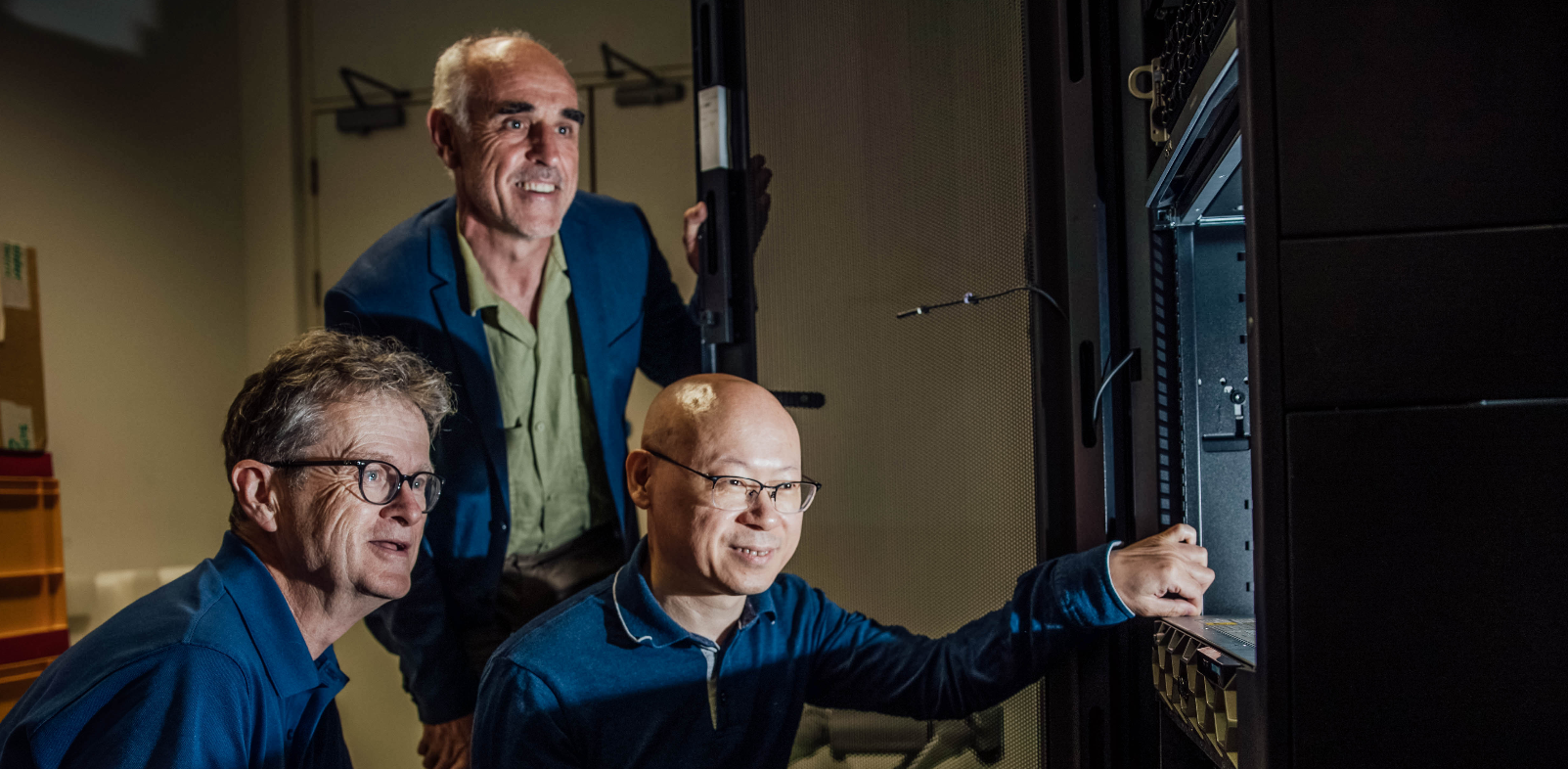
The Technological University of the Shannon (TUS) has joined forces with Dell Technologies to develop a new AI platform that will advance research in cybersecurity, sustainability, healthcare and robotics.

TUS established the Software Research Institute (SRI) with the goal to develop a leading national research lab, focused on driving innovation in the fields of cybersecurity, cloud-edge computing, robotic control, smart agriculture and healthcare. The new AI platform, powered by Dell PowerEdge servers, will help researchers gain real-time insights into large datasets and develop advanced AI models that power their research.

The new AI platform will also support a number of cutting-edge research projects undertaken by TUS and funded by Horizon Europe, the European Union’s key programme for research and innovation. This includes projects such as ResilMesh, which focuses on the cyber resilience of critical infrastructure and digital services. It aims to develop advanced tools and mechanisms to detect, prevent, and respond to increasingly sophisticated cyber threats and attacks.

Another key initiative is SoilCrates, which is dedicated to restoring and preserving soil health. Through improved soil literacy, real-time monitoring of soil structure, promotion of biodiversity, and optimisation of crop-growing conditions, the project aims to support a more sustainable and resilient agricultural ecosystem.

Additionally, the university is one of 17 research and development (R&D) centres in Ireland that runs research projects for the COMAND Technology Gateway Program that is set up in collaboration with Enterprise Ireland Innovation. Based at SRIs TUS Athlone campus, COMAND focuses on research and innovation in areas such as Augmenting User Interactions, End-to-end Applications and Intelligent Infrastructure. Under the COMAND program, the Dell-powered AI platform will be used to develop LLM-based chatbots to support programs around elderly care, automation of automotive assembly lines and robotics using imitation learning.

More broadly, the new AI platform will provide the university with powerful AI compute capabilities to support data-intensive research, helping to accelerate data analysis and automate repetitive tasks – boosting research productivity by up to 50%, according to studies. The high-performance Dell PowerEdge servers are purpose-built for demanding AI workloads, delivering exceptional computing power. The servers feature a Cyber Resilient Architecture that offers multi-layered security to safeguard systems, detect threats, and ensure end-to-end data protection. This provides researchers with an IT environment that can simulate complex attacks, identify weaknesses in IT systems more efficiently and provide more accurate analysis on emerging cyber threats for organisations.

Dr Yuansong Qiao, Senior Research Fellow, Software Research Institute at TUS, saidHarnessing the power of AI has become increasingly important to advancing research in critical areas such as cybersecurity and robotics, which require analysis of increasingly large data sets. That’s why it’s crucial that TUS has the right infrastructure to manage the intensive workloads of advanced AI-powered research. Our collaboration with Dell Technologies delivers these capabilities and ensures that our researchers can now build highly complex AI models to examine and test more effective defense systems in cybersecurity and other domains.”

Jason Ward, EMEA North Vice-President and Managing Director of Dell Technologies Ireland, said: As a global leader in compute, Dell Technologies is at the forefront of enterprise AI adoption, providing the cutting-edge technology and expertise that organisations in Ireland and worldwide need to adopt, scale and thrive with AI. This work represents a good example of Dell’s dedication to expanding Europe’s AI ecosystem, through our AI solutions and expertise making a real difference in critical industries like healthcare and sustainability. This high-performance AI infrastructure will accelerate groundbreaking research and empower innovation that shapes the future. .”

 As part of its long-standing relationship with TUS, Dell has provided a range of cloud computing, data centre and infrastructure solutions to the university, as well as laptops and endpoint devices.

Creative Launches Father’s Day Special Discounts

This Father’s Day, Creative Labs is honoring all the dads, father figures, and mentors out there with a special storewide discount! From June 9 to June 15, customers can enjoy 10% off all products sitewide using promo code DAD10 at checkout.
Whether your dad is a tech enthusiast, a gamer, a music lover, or someone who just appreciates high-quality sound and design, Creative Labs offers the perfect gift — from industry-leading audio solutions to innovative smart devices and accessories.
Top gift picks this Father’s Day include:
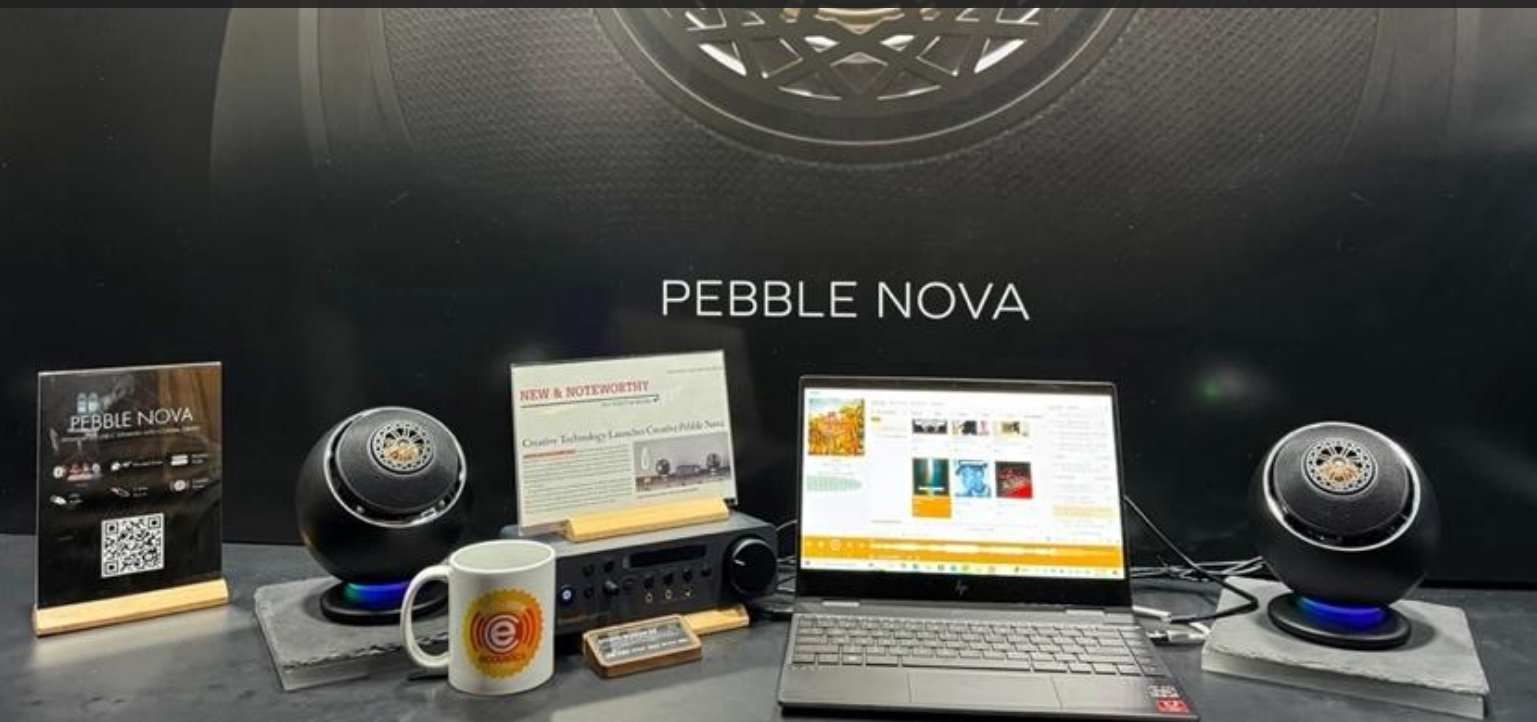
Pebble Nova – Our latest premium 2.0 USB-C Speakers with Coaxial Drivers, perfect for music, movies, or work-from-home setups.  See our review
Ace Mimi – A premium wireless speaker with Mimi Sound Personalization andBluetooth® LE Audio, ideal for dads who appreciate great sound tailored just for them.
Sound Blaster G8 – A high-performance external dual USB gaming DAC and amplifier, made for dads who game or demand the best audio for their entertainment.
Sound Blaster GS3 & GS5 Soundbars – Engineered for immersive soundscapes, these high-performance soundbars bring cinematic audio to your dad’s favorite games, movies, and playlists.
Sale Details:
  • Discount: 10% Off Storewide
  • Promo Code: DAD10
  • Offer Valid: June 9 – June 15, 2025

See our reviews

Shop now at www.creativelabs.com and make this Father’s Day one to remember.