Month: June 2025
Toyota Announced as Official Car Partner to The Camogie Association and GAA/GPA
Toyota Ireland has announced a new three-year partnership with The Camogie Association and GAA/GPA which sees Toyota become the Official Car Partner to these sporting organisations. The partnership is the latest in a long history of Toyota investing in and supporting Irish sport and athletes spanning Gaelic games, athletics, para-sport, rugby and cricket and at every level including men’s, women’s, grassroots, elite, able bodied and disability.
As part of the partnership, Dublin Camogie captain Aisling Maher and Galway footballer John Maher have been named as official Toyota ambassadors and will drive the Toyota C-HR Hybrid, which combines innovative design, style, Toyota’s cutting-edge hybrid technology and with reduced carbon emissions, it offers a smooth, low-emission driving experience – the perfect companion for winding down after training or a hard-fought match.
Commenting on the announcement, Steve Tormey, CEO of Toyota Ireland, said:
“Toyota has a proud history of supporting sport and athletes at both local and international levels. This new partnership is an investment in our national games and the inter-county players who are the heartbeat of the sport and role models for young children across the country. By supporting The Camogie Association, the GAA / GPA and our new ambassadors Aisling and John, we aim to deepen our connection with communities nationwide. Many of our Toyota dealerships already support their local GAA clubs, and this partnership builds on that grassroots commitment. It also reflects our belief in ‘Built for a Better World’ and by promoting inclusivity, community engagement, and supporting future generations through sport, we’re continuing our mission to improve lives and lead with purpose.”
Brian Molloy, President of The Camogie Association, added:
“Having Toyota on board as a partner is a strong endorsement of the growing profile and significance of Camogie. We welcome Toyota’s support as we continue to develop and promote the game at every level.”
Jarlath Burns, President of the GAA, said:
“We are delighted to welcome Toyota as Official Car Partner. Toyota has supported the GAA for generations, and their continued commitment to Gaelic games is a testament to the strong bond they share with our communities. Their focus on sustainability and community mirrors our own values, and we look forward to the positive impact this partnership will bring to Gaelic games across the country.”
Commenting on the announcement, Tom Parsons, CEO of the GPA:
“This partnership with Toyota represents a meaningful investment into the GPA and will strengthen our ability to support inter-county players the length and breadth of the country. It’s great to have a brand like Toyota who recognise the unique role GPA members, both male and female, play in Irish society, on board.”
New EU law will improve phone and battery life
Starting this summer, all phones and tablets sold in the EU and Ireland must have more durable batteries, greater resistance to drops, and be easier to repair.
That is according to Fine Gael MEP for the Midlands Northwest, Nina Carberry, who has hailed the new law as a key measure in enhancing consumer rights and holding manufacturers to higher standards when designing products.
The ‘Ecodesign Regulation’ will mean that new mobile phones and tablets must be capable of holding at least 800 charges, while retaining at least 80% of their initial battery capacity.
Phones must also be able to survive at least 45 accidental drops, and be repairable for 7 years, with manufacturers required to supply key spare parts within 5-10 working days.
“Phones that last longer mean less waste, less cost on repairs, and far less frustration for the consumer. ”
“This regulation is a powerful reminder of how the EU shapes daily life. It will also reduce the environmental impact of electronic devices, promoting greater sustainability across Europe”, Carberry concluded
TOZO NC3 ANC Earbuds Review
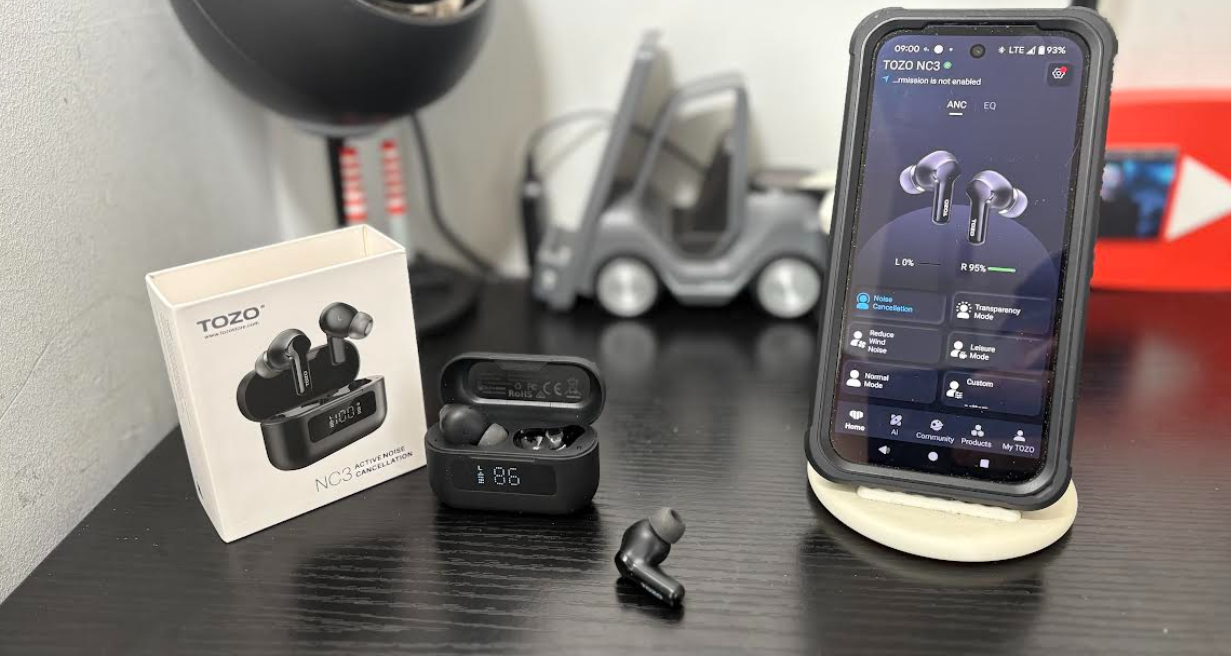
The TOZO NC3 ANC are their latest earbuds now on offer and at an affordable price too but do they lack in the audio department? The answer is no and for the price these should be on your radar for those on a budget and who want that bit more that others offer.
The earbuds are your typical design and fit well in the ears they are clean and to the point and once the right tips are on you will have a good seal and good passive noise isolation. The case they come in is also cool with an LED display giving you a heads up on your battery status on the fly.
When it comes to features there is plenty to talk about, for the audio there is 12mm drivers that pack a punch with decent volume to be had and you also have ANC built in up to 45db which is not shabby at the price point here. The ANC works well too,not only this you have other modes to pick from to make them an all round pair of earbuds for anybody and not just a sports enthusiast.
You have transparency mode leisure mode normal mode and wind reduction mode which also works well on calls with 6 mics and ENC noise cancelling on my testing no real issues noted both ends and calls clear. The optional modes also allows you to hear your surroundings if out walking or jogging etc and they can be worn in the gym.
The audio is excellent once again and with the TOZO app you are in control with all the features on board such as the several EQ options plus you can create your own which is great, not only that there is the option to customize your earbuds to your liking with access to your voice assistant and I have test both on Android and iOS and no issues to report.
Battery life is also decent with up to 55 hours however this will vary per user and their settings as with any earbuds on the market that offer all these features if you are low on juice ten minutes will give you an hour of play.
With an iP rating slated at IPX8 these are perfect for the outdoors the gym and more without having to worry about them getting damaged and if you happen to misplace an earbud you can use find my earbuds via bluetooth so overall a pretty good pair of earbuds that do not disappoint with audio despite the cost, check out the video review below for more.
TOZO App
Features
- [Advanced Hybrid Active Noise Cancelling Technology] Enjoy an immersive listening experience with TOZO NC3 ear buds, featuring advanced noise cancelling that reduces background noise by up to 45dB. Easily switch to Transparent Mode to stay aware of your surroundings without removing your in ear headphones, ideal for commuting, workouts, and travel. These bluetooth earphones adapt seamlessly to any environment.
- [6 Mics for Crystal Clear Calls with ENC Noise Reduction] Communicate with ease using TOZO NC3 noise cancelling earphones, featuring 6 high-sensitivity microphones and ENC (Environmental Noise Cancellation) technology to capture your voice clearly while reducing background noise. These wireless earbuds are perfect for calls on the go, providing clear audio even in noisy environments.
- [Powerful 12mm Drivers for Exceptional Audio Quality] Equipped with premium 12mm drivers, these ear buds deliver rich bass, clear highs, and balanced mids for an immersive listening experience. These wireless earphones provide deep, resonant sound and powerful performance that elevates your audio to new levels.
- [55-Hour Total Battery Life & LED Power Display] Enjoy up to 13 hours of playtime on a single charge, with a total of 55 hours using the charging case—enough to listen to 800+ songs or attend 55 meetings with these bluetooth earphones. When time is short, a 10-minute charge gives an extra hour of playtime, so your ANC earbuds are always ready to go. The LED display shows battery levels at a glance, ensuring you know when it’s time to recharge.
- [Customisable EQ via App Support] Personalise your audio experience with 32 classic EQ presets available in the TOZO App, or create your own. Experience the joy of sharing your customised EQ settings with audiophiles worldwide in the ‘EQ Zone’. Whether you prefer deep bass or balanced audio, these in ear headphones are perfect for those seeking bluetooth earbuds with a truly tailored sound experience.
- [IPX8 Waterproof & Bluetooth 5.3 Connectivity] Designed to withstand sweat and rain, the TOZO NC3 wireless earbuds are IPX8 waterproof, making them the ideal companion for any adventure. With Bluetooth 5.3, these noise cancelling earbuds provide a stable connection and smooth audio, while low latency keeps sound and visuals in perfect sync—whether you’re watching a film or playing a game.
IDA Ireland welcomes expansion of IBM’s software developer presence in Waterford
The Irish Government and IDA Ireland today welcomed IBM’s announcement to create additional high-value jobs in the south-east of the country. The leading global technology company will, over the next three years, hire up to 75 software engineers, dedicated to research and development (R&D), based in Waterford.
The roles will focus on cutting-edge innovation for IBM Z, the infrastructure powering 70% of global transactions by value*. The Waterford software engineers will closely collaborate with IBM’s R&D teams around the world, from designing processors and firmware to software development and advancing the Linux operating system.
Peter Burke TD, Minister for Enterprise Tourism & Employment, said: “IBM’s decision to expand its operations in Waterford with the creation of up to 75 highly-skilled software engineering roles is very welcome news. This investment is a strong endorsement of the South-East region’s growing reputation as a hub for innovation and advanced technology. It also reflects the government’s commitment to supporting regional development and fostering strong partnerships between industry and academia. I commend IBM for its continued confidence in Ireland and for its collaboration with the South-East Technological University to build a future-ready workforce.”
Jack Chambers TD, Minister for Public Expenditure & Reform, said: “I welcome this very positive development which underscores Ireland’s attractiveness as a location for businesses to invest in and to expand R&D operations. This strengthens IBM’s long-standing presence in Ireland where it employs thousands of people today. IBM has cited Ireland’s strong talent pool as a key factor in allowing the company to grow here, which reflects the significant increased investment by the Government in education, and particularly our third-level sector, over recent years. We are committed to supporting research and development in our tech sector, including in the South-East of our country, to drive balanced, regional development and economic growth.”
In addition to the expansion of R&D functions in Waterford, IDA Ireland also welcomes IBM’s decision to deepen its collaboration with the South East Technological University, to develop a technical skills ecosystem with a focus on mainframes and Linux.
Nathan Cullen, country general manager, IBM Ireland, said:
“I am delighted to see our footprint in Ireland evolve further. This is testimony to the deep talent pools available across the country, upon which we have steadily built our business, including mainframes which are a cornerstone of global transactions. IBM has now operated in Ireland for nearly 70 years and this milestone investment for the region also speaks volumes about the ecosystem that has built up around the South Eastern Technical University.”
IBM last year announced the recruitment of another 800 high-tech jobs in Ireland by 2027, cementing the country’s position as a globally strategic location for the company. These new roles, spanning R&D, digital sales and Consulting operations, will be spread across Dublin, Cork and Waterford.
Michael Lohan, IDA Ireland CEO, said: “This R&D investment announced by IBM is fantastic news for Waterford and indeed the South East Region. This investment is also closely aligned to Adapt Intelligently: A Strategy for Sustainable Growth and Innovation, 2025-29, where IDA has committed to positioning Ireland at the centre of cutting-edge global technological innovation in the next five years. I warmly welcome this decision by IBM and assure them of IDA’s continued partnership.”
How Technology is Revolutionizing the Fight Against Medical Malpractice: Innovations and Tools Shaping the Future
The healthcare sector has seen massive transformations in recent years, with technology playing a pivotal role in reshaping the way medical professionals operate. One area where tech innovations are proving especially beneficial is in the fight against medical malpractice. From advanced data analytics to artificial intelligence, modern tools are helping to detect errors, improve care quality, and ensure that healthcare providers are held accountable when mistakes occur.
The introduction of cutting-edge technologies is not only helping to prevent incidents of malpractice but also providing victims with stronger evidence to support their claims. These innovations are improving the medical field’s ability to learn from mistakes and implement changes that can save lives. As the technology continues to evolve, its role in reducing malpractice and improving patient safety will only grow stronger.
AI and Machine Learning in Diagnostics
One of the most significant advancements in medical technology is the development of artificial intelligence (AI) and machine learning algorithms. These technologies are making a profound impact on diagnosing diseases, and importantly, they are playing a critical role in reducing incidents of medical malpractice. According to Mann Blake & Jackson, misdiagnosis or delayed diagnosis is one of the leading causes of medical malpractice claims, and AI has the potential to drastically minimize these errors by offering more accurate, data-driven diagnoses. In cases where a healthcare professional overlooks or incorrectly interprets a condition, AI acts as an additional layer of scrutiny, reducing the chances of malpractice arising from diagnostic mistakes.
AI-powered systems analyze vast amounts of medical data, including lab results, patient history, imaging scans, and more, to identify patterns that might not be immediately obvious to the human eye. This helps to ensure that diagnoses are not only quicker but also more precise, which is crucial in preventing mistakes that could lead to malpractice claims. In fact, AI systems are now being used to assist in diagnosing conditions such as cancer, heart disease, and rare disorders, areas where misdiagnosis is often a significant risk. By identifying abnormalities early on, AI minimizes the risk of missed diagnoses, thereby lowering the likelihood of patients suffering from medical malpractice.
Moreover, AI and machine learning can identify trends that might suggest systemic issues in a healthcare setting. By analyzing patterns in malpractice lawsuits and patient outcomes, AI can highlight common areas where medical errors are more likely to occur. For example, AI tools can help healthcare providers identify high-risk procedures or conditions prone to misdiagnosis, enabling them to take preventive actions. This shift from reactive to proactive care is vital in reducing instances of malpractice and improving overall patient safety.
Electronic Health Records (EHR) and Patient Tracking Systems
Electronic health records (EHRs) have become a critical component of modern healthcare, and their role in preventing medical malpractice cannot be overstated. These digital records provide a comprehensive, up-to-date view of a patient’s medical history, prescriptions, lab results, and past treatments. The integration of EHRs ensures that healthcare providers have access to the right information at the right time, reducing the chances of errors caused by outdated or incomplete records.
In addition to improving record accuracy, patient tracking systems are also becoming more sophisticated.
Solutions like Studycast, a cloud-based PACS, complement EHRs by enabling fast and secure sharing of medical images between providers, supporting more accurate diagnoses and streamlined collaboration across care teams.
Integrating sleep medicine EHR software into this workflow enhances continuity of care by centralizing study data, patient histories, and diagnostic reports for more efficient evaluation and treatment planning.
Telemedicine and Remote Consultations
Telemedicine has emerged as a vital tool in modern healthcare, offering patients the ability to consult with medical professionals remotely. This technology has proven invaluable, especially during the COVID-19 pandemic, when in-person visits became limited. In the context of medical malpractice, telemedicine provides both benefits and challenges. It allows for more timely interventions, providing patients with the ability to access medical advice without leaving their homes, which is particularly useful in rural or underserved areas.
However, telemedicine also introduces a new layer of complexity to malpractice cases. As virtual consultations become more prevalent, healthcare providers must ensure they maintain a high standard of care, even when not physically present with the patient. This can be challenging, but advancements in telemedicine platforms are addressing these concerns by incorporating AI, machine learning, and real-time data sharing to enhance the accuracy of virtual diagnoses and treatment plans.
Additionally, telemedicine allows for continuous monitoring of patients, especially those with chronic conditions. Virtual follow-ups can help doctors track a patient’s progress without the need for frequent in-person visits, which can be burdensome for patients and costly for the healthcare system. This ongoing connection ensures that healthcare providers remain informed about their patients’ well-being and can intervene early if complications arise, thus reducing the risk of malpractice due to missed issues.
Wearable Technology and Patient Monitoring
Wearable technology has become an essential part of modern healthcare, offering patients the ability to continuously monitor their health outside of clinical settings. Devices such as smartwatches, fitness trackers, and heart rate monitors allow patients to track their vital signs, activity levels, and sleep patterns, providing healthcare providers with valuable real-time data. This data can be critical in identifying early signs of health issues that could lead to malpractice claims if undiagnosed or ignored.
For example, wearable technology can help detect abnormal heart rhythms, elevated blood pressure, or irregular glucose levels, allowing healthcare providers to intervene before conditions worsen. This proactive approach to healthcare reduces the likelihood of errors and helps to prevent potential malpractice. Additionally, wearable devices provide an ongoing record of a patient’s health, which can be invaluable in building a case for victims of malpractice, offering clear evidence of the patient’s condition before, during, and after an incident.
The continuous flow of data from wearables also enables healthcare professionals to make more informed decisions about patient care. For instance, if a patient experiences an adverse reaction to a medication, wearable data can provide immediate insights, allowing doctors to adjust treatment protocols in real-time. This capability helps reduce the chances of mistakes that could lead to malpractice claims by ensuring that healthcare providers have up-to-date information at their fingertips.
Conclusion: The Future of Technology and Medical Malpractice Prevention
The intersection of technology and healthcare is creating a future where medical malpractice is increasingly preventable. As AI, machine learning, wearable devices, and telemedicine continue to advance, the healthcare system is becoming more accurate, efficient, and transparent. These innovations are not only improving the way care is delivered but also helping to hold healthcare providers accountable for their actions, reducing the likelihood of malpractice incidents.
Looking forward, further advancements in technology will continue to reshape the healthcare landscape, providing better tools for diagnosis, treatment, and monitoring. As these technologies evolve, it is essential for healthcare professionals to embrace them fully, ensuring that their practices are up-to-date with the latest advancements. By doing so, they can reduce the risk of malpractice while improving patient outcomes and safety.
The future holds immense potential for integrating even more sophisticated technologies, such as virtual reality for surgical training or blockchain for secure medical record keeping. These innovations will continue to evolve the healthcare landscape, reducing errors and improving patient care. By staying ahead of the curve, healthcare providers can ensure a safer and more efficient healthcare system for all.
Leveraging Technology to Manage Personal Injury Claims and Recovery
In today’s rapidly evolving digital landscape, technology plays a crucial role in various aspects of life, including personal injury claims and recovery. Traditionally, dealing with personal injuries—whether from accidents, workplace incidents, or other causes—meant navigating complex paperwork, long phone calls with insurance companies, and the physical toll of recovery. However, technology has introduced a variety of tools and innovations that can streamline these processes, making it easier for individuals to manage their claims and healing journey. From medical apps to legal tech, tech solutions are transforming how people approach injury recovery and legal resolution.
For both those affected by personal injuries and the professionals involved, technology offers unique opportunities to simplify the often overwhelming tasks of recovery and legal proceedings. By leveraging modern tools, individuals can not only track their physical progress but also ensure they receive the compensation they deserve. In this blog, we will explore how technology is reshaping the way personal injury claims are processed and how those recovering from injuries can use tech to enhance their rehabilitation and overall quality of life.
Digital Tools for Tracking Injury Recovery
According to victoryinjurylaw.com, personal injury can result from a wide range of incidents—car accidents, workplace hazards, slips and falls, or even defective products. What all these cases share is the need for consistent medical attention and detailed documentation during recovery. Physical limitations, emotional stress, and mounting expenses can make the aftermath feel overwhelming. In such situations, leveraging technology becomes not just convenient but essential. By using modern tools, injured individuals can better organize their medical records, track symptoms, and ensure nothing falls through the cracks during the healing process or legal proceedings.
One of the major challenges after an injury is monitoring the recovery process. Technology has stepped in to provide numerous apps and wearable devices that help individuals track their physical health. From fitness trackers like Fitbit and Apple Watch, which monitor activity levels and heart rate, to more specialized medical devices, these tools enable patients and healthcare providers to have real-time insights into the progress of physical rehabilitation. These digital platforms can record everything from pain levels to mobility improvements, giving both patients and doctors valuable data that can help tailor the recovery process.
Moreover, telemedicine has emerged as an invaluable resource in the realm of injury recovery. Many healthcare professionals now offer virtual consultations, allowing patients to receive medical advice and updates without having to leave home. This convenience is especially beneficial for those with mobility issues or those who are recovering from serious injuries that make traveling difficult. Digital health records, which are increasingly being used by hospitals and clinics, can also simplify the process of managing treatment plans, prescriptions, and doctor notes, making the entire recovery process more streamlined and organized.
Streamlining Personal Injury Claims with Legal Tech
Handling a personal injury claim used to require a lot of manual paperwork, long wait times, and numerous follow-up calls. Now, technology has created several platforms that allow individuals to submit claims and track their status online. Legal technology, such as case management software and digital claims portals, has streamlined the entire claims process. These platforms enable people to submit documents, track deadlines, and communicate with legal professionals directly, all from the comfort of their homes.
Beyond just simplifying paperwork, these legal tech tools also improve the accuracy of claims. Artificial intelligence (AI) is now being employed to review and process claims more quickly, reducing human error and ensuring that clients don’t miss out on any important details. Some services even use AI to calculate potential compensation amounts based on the specifics of a case, allowing individuals to better understand what they might expect before engaging with a lawyer. This technological shift is making personal injury claims more accessible and efficient, ensuring that victims get the support they need with fewer barriers.
The Role of Virtual Reality in Physical Rehabilitation
Virtual reality (VR) has taken rehabilitation to the next level, offering an immersive and engaging way for people to recover from injuries. Instead of traditional physical therapy exercises that may feel monotonous, VR-based rehabilitation programs combine physical movements with virtual simulations, making the process more enjoyable and motivating. For example, patients recovering from joint injuries or neurological conditions can use VR games that encourage movement, thereby improving their range of motion and strength while making rehabilitation feel less like a chore.
Furthermore, VR therapy allows for personalized programs tailored to the individual’s specific needs. Some platforms even use real-time feedback to adjust difficulty levels, ensuring that the rehabilitation exercises are neither too easy nor too difficult. The interactive nature of VR also provides patients with immediate feedback, which can enhance their progress. This technology is proving particularly useful for long-term recovery, offering patients a more dynamic and supportive recovery experience.
Data Analytics: Improving Outcomes and Reducing Costs
With the rise of big data and data analytics, personal injury cases are benefiting from enhanced decision-making and better outcomes. Insurance companies and law firms are now using advanced data analysis to predict the likely outcome of cases, assess injury severity, and evaluate compensation claims more accurately. By leveraging data from past cases and medical records, professionals can make informed decisions faster and more efficiently, which can reduce the time and cost associated with litigation and claims processing.
On a personal level, data analytics can also empower individuals by helping them track their recovery milestones and treatment effectiveness. Healthcare providers and insurers are increasingly using these tools to identify trends and patterns that help predict which treatment options may lead to the best results for specific injuries. This enables people to make better decisions regarding their recovery and care, while also ensuring that they are being compensated fairly for their medical expenses and time lost from work. The integration of data analytics into both medical recovery and legal processes is revolutionizing the efficiency and effectiveness of personal injury management.
Conclusion: Embracing Technology for a Smoother Recovery Process
The fusion of technology with personal injury claims and recovery is changing the landscape for both individuals and professionals. From wearable devices that track physical progress to AI-driven legal tech platforms, the benefits of technology in personal injury management are undeniable. These innovations make it easier to access the resources and support needed for a successful recovery, while also ensuring that claims are handled efficiently and accurately.
As technology continues to evolve, we can expect even more advancements that will further simplify and improve the injury recovery process. Whether it’s through enhanced rehabilitation methods, data-driven claims processing, or virtual consultations, the future of personal injury management is increasingly digital. By embracing these tools, individuals can take more control of their recovery, while businesses and legal professionals can offer better services, ultimately leading to faster and more effective resolutions.
Car Accidents and Injuries: What You Need to Know to Protect Yourself and Your Rights
Car accidents are an unfortunate reality of daily life. Whether you’re driving to work, running errands, or going on a road trip, the risk of being involved in a car crash is ever-present. Despite advancements in vehicle safety, traffic accidents still occur, and the consequences can be life-changing. In this blog, we’ll take a look at the different types of car accidents, the injuries that often result, and what you should do to protect yourself and your rights.
While the specific circumstances of each car accident may differ, the impact is often the same: victims are left dealing with physical, emotional, and financial challenges. It’s crucial to understand the most common types of accidents, the potential consequences, and how a car accident lawyer can help you navigate the aftermath. By knowing your rights and taking the right steps, you can ensure that you’re adequately protected and compensated for the damages you’ve suffered.
The Harsh Reality of Car Accidents and Their Impact on Drivers and Passengers
According to sevafirm.com, despite all the technological advancements, car accidents remain a serious issue on the roads, causing millions of injuries and fatalities every year. Collisions can vary in severity, from minor fender-benders to catastrophic crashes that result in life-altering injuries or even death. Common injuries resulting from car accidents include whiplash, broken bones, spinal cord damage, traumatic brain injuries (TBI), and internal injuries. These injuries often require extensive medical treatment, rehabilitation, and sometimes lifelong care.
For those involved in an accident, the aftermath can be overwhelming, especially when it comes to understanding their legal rights and options for seeking compensation. Medical bills, lost wages, and the emotional toll of an accident can leave victims feeling uncertain about their future. This is where a skilled car accident lawyer can play a crucial role in helping victims navigate the complexities of legal claims. Whether it’s dealing with insurance companies, negotiating settlements, or representing clients in court, a dedicated attorney ensures that the victims receive the justice and compensation they deserve, making a significant difference in their recovery process.
Common Types of Car Accidents and Their Causes
Car accidents can occur in a variety of situations, and their causes can range from driver error to environmental factors. Some of the most common types of car accidents include rear-end collisions, head-on crashes, side-impact accidents, and rollover accidents. Rear-end collisions are among the most frequent, often caused by distracted driving, tailgating, or sudden stops. Head-on collisions, which tend to be more severe, can result from dangerous overtaking maneuvers, impaired driving, or misjudging road conditions.
The causes of these accidents can vary greatly, but there are common threads that link them. Distracted driving, for example, continues to be one of the leading causes of accidents on the road today. Whether it’s texting while driving, talking on the phone, or even adjusting the radio, distractions take a driver’s attention away from the road and can have deadly consequences. Impaired driving, whether from alcohol, drugs, or fatigue, also plays a significant role in many accidents. Understanding these causes is key to preventing accidents and minimizing the risk of injury.
How Injuries from Car Accidents Affect Long-Term Health and Quality of Life
The physical impact of a car accident is often immediate, but the long-term effects can be far more devastating. Injuries like whiplash, broken bones, and spinal cord damage can lead to chronic pain, limited mobility, and permanent disability. Traumatic brain injuries (TBI) are particularly concerning, as they can result in cognitive impairments, memory loss, and changes in personality. For those who experience such injuries, recovery can be a long and uncertain journey that may require extensive medical treatment, therapy, and long-term care.
Aside from the physical consequences, car accident victims often face emotional and psychological challenges as well. The trauma of being involved in a crash can lead to post-traumatic stress disorder (PTSD), depression, and anxiety. The stress of dealing with medical bills, insurance claims, and the impact of not being able to work or care for family members can take a significant toll on mental health. This is another area where a car accident lawyer can provide crucial support. A skilled attorney can help victims seek compensation for the emotional distress and mental health challenges they face, ensuring that they’re supported throughout their recovery.
The Legal Process: What Happens After a Car Accident
Following a car accident, the legal process begins. The first step is often to report the accident to law enforcement and your insurance company. Depending on the severity of the accident, you may need to file a police report or seek immediate medical attention. Afterward, you’ll likely deal with insurance claims, and if the accident was caused by another party’s negligence, you may choose to file a lawsuit. The legal process can be complex, especially when it comes to gathering evidence, negotiating settlements, and handling any legal disputes.
Having a knowledgeable car accident lawyer by your side can make all the difference. They can guide you through the legal complexities, ensuring that your rights are protected and that you receive the compensation you deserve. From gathering evidence, speaking to witnesses, and negotiating with insurance companies, to representing you in court if necessary, a skilled attorney can significantly increase the likelihood of a successful outcome in your case.
Conclusion: Protecting Your Rights and Moving Forward
Being involved in a car accident can be a traumatic experience, but it’s essential to remember that you’re not alone. Whether you’ve been in a minor fender-bender or a major collision, there are steps you can take to protect your health, your rights, and your future. The first step is to seek medical attention and document your injuries thoroughly. Next, consider contacting a car accident lawyer who can help you navigate the often-complicated process of filing claims and pursuing legal action.
By working with a skilled attorney, you increase your chances of receiving the compensation you deserve for medical bills, lost wages, pain and suffering, and other damages caused by the accident. With the right legal support, you can focus on healing and recovery while knowing that your case is being handled by an experienced professional. Protect your rights and take the necessary steps to ensure a brighter, safer future on the road.
Vodafone Ireland Powers Flavours of Fingal 2025 as Official Connectivity Partner
Vodafone Ireland has been announced as the sponsor of the Walled Garden and the official Connectivity Partner for this year’s Flavours of Fingal, one of Ireland’s largest summer family festivals, organised by Fingal County Council. Taking place on July 5th and 6th at Newbridge House and Farm in Donabate, the event is expected to welcome in excess of 65,000 visitors.
As the official connectivity partner, Vodafone will deliver enhanced mobile connectivity across the festival grounds—supporting families, foodies, and local businesses alike. The Vodafone Walled Garden will serve as a vibrant hub for live music, food, and digital connection, while vendors and event organisers benefit from robust network infrastructure designed to keep everyone seamlessly connected.
Vodafone Ireland is gearing up to connect people at events across the country this summer with their improved network. After kicking off this summer of connectivity at Bord Bia Bloom, Vodafone will be enhancing connectivity at events such as Kaleidoscope, All Together Now, the National Ploughing Championship, Moynalty Steam Threshing Festival, Electric Picnic, St. Anne’s Park, and the Phoenix Park.
Vodafone has also enhanced the mobile service on its network locations such as Emerald Park and in Wexford Town for the Fleadh Ceoil, ensuring that families stay connected this summer. Vodafone will optimise its network services at large venues, such as the Aviva Stadium, to provide a better customer experience to those attending events such as Lana Del Rey and Dua Lipa.
Following a record-breaking summer last year, Vodafone is set for another summer of connectivity as they prepare to match the continuing surge in mobile data consumption, with usage continuing to grow year-on-year. This growth can be explained by richer content, real-time sharing, and an increasing number of connected devices at live events.
At festivals like Electric Picnic and Fleadh Cheoil in 2024, Vodafone customers used weather and map apps over 90,000 times. Social media platforms such as WhatsApp, Instagram, and TikTok saw peak activity during headline performances, showcasing the growing demand for seamless, high-speed connectivity in the moments that matter.
Committed to delivering reliable service, managing substantial data volumes and maintaining consistent connectivity, Vodafone Ireland ensures a seamless experience for customers throughout the summer.
“At Vodafone Ireland, we have made significant investments in our network infrastructure to ensure customers experience fast, reliable connectivity wherever they are this summer,” said Sheila Kavanagh, Network Director at Vodafone Ireland. “Whether it’s a packed festival, a family day out, or a headline concert, our network is built to keep people connected when it matters most.”
As part of its commitment to sustainability, Vodafone Ireland is now using Hydrotreated Vegetable Oil (HVO) fuel in its generators at events. HVO is a renewable, biodegradable fuel that significantly reduces greenhouse gas emissions compared to traditional diesel. This ensures that powering connectivity this summer will not only be reliable, but environmentally sustainable as well.
In addition to optimising connectivity across the festival, Vodafone Ireland will support older adults through its Hi Digital initiative at Flavours of Fingal. Created by the Vodafone Foundation in partnership with ALONE, Hi Digital helps older adults build confidence with technology through a free, easy-to-follow online course. The programme covers everything from using smartphones and apps to staying safe online and avoiding scams. Festival-goers can visit the Vodafone Foundation Hi Digital stand to learn more, receive one-on-one guidance, and connect with volunteers working to bridge the digital divide.
Mayor of Fingal County Council, Cllr. Tom O’ Leary, said: “We’re delighted to welcome Vodafone Ireland as our connectivity partner and sponsor for The Walled Garden at Flavours of Fingal. Their support will not only enhance the overall visitor experience through improved connectivity and their commitment to improving digital inclusion through initiatives like Hi Digital is especially meaningful as we work together to ensure no one is left behind in our increasingly connected world.
”The Vodafone Walled Garden will be a popular go-to spot over the weekend, a space where visitors come to relax, enjoy live music and delicious food and drink. Designed as a chill-out zone and a connectivity hub, it being the perfect place for friends and families to unwind, connect, and recharge both digitally and socially.”