
Smart battery technology is transforming how we maintain our cars. These systems prevent breakdowns, cut repair costs, and make vehicle ownership more reliable by monitoring battery health in real-time.
Car batteries have come a long way from the simple lead-acid boxes under the bonnet. Today’s smart batteries use advanced sensors and connected systems to constantly monitor their own health, preventing those dreaded roadside breakdowns that leave you stranded.
The numbers tell a compelling story. The global vehicles intelligence battery sensor market size was estimated at USD 2.96 billion in 2023 and is expected to grow at a CAGR of 12.8% from 2024 to 2030, reflecting the rapid adoption of this technology across the automotive industry.

Understanding smart battery technology
Smart car batteries feature built-in sensors that track vital information around the clock. These sensors measure the current to and from the battery, monitor voltage, state of charge and state of health of the battery, and in some cars, even measure the temperature of the battery.
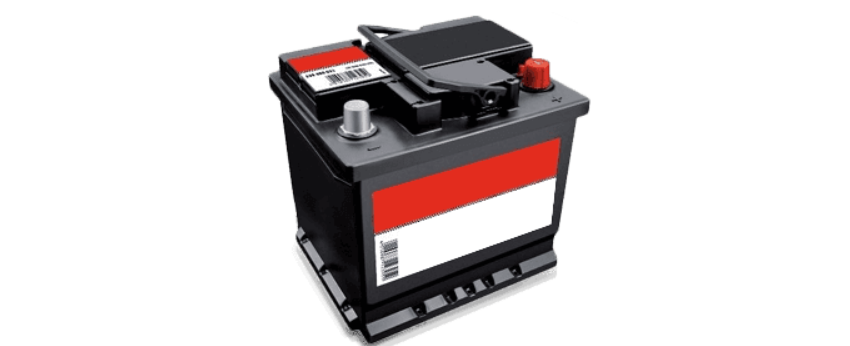
Modern car batteries now feature intelligent monitoring systems that track performance in real-time
The technology works by placing intelligent sensors directly on the battery terminals or cables. The sensor enhances the automobile’s diagnostic ability and can thus warn of possible breakdowns that may not even be caused by the battery. Moreover, the sensors help to extend battery life by 10 to 20 percent via an improved charging strategy.
The Smart Battery Market is expected to grow from 16.97 billion USD in 2024 to 46.22 billion USD by 2034, with a CAGR growth rate of around 10.54% during the forecast period. This explosive growth demonstrates the automotive industry’s commitment to smarter, more reliable vehicle systems.
Advanced monitoring that never sleeps
Unlike traditional batteries that only show problems after they’ve failed, smart batteries provide continuous health updates. Research from BYD Automotive Engineering Research Institute shows that well-integrated machine learning models can achieve a verified classification accuracy of 96.3% in predicting battery failure, representing a 20.4% increase from initial models.
The system tracks several key measurements:
- Voltage monitoring: Smart sensors detect unusual voltage patterns that signal potential problems before they become serious failures. Advanced systems can identify abnormal voltage conditions with multi-level screening strategies.
- Temperature tracking: Temperature is a critical factor affecting battery performance. Intelligent sensors monitor battery temperature to prevent overheating, which can lead to safety hazards. Studies show that battery degradation occurs more quickly when testing temperature exceeds normal operating ranges.
- Current flow analysis: The system measures how much power flows in and out of the battery, helping predict when replacement will be needed. This real-time analysis enables predictive maintenance scheduling.
- State of charge (SOC): This shows exactly how much power remains, similar to a fuel gauge but far more accurate.
- State of health (SOH): This indicates the battery’s overall condition compared to when it was new. Research indicates that proper monitoring can detect high-risk, abnormal cells as early as one week before failure occurs.
Smart battery diagnostic system
This comprehensive diagram illustrates how modern smart battery systems work together to provide continuous monitoring and predictive maintenance. The system begins with three core sensors that collect real-time data: voltage sensors detect electrical anomalies, temperature sensors prevent overheating, and current sensors measure power flow. All sensor data feeds into the Battery Management System (BMS), which processes information using advanced algorithms and predictive analytics to identify potential issues before they become failures. The BMS communicates with the vehicle’s main computer, enabling dashboard warnings, automatic maintenance scheduling, and optimization of systems like stop/start technology. Finally, cloud connectivity allows for remote diagnostics, fleet management, and continuous software improvements based on data from millions of vehicles worldwide.

Preventing failures with predictive intelligence
The real power of smart batteries lies in their ability to predict problems. According to a report by Frost & Sullivan (2022), real-time monitoring can improve battery lifespan by up to 30%. This predictive capability means you’ll get advance warning before your battery dies, giving you time to plan a replacement rather than facing an emergency situation.
Research from UC Davis and BYD shows that machine learning techniques can predict battery failure using charging voltage and temperature curves from early cycles, even before symptoms appear. The most advanced systems achieve an average misclassification test error of just 7.7%, making them highly reliable for real-world applications.
Traditional battery testing often misses early warning signs. By the time a standard battery test shows problems, the battery may already be close to failure. Smart systems catch these issues weeks or months earlier, with some studies indicating detection capabilities up to one week before actual failure occurs.
Statistical analysis of real-world data has proven that frequency of battery faults drops sharply at low temperatures during winter months, providing valuable insights for maintenance scheduling and vehicle operation planning.
Integration with modern vehicle systems
Smart batteries work seamlessly with other car systems. The function of the battery sensor is particularly important in vehicles with Stop-Start feature, as the battery management system must verify that the battery has enough charge to re-start the vehicle.
This integration affects several areas:
- Stop-Start Systems: These fuel-saving features rely on smart battery data to know when it’s safe to shut off the engine at traffic lights.
- Charging System Control: The car’s alternator adjusts its output based on real-time battery condition, improving fuel efficiency.
- Climate Control: Air conditioning and heating systems can reduce power consumption when the battery needs protection.
Advanced diagnostics and connected intelligence
Modern smart batteries don’t work in isolation. These sensors often feature advanced communication interfaces, such as CAN bus or Bluetooth, enabling data transfer to external devices or systems. The global automotive battery market size was valued at USD 69.11 billion in 2023 and is projected to grow at a CAGR of 6.4% from 2024 to 2030, largely driven by these technological advances.
Professional mechanics can now access detailed battery history through diagnostic tools. This information helps them make better decisions about repairs and replacements, potentially saving you money on unnecessary work. Industry studies show that predictive maintenance strategies can achieve return on investment within 18-24 months through reduced maintenance visits and extended battery life.
Some systems even connect to smartphone apps, letting you check your battery’s health from your phone. Fleet operators can monitor entire vehicle fleets remotely, scheduling maintenance more efficiently. Research indicates that fleet operators using these systems achieve 22% longer battery lifespans compared to those relying solely on voltage monitoring.
The technology powering the future
Smart battery systems use sophisticated algorithms to interpret sensor data. By creating a data flow from the car to the cloud, algorithms interpreting the data work with a much bigger database – not just data from one car. This is part of a learning-system approach constantly improving the analysis.
Cloud-based AI-enhanced frameworks leverage emerging technologies to predict battery behavior throughout the entire cycle. These systems can process massive datasets – with some research programs analyzing data from millions of electric vehicles worldwide. The Automotive Battery Market size is expected to reach USD 112.42 billion in 2025 and grow at a CAGR of 20.53% to reach USD 285.97 billion by 2030.
This cloud-based approach means your car’s battery system gets smarter over time, learning from millions of other vehicles to provide more accurate predictions. Machine learning models can identify patterns such as cyclic stress impacts and environmental factors that affect battery performance, leading to more precise maintenance recommendations.
Benefits for Irish drivers
Ireland’s variable weather conditions make smart battery technology particularly valuable. Cold winters and damp conditions can stress traditional batteries, but smart systems provide early warnings when weather-related problems develop. Research shows that battery capacity decreases substantially as temperature drops, primarily due to increased electrolyte viscosity at low temperatures.
- Cost Savings: By extending battery life and preventing unexpected failures, smart systems reduce the total cost of vehicle ownership. Studies indicate that proper battery management can extend battery life by 10-20%, representing significant savings over the vehicle’s lifetime.
- Reliability: Advanced warning of battery problems means fewer roadside breakdowns and emergency callouts. Industry data shows that predictive maintenance reduces unexpected vehicle breakdowns by up to 30%.
- Environmental Benefits: Longer-lasting batteries mean fewer old batteries going to waste, supporting Ireland’s environmental goals. The circular economy principles driving European policy have increased interest in battery sensors that facilitate recycling and second-life applications.
- Convenience: Real-time monitoring eliminates the guesswork around battery replacement timing. Fleet studies demonstrate that operators using intelligent battery management achieve ROI within 18-24 months through reduced truck rolls and extended battery life. Car battery for VW Passat is just as important as for all other cars, and smart monitoring technology provides the same level of protection and predictive maintenance across all vehicle brands and models.
Changing the maintenance landscape
Smart battery technology is changing how we think about car maintenance. Instead of replacing a car battery on a fixed schedule or waiting for them to fail, we can now replace them at the optimal time based on actual condition data.
This shift from reactive to predictive maintenance represents a fundamental change in vehicle care. The transformative role of artificial intelligence (AI) in advancing EV battery diagnostics is explored herein, with an emphasis placed on the complexities of predicting and managing battery health.
Research from multiple automotive institutions shows that data-driven approaches can effectively detect abnormal conditions and predict failures with unprecedented accuracy. For example, multi-scale entropy methods can detect high-risk abnormal cells as early as one week before failure, dramatically reducing the risk of unexpected breakdowns.
Looking ahead to tomorrow’s technology
As electric vehicles become more common in Ireland, smart battery technology will become even more important. GM expects to pioneer a new “groundbreaking” EV battery technology that the automaker says will reduce costs and boost profitability of its largest electric SUVs and trucks.
The technology is rapidly evolving, with manufacturers developing even more sophisticated monitoring systems. The global smart car market has shown a steady upward trajectory at a CAGR of 17%, reflecting the growing adoption of advanced automotive technologies. In 2022, the market revenue was recorded at USD 57.5 billion, expected to rise to USD 67.3 billion in 2023.
Future developments may include wireless sensors that eliminate the need for physical connections, and AI systems that can predict battery problems months in advance. Asia Pacific led the overall vehicles intelligence battery sensor market with a market share of 32.4% in 2023, driven by robust automotive manufacturing and rapid EV adoption.
Smart car batteries represent a significant step forward in vehicle reliability and maintenance efficiency. By providing real-time health monitoring and predictive diagnostics, these systems help prevent breakdowns, reduce costs, and make car ownership more convenient. As this technology becomes standard across all vehicle types, Irish drivers can expect more reliable transportation and lower maintenance costs.
The revolution in battery diagnostics is just beginning, and the benefits for drivers are clear: fewer surprises, lower costs, and more reliable vehicles. Whether you’re driving a traditional petrol car or considering an electric vehicle, smart battery technology is making the roads safer and more dependable for everyone.