Top 5 Strategy Games That Can Make You Smarter

Strategy games are more than just leisure activities or entertainment, they offer a dynamic exercise in critical thinking, planning, and adaptability. These games engage the mind in ways that go beyond simple fun, encouraging you to solve problems, think on your feet, and stay sharp. Investing time in these strategy games can lead to measurable improvements in cognitive performance.

If you enjoy a good mental challenge, these strategy games offer a deeply satisfying and rewarding experience that helps keep your brain active and engaged.

1. Poker

A lot of people think poker is just about bluffing your way through and getting lucky. That’s not the case. Sure, luck plays a role in the short term, but long-term success? That’s all skill. It’s about reading the table, watching patterns, counting the cards, and figuring out what others are holding based on what they’re doing, not what they’re saying.

Good poker players don’t just memorise hands, they learn how to make tough calls, manage pressure, and stay cool when it counts. The game quietly trains you to weigh risks, stay patient, and make decisions without having all the facts. And those are useful skills just about anywhere, especially in high-stakes, real-life situations.

Online poker platforms have also made the game more accessible, allowing players of all levels to sharpen their skills. Taking time to learn about UK poker traffic can provide interesting insights into the game’s evolving popularity and help to choose the best online platforms to hone your skills.

2. Civilization VI

If you’ve ever played Civilization VI, you already know how engaging it can be. But underneath all the city-building and world-conquering, there’s a deeper layer of learning going on. 

The game asks you to balance a bunch of things at once: resources, diplomacy, science, war, and culture. Every decision has trade-offs, and your small choices early in the game can totally shape what happens much later. It teaches you not only to think ahead, but also to adjust when your plans get wrecked, which happens often.

You don’t need to be a history nerd to enjoy it. But if you play long enough, you’ll start to understand how systems connect, how timing matters, and why having a Plan B is sometimes more important than the perfect Plan A.

3. Chess

Chess remains one of the most respected and enduring strategy games in human history. It is often cited in educational settings for its potential to boost critical thinking, memory retention, and spatial reasoning. Every move on the board has a ripple effect, and players are constantly trying to guess what the other is planning five moves ahead or more.

The more one plays the game, the better one gets at spotting patterns, thinking through problems, and finding creative ways out of tight spots. Not to mention, it teaches patience and discipline, two things that never go out of style, no matter your age or experience. No wonder it is being used even in unlikely places like prisons to help inmates control their emotions better and learn valuable transferable skills they can use once they get out. It has been found to help reduce repeat offences. 

4. Scrabble

Scrabble is a classic, family-friendly board game that not only entertains but also enhances language skills. It encourages players to think on their feet, expanding their vocabulary as they build words from a limited set of letters. The game naturally supports spelling improvement and introduces new words in a fun, interactive setting.

Beyond language development, Scrabble sharpens the mind by requiring quick thinking and adaptability. Players must constantly adjust their strategies based on the tiles they have and the layout of the board. Strategic planning is also essential, as each letter has a different point value, pushing players to make decisions that maximize their score. With its mix of linguistic play and tactical depth, Scrabble provides a mentally stimulating experience for players of all ages.

5. Sudoku

If you want to sharpen your logical thinking and problem-solving skills, this Japanese game is a great choice, even though it’s not exactly a board game. It might seem simple at first, but it demands focus and the ability to see the bigger picture. Don’t let that stop you from learning it, though.

In Sudoku, players fill in a grid using the right numbers by thinking logically. This helps train your brain to work in a more organised way. It also boosts your memory and helps you notice patterns, making it a fun and healthy way to stay sharp and focused.

Daily Sudoku challenges have become a popular way for people to stay mentally active and support long-term brain health. While it may not prevent dementia or Alzheimer’s, Healthline reports that for people over the age of 50, regularly engaging in puzzles like Sudoku can help keep their brain sharp and promote cognitive well-being as they age further.


The Safest Yet Budget-Friendly Electric Cars Ranked

A recent study by Bruning Law Firm ranks electric vehicles (EVs) based on a composite score that equally weights crashability and affordability. Crashability was calculated using fatal crash data for 4 years, normalized as crashes per 10,000 cars sold. Affordability was measured using each vehicle’s starting MSRP. These two metrics were combined using Min-Max Scaling to generate a balanced composite score. Rankings highlight EVs that offer the strongest combination of low crash risk and entry-level pricing.

You can access the full research findings here.
Hyundai Kona Electric ranks first with a composite score of 82, offering the best balance of safety and price among all models analyzed. With just 0.96 crashes per 10K cars and a base MSRP of $32,975, it scores high on both metrics. Though not the cheapest on the list, its lower crash rate contributes significantly to its top placement.
Coming in second with a composite score of 81, the Chevrolet Bolt EV delivers a strong mix of affordability and crash performance. With a starting price of $30,000, it is one of the most affordable options. It experiences 2.10 crashes, a higher rate than some top contenders, but its low MSRP boosts its affordability score enough to earn it the second spot overall.
In third place, the Ford Mustang Mach-E earns a score of 80, driven mainly by its class-leading crash safety. It logs only 0.29 adjusted crashes, the lowest crash rate of any EV analyzed. Its higher MSRP of $38,490 slightly reduces its affordability score, pushing it into third place despite leading in safety.
The Volkswagen ID.4 holds the fourth spot with a score of 76, providing a solid mix of safety and cost-efficiency. It has a moderate crash rate of 0.54 and a starting price of $46,520. While not the cheapest, its strong crash performance keeps it among the top five.
The Nissan Leaf secures the fifth spot, supported by its relatively low price point. Although the Leaf logs 5.39 crashes, one of the highest among top-half vehicles, its $28,140 starting price helps it secure a solid ranking. Its popularity as an early-market EV may contribute to its higher crash exposure.
Tesla’s Model Y takes sixth place with a score of 75, combining brand reputation with a well-rounded safety profile. With 1.01 crashes and a $46,000 MSRP, it maintains a balanced position aided by strong safety metrics despite a higher entry price compared to others.
Holding the seventh position, the Audi e-tron earns a score of 74 by pairing low crash rates with a luxury price tag. It shares a 0.52 crash rate but comes with a steeper MSRP of $49,800, making it one of the most expensive on the list. Its high crashability score helps maintain a competitive rank.
With a score of 73Tesla’s Model 3 comes in eighth, impacted by both its crash rate and price point. It logs 2.56 crashes, higher than most top-10 models. Its $44,130 base price also weakens its affordability, pushing it to eighth place.
The Kia Niro ranks ninth with a score of 44, reflecting its imbalance between low pricing and high crash frequency. Despite having the lowest MSRP at $20,490, it has a strikingly high crash rate of 26.58. Its safety performance significantly reduces its overall ranking despite being the most budget-friendly.
Finishing in tenth place with a composite score of 28.99, the Hyundai Ioniq trails the list in both crash safety and affordability. It shows the highest crash rate of 29.05 and a price tag of $42,600, landing it last on the list. Neither metric supports a high-value position.

The Technology Behind Modern Roller Shutters

Roller shutters have long been a staple in commercial, industrial, and residential security systems. Traditionally, they were operated manually and served a purely functional purpose: protecting doors, windows, and storefronts from intruders and the elements. However, like many building components, roller shutters have undergone a significant technological transformation. Today, modern roller shutters are equipped with advanced features that enhance security, automation, energy efficiency, and user convenience. This read explores the key technologies powering the evolution of roller shutters.


  1. Electric Motors and Automation Systems

Motorized Operation

One of the most significant technological advancements in roller shutters is the integration of electric motors. Electric motors eliminate the need for manual lifting and closing, allowing users to operate shutters with the push of a button. These motors come in different sizes and capacities, depending on the weight and size of the shutter according to Dublin Roller Shutters

Tubular Motors

The most commonly used motors in roller shutters are tubular motors, which fit inside the shutter axle, keeping the design compact and unobtrusive. Tubular motors offer smooth and quiet operation and can be easily integrated with remote control systems and smart home hubs.


  1. Remote Controls and Wireless Systems

Handheld Remote Control

Basic motorized shutters are often operated using a simple handheld remote control. These remotes use radio frequency (RF) technology to send signals to the shutter motor, allowing the user to open, close, or stop the shutter at any point.

Wireless Wall Switches

In addition to handheld remotes, wireless wall-mounted switches can be installed for convenience. These switches are battery-powered and communicate wirelessly with the motor, requiring no rewiring or invasive installation.


  1. Smart Home Integration

Compatibility with Smart Home Systems

Modern roller shutters can be integrated into smart home security ecosystems like Amazon Alexa, Google Home, and Apple HomeKit. This integration allows users to control shutters via voice commands or smartphone apps, even from remote locations.

Mobile App Control

Dedicated mobile apps give users real-time control over their shutters. These apps allow scheduling, remote access, and status monitoring, providing enhanced convenience and peace of mind, especially when away from the property.

IFTTT Automation

Through platforms like IFTTT (If This Then That), shutters can be programmed to react to other smart devices. For example, shutters can automatically close when the smart thermostat detects a certain temperature or when security cameras sense movement.


  1. Timers and Scheduling Functions

Programmable Timers

Advanced shutter systems include programmable timers that let users schedule opening and closing times. This feature is particularly useful for commercial premises, allowing businesses to automate security based on business hours.

Sunlight and Temperature Sensors

Some systems integrate sunlight and temperature sensors, allowing shutters to operate based on environmental conditions. For example, shutters may close during the hottest part of the day to keep interiors cool, reducing the need for air conditioning.


  1. Safety and Obstacle Detection Technology

Obstacle Detection Sensors

Safety is a critical concern in motorized roller shutter systems. Obstacle detection sensors automatically stop the shutter’s motion if an object or person is in the way. This prevents accidents and reduces wear and tear on the motor.

Auto-Reverse Function

Many systems include an auto-reverse function: when resistance is detected during closure, the shutter will reverse direction. This is particularly important in residential settings or places frequented by children and pets.


  1. Battery Backup and Power Failure Protection

Battery Backup Systems

Power outages can disable motorized shutters, but battery backup systems ensure they remain operational during blackouts. These systems automatically switch to battery power if the main supply is interrupted.

Manual Override

In the event of motor failure or a prolonged power outage, a manual override system—often a crank handle—allows users to operate the shutter manually, ensuring continued functionality.


  1. Noise Reduction and Vibration Control

Brush and Seal Technology

Advanced brush and seal systems reduce the noise produced by moving shutters. These components also minimize vibrations, making roller shutters quieter and more suitable for residential environments.

Soundproof Slats

Some manufacturers offer slats with soundproofing materials inside. These slats not only reduce operational noise but also help insulate the property against external sound pollution.


  1. Insulation and Energy Efficiency Technology

Insulated Slats

Modern roller shutters often include insulated slats made from aluminium and injected with polyurethane foam. These slats improve energy efficiency by providing thermal insulation, helping to maintain indoor temperatures.

Thermal Break Technology

Some premium systems include thermal breaks—barriers within the shutter slats that prevent heat transfer. This enhances energy performance and reduces reliance on heating and cooling systems.


  1. Security Enhancements and Locking Mechanisms

Electronic Locking Systems

Beyond simple latches, many roller shutters are now equipped with electronic locking mechanisms. These locks engage automatically when the shutter is closed and can only be disengaged via remote control or smart system access.

Anti-Lift Devices

To prevent burglars from prying open the shutter from the bottom, anti-lift sensors and mechanical devices automatically engage if unauthorized lifting is detected.

Alarm Integration

Roller shutters can be connected to alarm systems or CCTV cameras. If tampering is detected, an alarm can be triggered, and the system can notify the property owner or security personnel via SMS or app notification.


  1. Materials and Construction Technology

Lightweight, High-Strength Alloys

Modern roller shutters often use lightweight yet high-strength materials such as extruded aluminium or galvanized steel. These materials are corrosion-resistant and durable, ideal for long-term use in various environments.

Powder Coating Technology

Advanced powder coating techniques not only improve the aesthetic appeal of roller shutters but also increase resistance to weather, corrosion, and UV damage.

The Takeaway

Roller shutters have come a long way from their humble beginnings. Thanks to significant advances in technology, they now offer much more than just physical security. Motorized operation, smart home integration, safety sensors, and energy-efficient materials have all contributed to making roller shutters smarter, safer, and more user-friendly.

As the demand for home automation and security grows, roller shutters will likely continue to evolve—integrating AI, machine learning, and even predictive environmental responses. Whether for residential use or commercial applications, investing in technologically advanced roller shutters ensures enhanced convenience, safety, and long-term cost savings.

Global Technology Solutions Provider AVI-SPL Opens Customer Experience Centre in Tallaght

AVI-SPL, the leading global provider of technology solutions that transform how people and technology connect, today unveiled its new Customer Experience Centre in Tallaght, Dublin. This latest investment reflects AVI-SPL’s long-term commitment to Ireland, where over €6.2 million has been invested since entering the Irish market. 

AVI-SPL is a modern workplace system integration company operating in over 70 offices globally and partnering with 86% of the Fortune 100 listed companies. It offers end-to-end design, deployment, and managed services of AV, UC and collaboration technology across all sectors including finance, professional services, technology and pharmaceutical. AVI-SPL were also behind the installation of the Dublin Portal livestream project in the city centre. 

The company entered the Irish market in 2022 with the acquisition of Irish-based AV integrator, Sonics AVI and has since tripled its headcount here as it continues to grow. Within Ireland alone, AVI-SPL customers range from local enterprises to global blue-chips with presence in-county, such as LinkedIn and Workhuman. 

At the launch, Thomas Stone, President of South Dublin Chamber of Commerce said: “I am thrilled a global technology leader like AVI-SPL is staying and continuing to invest in Tallaght. The opening of this world-class Customer Experience Centre today is a powerful endorsement of South Dublin as a dynamic hub for innovation and enterprise. By bringing cutting-edge solutions and expertise, this investment not only elevates our local economy but also creates new opportunities for collaboration and growth across the wider business landscape.”  


Mike Kellaway, Managing Director, UK & Ireland, AVI-SPL said: “Our investment in Ireland reflects the huge potential we see here. The new experience centre allows our teams to deliver best global practices right here in Ireland, offering our clients a hands-on look at the next generation of workplace technology – enabling our clients to reduce complexity and boost collaboration ROI.” 

“Our growth projections reflect the rapidly increasing demand for top-tier office space and reduction in commercial premises vacancies in Ireland. Through our experience with the biggest brands globally, we can accelerate businesses to the next phase of their growth journeys.” 

Colin Barrett, General Manager, AVI-SPL Ireland said: “The opening of our Customer Experience Centre is a milestone event for us in Ireland. Through the centre, we will showcase leading-edge enterprises the workplace technologies as they would be implemented in onsite corporate environments, from boardrooms to multi-purpose collaboration spaces. This is an exciting period for our business with huge growth opportunities, as organisations everywhere navigate the complex nature of hybrid work.” 

To celebrate this milestone, AVI-SPL is hosting two events on 1st May 2025: a grand opening of the Customer Experience Centre in Tallaght and an industry forum event in Dublin City Centre, focused on future-ready workplace strategy with Irish rugby legend, Brian O’Driscoll, Anne Sheehan, Microsoft’s EMEA Enterprise Lead, entrepreneur and founder of Ergo, John Purdy, Robin van Meeuwen, Creston EMEA Director and John Murphy, AVI-SPL Global Chief Operations Officer. 


For more information, please go to https://avispl.com/about-us/locations/dublin/ 

Kappture chooses Galway as location of game-changing AI software hub

Leading provider of hospitality technology Kappture has chosen Galway City as the location for the expansion of its Software Development Hub with the creation of at least 20 new roles. Currently operating out of The Portershed, the team will focus on the development of its cutting-edge AI platform, BRISK, as well as innovating on its core EPOS solutions.

Kappture works with some of the world’s most iconic live event brands including Croke Park, Thomond Park, six English Premier League clubs, Ascot, Cheltenham, Aintree, Punchestown, Celtic FC, Olympique Lyonnais, ASM Global and many more.

Developed in Galway, BRISK is a world leading AI computer vision action tracking platform. It’s first application will be for food & beverage retail at sports and live event venues. Using edge compute, BRISK is the first and only solution of its kind to offer instant payments with a human-free checkout experience. BRISK will remove the all too familiar experience of long queues for food & beverages at your favourite sports matches, concerts, and other live events.

The first deployment is now live with Norwich FC with many more planned across Ireland, the UK and globally.

Kappture is backed by Irish private equity investor Renatus Capital Partners.

This project is supported by the Irish Government through IDA Ireland.

Minister for Enterprise Tourism & Employment Peter Burke said: Great news that Kappture, a leading provider of hospitality technology, has chosen Galway City for their new Software Development Hub, with the creation of 20 jobs. With a focus on innovative new AI technologies, the new office will provide exciting and transformative job opportunities for the locality. Galway is key hub for technology companies, and I very much welcome Kappture to this thriving ecosystem. Congratulations to the team on this new initiative.”

Kappture is currently recruiting in the areas of computer vision software engineering, software development as well as other commercial and operational roles as it builds out its team. To explore opportunities to join the team visit: Kappture – Careers

Neil Haran, CTO of Kappture said “We are delighted to receive support from the IDA Ireland as we look to expand our activities in Ireland both for BRISK and our core EPOS activities. BRISK is the world’s only solution that can take payments for food & beverages instantly with no human interaction. BRISK has global applications to remove the pain points of queues at live events, to make it a better experience for fans and more efficient for venue operators. Our ambition is to bring highly skilled talent to Galway and to increase its standing as a hub for AI, innovation and creativity”

Michael Lohan, CEO of IDA Ireland said “Kappture’s decision to expand its software development operations in Galway underscores Ireland’s growing reputation as a global hub for technology and innovation. Galway, with its vibrant tech ecosystem, skilled talent pool, and collaborative community, offers an ideal environment for companies developing cutting-edge solutions. This investment not only highlights the city’s attractiveness for scaling ambitious tech ventures but also reinforces Ireland’s position at the forefront of AI and digital transformation.”

For more information, visit Experience More – Kappture[AN1]  and see BRISK in action here: BRISK


Detection Technology launches X-Panel 43108 with record-breaking size and speed

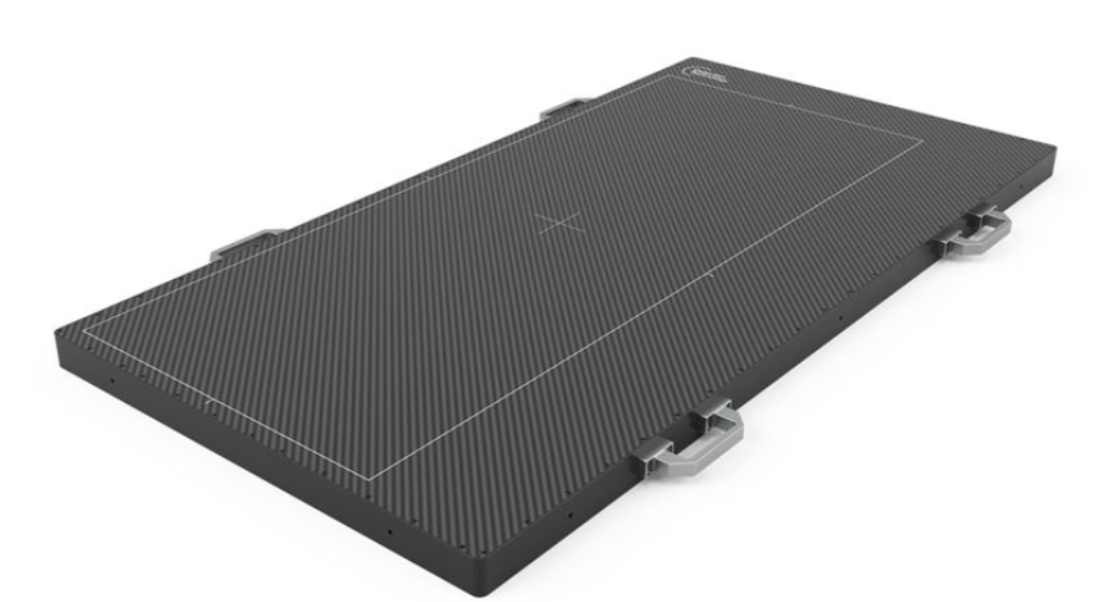
Detection Technology, a global leader in X‑ray detector solutions, announces the launch of the X-Panel 43108a FQI, the latest innovation in its TFT flat panel detector (FPD) portfolio. Designed in response to industry demand, the X-Panel 43108a FQI sets a new standard as the world’s largest dynamic flat panel digital detector array (DDA), offering unparalleled performance for versatile industrial imaging applications.

“We are thrilled to introduce the X-Panel 43108a FQI, meeting the demand for a larger and faster dynamic detector. We are proud to deliver a product that not only meets but exceeds these expectations. This groundbreaking solution will redefine industrial imaging, enabling faster and more accurate inspections of large components, and ultimately improving efficiency across various industries,” said Tuomas Holma, Product Director at Detection Technology.

“For years, the 43 x 43 cm a-Si-TFT flat panels have been the backbone of industrial inspection. Now, with the X-Panel 43108a FQI, we are more than doubling the active area. With an active area of 43 x 108 cm, X-Panel 43108a FQI allows inspection of large-scale industrial components with a single scan, drastically reducing imaging time and improving throughput. It features revolutionary technology, including a single-glass TFT sensor combined with fast readout electronics, enabling fast imaging despite its large form factor.”

Key features include:

  • Largest single-glass TFT detector on the market: Capable of imaging large objects in one scan, minimizing artifacts and improving productivity.
  • High-speed imaging: More than three times faster than conventional large panel solutions, achieving a frame rate of ≥10 fps (1×1) compared to the industry average of 3 fps, significantly increasing throughput.
  • Robust and industrial-ready: Engineered for demanding industrial environments.
  • Versatile modalities: Supports both digital radiography (DR / 2D) and computed tomography (CT / 3D) systems.
  • Comprehensive application range: Suitable for kV and MV imaging, making it adaptable for various object sizes and densities.
  • Form factor: Enables new types of X-ray inspection systems.
  • Regulatory and ASTM compliance: Ensuring safety and seamless integration into industrial systems.

Furthermore, the X-Panel 43108a FQI features a-Si-TFT technology, a 430 x 1075 mm active area, a 140 µm pixel size, and a 3072 x 7680 matrix. Its 10G BASE-T interface enables high-speed data transfer. The DRZ-High scintillator ensures high-quality imaging for high-energy NDT applications, and its 30 kg weight makes it robust yet manageable for industrial use.

The X-Panel 43108a FQI caters to various industries, including automotive, aerospace, heavy machinery, defence, and general manufacturing. It is designed for inspection applications such as automotive body and battery assembly inspection, aircraft fuselage and composite structure testing, large castings examination, ammunition safety checks, and conveyor-based inspection of bulky items and components.

The X-Panel 43108a FQI will be available with EU Origin. Deliveries of the X-Panel 43108a FQI are slated to begin by the end of 2025 from Detection Technology’s site in Finland, and local customer service is available in Europe and the US.

Detection Technology will showcase the key features of X-Panel 43108a FQI at the Control exhibition in Stuttgart, Germany, from 6–9 May 2025. Attend the product presentations at Stand 5217 in Hall 5 to discover more.

Kiwi Ears Airoso Precision Crossover 1DD + 4BA Hybrid Drivers IEMs Review

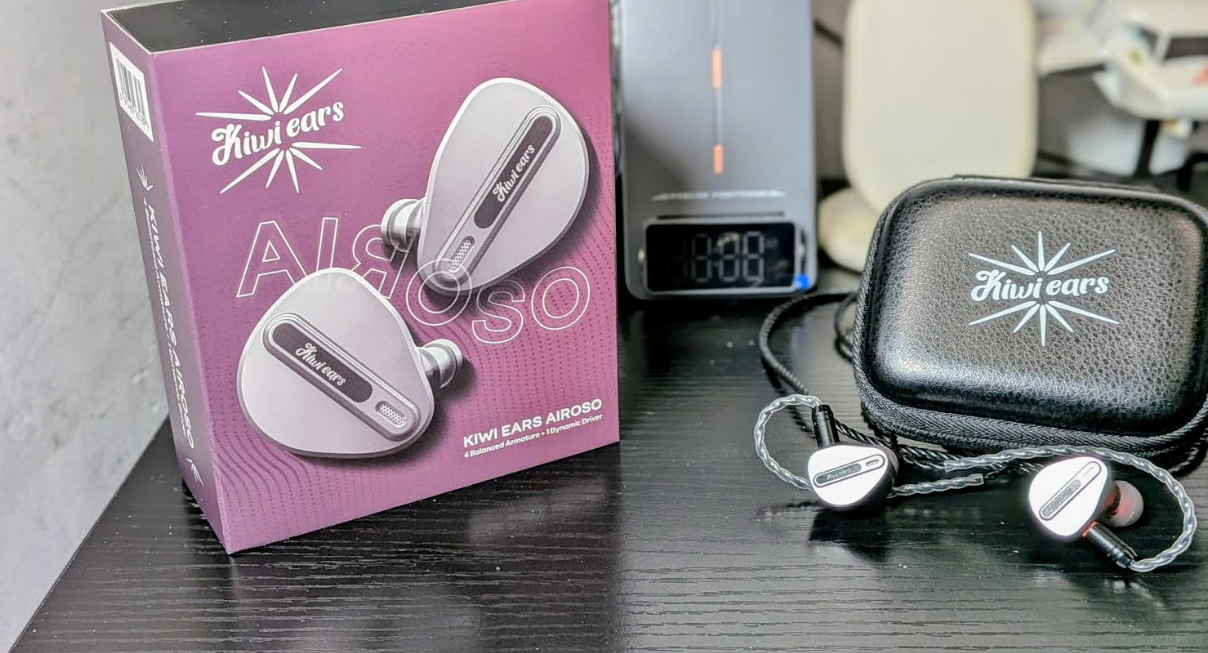
With its physical and RC crossover technology, the Kiwi Ears Airoso delivers an exceptionally accurate and refined sound signature, minimizing distortion and optimizing clarity across all frequencies. We believe this model will set a new benchmark for audio performance and gain strong traction among music enthusiasts.

The Airoso features a custom dynamic driver with an LCP+PU composite diaphragm, providing ultra-low distortion and consistent performance at various listening volumes. This driver delivers a balanced sound, with deep bass and crystal-clear highs. In addition, the inclusion of four balanced armature drivers—two dedicated to high frequencies and two for ultra-high frequencies—adds an extra layer of precision, enhancing the overall audio detail and refinement. The result is an immersive, high-fidelity listening experience with exceptional clarity and depth.

The build quality is superb here and the 3D printing making the earbuds ight sturdy and fit well in the ears and did not movem now this will not be the same for all as all our ears are built differently however there is several pair of tips in the box and a leather pouch which is a nice sweetener.

After testing these out myself there is no need for an app there is no controls on them and they are simply a plug and play offering which can plug into your pc/laptop or phone which these days on a phone an adapter will be required but this is not bad it is the sound that people want to now about.

The Airoso’s construction reflects its premium performance, combining a high-precision CNC aluminum alloy and titanium faceplate with a 3D-printed resin shell for a solid, high-end feel. This durable build ensures longevity while keeping the earbuds lightweight for comfort during extended listening sessions. The ergonomic design contributes to a secure, comfortable fit, making the Airoso ideal for audiophiles seeking both durability and all-day comfort in their audio experience.


Well the sound was better than anticipated being crisp and clear no tinny sound no latency when maxed out with the 4 balanced armature drivers the sound was not flat either not too bright it was just right which is a hard thing to do with just out of the box earbuds with Bluetooth alone.

Overall I was impressed with these given there is no app no inline control and this is what many like to have and they have delivered on quality looks and sound.

More earbuds reviews

BUY

Video Review

KPMG Global Tech Innovator Competition returns for 2025

KPMG today kicked off its annual search for Ireland’s next top tech innovator. Now in its fifth year, KPMG’s Global Tech Innovator competition is open to Irish tech founders and entrepreneurs who are pure technology, tech-enabled, tech-led, or tech-driven and ready for their next stage of growth.
Are you Ireland’s next tech giant?
Ambitious Irish tech companies are invited to apply for their chance to be crowned Ireland’s winner and represent Ireland at the prestigious global final in Lisbon in November. Shortlisted entrants will pitch their innovations and present their growth ambitions to a panel of judges, including successful entrepreneurs and investors.
 
Commenting on the launch of this year’s competition, Anna Scally, Ireland and EMA Region Head of Technology Media & Telecoms, KPMG, said: “In times of global uncertainty and shifting trade dynamics, it is essential to proactively support Ireland’s entrepreneurs and the builders of the next wave of successful tech businesses. Targeted initiatives and investments will ensure that our tech sectors continue to innovate and grow, safeguarding its vital contribution to the Irish economy. We invite all tech innovators across Ireland to participate in this competition.
It provides them with a platform to showcase their innovations on a global stage, elevate their businesses to new heights and connect with fellow tech innovators and join a global peer-to-peer network to share ideas and build important connections in a growing community of high-achieving tech entrepreneurs.”
 
The Irish winner will advance to the Global Tech Innovator final in Lisbon in November. Additional prizes include representing Ireland on the global stage, receiving mentorship from KPMG professionals, and gaining access to exclusive networking events.
Previous Irish finalists
Last year, Emma Meehan, Founder, CEO and CTO of Precision Sports Technology took the top spot in the Irish competition and went on to represent Ireland, competing against 22 other country finalists in the global final. Reflecting on her experience, Emma Meehan, said: “The opportunity to represent Ireland on a global stage was invaluable and provided us with an excellent opportunity to showcase our cutting-edge software. My advice to companies considering entering the competition this year would be to do it and enjoy the experience.”
Other previous Irish finalists include Conor Sheridan, founder and CEO of Dublin-based Nory, an AI-powered operating system for the hospitality industry, Barry Lunn from Limerick-based Provizio, an Irish accident prevention technology firm, and Terry Canning from Belfast-based CattleEye, the world’s first hardware-independent autonomous livestock monitoring platform.
Emma added, “Being a finalist and the overall Irish winner in the 2024 KPMG GTI competition was transformative. The mentorship and guidance from KPMG experts were excellent and the networking opportunities and national and global exposure significantly boosted my business profile and connected me with key industry influencers.”
Qualifications and eligibility criteria
Registered and based in Ireland or Northern Ireland, applicants are typically technology entrepreneurs who are successfully making the transition from the startup phase to the next stage in the growth of their businesses. They have developed innovative, proven technologies, established robust business models, demonstrated traction and have the potential to scale up globally. From the initial application to the regional and global pitch presentations, the competition can be a significant learning experience. Feedback from judges and interactions with other participants can help refine your innovation and presentation skills.
To be eligible for the competition, you must:
  • Be a registered company in the country/region where the country/region final is being held.
  • Have been actively operating for 7 years or less (in the current form).
  • Have generated revenue of between US $1 million and $15 million; or have raised at least US $500,000 in equity.
  • Be either a pure technology or a tech-enabled, tech-driven or tech-led business.
  • Not be majority owned by a large corporate.
  • Applications must be submitted by 23 May 2025.
  • Available to appear in-person for the Ireland final, which will be held in Dublin on the 17th of June 2025.
The 2025 global competition will include technology innovators from 20 countries and regions, including Austria, Brazil, Colombia, East Africa, Estonia, Finland, Germany, Ghana, Ireland, Japan, Mexico, Netherlands, Philippines, Portugal, Saudi Arabia, Southern Africa, Sweden, Turkey, UK and the US.
To enter, find out more about the competition and watch all the 2024 Irish finalists’ pitches visit www.kpmg.ie/GTI

How New AI Advances Are Revolutionizing and Simplifying Marketing

Marketing has always been an evolving field, but in recent years, artificial intelligence (AI) has brought an entirely new level of transformation. Once dominated by intuition, manual strategy, and countless hours of work, marketing is now powered by AI technologies that increase capabilities and simplify operations for businesses of all sizes.

Today’s AI advancements aren’t just about doing more — they’re about doing better. Smarter content creation, predictive analytics, hyper-personalized customer journeys, and intelligent engagement strategies are enabling marketers to connect with audiences faster, more meaningfully, and with greater efficiency.

Let’s dive into how the latest AI technologies are reshaping marketing, making it more strategic, personalized, and accessible than ever before.

Smarter Content Generation Through Generative AI

One of the most impactful changes AI has introduced is the rapid development of generative AI — systems that can create human-like content in seconds.

Instead of spending hours drafting blog posts, social media captions, product descriptions, or marketing emails, marketers can now rely on AI to produce high-quality first drafts almost instantly. Even more impressively, modern AI content tools can learn a brand’s tone, style, and customer persona, ensuring that the content they generate feels authentic and aligned with brand messaging.

This shift allows businesses — even small teams and solo entrepreneurs — to maintain a consistent, high-output content strategy without overwhelming internal resources.

AI-Powered Visual Design and Editing

Advances in AI-driven visual design tools have made it possible to create professional-grade images, graphics, and video assets without needing formal graphic design skills.

Today’s platforms can:

Act as a tone of voice generator to help build the brand voice and branding guidelines

Recommend layouts based on branding guidelines

Automatically adjust visuals for different social media formats

Generate graphics from simple text prompts

Adapt designs to seasonal trends and emerging aesthetics

These tools empower marketers to produce visually compelling campaigns faster and more affordably, leveling the playing field between large enterprises and smaller businesses.

Predictive Analytics for Proactive Marketing

Where marketers once relied solely on historical data to guide decisions, AI-driven predictive analytics now enables proactive strategies.

Modern analytics tools can forecast:

  • Which leads are most likely to convert
  • Which content topics will generate the most engagement
  • When customers are most at risk of churning
  • How to allocate budget across different channels for maximum ROI

With AI’s predictive capabilities, marketers can plan campaigns based on forward-looking insights, optimizing both performance and resource allocation with greater precision.

Hyper-Personalization at Scale

Today’s consumers expect brands to deliver personalized experiences. AI technology now makes it possible to create hyper-targeted campaigns based on real-time behavioral and emotional data — and to do it at scale.

AI-driven personalization engines can:

  • Customize website content dynamically for individual visitors
  • Tailor email sequences based on user behavior and preferences
  • Adjust advertising messages in real time to align with customer interests

Rather than relying on traditional broad audience segments, marketers can now engage each customer as an individual, boosting engagement, loyalty, and conversions — all while saving time through automation.

AI-Enhanced Conversational Marketing

Another major advancement is the rise of AI-driven chatbots and conversational systems that can engage customers 24/7.

These intelligent bots can:

  • Qualify and nurture leads automatically
  • Provide personalized product recommendations
  • Answer common customer questions
  • Schedule appointments or sales consultations

Importantly, new natural language processing (NLP) models enable bots to hold genuine, human-like conversations, making automated engagement feel less mechanical and more relationship-driven.

This allows marketing teams to stay connected with their audience, deliver value instantly, and move leads through the funnel — without needing constant manual effort.

Automated Social Listening and Emotional Insights

AI’s ability to monitor public conversations has revolutionized how brands approach social listening and sentiment analysis.

Rather than manually tracking brand mentions, marketers can now use AI to:

  • Monitor real-time conversations across social media, forums, and blogs
  • Detect emotional shifts in public perception
  • Identify emerging trends and customer pain points
  • Predict potential PR risks before they escalate

These insights allow brands to remain responsive and empathetic, adapting their messaging and strategies based on real-time audience emotions.

Smarter Marketing Automation

Marketing automation has existed for years, but AI takes it to the next level by making automation adaptive and intelligent.

Modern platforms can:

  • Send emails at the optimal time for each recipient
  • Adjust marketing sequences based on how users interact with content
  • Dynamically segment audiences without manual input
  • Optimize campaign performance on the fly

This new breed of automation minimizes guesswork, allowing marketers to create dynamic, evolving campaigns that automatically improve over time — freeing up creative teams to focus on strategy and innovation.

A New Era of Smarter, Simpler Marketing

The latest advances in AI aren’t just tools — they represent a fundamental shift in how marketing is done. AI is removing traditional barriers like time, cost, and capacity, allowing businesses of any size to market with the sophistication of global enterprises.

With AI, marketers can create more personalized campaigns, make smarter decisions faster, engage audiences on a deeper level, and optimize strategies continuously — all while simplifying their day-to-day workflows.

The future of marketing isn’t about working harder — it’s about working smarter. Brands that embrace AI’s new capabilities will not only stay ahead of the competition but will also build stronger, more genuine connections with their customers.

As AI technology continues to advance, those who adapt early will lead the way into a new era of strategic, simplified, and deeply impactful marketing.