
In the fast-paced world of online retail, fraud remains a persistent and growing concern for e-commerce businesses. From stolen credit cards to account takeovers and refund fraud, the threats are evolving rapidly. To protect their businesses and customers, online retailers must invest in robust fraud prevention tools. However, with so many options available, choosing the right ecommerce fraud prevention software can be a daunting task. This article provides a step-by-step guide to help you select the best tools tailored to your e-commerce business while ensuring comprehensive protection.
- Understand the Types of E-commerce Fraud
Before diving into the selection process, it’s crucial to understand the most common types of e-commerce fraud. This will help you identify the specific threats your business might face and choose tools that address those vulnerabilities. Common fraud types include:
- Payment fraud: Stolen card details used for unauthorized purchases.
- Account takeover: Hackers gain access to customer accounts to make fraudulent purchases.
- Chargeback fraud: Customers make false claims to receive refunds for legitimate purchases.
- Refund fraud: Fraudsters exploit refund policies to steal money.
By understanding these threats, you can narrow your search to tools that specialize in mitigating the risks associated with each type of fraud.
- Identify Your Business Needs
No two e-commerce businesses are exactly alike. A small online store will have different fraud prevention requirements compared to a global retailer. Start by assessing your business size, transaction volume, and the level of risk you face. Key questions to consider include:
- What is your average order value (AOV)?
- Do you operate in high-risk industries?
- How many transactions do you process daily or monthly?
- Do you sell internationally, and if so, how diverse is your customer base?
Understanding your business needs ensures that you invest in tools that align with your operations and budget.
- Look for Real-Time Fraud Detection
One of the most important features in any fraud prevention tool is the ability to detect and prevent fraudulent transactions in real-time. Tools that use artificial intelligence (AI) and machine learning are particularly effective, as they can analyze data patterns and behaviors to identify suspicious activity instantly. Real-time fraud detection helps you stop fraud before it happens, reducing financial losses and protecting your customers.
- Evaluate User Authentication Features
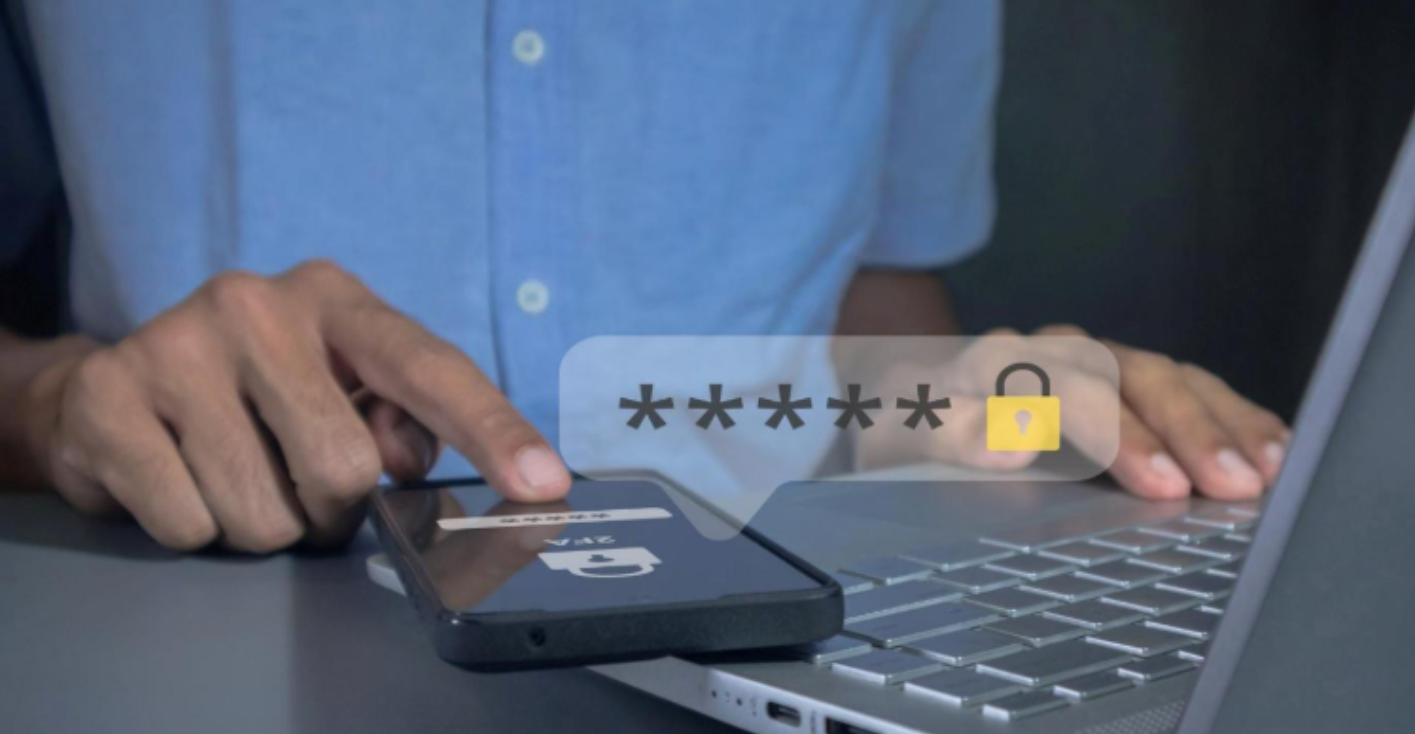
Strong user authentication is critical in preventing account takeovers and unauthorized transactions. Look for tools that offer multi-factor authentication (MFA), biometric authentication, and behavioral analysis. These features ensure that only legitimate users can access accounts and complete transactions, adding an extra layer of security.
- Ensure Scalability and Flexibility
As your e-commerce business grows, so will the complexity of fraud risks. Choose fraud prevention tools that are scalable and can adapt to your business’s evolving needs. For instance, tools that support cross-border transactions, multiple payment methods, and diverse fraud scenarios are ideal for businesses expanding into new markets.Flexibility is also important. Some fraud prevention tools allow customization, enabling you to set specific rules and thresholds based on your business model. This ensures that the tool is not only effective but also aligned with your unique requirements.
- Prioritize Ease of Integration
When selecting fraud prevention tools, consider how easily they can integrate with your existing e-commerce platform, payment gateways, and customer relationship management (CRM) systems. Seamless integration minimizes disruptions to your operations and ensures that the tools work harmoniously with your current technology stack. Many fraud prevention solutions offer pre-built integrations for popular platforms like Shopify, Magento, and WooCommerce.
- Analyze Reporting and Analytics Capabilities
Fraud prevention is not just about stopping fraud—it’s also about learning from it. Tools with robust reporting and analytics capabilities allow you to monitor fraud trends, assess the effectiveness of your strategies, and make data-driven decisions. Look for tools that provide detailed dashboards and reports, giving you a clear picture of your fraud landscape.
- Compare Costs and ROI
While fraud prevention tools are an investment, it’s essential to evaluate their costs in relation to the potential losses they can help you avoid. Many providers offer tiered pricing based on transaction volume or features, so you can find a solution that fits your budget. Remember, the right fraud prevention tool will not only save you money but also protect your reputation and customer trust.
- Check for Customer Support and Reliability
Fraud prevention is a 24/7 concern, so you need tools that come with reliable customer support. In the event of an issue or suspected fraud attack, quick assistance can make all the difference. Look for providers that offer round-the-clock support through multiple channels, such as live chat, email, and phone.
- Research Reviews and Case Studies
Before finalizing your decision, research customer reviews and case studies to understand how the fraud prevention tool has performed for other businesses. Pay attention to feedback from businesses similar to yours, as this can provide valuable insights into the tool’s effectiveness and ease of use.
Conclusion
Choosing the right fraud prevention tools for your e-commerce business is a critical step in safeguarding your operations, customers, and reputation. By understanding the types of fraud, identifying your business needs, and prioritizing features like real-time detection, scalability, and user authentication, you can find a solution that offers comprehensive protection.Investing in the right tools is not just about reducing losses—it’s about fostering trust and ensuring a secure shopping experience for your customers. When evaluating options, consider providers that specialize in ecommerce fraud solutions, as they are tailored to meet the unique challenges of online retail. With the right tools in place, you can focus on growing your business while staying one step ahead of fraudsters.