
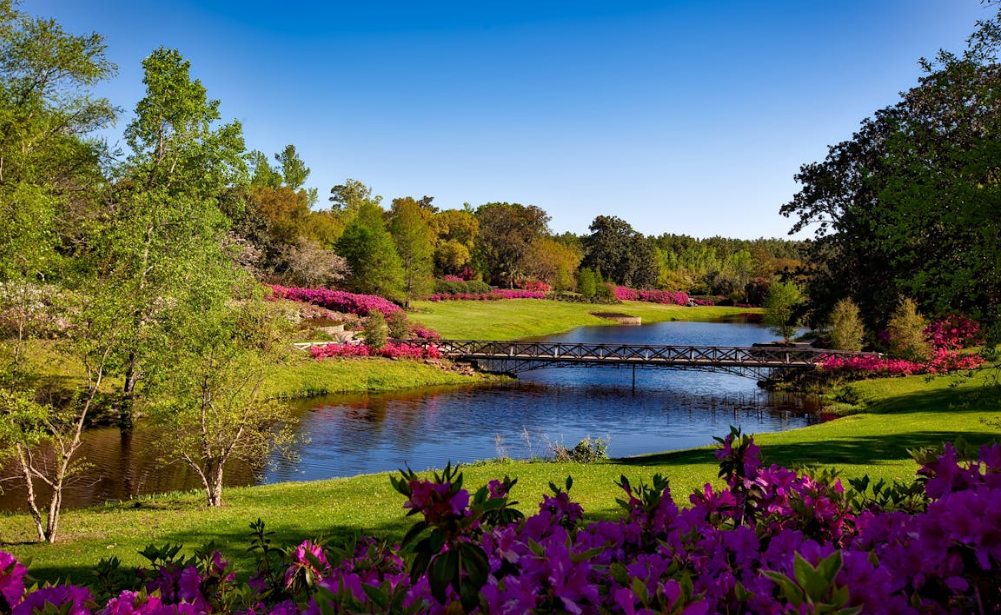
In recent years, the landscaping industry has seen a significant transformation thanks to modern technology. From smart irrigation systems to drone-assisted landscape design, the amalgamation of technology and landscaping is not only making outdoor spaces more sustainable but also more efficient, aesthetically pleasing, and easier to manage. In this read, we’ll explore some of the modern technological innovations used in landscaping.
- Smart Irrigation Systems
Water conservation has become a critical focus for homeowners, landscapers, and municipalities alike. Traditional irrigation methods are often wasteful, relying on timers that do not account for changing weather conditions. Smart irrigation systems use advanced sensors, weather data, and real-time analytics to deliver water only when and where it’s needed.
These systems are equipped with features such as:
- Soil moisture sensors: Measure the amount of moisture in the soil, ensuring that plants receive the optimal amount of water.
- Weather-based adjustments: Using real-time weather data, these systems can skip watering cycles when it’s raining or adjust the watering schedule during hot, dry spells.
- Remote control: Homeowners can control their irrigation system via smartphone apps, allowing for adjustments from anywhere.
By reducing water waste and improving plant health, smart irrigation systems are playing a key role in creating sustainable landscapes.
- Robotic Lawn Mowers
Lawn care has traditionally been a time-consuming task that requires regular attention. However, with the advent of robotic lawn mowers, homeowners can now maintain their lawns with little to no effort. These automated devices use advanced sensors, GPS navigation, and pre-programmed schedules to mow the lawn efficiently.
Benefits of robotic lawn mowers include:
- Time-saving: Set them to mow at specific times, and they work autonomously.
- Precision: These mowers are programmed to cut the grass at an even height, ensuring a manicured lawn.
- Eco-friendly: Most robotic lawn mowers are battery-powered, producing fewer emissions than gas-powered alternatives.
With their ability to work quietly and efficiently, robotic mowers are ideal for homeowners who want a well-maintained lawn without the hassle.
- Drone-Assisted Landscaping
Drones are revolutionizing the way landscaping projects are designed and managed. In the past, landscape designers had to rely on sketches and manual measurements to visualize and plan a space. Today, drones can capture high-resolution aerial imagery, providing a bird’s-eye view of the property and helping designers make more accurate assessments.
Key advantages of drone technology in landscaping include:
- Precision mapping: Drones equipped with high-definition cameras and LiDAR (Light Detection and Ranging) sensors can generate precise 3D maps of the terrain. This is particularly useful for large or complex sites.
- Topographic surveys: Drones can quickly scan and analyze topography, which is critical for designing effective drainage systems or selecting appropriate plant species.
- Visual planning: Drones allow designers to create virtual models of landscaping designs that can be viewed from all angles, helping clients visualize the final result before implementation begins.
By streamlining the design process and offering enhanced accuracy, drones are becoming an invaluable tool for landscape architects and contractors.
- LED Outdoor Lighting
Landscape lighting has long been a vital aspect of outdoor design, but with the rise of LED technology, outdoor lighting has become more energy-efficient, durable, and customizable than ever before. LED lights use significantly less energy than traditional incandescent bulbs and last much longer, making them a cost-effective solution for homeowners and businesses alike.
Modern LED outdoor lighting can:
- Change colors: With smart LED bulbs, you can customize the color of your outdoor lights to fit different seasons, occasions, or moods.
- Be integrated into smart home systems: LED lights can be controlled remotely using apps or integrated with voice assistants like Amazon Alexa or Google Assistant.
- Highlight features: Landscape lighting can be used to accentuate specific areas of the garden, such as fountains, pathways, or trees, creating a dramatic nighttime effect.
LED lighting enhances the beauty of outdoor spaces while offering long-term energy savings.
- Augmented Reality (AR) for Landscape Design
Augmented Reality (AR) is another innovative technology making waves in the landscaping industry. AR allows designers and homeowners to superimpose digital images of plants, structures, and other elements onto real-world environments through their smartphones or AR glasses. This provides a way to visualize how certain elements will look in a specific space before they are physically installed. It is commonly used by top landscaping companies in Ireland such as brosnanlandscapingandpaving.ie.
Key benefits of AR in landscaping include:
- Enhanced visualization: Instead of relying on static sketches, users can see how their outdoor space will look in real-time.
- Instant adjustments: Designers can quickly modify elements of the design and immediately see how those changes affect the overall aesthetic.
- Cost-effective planning: By using AR to visualize designs, clients can avoid costly mistakes and redesigns once construction begins.
With AR technology, both professionals and homeowners can experience a new level of design flexibility and creativity.
- Artificial Intelligence (AI) and Landscaping Software
Artificial intelligence is playing an increasingly important role in the landscaping industry, particularly in the form of AI-powered landscaping software. These programs can help landscapers optimize designs, manage maintenance schedules, and even predict plant growth.
Some ways AI is being integrated into landscaping include:
- Landscape design software: AI-powered tools can generate designs based on input criteria such as the size of the space, the climate, and the client’s preferences. These tools can analyze thousands of design possibilities in minutes, making the design process faster and more efficient.
- Maintenance forecasting: AI can track and analyze weather patterns, plant health, and soil conditions to recommend the optimal care schedule for a landscape.
- Plant identification and care: AI-powered apps can recognize plants through photographs and provide care recommendations, helping homeowners take better care of their gardens.
AI is helping landscapers work smarter, not harder, and offering a more tailored approach to landscape management.
Final Word
The integration of modern technology into landscaping has opened up new possibilities for creating functional, beautiful, and sustainable outdoor spaces. From smart irrigation systems and robotic lawn mowers to drone-assisted design and augmented reality, technology is enhancing every aspect of the landscaping process. Whether you’re a homeowner looking to improve your garden, or a professional landscaper aiming to streamline your operations, these innovative tools are sure to shape the future of landscaping for years to come.By embracing these advancements, we can not only improve the aesthetics and functionality of our outdoor spaces but also contribute to a more sustainable and efficient world. As technology continues to evolve, the landscaping industry will likely see even more exciting innovations.