
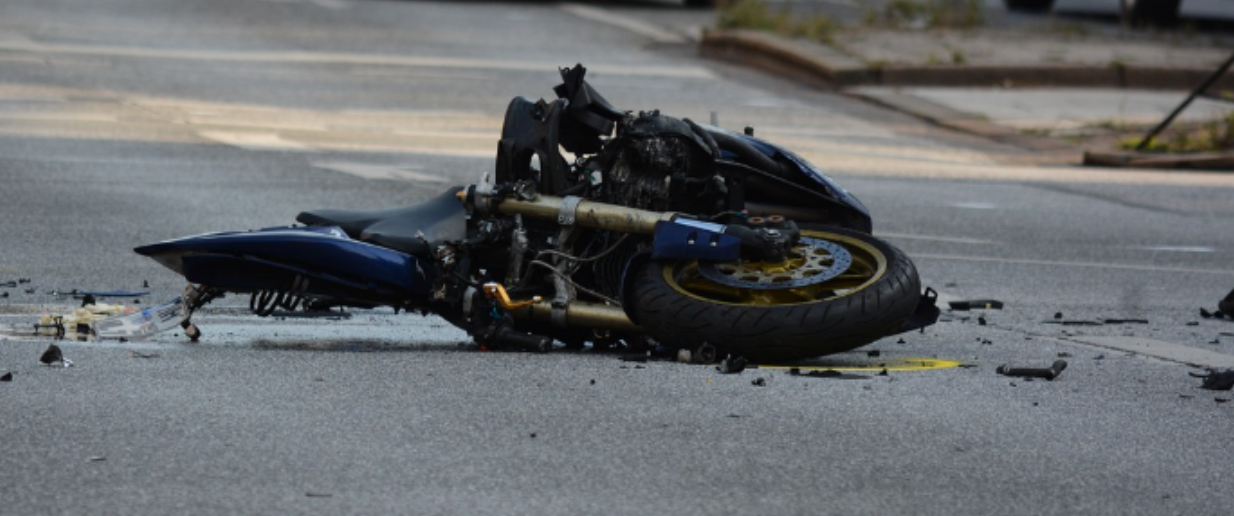
Motorcycle riding offers the thrill of freedom and adventure, but it also comes with inherent risks. Accidents can happen in the blink of an eye, leading to serious injuries and complicated legal matters. Therefore, having a well-thought-out plan for responding to accidents is essential. This plan should include not only injury management but also evidence gathering, both of which can be significantly enhanced by technology. By utilizing modern tech tools, riders can improve their safety and ensure a more effective response in the unfortunate event of an accident.
The Importance of Quick Response
According to dwaccidentlawyer.com, responding quickly to a motorcycle accident is crucial for minimizing the severity of injuries. Every second counts when it comes to medical intervention. Research indicates that timely treatment can greatly impact recovery outcomes, particularly for traumatic injuries. In a fast-paced accident scenario, knowing how to react quickly and effectively can make all the difference between life and death.
Technology can play a vital role in enabling quicker responses. Many smartphones have emergency features that allow users to contact emergency services with just a few taps. Additionally, medical alert systems can notify designated contacts or services automatically. These tools ensure that help arrives as quickly as possible, which can significantly reduce the risks associated with motorcycle accidents.
Essential Tech Tools for Injury Management
Several tech tools can assist motorcyclists in managing injuries after an accident. First aid apps provide step-by-step instructions for dealing with various injuries, ensuring that riders can respond effectively while waiting for professional help. These apps can guide users through critical processes, from performing CPR to addressing bleeding wounds.
Moreover, telemedicine services are becoming increasingly popular for post-accident care. Riders can consult with healthcare professionals remotely, allowing for immediate advice on how to handle injuries. This option not only saves time but also ensures that riders receive prompt care without the need to travel, which can be particularly beneficial when mobility is limited due to injuries.
Gathering Evidence with Technology
Collecting evidence after a motorcycle accident is essential for legal and insurance purposes. Thorough documentation can strengthen a victim’s case, making it easier to secure compensation for injuries. Fortunately, various tools make gathering this evidence more straightforward. Smartphones equipped with high-quality cameras can capture crucial details of the accident scene, including vehicle damage, road conditions, and any relevant traffic signs.
Dash cams are another valuable resource for motorcyclists. These cameras continuously record video footage while riding, providing a detailed account of events leading up to an accident. This footage can be instrumental in reconstructing the accident and identifying liability. Additionally, many dash cams come with GPS functionality, which adds context to the footage by documenting speed and location, further supporting a victim’s claim.
Communicating with Emergency Services
Effective communication with emergency services is a critical aspect of accident response. When an accident occurs, riders need to provide accurate information to ensure that help arrives promptly. Technology can facilitate this communication, making it easier to relay vital details about the accident. Apps that automatically alert authorities or loved ones can be a lifesaver in emergencies.
For example, certain devices and apps can send real-time alerts when a crash is detected. These tools often include features that share the rider’s location and the nature of the accident, ensuring that emergency responders can act swiftly. This ability to communicate quickly and effectively can be the difference between a minor injury and a life-threatening situation.
In addition to automated alerts, some communication apps allow users to share their medical history and emergency contacts with first responders. This information can be crucial for paramedics who need to know about allergies or pre-existing conditions. By providing this context, riders can ensure they receive the most appropriate care in a timely manner. Utilizing technology to enhance communication during emergencies empowers riders to play an active role in their safety and recovery.
Post-Accident Support and Recovery
The aftermath of a motorcycle accident can be daunting, but technology offers various solutions for post-accident recovery. Mental health apps can provide resources and support for those dealing with the emotional fallout of an accident. These platforms often include guided meditation, therapy sessions, and support groups that help individuals navigate their feelings during this challenging time.
Wearable technology also plays a role in recovery. Devices that monitor vital signs can help riders track their health post-accident, alerting them to any concerning changes. For example, smartwatches can provide heart rate monitoring and emergency alerts, ensuring that users remain aware of their physical condition during the recovery process. These tech solutions empower riders to take control of their healing journey and foster a sense of agency during a difficult time.
Conclusion
Incorporating technology into accident response strategies can greatly enhance a motorcyclist’s ability to manage injuries and gather evidence effectively. Quick response times are crucial for minimizing injury severity, and numerous tech tools are available to facilitate this process. From injury management apps to dash cams, technology provides riders with the resources they need to navigate the aftermath of an accident.
Understanding the importance of these tools can make a significant difference in the lives of motorcycle riders. By staying informed and prepared, riders can not only protect themselves but also contribute to safer riding practices. In an era where technology is increasingly integrated into our daily lives, leveraging these tools can enhance safety on the road and ensure a more effective response when accidents occur. Stay safe, ride smart, and embrace the tech that can keep you and others protected on the road.