HVAC Tech Innovations: Startups Bringing Smart Climate Control to the Mainstream

As the demand for energy-efficient, environmentally friendly HVAC systems grows, innovation has become a driving force within the industry. Startups are leading the charge by developing technologies that integrate smart climate control solutions with advanced tools like artificial intelligence (AI), the Internet of Things (IoT), and automation. These innovations not only improve comfort but also significantly reduce energy consumption and operational costs, benefiting both consumers and the environment.

1. The Role of IoT in HVAC Innovations

The Internet of Things (IoT) has become a game-changer in the HVAC industry, enabling devices to communicate and work together seamlessly. According to one HVAC and AC service, HVAC systems that once operated as isolated units can now be integrated into smart home ecosystems, allowing homeowners to control their heating and cooling remotely. IoT allows HVAC systems to collect and analyze data in real-time, providing valuable insights into usage patterns and system performance.

Startups are leveraging IoT to create more connected and responsive systems. For example, smart sensors can detect fluctuations in temperature, humidity, and occupancy, adjusting HVAC settings automatically to ensure optimal comfort and energy efficiency. These systems not only enhance user convenience but also contribute to significant energy savings by reducing unnecessary heating and cooling.

2. AI and Machine Learning in HVAC Systems

Artificial intelligence (AI) and machine learning are taking HVAC technology to the next level by enabling systems to learn from user behavior and environmental factors. AI-powered HVAC systems can analyze past performance data and predict future needs, allowing for automatic adjustments that improve efficiency. For example, a smart HVAC system may lower energy consumption during peak times or adjust the temperature based on occupancy levels.

Several startups are utilizing AI to enhance HVAC efficiency. These companies develop algorithms that continuously analyze system data to predict potential issues before they become critical. For instance, predictive maintenance technologies can notify users when a component is likely to fail, preventing costly breakdowns. This proactive approach not only ensures continuous comfort but also reduces long-term repair costs and extends the life of HVAC equipment.

3. Energy Efficiency and Sustainable HVAC Solutions

Energy efficiency and sustainability are top priorities for today’s consumers, and HVAC startups are responding by developing eco-friendly solutions. From geothermal systems that harness the Earth’s natural heat to solar-powered HVAC systems that reduce reliance on traditional energy sources, startups are finding innovative ways to reduce the carbon footprint of heating and cooling systems.

Many HVAC startups focus on designing systems that meet or exceed energy efficiency standards, helping homeowners reduce both energy consumption and costs. In addition, innovations like heat recovery ventilation (HRV) systems capture and reuse waste heat, further improving efficiency. As governments and businesses seek solutions to mitigate climate change, these startups are at the forefront of creating sustainable HVAC systems that align with environmental goals.

4. The Impact of Smart Thermostats and Automation on Climate Control

Smart thermostats have evolved beyond basic temperature control, offering features that allow for fully automated climate management. Homeowners can now program their HVAC systems to adjust based on their daily routines, reducing energy use when no one is home. Startups are taking smart thermostats to the next level by developing models that integrate with other smart home devices, such as lighting and security systems, for a cohesive smart home experience.

Automation has become a key trend in smart climate control, enabling systems to adapt in real time to external conditions. For instance, a smart thermostat may adjust the HVAC system based on changes in outdoor weather conditions or energy prices, optimizing both comfort and cost savings. By automating HVAC systems, homeowners can reduce their environmental impact without sacrificing comfort.

5. Startups Driving the HVAC Innovation Wave

Many startups are making waves in the HVAC industry by introducing cutting-edge technologies that improve energy efficiency, reduce operational costs, and enhance user comfort. One example is a startup that has developed a fully automated HVAC system that uses AI and machine learning to adapt to user preferences and environmental conditions. The system continuously learns from data, ensuring optimal performance while minimizing energy use.

Other startups are focusing on creating modular HVAC systems that can be easily installed and upgraded, making them accessible to a broader range of consumers. These modular systems offer greater flexibility, allowing homeowners to customize their heating and cooling setup based on their specific needs. By offering scalable solutions, these startups are ensuring that smart climate control becomes more accessible to everyone, regardless of home size or budget.

6. Conclusion: The Future of HVAC Tech and the Role of Startups

The HVAC industry is experiencing a period of rapid transformation, driven largely by the innovations introduced by startups. By incorporating advanced technologies like IoT, AI, and automation, these companies are making HVAC systems smarter, more energy-efficient, and more sustainable. These advancements not only offer convenience and cost savings to consumers but also contribute to broader environmental goals by reducing energy consumption and carbon emissions.

As we look to the future, startups will continue to play a critical role in advancing HVAC technology. The demand for sustainable, efficient heating and cooling solutions is only expected to grow, and startups are well-positioned to meet this need with innovative products and services. From smart thermostats to AI-driven maintenance, the future of HVAC is bright, and these emerging companies are at the forefront of making smart climate control the new standard in homes and businesses across the globe.

GoFundMe and Instagram Team Up to Supercharge Charity Fundraising with Game-Changing Social Features

GoFundMe and Instagram are launching innovative and new social sharing features to supercharge charity fundraisers and help raise more money for charities.

GoFundMe and Instagram’s new integration introduces a range of enhanced features designed to make fundraising more effective and engaging. Charities and fundraising organizers will benefit from enhanced sharing capabilities that allow their fundraisers to stand out in social feeds, making it easier to capture attention and build support. The integration also provides seamless sharing across Instagram and Instagram Stories, giving fundraisers a wider platform to reach followers and engage their communities. With native donation experiences built directly into Instagram, users can now donate without leaving the app, simplifying the process and increasing conversion rates. Additionally, real-time dynamic progress bars and a newly designed donate button will inspire immediate action by showing the live impact of contributions, encouraging more people to give and share with their networks. This integration is set to supercharge fundraising efforts, bringing greater visibility and engagement to causes that matter most.

Speaking about the new integration, GoFundMe CEO, Tim Cadogan says, “Ireland is the most generous country on GoFundMe and that extends to charity. Around one in every five GoFundMe pages in Ireland is for a charity. This integration will unlock powerful new channels for Irish people to raise millions more for charities – and give organisations the tools to inspire a new generation of supporters to make a difference for the causes they care about.”

These new features on Instagram are set to officially launch on 31st October, allowing charities and fundraisers to start leveraging the enhanced social sharing and donation tools in the run up to Christmas. With this integration, charities will be able to raise more funds by engaging with their Instagram communities in a seamless, user-friendly way. Additionally, Facebook will soon follow with similar enhancements, expanding the reach of fundraising efforts across both major platforms. This dual-platform integration will maximize the impact of every fundraiser.

We are thrilled to introduce new features that will help connect more people with charity fundraisers shared on Facebook and Instagram,” said Allison Hartnett, Director of Central Social Impact at Meta. “We have heard from our charity partners that fundraising on their platform of choice is important, and are excited to be working with partners like GoFundMe to expand our offerings for nonprofits.”

To enable these new fundraising features, charities will need to ensure they meet a few key requirements. First, they will need to have a Facebook business page, which acts as the foundation for linking their social media presence with the fundraising tools. Next, they’ll need a professional Instagram account that is linked to their Facebook page. This connection is crucial as it allows the charity to seamlessly integrate GoFundMe fundraising with Instagram’s sharing and donation capabilities. Finally, charities must be enrolled in Facebook’s fundraising tools. This enrolment ensures that the necessary infrastructure is in place to process donations directly through Instagram. Once these steps are completed, charities will be able to leverage the enhanced sharing tools, real-time donation tracking, and dynamic donation options to boost their fundraising efforts and engage with their communities more effectively.

About GoFundMe:

GoFundMe is the world’s leading crowdfunding platform dedicated to helping people help each other. GoFundMe has helped raise over $30bn for people and charities.

For charities to leverage the new enhancements, they will need the following

  1. You’ll need a Facebook business page
  2. You’ll need a professional Instagram account, linked to your FB page
  3. You’ll need to be enrolled in Facebook’s fundraising tools

What It Takes to Launch a Successful Food Product Business

Over the past few years, the food industry has seen a remarkable shift. During COVID, there was a massive shift in ghost kitchens, and food delivery (be it groceries or takeout) immediately went on the rise. 

Even to this day, with it being post-COVID, those ghost kitchens are still around; the same can be said for those delivery companies like Uber Eats and Deliveroo. But that’s not the only thing either. Have you noticed in your local grocery store that more brands are popping up that aren’t from Nestle, Unilever, or any of those other giants?

Essentially, more and more small, innovative brands have found their way onto supermarket shelves, standing toe-to-toe with industry giants. For example, there’s Mike’s Hot Honey to Prime by the Paul brothers, and even TikTok-inspired hits like Pink Sauce, it’s clear that starting a food product business has never been more appealing — or accessible. Now, these are all mostly in the US, but it doesn’t really matter where you are though.

There’s the Temptation of It All

There’s something irresistible about the idea of creating a unique product and disrupting the typical grocery store options. It doesn’t really matter if it’s an influencer turning a fan-favourite recipe into a product or a small entrepreneur hoping to change the way people enjoy condiments; the appeal is undeniable, right? Well, with so many of these businesses, they start small, capture attention on social media, and quickly grow into household names. Wouldn’t that alone mean that it wouldn’t take too much to get big?

But while it may seem easy to jump on the bandwagon, breaking into the food industry is anything but simple. Behind the success stories are long hours, unexpected hurdles, and challenges that can derail even the most promising of brands. 

Understanding the nuances of this industry is essential if you want to succeed. Now, it’s not a cakewalk, no matter how many people (influencers or everyday people) jump into this. It takes a lot of time and effort, and of course, there’s the capital that’s needed, too.

Why Getting into the Food Product Business is So Alluring

For many, the appeal of launching a food product business comes from the desire to shake things up. Now, many shoppers are just flat-out tired of the same old brands and products. Most stores seem to be nothing but Nestle and Unilever, which isn’t even good (or ethical) either! People want innovation, better ingredients, and something that feels personal rather than mass-produced. This is exactly why brands like Graza Olive Oil and even influencers like Mr. Beast’s Feastables have caught fire so quickly.

So, just like what was mentioned above, a lot of products, not all, but a lot, tend to blow up in popularity thanks to social media (or the presence prior such as Mr. Beast). But overall, it does play a major role in leveling the playing field. Nowadays, it’s no longer just the established brands that have the loudest voices. A well-placed viral post can propel a product from obscurity to must-have status overnight.

However, while the barriers to entry seem low, this industry is highly competitive, and only the most prepared will make it past the starting line.

Why Consumers are Embracing Small Food Brands

It goes back to what was said above: people are tired of bland, cookie-cutter products from the big names that dominate the shelves. Most of them are unethical, they’re harming the environment, they’re paying low wages, and the quality is garbage.

Its really not hard to see that consumers today crave something different, something that feels personal. But small food brands have a way of connecting with buyers on a human level. Maybe it’s through bold flavours, quirky packaging, or a founder’s story that hits home, these brands offer more than just food—they offer an experience. It’s this authenticity that’s making small brands the cool kids in the supermarket.

There’s a Desire for Authenticity

One reason small food brands have gained traction is the growing demand for authentic, locally sourced, and artisanal products. Shoppers today want to know where their food comes from, and many feel that smaller brands are more transparent than the big players. In a market where personal connection and trust are increasingly important, small brands often have an edge. People love supporting people, not big business.

Innovation and Unique Flavours

Another thing to keep in mind is that smaller brands are also not afraid to experiment with bold, innovative flavours. For example, there’s the spicy hot honey mentioned earlier, but even uniquely blended olive oils (and a fun squeeze bottle). 

So, these products stand out because they break away from the generic options we see every day. However, the ability to offer something new, something different, appeals to consumers looking for novelty and excitement in their food choices.

Challenges When Starting a Food Product Business

While yes, the allure of the industry might be strong, but it’s important to recognise the obstacles that come with starting a food product business. While creativity and innovation are key, so is a solid understanding of the logistics and regulations that govern the food industry.

Scaling Your Product

One of the first challenges many new businesses face is figuring out how to scale their product. While sure, it’s easy to whip up small batches of hot sauce or olive oil in a home kitchen, creating enough to meet supermarket demand is another beast entirely. So, scaling up means larger production runs, working with co-packers or manufacturers, and managing logistics that might be completely new territory for most.

The Cost of Scaling

The cost of scaling is also a significant hurdle. Renting a commercial kitchen, purchasing ingredients in bulk, and maintaining a steady production schedule all require upfront investment. For small entrepreneurs, finding the funding to take their product from small batches to large-scale production can be one of the biggest challenges.

Compliance and Regulations

So here’s the thing, it’s not just about creating a delicious product — it has to be safe and comply with strict food safety regulations. Now, here’s a good example of this, in the UK, the Food Standards Agency ensures that all food products meet safety standards, but if you’re looking to go international (as most businesses will try to do), then compliance with the FSMA, especially if you’re wanting to expand to the US.

So wherever you want to operate (and expand to), you’re going to need to do some thorough research. Honestly, there are a lot of helpful resources online that will help you stay up to date with all of this, such as articles. There’s even the FSMA Friday Webinar Series, where experts break down key updates and changes that could affect small food businesses.

But overall, knowing and enacting regulations and being compliant is non-negotiable. While yes, it’s probably one of the biggest challenges for any new brand, you’ll be putting your reputation and your whole brand at risk through fines, product recalls, or even being shut down. While major brands like Nestle and Ferror get by with this (granted, they shouldn’t), you especially won’t be able to survive.

Building Your Brand Identity

You need to keep in mind that creating a food product isn’t just about the taste—it’s about the story, the vibe, and the connection with your audience. So, your brand should practically leap off the shelf, screaming, “Pick me!” This is where personality comes into play.

Now, major brands don’t have to do the “Pick me” because people already recognise their brands all under their brand umbrella. So you’re at an advantage because you can go about your style far differently if you want. For example, you could go with a quirky name (such as the brand “Hands Off My Chocolate” did), eye-catching design (what most new brands are doing nowadays), or maybe even a feel-good backstory, which can make all the difference. 

You just need to remember that people don’t just buy products; they buy into brands that resonate with them. A strong brand identity is like the secret sauce that gets customers hooked for the long haul.

There’s a Lot of Power of a Strong Brand

So, once you’ve figured out the logistics of producing your product at scale, the next challenge is creating a strong brand identity. In the competitive world of food products, your branding is just as important as the product itself. From your packaging design to your company values, every element of your brand should resonate with your target audience.

Social Media and Marketing Strategies

It was mentioned already, but it deserves to be mentioned again. However, you can expect that most small food businesses have found success by leveraging social media to build their brand. Influencers and viral content have helped propel products like Mr. Beast’s Feastables and Prime Hydration into the spotlight. 

Technically, they are from major influencers (mostly targeting kids), but the Pink Sauce that went viral on TikTok wasn’t from a major influencer, so even that gives proof that you don’t need to be an influencer. Overall, a strong social media presence can create a sense of community around your brand and make it easier to connect directly with consumers.

However, relying solely on social media isn’t enough. A robust marketing strategy that includes a combination of digital marketing, in-store promotions, and public relations efforts is key to gaining traction in a crowded market.


Poetic Cases line up for Pixel 9 Pixel 9 Pro review

The Google Pixel 9 series is one of my daily drivers now along with several other devices which is the norm for me and carrying several phones a day can be a tad annoying however it is great at the same time in some ways and it has to be done and in doing so you need to ensure you have these devices protected especially when they cost a pretty penny.

Poetic once again have you covered here with a range of several cases for both device and there is something for everyone here with what is on offer and taste to suit all too the choice is yours though and check out the full video below and see what these look like on your device.

What is great with these cases asides protecting your device fully and allowing wireless charging they come with the choice of using a screen protector or not all in the box which is not seen that often with case manufacturers.


Google Pixel 9/9 Pro 5G Case[Guardian Series]

  • Military Grade Drop Tested Rugged Case Compatible with Google Pixel 9/ 9 Pro- Shockproof/Drop-proof/Impact resistant/Scratch-proof.
  • Extra raised lips and corners of the front hard frame provide super protection from drops, keep your screen safe.
  • Shock Absorbing – Impact resistant TPU lining around the polycarbonate case provides shock absorbing bumper protection for the corners and enhances grip to prevent sliding.
  • BUILT-IN-SCREEN PROTECTOR with Fingerprint stamp – MAKE SURE REMOVE ANY AIR BUBBLES BETWEEN FINGERPRINT SCANNER AND FINGERPRINT STAMP. Please carefully read FINGERPRINT STAMP TIPS on the DESCRIPTION SECTION and watch INSTALLATION GUIDE VIDEO, follow steps for smooth installation.
  • EXTRA Front Frame – For people who don’t like to use built in screen protectors, Poetic has included an extra front frame to use with your own tempered glass.

BUY HERE

Google Pixel 9/9 Pro 5G Case[Revolution Series]

  • [Google Pixel 9/9 Pro Case] – 20FT Military Grade Drop Tested Case protects your Google Pixel 9/9 Pro 5G from all angles. Shockproof/Drop-proof/Impact resistant/Scratch-proof.
  • [Google Pixel 9 Pro Case with Kickstand] – Built-in Pull out kickstand for hands-free viewing in portrait or landscape mode.
  • [Pixel 9 Pro Case with Screen Protector] – BUILT-IN-SCREEN PROTECTOR with Fingerprint stamp – MAKE SURE REMOVE ANY AIR BUBBLES BETWEEN FINGERPRINT SCANNER AND FINGERPRINT STAMP. Please carefully read FINGERPRINT STAMP TIPS on the DESCRIPTION SECTION and watch INSTALLATION GUIDE VIDEO, follow steps for smooth installation.
  • [Google Pixel 9 Full Body Case] – EXTRA Front Frame, for people who don’t like to use built in screen protectors, Poetic has included an extra front frame to use with your own tempered glass.
  • [Case for Google Pixel 9/9 Pro] – Extra raised lips and corners of the front hard frame provide super Screen protection from drops, keep your screen safe.


BUY HERE


Google Pixel 9/9 Pro 5G Case With Magsafe[Guardian MagSafe Series]

  • [Google Pixel 9 Pro Case] – Drop Tested Rugged Case Compatible with Google Pixel 9/ 9 Pro from all angles – Includes:Built-in Screen Protector, Clear polycarbonate back, and TPU lining and Bumpers.
  • [Case for Google Pixel 9] – Extra raised lips and corners of the front hard frame provide super protection from drops, keep your screen safe.
  • [Compatible with Magsafe and other wireless charger] -This case is thin enough to work with both Magsafe wireless charge and other QI Wireless charger.
  • [Pixel 9 Pro case with screen protector] – BUILT-IN-SCREEN PROTECTOR with Fingerprint stamp – MAKE SURE REMOVE ANY AIR BUBBLES BETWEEN FINGERPRINT SCANNER AND FINGERPRINT STAMP. Please carefully read FINGERPRINT STAMP TIPS on the DESCRIPTION SECTION and watch INSTALLATION GUIDE VIDEO, follow steps for smooth installation.
  • [Anti-Scratch Clear Back]Premium clear polycarbonate prevents scratches on the device. The full clarity and gloss showcases the best that your device has to offer.

BUY HERE

See our other Poetic cases reviews 

Video Review

HONOR Magic7 Series to Introduce Autopilot AI for Mobile

Global technology brand HONOR announced that its upcoming Magic7 Series will be powered by the revolutionary Snapdragon® 8 Elite Mobile Platform from Qualcomm Technologies, Inc. At Snapdragon Summit 2024, HONOR revealed its plans to develop an AI-first ecosystem. On stage, HONOR showcased groundbreaking AI features coming to the Magic7 Series, including the industry’s first on-device AI Agent for an open ecosystem, and the first real-time NPU graphics rendering for mobile gaming. The company also gave a sneak peak of what its new flagship will look like.

“Openness and collaboration are in our DNA,” commented Dr. Ray Guo, CMO of HONOR Device Co., Ltd. “With this collaboration with Qualcomm Technologies, we are defining the AI-first ecosystem and revolutionizing user experiences for the AI era. We are thrilled to introduce the industry’s first AI Agent for an open ecosystem, and bring on-device generative AI to gaming powered by NPU computing for the first time. Welcome to the era of Autopilot AI for mobile.”

“We are excited to work with HONOR to shape the future of AI and redefine how people interact with technology,” commented Chris Patrick, SVP and GM of Mobile Handsets, Qualcomm Technologies, Inc. “Together, we’re poised to push the boundaries of AI and create truly transformative experiences.”

Autopilot AI for Mobile: Industry’s first AI Agent for an open ecosystem


The HONOR Magic7 Series will debut the industry’s first on-device AI Agent for an open ecosystem. From a simple text or voice prompt, the AI Agent can order takeout on the user’s behalf. With consent, it can learn from users’ habits to make intelligent decisions, for example it can understand if the user prefers their coffee with coconut milk, and order accordingly.

It can also find and cancel unwanted subscriptions across different apps with just a simple command, breaking boundaries between apps and services. The AI Agent can assist across a wide range of uses including travel planning, ticket booking, calendar scheduling, notification management, cross-app file transfer, and more. Set to launch on MagicOS 9.0 on the HONOR Magic7 Series, the AI Agent provides unparalleled convenience and ushers in the era of Autopilot AI.

AI-empowered Hardware: On-device generative AI in gaming powered by NPU computing for the first time

The upcoming Magic7 Series smartphone will bring on-device generative AI to gaming powered by NPU computing for the first time. The new series will introduce the industry’s first real-time AI graphics rendering for mobile gaming. Compared to other smartphones, HONOR’s solution reduces GPU load, leading to lower device temperatures and a better gaming experience with higher image quality.

Seamless AI: MagicRing empowering the Snapdragon ecosystem

Throughout the show, HONOR demonstrated how it is working together with Qualcomm Technologies to define the AI-first ecosystem, aimed to revolutionize user experiences in connectivity, interaction and performance. HONOR showed how its MagicRing technology is empowering the ecosystem across a range of products, apps, and services.

MagicRing makes the multi-device AI experience easier, with its secure and smooth flow of services and information across devices. For example, when using Windows on Snapdragon, Cocreator allows users to produce detailed artwork from simple drawings. Powered by MagicRing, users can seamlessly access Cocreator on their HONOR MagicPad 2, drawing AI masterpieces with their Magic Pencil. They can also use the HONOR Magic V3’s AI Eraser on the HONOR MagicBook Art 14 to experience the convenience of mobile AI across all their devices.

Empowered by the Snapdragon 8 Elite  and MagicOS 9.0, the HONOR Magic7 Series is set to usher in a new era of Autopilot AI with its intuitive AI Agent. The upcoming device will bring on-device generative AI to gaming powered by NPU computing for the first time. Stay tuned for more information at the HONOR Magic7 Series China launch event on 30th October 2024.

See our HONOR reviews 

Coimisiún na Meán adopts final Online Safety Code

Coimisiún na Meán has today (21.10.2024) published the finalised Online Safety Code. The Code sets binding rules applying to video-sharing platforms who have their EU headquarters in Ireland. The general obligations contained in the Code will apply from next month and platforms will have an implementation period for certain detailed provisions, which require IT build, to come into compliance.  Coimisiún na Meán will take a supervisory approach to enforcing the Code, ensuring that platforms implement appropriate systems to comply with the provisions of the Code


The Code introduces obligations on video-sharing platforms to protect people, especially children, from harmful video and associated content, including:

  • Prohibiting the uploading or sharing of harmful content on their services including cyberbullying, promoting self-harm or suicide and promoting eating or feeding disorders as well as incitement to hatred or violence, terrorism, child sex abuse material, racism and xenophobia.
  • Using age assurance to prevent children from encountering pornography or gratuitous violence online and having age verification measures in place as appropriate.
  • Providing parental controls for content which may impair the physical, mental, or moral development of children under 16.


These platforms will also have to ensure that they have ways for people to report content that breaks the rules, and act on those reports in line with their Terms and Conditions.

The development of the Code was informed by an initial call for inputs in summer 2023, followed by a full public consultation from December 2023 to February 2024, which received nearly 1400 responses. Coimisiún na Meán’s Youth Advisory Committee was also consulted on the development of the Code. The Code was then notified to the European Commission under the Technical Regulations Information System (TRIS) Directive process to ensure alignment with the EU Digital Services Act.

They protect users from harm online. The updated Code, combined with the other parts of the Online Safety Framework, will deliver on the objectives of the Online Safety and Media Regulation Act, leading to safer online experiences for people across Ireland. The overall Online Safety Framework gives Coimisiún na Meán the tools to address the root causes of harm online, including the availability of illegal content, the harmful impacts of recommender systems, and inadequate protections for children on social media services.

The Online Safety Commissioner, Niamh Hodnett, said: “The adoption of the Online Safety Code brings an end to the era of social media self-regulation. The Code sets binding rules for video-sharing platforms to follow in order to reduce the harm they can cause to users. We will work to make sure that people know their rights when they go online and we will hold the platforms to account and take action when platforms don’t live up to their obligations.”

Executive Chairperson of Coimisiún na Meán, Jeremy Godfrey said: “With the adoption of the Online Safety Code, all the elements of our Online Safety Framework are now in place. Our focus now is on fully implementing the Framework and driving positive changes in peoples’ lives online. Our message to people is clear: if you come across something you think is illegal or against a platform’s own rules for what they allow, you should report it directly to the platform. Our Contact Centre is available to provide advice and guidance to people if they need help.”

Minister for Tourism, Culture, Arts, Gaeltacht, Sport and Media, Catherine Martin TD commented: “I welcome Coimisiún na Meán’s adoption of its first Online Safety Code. Building upon the foundation set out in the Online Safety and Media Regulation Act 2022, this code is a major step forward in online safety. It introduces real accountability for online video sharing platforms and requires them to take action to protect those that use their platforms, including by having robust complaints handling procedures and introducing effective age-verification. It will make all of us, but particularly our children, safer online.”

What to Look for in a Custom Manufacturing Partner

If you want to start a business that sells physical products, you need to find a supplier or a custom manufacturing partner. A custom manufacturing partner is a company that engineers and produces products for clients. These companies and their clients design products together, so finding the right custom manufacturing partner is important. A large amount of collaboration is guaranteed, so it’s important to find a partner you can work comfortably with. This post will tell you about the qualities you need to look for in a custom manufacturing partner.

Tailored Manufacturing

You need to find a manufacturing partner that’s able to manufacture products that are tailored to your needs and specifications. According to this manufacturer, exceptional quality and adaptable production are also important.  Something to note about tailored manufacturing is that while many companies claim to offer it, not all do. You need to be confident that the products your partner produces for you are entirely unique and not just slightly altered versions of products they either sell themselves or produce for other companies. Having your own unique products is important in business, as otherwise, nobody is going to want to buy them.

Quality Products

Quality products are arguably just as important as tailored manufacturing. No matter what type of product you are selling, it needs to be made out of sturdy, reliable, high-quality materials. Consumers have a lot of choices today. If the things you are selling are not worth the money you are charging for them, consumers will have no trouble finding an alternative company to buy from. There is no shortage of businesses in the modern world. No matter what your niche is, there will be somebody else selling the same thing as you. High-quality products are therefore very important and can make you stand out.


Responsive Support

You never know what kind of problems you are going to encounter in business. If you have issues with your business’s products, you need to be able to get in touch with your supplier or manufacturing partner and resolve them immediately. However, if the company you buy your products from does not have responsive customer support, they are not going to be able to help you. You therefore need to make sure that your business partner is one with a supportive customer service desk that is able to respond to and resolve queries quickly and efficiently.

Delivery Times

Finally, try to find a customer manufacturing partner who is able to produce products quickly and get them shipped out to you in a timely manner. The last thing you need is for your supplier to have slow turnaround and delivery times. When you first get in touch with a customer manufacturer, make sure that you ask them about how long it takes them to produce products and get them shipped out to their customers. If your chosen partner’s warehouse or factory is in close proximity to your business, you can pick things up yourself rather than paying for delivery.

Custom manufacturing partners save you the hassle of having to produce products in-house. Use the guidance given here to find a partner that’s right for you. Make sure that in addition to following this post’s advice, you take a look at your chosen manufacturer’s reviews. Their reviews will tell you a lot about them.   


How Technology is Redefining Communication Patterns Among Today’s Youth

Technology has drastically reshaped communication among today’s youth, replacing traditional conversations with digital interactions. Young people now engage through smartphones, social media, and instant messaging, staying connected around the clock. This shift has influenced social dynamics, redefining how relationships form and evolve. 

Technology has also impacted language, behavior, and self-expression, creating new norms in youth communication. In this article, we examine communication tool evolution, social media’s influence, and emerging trends transforming how young people connect and interact.

Evolution of Communication Tools

From traditional landline phones to smartphones and social media, each technological leap has introduced new ways to connect. Early tools like email and instant messaging replaced letters and phone calls, offering faster communication. 

Today, apps like Instagram, TikTok, and Snapchat emphasize visual content and instant sharing, reflecting modern communication preferences. Video calls and group messaging are commonplace, breaking geographical barriers and enabling seamless interaction. 

Pew Research Center survey reveals YouTube dominates teen social media usage, with 95% of teens using it, and TikTok following with 67%. Facebook’s usage among teens has dropped significantly, from 71% in 2014-15 to 32%. Snapchat and Instagram maintain strong engagement, with notable demographic differences in platform preferences.

How do communication preferences differ between various age groups?

Younger generations lean toward texting, social media, and instant messaging for quick, informal interactions. Older adults often prefer phone calls and emails, valuing clarity and formality. Understanding these differences helps facilitate better intergenerational communication and bridges the gap between diverse communication styles.

Social Media’s Role in Shaping Communication

Mayo Foundation for Medical Education and Research (MFMER) states that social media significantly influences communication among teenagers. A 2022 survey revealed that 35% of 13- to 17-year-olds use at least one major online platform. These include YouTube, TikTok, Facebook, Instagram, and Snapchat, which are used several times a day. This widespread engagement underscores social media’s vital role in shaping youth’s daily interactions and communication preferences.

Apps like Instagram, TikTok, and Snapchat prioritize short, visual interactions over lengthy discussions, promoting a culture of quick, impactful exchanges. This preference for brevity influences how young people express themselves, often using images, videos, and emojis. 

Social media fosters digital communities, allowing youth to engage with others who share similar interests and create belonging and collective identity. While these platforms enable self-expression and global networking, they also raise concerns about privacy, online harassment, and curated image pressure.

Social Media’s Effect on Adolescent Mental Health

HHS Headquarters reports that Surgeon General Dr. Vivek Murthy emphasizes the critical impact of social media on teen mental health. Up to 95% of youth are engaging on social media platforms, highlighting the urgent need for awareness. While 67% find support online, excessive use—averaging 3.5 hours daily—doubles the risks for depression and anxiety.

Being exposed to perfect images and lifestyles can set unattainable standards, which may cause people to feel like they don’t measure up. The pressure to achieve online validation through likes and comments can increase stress and affect self-worth. Cyberbullying and online harassment further complicate these dynamics, leaving teens vulnerable to emotional harm. 

The influence of social media on teen mental health is a growing concern, especially with addictive features on platforms like Instagram. Research reveals a troubling connection between excessive use and rising levels of anxiety, depression, and body image issues among adolescents. 

Increased awareness has led to a surge in legal actions, with Instagram lawsuit claims filed by families seeking accountability for youth impact. Features like endless scrolling and carefully curated highlights create a breeding ground for unrealistic comparisons, amplifying mental health struggles. 

According to TruLaw, the 2024 Instagram lawsuit involves Meta facing legal action from over three dozen states regarding addictive features. The lawsuit alleges that Meta deliberately designed addictive features within Instagram and Facebook, targeting young users.

The Shift Toward Digital Communication

Texting, instant messaging, and social media have largely replaced phone calls and face-to-face conversations as the primary means of communication. This shift has led to the rise of a more informal language style characterized by emojis, abbreviations, and quick exchanges. 

While digital tools enable constant connectivity and global friendships, they also challenge emotional depth in conversations and interpersonal skills.

How can individuals maintain meaningful relationships in a digital age?

Maintaining meaningful relationships in the digital age requires deliberate effort and balance. Regular video calls and occasional in-person meetings deepen connections. Prioritizing quality over quantity in conversations and setting limits on screen time is essential. Sharing personal experiences and showing genuine interest in others’ lives foster stronger emotional bonds.

Educational Implications

Teachers are now incorporating online discussions, video presentations, and digital collaboration tools to enhance engagement and participation. This evolution requires a reimagining of traditional teaching strategies to include digital literacy and responsible online behavior. 

Statista states that American students now utilize a digital toolbox, including AI, online courses, and educational websites. In 2023, K-12 districts accessed over 2,500 ed-tech tools, up from 895 in 2018-2019.AI tools like ChatGPT have garnered increased interest, with over half of the state agencies seeking guidance on classroom use.

The rise of e-learning and virtual classrooms has expanded access to education, connecting students globally and promoting diverse perspectives. However, reliance on digital communication can lead to challenges, such as decreased face-to-face interactions and increased distractions.

What role do parents play in fostering digital literacy among their children?

Parents play a vital role in teaching digital literacy by guiding children on safe, responsible internet use. Setting clear rules, discussing online behavior, and explaining the risks of sharing personal information are crucial. Encouraging critical thinking and monitoring screen time help children navigate the digital world safely. 

Future Trends in Youth Communication

Virtual and augmented reality may transform interactions, enabling immersive, shared experiences that go beyond traditional screens. AI-powered chatbots and virtual assistants could become standard, facilitating daily communication and information access. 

Valuates.com indicates that the augmented and VR market will expand from $14.84 billion in 2020 to $454.73 billion by 2030. This increase reflects an annual growth rate compounded at 40.7%. Key growth drivers include advancements in the gaming sector, healthcare innovations, and expanding applications in education and manufacturing.

The growing popularity of encrypted messaging apps and decentralized networks suggests a shift towards privacy-focused, intimate interactions. Wearable technology and voice-activated devices will likely further integrate communication into everyday life, making connectivity seamless and immediate.

Navigating the Future of Youth Communication

Although digital platforms provide instant interaction and global reach, they can reduce face-to-face engagement and impact mental health. As communication tools evolve, striking a balance between digital and in-person interactions is essential for healthy development. Parents, educators, and policymakers must work together to promote responsible technology use and guide youth toward positive communication habits.

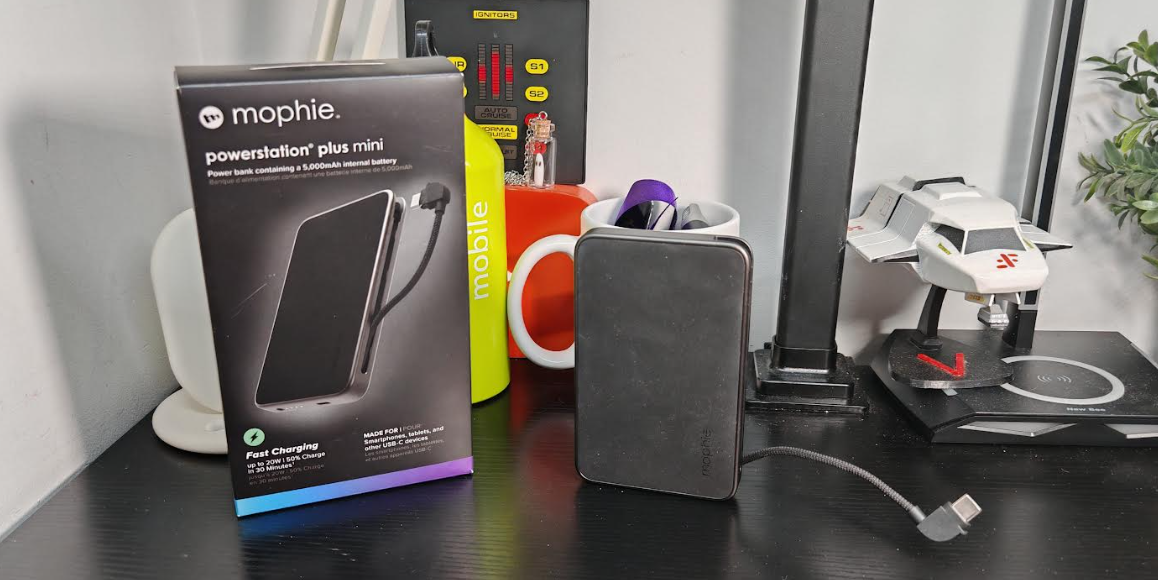
mophie powerstation plus mini review

The mophie powerstation plus mini is a portable premium looking charging bank with 5000mAh of juice packed inside and looks really neat and will fir in any pocket and travel bag.

With a short cable built in you will not have to worry about loosing a cable again which is another handy feature here and the cable is also braided which makes it look better and will be better in the long run.

With the second charging port on the device you can use a second cable to charge two devices at once which is hand for those on the go or just to have at your office desk.

Given they target the Apple product here this works on other USB-C enabled devices such as Android phones earbuds and tablets and we have tested all in the video review down below.

I have tested many powerbanks over the years and this is the most premium one to date that would suit any individual who is worried about their battery running out on their phone or even earbuds as they are the two most popular products we carry with us today and it is ideal for those people and more and affordable and looks premium too.


The powerstation plus is your superfast charging solution that fits almost any Apple device. The integrated cables offer up to 20W of PD power, fast charging your compatible devices at the optimal speed. And the compact, stylish powerstation plus fits in any bag and has a sleek look that complements your Apple accessories.


Powerful Battery: Contains 5,000 mAh Battery providing at least 1 full charge to your iPhone.

Built-in USB-C cable, 20W PD output: Up to 20W allows you to charge your iPad, or iPhone using the reinforced, integrated USB-C cable.

Cable Management: Keep your cable neat and tidy, while having a ready-to-go solution

Versatile USB-C PD Port with Pass-Thru Charging: Recharge the powerstation plus or use USB-C port to charge your device with pass-thru charging from the wall to the device.

EnduraFlex™ Silicone: Braided outer cable sheath for durability and premium feel, with silicone interior for flexibility and durability. Soft yet pliable!

Heavy-duty, durable braided cable: Carefully designed cable creates optimized strain relief to ensure a long life at the most common failure point. Tested to survive up to 30,000 bends.

BUY

Other Mophie reviews

Video Review