
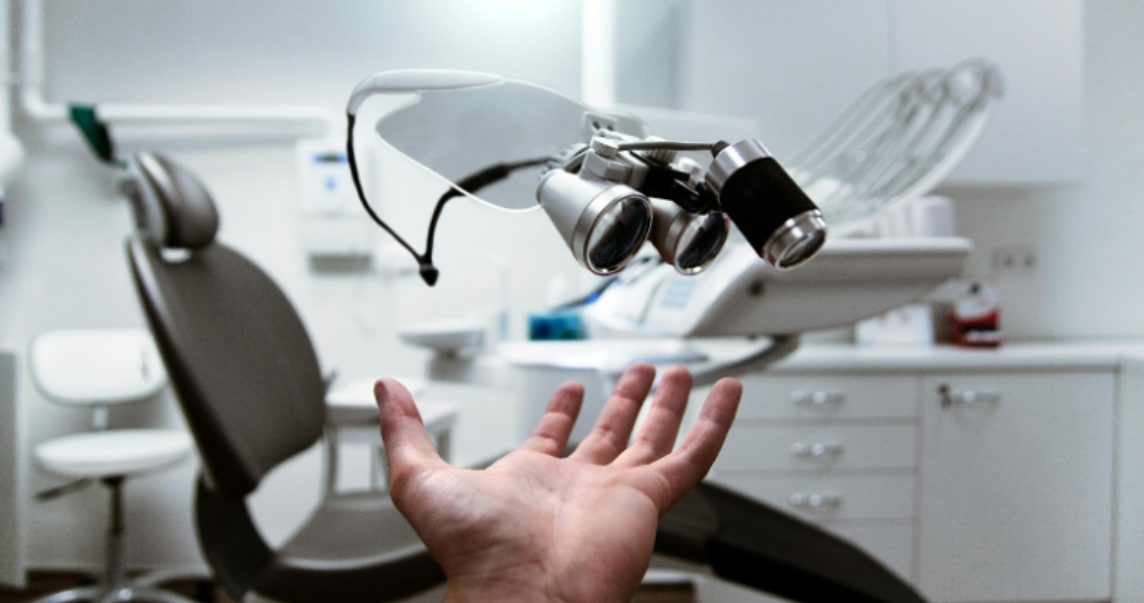
For years, technology had a huge part in pushing forward healthcare systems; but as recent technological advancements are made, the new developments have changed the face of healthcare in ways never seen before. From AI-based diagnostics to telemedicine, these innovations are changing patient care, saving lives, and streamlining healthcare systems. Here we will pick up where we left off and dig deeper into this technological revolution within healthcare, how it is shaping the future of the industry, and what that means for patients as well as providers.
1) Diagnostics and Medical Treatment;
AI and machine learning are leading the healthcare transformation. Artificial intelligence technologies allow to processing of huge volumes of medical data, including images and patient documentation for more accurate and quicker diagnoses. Further, machine learning models assist in tailoring treatment plans to individual patient data, a factor that can drive the benefits of specific interventions and improve the outcome for patients.
2) Telemedicine for Increased Care Access:
Telemedicine enables patients to consult healthcare providers at home through video conferences & remote patient check-ups. Therefore, more healthcare facilities are built in response to this which means care is delivered quicker which staves off or even reverses various adverse health outcomes related to patient delays in receiving necessary treatment.
Telemedicine can address routine annual visits, but also follow-up for chronic conditions, and in some capacity can provide a diagnostic workup – all of those are the elements that make it much better for individual users compared to just taking care of immediate urgent needs.
3) Wearable Technology:
The use of wearable technology — smartwatches and fitness trackers in particular — is transforming how patients begin to manage their health. They can monitor vital signs, track movement, and feed real-time health data back to the patient and healthcare teams.
So, for example, connected wearables could warn you of an abnormal heart rhythm or if you have high blood pressure and you may want to get it checked out. The result is that chronic conditions can be better managed, and people are more likely to make healthier lifestyle choices, which leads to an overall better state of health and well-being.
4) Advanced Diagnostics and Imaging:
Recent technological innovations in imaging and diagnostics may improve the accuracy and efficiency of medical examinations. Imaging like MRI and CT scans can provide detailed high-resolution images of invested parts of the human body to assist with more accurate diagnosing.
Further, advances in endoscope maintenance and design have increased the dependability and quality of endoscopy. Preventive maintenance measures help ensure endoscopic equipment performs at its best, minimize procedural complications, and enhance patient safety.
5) Healthcare Management:
Data analytics and electronic health records (EHRs) are making healthcare management more automated, integrating the entire accomplishment, recording as well helping in decision-making better than humans. EHRs offer a complete perspective of the medical history of a patient that facilitates easy access and sharing of information among healthcare providers.
Data analytics tools can identify trends, predict patient outcomes, and optimize resource allocation in real-time. Through the integration of these technologies, healthcare systems can boost efficiency and reduce errors, all while making care more personalized.
In conclusion, we all know, that for better diagnostics, treatment, and patient care technology is changing the future of healthcare in a good way. AI, telemedicine, wearable tech, and the most minute imaging technologies are enhancing healthcare delivery and experience. As these innovations continue to grow, so too are the promises of what we can do around health and wellness – resulting in more effective and efficient healthcare for everyone.