Prolojik remains at the forefront of harnessing the ubiquitous nature of lighting controls to contribute to the measurement and control of the COVID virus. Building on one of its latest innovations, Proxima allows organisations from commercial workplaces to schools and universities to empower people to manage their own risk and exposure to the COVID virus, through wearable technology in the form of a wristband or lanyard that connects wirelessly to Prolojik’s Proxima sensor network.
The movement and temperature of each wearer can be monitored throughout all areas within the space, vibrating when people are within 2 metres of each other, as well as taking their temperature to alert them of potential illness. Data collected via the Proxima sensor network can be stored on premises for real time analysis or shared with third party systems such as BMS. For example, if someone contracts COVID within an organisation, it is possible to track that person interactions in the preceding days, identify others that have been in close proximity to them, therefore exposed to the virus and potentially at risk. The enormous benefit is that Facility and Building Operators can focus on specific areas, rather than having to close entire buildings down. As with education, this approach allows for a far more targeted approach to infection management, by isolating individuals or specific social bubbles.
The integration with the lighting control system means that all areas of the building are within the trackable zone, including workspaces, circulation areas, back-of-house, plantrooms, car parks, presentation spaces and external spaces.
Each wearable will provide key data on the following aspect of employee care and building management:
Targeted Messaging
People and Asset Tracking
Profile-based control
Lone Worker Monitoring
Building Sanitisation
Physical distancing
Environmental monitoring
Indoor Location – way finding
Revenue Leakage
Asela Rodrigo Managing Director of Prolojik comments:
“At a time when businesses and educational institutions need as much support as possible to be operational, Proxima wearables provide the ultimate reassurance and comfort for employee and students. The unique difference is the stand alone sensor infrastructure which can equally be fully integrated with any lighting control systems to increases the measurable and trackable area.”
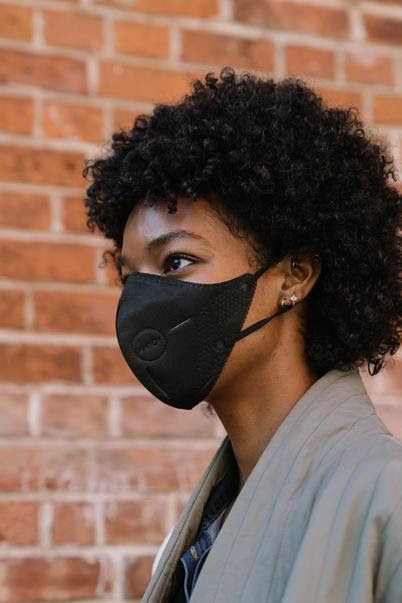
AirPop is bringing its expertise in creating high-performance air wearable products to the UK, with the launch today of their new line of face masks. Three AirPop mask models are available for purchase – the Light SE, the Pocket, and the AirPop mask for kids – with Original and Active models coming later in Q4 2020. These masks are part of a bigger category of air wearable products that AirPop pioneered to create better fit and more comfortable breathing for millions of mask consumers worldwide.
Air quality has been a problem for decades, in fact the World Health Organisation estimates that 4.6 million people die each year from causes directly attributable to air pollution. AirPop recognised that for too many people, wearing a mask was a daily necessity to combat the detrimental effects of air pollution from both manmade sources and natural causes. In addition, the threat of dangerous pathogens – from SARS to H1N1 to the flu and now a global COVID-19 pandemic – increased the need for a barrier of defence for consumers. With that AirPop was born.
Since 2015, AirPop has harnessed filtration science and technology innovation to build high-performance products that deliver unrivalled comfort & breathability – revolutionising the mask wearing experience for consumers. AirPop masks provide a serious line of defence against airborne threats carried by particles and droplets and they are designed to be breathable, stylish and wearable. They offer the same, highly-effective two-way barrier as the best medical and industrial-grade masks, but are specifically engineered for consumers to be comfortable all day on a variety of face shapes and sizes.
“Masks provide the first line of defence from airborne threats, but they’ve been largely unregulated, under-designed and ineffective for the consumer market. So we at AirPop set out to change that.” said Chris Hosmer, Founder of AirPop. “Because we all have a vital role to play in reducing the spread of COVID-19 through our communities, choosing an appropriate mask means it has to both fit and filter well to reduce transmission from airborne particles and droplets. With AirPop there is finally an option that protects the rest of us, doesn’t divert critical N95s from healthcare professionals, yet meets the same high quality standards and 2-way filtration as the best medical & industrial respirators.”
The AirPop Difference
AirPop delivers superior performance by solving three key issues that plague most masks: fit, filtration and breathability. All of the materials used to manufacture our masks are tested by accredited 3rd party labs to exceed the World Health Organisation and FDA medical mask material performance standards.
• Fit: An accurate, close fit is essential to prevent the inhalation and exhalation of small particles and droplets. AirPop masks feature a patented soft-seal and frame that responds to different fit profiles to help ensure a snug, but comfortable fit. And the tented, 3-D Air Dome shape keeps the filter away from the face, increasing airflow and improving breathability and comfort.
• Filtration: When it comes to harmful pollutants, size matters. Anything smaller than 2.5 microns is known as “fine particulate matter” (PM 2.5) – think airborne bacteria, for example. AirPop masks create a barrier down to 0.3 microns with greater than 99% effectiveness at this scale. Our unique combination of 4-layer filter material provides an effective 2-way barrier against particles and droplets.
• Breathability: Superior breathability is also vital – consumers won’t wear what isn’t comfortable or doesn’t work. AirPop masks “give and take” in sync with your natural breath. And they have four layers of protection – from the droplet-resistant, non-woven outer layer to the filter and skin-friendly inner layer to ensure security and comfort.
Introducing the AirPop Mask Portfolio
AirPop masks come in two options – multi-use disposable masks (Pocket, Lightweight & Kids models, available today) or reusable/washable masks with disposable filters (Original & Active models, coming soon).
Available Today: AirPop multi-use disposable masks provide 99.3% particle filtration and 99.9% bacterial filtration, plus fluid resistance, to deliver a robust two-way defence for up to 40 hours.
• AirPop Light SE: The patented design of the Light SE creates a “lighter than air” feel with a 3D domed structure that enables effortless breathability. Ergonomic wings, adjustable ear loops and a cushioned nose seal provide superior comfort and fit
• The Light SE comes in black or white colours and retails for £9.99 (£29.99 for 4-pack; £139.99 for 20-pack).
• AirPop Pocket and Pocket Case: The Pocket is a light mask that comes with a compatible carrying case – great for using on the go. The Pocket’s Ergo-Foam seal conforms to the nose bridge and its top vent allows for moisture to evaporate between wears. Its convertible structure provides compression strength during wear while still being flexible enough to fold down to 25% of its original size — perfect for tucking away into its case and fitting in a back pocket, backpack or handbag.
• The Pocket also comes in black or white colours and retails for £14.99 for 2-pack; (£24.99 for 4-pack; £99.99 for 20 pack)
• AirPop Kids: We used the same patented design principles that make the AirPop Light SE superior to create a one-of-a-kind children’s mask. The AirPop Kids mask is light and breathable, giving kids the defence they need against airborne threats while providing comfort and ease for all-day wear. Pocket case sold separately, in either black or white, for £9.99.
• AirPop Kids masks come in blue, pink or white colours and retail for £14.99 for a 2-pack; £24.99 for a 4-pack. Compatible with Pocket carrying case
Coming Soon: AirPop reusable/washable masks feature disposable, snap-in filters that block 99.97 PM0.3, including dust, bacteria, and viral matter, and deliver up to 40 hours of use. Both the Original and Active models feature AirPop’s patented 3D Air Dome design that creates a canopy of clean air and balanced air circulation for the wearer, resulting in better breathability and wearability. They are made with cutting-edge fabrics that deliver strength and flexibility while remaining lightweight and easy to clean. These masks will also deliver up to 40 hours of wear time per filter. More details to come later in Q4.
You can find all AirPop multi-use disposable masks at Amazon.com or the AirPop website (www.airpophealth.com). AirPop reusable masks with disposable filters are coming soon.
TCL, one of the world’s best-selling consumer electronics brands and leading technology companies, is introducing the MOVETIME Family Watch MT43A today. This 4G connected watch provides hands-free two way calling, automatic fall detection, heart rate monitoring and medication reminders designed to help seniors maintain their independence.
According to Pew Research, nearly 20 percent of seniors around the world live alone. While older adults may want to age in their homes and retain their independence, their loved ones may have concerns about their safety or their ability to get around and complete daily activities. The MOVETIME Family Watch MT43A is the perfect solution.
This watch provides automatic fall detection, which notes when the wearer falls and sends an immediate alert (within 60 seconds) to assigned emergency contacts with the individual’s precise location. The wearer can also dismiss the alert if necessary. With an embedded heart rate monitor and sensor, the watch will also keep an eye on heart rate and will alert the wearer to irregular activity, such as an accelerated or slower than average heart rate.
“With the announcement of the MOVETIME Family Watch MT43A, TCL is utilizing modern wearable technologies that can help seniors continue living independent lives while providing peace of mind for their families and caregivers,” said Sharon Xiao, GM of the Smart Connected Device Business Group at TCL Communication. “TCL is committed to leveraging its technical expertise for this generation, bringing unique offerings and features that are designed especially for them.”
In addition to medical emergencies, the MOVETIME Family Watch MT43A is also designed to improve daily life for older adults. Seniors stay connected by sending voice or text messages and can also share photos or emojis right from their wrist. The watch also offers smooth two-way calling so seniors can check in with loved ones using a simple hands-free request. The MOVETIME Family Watch also has daily activity tracking and sleep monitoring to help the seniors track their activity and calories, while also measuring their sleep duration, cycle and efficiency. These tools provide them with insights that can help improve their lifestyle habits. Seniors can also leverage the watch’s medication or activity reminders, keeping them active while also making sure that they always take their pills on time.
The MOVETIME Family Watch MT43A comes in Dark Gray and Black with a 41 x 48.5 mm AMOLED touch display and optimized larger icons, watch face and graphics designed for seniors. The device is IP67 water and dust resistant and it is designed to meet CCPA and GDPR compliance to protect user privacy. The MOVETIME Family Watch MT43A will be available in North America and Europe this fall for €229 EUR.
IDTechEx has substantially updated and added to their entire wearable technology market research portfolio. The wearable technology reports are now including a dedicated supporting document discussing the impact of COVID-19 on the industry. The following points illustrate some of the most significant conclusions, figures, and data from the latest IDTechEx research report offerings.
2019 saw the largest single year growth rate for wearable technology product revenue since 2015
The wearables market had a very strong 2020, growing 19% to reach a total of $70bn for the year. The most significant product sector driving an increase in growth over the previous year was the true wireless headphones product sector, as part of hearables, which generated over $4bn of new revenue relative to 2018. The other strongest growth came from device categories such as smartwatches and continuous glucose monitoring (CGM) devices, which grew by just under $4bn and $1.3bn respectively relative to 2018 values. This represents the largest one year growth rate since peak wearables hype in 2015 (a year which saw the commercial launches of leading devices such as the Apple Watch), which emphasises the growing strength in the sector and the continuing opportunity for new development and growth.
COVID-19 has already had a significant impact on 2020 revenues, but many sectors retain long-term optimism
The COVID-19 pandemic continues to have a profound societal and economic impact, and many wearable products have been part of this. The most critical impact to date has been at the point-of-sale for many products, with lockdowns and social distancing measures meaning that stores are closed, doctors appointments are not taking place in person and sales of many products have been significantly impacted as a result. However, the impact has been very varied; where some products have seen as much as an 80% reduction in sales for Q2 2020 vs Q2 2019, other areas such as remote patient monitoring devices have been accelerated onto the market to assist in pandemic countermeasures.
As such, there is a complex picture, which is covered at length in the IDTechEx report portfolio via a primer document on COVID-19, which is available with all IDTechEx wearable technology reports.
Specific regulatory changes coming in 2020 and 2021 will have a significant impact in skin patches, hearables and beyond
The impact of the COVID-19 pandemic is profound and as such has by far the largest impact on the short-term outlook for the sector. However, the reports highlight regulatory changes as another factor which will have a significant impact going forward. This has already been seen in relation to COVID-19, where many products involved in pandemic countermeasures have been fast-tracked to FDA approvals. Regulatory barriers are critical challenges for many players, from new start-ups to global leaders, and changes to them can shift the dynamic immediately.
The IDTechEx reports highlight several other specific regulatory changes which have been longer awaited, which will cause disruption in the product areas covered. In hearables, the Over the Counter Hearing Aid act requires guidelines for that product category to be established by August 2020, paving the way for a new generation of hearing assistance products which can be approved and reimbursed as part of the US healthcare system. In electronic skin patches, new regulatory and reimbursement frameworks for wearable cardiovascular monitoring focusing on mobile cardiac telemetry and extended Holter monitoring are expected to be confirmed in 2020 and implemented in early 2021. Both of these steps introduce new product opportunities, and the research details ways in which companies are planning to adapt to these changes as they are implemented. We expect these changes in regulation to have an immediate impact on the industry dynamic in the markets which they affect.
Technology giants target the move from consumer to medical, with wearables as a key ingredient
Technology players, such as Apple, Google, Samsung, Microsoft and many others, have long been investing in product and platform development with relevance to health and wellness. Whilst this in itself is not new information, the report highlights the increasing prevalence of medical sensing metrics being deployed into traditionally consumer wearable products. Smartwatches have been demonstrated with ECG for atrial fibrillation, PPG for oxygen saturation and blood pressure monitoring. In hearables, optical blood pressure is now commonly discussed, joining other more familiar features such as fall detection, core body temperature monitoring and other relevant medical metrics. These and more examples are all included within the IDTechEx reports.
However, the critical point here is that these metrics are not just exclusive to medical devices. In many cases, products are having versions of these features added as part of a standard consumer offerings, complete with appropriate disclaimers that encourage users to consult their doctor if they have challenges. However, when this development is paired with intensive lobbying, as well as significant parallel development of the data infrastructure and supporting systems required for medical devices, it is clear that the longer-term strategy will move in this direction. The wearable devices at the core of this are an essential part of the long-term strategy, and the technology within them is being developed at a remarkable rate.
The chart below illustrates this trend within wearable product data. “Potentially medical” products are product categories where sensing capabilities more traditionally associated with medical devices have been introduced in consumer products, which could potentially see some reclassification within the boundaries of medical products further into the future. This is not likely to happen quickly, but this is a significant trend which should not be ignored, regardless of which side of the debate you fall on.
From single parameter to multi-parameter sensing
The role of a medical device for sensing is typically to represent one physiological parameter as accurately and reliably as possible. A doctor would then use an appropriate combination of medical device readings and other tests to make an assessment and determine the best course of action. However, as digital health and artificial intelligence (see IDTechEx report on this topic here) are increasingly introduced, the capabilities of medical devices are being expanded such that they can diagnose and monitor specific conditions with increasing independence from the doctor.
This trend goes hand in hand with increasing adoption of multi-parametric sensing on medical devices. Whilst these are not necessarily new, it is still the case that the majority of medical device categories (and particularly those studied within wearables) focus on a single parameter, such as blood glucose, cardiac biopotential, skin temperature, blood pressure and so on. Multi-parameter sensing often presents a much more significant challenge, particularly in navigating regulatory barriers, with companies forced to weigh up the advantages of the new capabilities offered with the significant investment to go through de novo regulatory approval processes which take significantly more time and money.
However, as more pioneers begin to introduce advanced features enabled digital health and AI, these multi-parametric systems will increasingly become the norm. This will have a significant impact on the status quo for many of the product sectors as they exist today, but the change is expected to be a gradual evolution over years and decades. This also goes hand in hand with the previous point; many of the fitness and wellness devices are already using combinations of many different biometric readings to build a more complete picture of the wearer’s health. It will just take significantly more time and money for these advances to have their efficacy and safety proven within the context of medical devices too.
To find out more about the wearable technology market research portfolio from IDTechEx, including reports on hearables, electronic skin patches, VR, AR & MR, e-textiles and smart clothing, plus the master report on wearable technology please visit www.IDTechEx.com/research/wt.
One of the fastest growing segments within the $64 Bn wearable technology industry will be medical wearables, which will grow to $19.7 Billion in 2024, according to IDTechEx Research.
Healthcare Sensor Innovations 2020, hosted in San Jose on March 17-18, identifies and assesses the opportunities for printed and flexible electronics in healthcare as the technology enables a new wave of medical wearable devices.
Presenting on healthcare sensor innovations, IDTechEx, hosts of the event, are delighted to announce the keynote presentations will be from Medtronic, GE Research, Starkey Hearing Technologies, Google and Maxim Integrated.
The event explores how new form factors of electronics have unleashed medical device companies from mostly rigid electronics to be able to offer more comfortable flexible and even stretchable wearable sensor platforms, such as electronic skin patches that can provide continuous monitoring. By enabling this capability, printed electronics wins. The opportunity for electronic skin patches, including case studies and results from medical and commercial activities, will be covered by presentations from NextFlex, Lief Therapeutics, Berkeley Sensor & Actuator Center and Blue Spark Technologies.
The event features presentations and exhibits from organizations leveraging advanced materials – printed or otherwise – which are being used to create new capabilities of biosensors to enable point of care sensors.
Organizations presenting on new sensors designed for healthcare include Parker Hannifin, Hexoskin, Imec, Melexis, Hitronics, Reveal Biosensors and many others.
“Printed electronics is demonstrating its broad applicability in healthcare,” states Raghu Das, CEO of IDTechEx. “From being used to create flexible and stretchable electrodes, to creating flexible batteries and a broad range of bio sensors, healthcare sensors present a high growth opportunity for printed electronics with sustainable margins.”
Healthcare Sensor Innovations 2020 is strategically held in San Jose, California, because healthcare organizations have been establishing a presence in silicon valley as the two worlds of life sciences and electronics intersect, creating solutions to solve huge challenges and create opportunities in point-of-care sensors and continuous monitoring.
From medical device companies and pharmaceuticals to sensor and electronics companies: meet the leaders in the world of sensor innovations for healthcare. Learn more at www.HealthcareSensorInnovations.com/USA.
At a very busy day from IFA Berlin we saw several different devices announced, two of those included the Sony Smartwatch 3 and Smartband talk. With LG to announced another smartwatch and the Moto 360 en route, here’s sony’s bid for smartwatch glory.
The Smartwatch 3 continues the range and this watch rocks swappable bands and provides a less Rolex and more swatch type look in my opinion. Available in Classic Black or Sport Lime, the watch core actually pops out of the silicon strap, also in pink and white. It’s not designed to do this everyday more that if you fancy a change after a few months, it can be done. The strap itself has a clasp to keep it in place and though we prefer a standard watch strap as on the G Watch, that’s down to personal preference and it does at least feel secure.
Elsewhere, the SmartWatch 3 is the first Android Wear device with GPS. Completing the killer combo is 4GB of on-board storage and a standalone Walkman app so that the SmartWatch 3 can be paired with Bluetooth headphones to track runs and provide tunes without a smartphone. The Smartwatch 3 has a big ish 1.6 inch screen but still seems a good size especially as this is aimed more at runners etc. The Smartwatch 3 is expected to come in at about €229.
Check the spec included battery below.
Screen: 1.6in 320×320 TFT LCD touchscreen Processor: 1.2GHz quad-core ARM A7 RAM: 512MB OS: Android Wear Battery: 420mAh (claimed 2 days) Storage: 4GB Water & Dust Resistance: IP68 Connectivity: Bluetooth 4.0, GPS, NFC Compatibility: Android 4.3+ Dimensions: 36 x 10 x 51mm Weight: 38g (Classic), 35.7g (Sport) Colours: Classic (Black) and Sport (Lime), straps avaialble in white and pink
The Sony SmartBand Talk.
The SmartBand Talk, Sony’s €159 wearable e-paper screen on a silicon strap, is a curious beast.
With a 288×128 e-paper screen that’s non touch and an odd mix of features it’s stuck somewhere in the middle. The altimeter is great as that means the SmartBand can track when you are going up stairs as well as the usual steps and distance to add to your Lifelog. Auto sleep detect is a nice addition too as on Sony’s this mode had to be activated by a button press. IP68 dust and waterproofing is another plus.
And it can talk. Well, you can talk to it. The SmartBand can handle calls, with a mic, speaker, HD Voice technology. Check the spec below.