Tyndall Driving New Research to Integrate Electric Buses in Ireland

Tyndall National Institute was awarded six projects from SEAI’s National Energy Research, Development & Demonstration (RD&D) Funding Programme, all now underway, to advance Ireland’s energy transition. These significant successes highlight Tyndall’s leadership in sustainable research and its commitment to delivering impactful solutions for Ireland’s energy future.

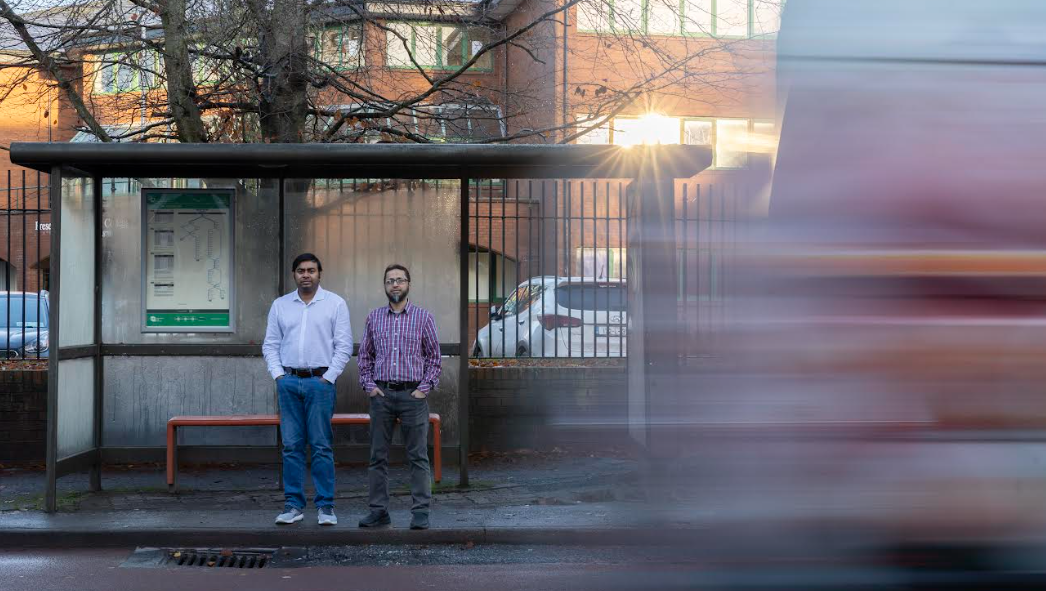
Among the funded initiatives is BEST-IRE, a pioneering project focused on transforming public transport through the integration of battery electric buses into the transport and electricity systems of Ireland. The project will deliver a comprehensive evaluation and strategic roadmap for electric bus implementation, addressing both investment planning and life cycle cost assessement

The project will present methodology to develop a strategic roadmap for battery electric buses in Ireland, guiding investment decisions and assessing long-term costs. It will also develop a smart decision-making tool to support the planning and placement of charging infrastructure, ensuring efficient integration with Ireland’s transport and electricity networks. This includes optimising bus routing, maximising renewable energy use, and maintaining grid stability through advanced modelling.

In addition, the research team plans to create a dynamic transit charge management system to monitor charging patterns and provide local flexibility for enhanced grid management. The project will also assess how electric buses can improve first and last-mile mobility, propose innovative business models for stakeholders in the transport and energy sectors, and recommend policy frameworks that support electric buses and renewable energy integration. Methodology will be implemented at both the urban and rural community levels to ensure broad replicability.

Dr Pádraig Lyons, Head of Group, International Energy Research Centre (IERC) at Tyndall, said: Electrifying an expanding bus fleet is a huge opportunity to decarbonise Ireland’s transport systems and improve the quality of life for people living in urban and rural areas. The BEST-IRE project will develop innovative methodology and tools to address the challenges to infrastructure, associated with this exciting new technology. 

Tyndall Delivers Significant Insights for Ambitious European Space Agency Mission

Tyndall National Institute, based at University College Cork, has wrapped up a multi-year project with ESA, contributing critical expertise to the ambitious Laser Interferometer Space Antenna (LISA) mission.

Scheduled for launch in 2035, LISA will be the first observatory of its kind to detect gravitational waves from space, revealing new insights into the most powerful events in the universe, such as pairs of black holes coming together and merging.

Tyndall’s role focused on evaluating the reliability of commercial photonic components, small but vital parts that will help power LISA’s ultra-precise laser system. These lasers will span millions of kilometres between three spacecraft flying in formation, measuring minuscule changes in distance caused by gravitational waves.

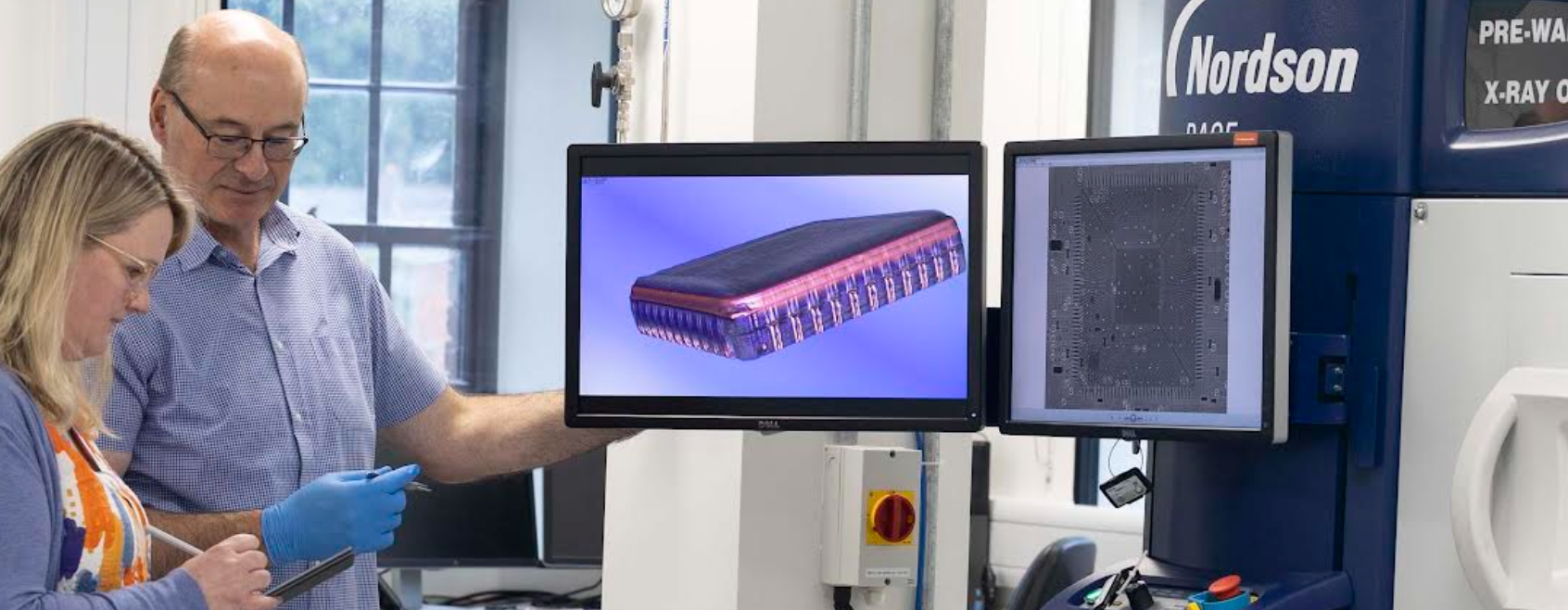
Tyndall conducted long-term reliability testing and detailed construction analysis on a wide range of active and passive photonic devices, including laser diodes, photodiodes, UV LEDs, modulators, switches, isolators, and more. Each component was assessed against ESA’s demanding space standards, with risk levels identified for their potential use in the LISA laser system.

The outcome is a comprehensive dataset that will help ESA make informed decisions about which components to use, ensuring the mission’s laser system performs as intended when deployed.

Finbarr Waldron, Principal Engineer at Tyndall, said: “This project showcases the depth of Tyndall’s expertise in photonics and reliability engineering. Space is a very unforgiving environment, and many commercial photonic components are built using materials that may not be suitable for use in space. Our task was to rigorously test and analyse these components to determine whether or not they could withstand the extreme conditions of launch and long-term operation in space.”