Researchers Use AI to Create Optimized Engine Components That Outperform Human Designs

The gerotor tooth profile is crucial for determining hydraulic system performance in automotive engineering. In a new development, researchers from Pusan National University have leveraged conditional generative adversarial networks for machine learning-driven gerotor profile synthesis and optimization. The novel approach has remarkably produced designs that outperform human efforts and lead to 32% more efficient hydraulic pumps, potentially revolutionizing the automotive industry.

Gerotor pumps for oil circulation and lubrication are crucial components in automotive and hydraulic systems. They possess a compact design, excellent flow rate per rotation, and high suction capability. The gerotor tooth profile plays a significant role in determining the overall performance of hydraulic systems for engine lubrication and automatic transmission. Unfortunately, conventional design methods leverage predefined mathematical curves and iterative adjustments, which compromises their optimization flexibility.

In an innovative breakthrough, a team of researchers from the School of Mechanical Engineering at Pusan National University, led by Professor Chul Kim, has proposed a new design methodology. Their findings were made available online on 10 October 2025 and have been published in Volume 162, Part D of the journal Engineering Applications of Artificial Intelligence on 24 December 2025.

The key point of this study is the use of AI, specifically, a conditional generative adversarial network, as a design tool. Instead of relying on the traditional approach of using predefined mathematical curves, the researchers trained an AI to automatically generate new gerotor profiles. The AI learned from a dataset linking specific, high-performance profile geometries to their actual performance data. This innovation allowed it to understand why certain shapes perform better than others, and then generate new, highly-optimized geometries that substantially outperform traditional designs.

The team demonstrated that their novel AI-generated design exhibits substantial performance gains in simulation validation via computational fluid dynamics. Compared to a traditional ovoid profile, the proposed design achieved a 74.7% reduction in flow irregularity. This means the pump’s output is significantly more stable and consistent. It also shows a 32.3% increase in average flow rate, which indicates better volumetric efficiency, as well as a 53.6% reduction in outlet pressure fluctuation, which directly contributes to quieter operation and reduced vibration.

The most direct real-life applications of the present work are in the automotive industry. The reduction in pressure fluctuation and flow irregularity is highly beneficial here. It can lead to transmission systems that operate more quietly and could potentially improve component reliability by reducing vibration and unstable hydraulic stress. Furthermore, the 32.3% increase in average flow rate allows for more efficient oil circulation throughout the engine. This contributes to better lubrication and cooling of engine components, which is critical for engine durability.

Prof. Kim remarks: “The same principles demonstrated in our study are applicable to various hydraulic pumps used in industrial machinery, where efficiency, low noise, and reliability are important factors, making our technology highly lucrative for real-life adoption.”

In the next 5 to 10 years, methods like this could become a standard tool for engineers. It represents a move toward “inverse design,” where an engineer can specify the desired performance targets, such as “minimize pressure fluctuation,” and the AI assists in generating an optimal geometry to meet those targets. Moreover, this approach can speed up the research and development cycle for complex mechanical components. It allows for the exploration of a much wider design space than is possible through traditional manual iteration.

Crucially, for the public, the adoption of more optimal components can mean the machines we use daily become quieter and more reliable. In the automotive sector, this translates to vehicles with more efficient and durable hydraulic systems like transmissions and oil pumps,” concludes Prof. Kim.

Reference

Title of original paper: Machine learning-driven gerotor profile synthesis and optimization using Conditional Generative Adversarial Networks

Journal: Engineering Applications of Artificial Intelligence

DOI: 10.1016/j.engappai.2025.112604

Image credit: Chul Kim from Pusan National University

Understanding How Suction Pumps Work in Various Applications

Suction pumps are remarkable devices widely employed across different industries for various important functions. Their primary job is to move fluids or slurries by creating a vacuum, allowing atmospheric pressure to push liquid into the pump where it can be transferred to another location. Used in many applications ranging from water supply systems to waste management, the versatility and effectiveness of suction pumps make them invaluable in modern technology. Understanding how these pumps work and their operational applications can help in achieving efficient management of resources, emphasizing the significance of choosing the right type of pump for specific needs.

The Mechanism Behind Suction Pumps

At their core, suction pumps operate on simple physical principles. When the pump is activated, it creates a low-pressure area inside its chamber. This pressure difference causes the ambient atmospheric pressure outside the pump to force the fluid upwards through the inlet line. As the fluid enters the pump, it can be compressed and moved forward through the discharge line. The mechanical energy produced by the pump, often from an electric motor, is crucial in ensuring that the fluid is moved effectively, maintaining a continuous flow necessary for many operations. It’s fascinating how this fundamental technology applies to things we often take for granted, such as our household water supply.

Types of Suction Pumps

Suction pumps come in various forms, tailored for specific tasks. The most common types include centrifugal pumps, positive displacement pumps, and diaphragm pumps. Centrifugal pumps operate by converting rotational energy into kinetic energy, making them ideal for low-viscosity fluids. They are typically used in large-scale applications like municipal water supply systems. On the other hand, positive displacement pumps are designed to move a fixed volume of fluid regardless of the system’s pressure. These pumps are suitable for higher viscosity fluids found in industrial applications. 

Diaphragm pumps utilize a flexible diaphragm to create a vacuum and are often employed in environments where contamination must be avoided. If you’re interested in exploring the capabilities of suction pumps, you can go now to discover the facts you should know about flooded suction pumps. Understanding the unique functions and benefits of each type can help you choose the right suction pump for your specific application, ensuring efficiency, reliability, and optimal performance.

Applications of Suction Pumps in Various Industries

Suction pumps find diverse applications across several key industries. In the construction sector, for instance, they are instrumental in dewatering operations at construction sites, preventing water accumulation that could compromise structural integrity. Environmental remediation also benefits significantly from suction pumps, as they help in extracting pollutants or excess water from contaminated sites. 

In the agricultural industry, pumps are used to facilitate irrigation systems, ensuring crops receive an adequate water supply and improving yield. The healthcare sector relies on suction pumps to remove fluids or gases from patients, aiding in various medical procedures and emergencies, highlighting their critical role in healthcare settings.

When to Choose a Suction Pump

Selecting the appropriate suction pump for a specific task requires understanding several factors. While considering applications, one must assess the type of fluid being handled, the required flow rate, and the pressure conditions of the operation. If moving highly viscous materials, a positive displacement pump may be more effective than a centrifugal pump. 

The operational environment plays a significant role. Pumps designed to handle abrasive materials must have appropriate materials for their construction to enhance longevity. Considering maintenance requirements and initial investment costs is crucial in the decision-making process, as selecting the right pump can significantly influence operational efficiency and longevity.

Maintenance of Suction Pumps

Routine maintenance is crucial in prolonging the lifespan of suction pumps and ensuring optimal performance. Regular checks should include monitoring for wear and tear of seals and bearings, as these components can affect efficiency if left unchecked. Keeping the pump clean and free from debris can prevent clogging, ensuring smooth operation. 

Lubricating moving parts according to manufacturer guidelines helps mitigate friction, enhancing pump functionality. Regularly scheduled maintenance reduces the risk of unexpected failures and maximizes operational efficiency, saving time and money in the long run.

The Future of Suction Pump Technology

As technology progresses, the design and efficiency of suction pumps continue to evolve. Innovations such as smart pumps equipped with IoT (Internet of Things) technology allow for real-time monitoring and adjustments. These advancements enhance performance and provide valuable data for optimizing system use and increasing energy efficiency. Important developments are occurring in areas like energy recovery systems, where pumps are being designed to use captured energy to improve efficiency. As sustainability becomes more critical across industries, suction pump technology is expected to adapt, contributing to more eco-friendly operational practices in diverse applications. 


The importance of understanding suction pumps cannot be overstated. Their multifaceted roles in various sectors underscore their relevance in modern applications. The mechanics behind suction pumps, their different types, and their specific use cases across industries provide insight into their vast capabilities and benefits. Armed with this knowledge, industries can make informed decisions that lead to greater efficiency and effectiveness.

Useful travel gadgets and accessories for holidays and trips in 2025

Need to up your tech game for your trips and holidays well here below is some you might want to check out for the year ahead with the latest tech on the market from cables to watches bluetooth speakers and more there is something for everyone that is also affordable and will make life easier in 2025
Twelve South PlugBug Travel Kit
Price: £79.99 (50w), £129.99 (120w)
Available from Twelve South UK and Apple
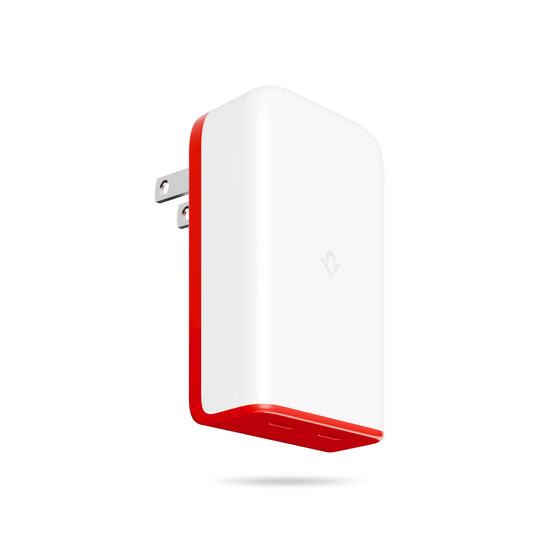
Twelve South’s PlugBug is the first ever USB-C plug with built-in Find My! Travellers will never leave their charger in the hotel or airport lounge again. Simply launch the Find My app on an iPhone so see exactly where it is, even if it’s on the other side of the world. The PlugBug can also act as an AirTag tracker for any bag it’s in, allowing users to find both their bag and charger. Users can even utilise the Notify When Left Behind feature to help ensure it’s not lost in the first place.

It can charge Power Delivery compatible devices much faster than a standard USB-C charger and detects which devices are being charged and delivers the right amount of fast charging power to them. Available in 50W with two ports or 120W with four ports, the Plug Bug also includes EU (Type C) and UK (Type G) interchangeable adaptors.

Folding prongs and ports that are accessible from the bottom of the charger rather than the back, make it easy to plug in to wall outlets in tight spaces, such as behind a sofa or side table. The all new travel version includes adaptors for US, UK, EU, AU KR and CN as well as a handy travel case to keep things organised.

QDOS PowerMotion Ultra 4.0 USB cable
Price: £39.99
Available from QDOS
The new QDOS PowerMotion Ultra USB-C to USB-C cables offer high performance both in terms of power delivery and data transfer. Users can enjoy up to 40Gbps of data transfer, making it the ideal travel accessory for creatives who travel, gaming, and those who want to transfer large files.
What’s more its 100% recycled TPE stepped connector means it’s compatible with all USB-C and high power enabled devices including Macbooks, laptops, smartphones, tablets and more.
Vango Tempest Airbeam pump from Outdoor World Direct
Price: £89.99
Available from Outdoor World Direct
The most intuitive pump for air tents available, the Vango Tempest pump offers easy inflation of any air tent or awning (not just Vango’s), meaning there is no need to carry and work a manual pump. The rechargeable pump simply plugs into the valve and inflates any tent to the correct pressure, offering effortless, fast-pitching when camping. The included attachments mean it can also inflate other gear like airbeds. It also has a deflate function to safely set down the tent. The LED screen features PSI (pressure gauge) and there’s even a USB port so it serves as a powerbank for charging other devices, like phones. What’s more it weighs just 1kg, so doesn’t add to a backpacker’s or festival goer’s load.
Highlander Ben Nevis 52L rucksack from Outdoor World Direct

Price: £99.99

Available in petrol blue for women and grey for men from Outdoor World Direct in March

Ideal for those who love hiking, and embark on multi-day hikes for pleasure or  the Highlander Ben Nevis 52L Rucksack in men’s or women’s from Outdoor World Direct is specially tailored for women’s bodies and designed for comfort.
The adjustable height system and dual webbing on the shoulder and hip straps prevents shoulder pain from long periods of carrying. Hydration bladder compatibility means no need to lift the rucksack off once it’s comfortably in place to drink to stay hydrated.
Large front and side pockets provide easy access and the included rain cover keeps belongings dry in wet conditions. It also features dedicated points for ice axes, walking poles, and a Pole-Park system for more technical hikes.
Highlander Venture Backpack from Outdoor World Direct
Price: £24.99
Available from Outdoor World Direct
This 20L day pack by Highlander is ideal for day trips, whether exploring the mountains or cities. It is also within cabin baggage size guidelines (H48 x W27 x D16cm) and so can make a useful hand luggage option, especially as it’s packed with features.
The main compartment has compression straps for neat packing and hydration bladder compatibility for outdoors activities. A bungee corded front pouch makes handy storage for a helmet or compressing a jacket, while the elasticated side pockets are perfect for a water bottle and umbrella.
Adjustable chest and shoulder straps allow for correct load distribution, preventing aching shoulders.
Groov-e Kidz Headphones – new upgraded version
Price: £17.99
Available from Amazon now and Currys and Robert Dyas in March
New and improved for 2025, these headphones now have a volume limiter switch of 85db or 100db to help protect little ears. Ideal for keeping them entertained on long car journeys or flights, they can be used wirelessly via Bluetooth or with the included 3.5mm cable (so compatible with in-flight entertainment).
The integrated mic is ideal for catching up with friends or gaming online. The generous 20-hours playback, adjustable headband and soft, padded ear cups make them ideal for long durations. When they’ve finished listening, the Kidz fold down to a compact size for storage or transportation.

Styletech Portable LED Speaker

Price: £19.99

Available from Very

This affordable, compact Bluetooth speaker is ideal for enjoying music and more when travelling. Enjoy up to 11 hours playback and punchy sound from the 5w speaker, while the 11 RGB animated light options on the LED ring – including 5 static colours and 6 animated – are perfect for setting the mood, or turn them off entirely.
Integrated buttons mean controlling playback can easily be done on the speaker, as well as from the connected device. Standing just 105mm tall and with a handy carry loop, it’s the perfect speaker for holidays and adventures.
Maxcom Gold and Silver 2

RRP: £79.99

Available from Amazon in gold and silver

Maxcom Gold and Maxcom Silver 2 smartwatches combine a classic look with advanced technology for managing life on the go. Designed to look and feel like a stunning piece of jewellery, perfect for dinners out when on holiday, its round stainless steel body and shiny gold or silver bracelet accessories any outfit perfectly.

The watches are ideal for travel; make calls and texts, check the local weather and receive important notifications on the go, as well as track steps and outdoor activities. They also continually measure pulse and blood pressure and analyse sleep quality, suggest breathing exercises, measure stress and mood and send reminders to stay hydrated.

Dedicated female focussed features allow women to track their menstrual cycle, fertile periods and pregnancy. A versatile fitness trainer, it also counts calories burned, distance travelled and supports over 70 sports disciplines.

The 1.2-inch AMOLED touch screen is bright and easy to read. Always-On-Display mode allows users to display the time on a blank screen, giving it the feel of a traditional watch. Users can choose from unique, original dials or from over 100 free watch faces that are available in the app. Its efficient battery lasts for up to seven days without charging.

Maxcom FW66 IronR review

Groov-e Triton
RRP: £20
Available from Groov-e, Moto motorway services, House of FraserSports DirectAmazon

Ideal for keeping your devices charged on the go, Groov-e Triton is a folding 3-in-1 portable magnetic wireless charger. Compact and no bigger than a post-it note when folded, it fits easily in a handbag, backpack or carry-on bag, meaning users don’t need to take multiple cables or chargers with them.

When unfolded, it has three separate Qi wireless charging pads that lay flat to provide power to multiple compatible devices. Whether that’s an Android or Apple mobile device, Apple Watch, AirPods or wireless earphones, users can charge them at the same time. Triton can also be folded into a rigid stand, allowing users to watch videos or take calls whilst charging.

How Do Modern Heat Pumps Work?

The idea behind modern heat pumps is pretty straightforward – they move heat around to heat or cool down the interior of buildings. The idea is not new, in fact, heat pumps were invented in the 1800s and have been used in homes since the 1960s. 

However, in the past few decades, the modern heat pump has become a popular home appliance, perhaps brought into the limelight by recent clean energy incentives, with the potential for climate benefits and cost savings. Nonetheless, no matter what their benefits might be, the inner workings of a heat pump are quite fascinating. 

So, how do modern heat pumps work? Well, in this article, we’ll delve deep into the inner workings of a heat pump to help you understand what makes them tick. 

Understanding the Basics

At its core, a heat pump works by transferring heat from one location to another, rather than generating heat through combustion like conventional furnaces or boilers. According to Chill Cooler, this process is facilitated by a refrigerant, a fluid with properties that allow it to absorb and release heat efficiently. 

By circulating the refrigerant through a closed loop system comprising indoor and outdoor components, heat pumps can extract heat from the surrounding environment and transfer it indoors during colder months, and vice versa during warmer months for cooling.

Imagine you’re at home on a chilly winter day, sitting on the couch watching Netflix. You look at the thermostat and decide to bump up the heat a little bit. As soon as you increase the temperature, the heat pump springs into action – the compressor and fan speed up, and the refrigerant starts moving faster to get more heat from the outside to the inside. 

It might seem counterintuitive to get heat from the outside while it’s cold, so let’s look at how the process works. 

Components of a Heat Pump System

Modern heat pump systems typically consist of three main components:

Outdoor Unit (Condenser): The outdoor unit houses the compressor, which pressurizes the refrigerant, and the condenser coil, which facilitates heat exchange with the outdoor air. In heating mode, the refrigerant extracts heat from the ambient air and becomes a hot, high-pressure gas.

Indoor Unit (Evaporator): Connected to the outdoor unit by refrigerant lines, the indoor unit contains the evaporator coil, where the hot refrigerant releases its heat to warm the indoor space. The fan within the indoor unit then circulates the warmed air throughout the home.

Refrigerant Lines: These lines carry the refrigerant between the indoor and outdoor units, facilitating the heat exchange process. The refrigerant undergoes phase changes from liquid to gas and back to liquid as it absorbs and releases heat, enabling efficient heat transfer.

How the Refrigerant Flows

The refrigerant used in commercial heat pumps has a very low boiling point, usually below -25 °C. This means that at the start of the process, the refrigerant is about that temperature, in liquid form. Even in the coldest of places, the refrigerant is usually considerably colder than the outside air. 

First, the refrigerant flows through a heat exchanger, where it meets the outside air and warms enough to start boiling. This changes it from a liquid to a gas. It then goes through a compressor, where it is squeezed into a smaller volume to increase its boiling point and pressure. This also raises its temperature. By the time it’s getting out of the compressor, it’s much warmer than the indoor air. 

In the next stage, it flows into another heat exchanger. At this point, it’s a warm gas flowing past a relatively cold room. It transfers some of its heat into the room with the help of fans, and it starts turning back into a liquid. 

In the final stage, the liquid refrigerant goes through an expansion valve, releasing its pressure. Expanding it helps it to cool down again so that it returns to a low temperature and low-pressure state, where it’s ready to absorb heat from the outside and start the process all over again. 

Reversible Heating and Cooling Modes

One of the key advantages of heat pumps is their ability to provide both heating and cooling functions through reversible operation,  added Taylor’s, who are offering heat pump service.

By simply reversing the flow of refrigerant, a heat pump can extract heat from the indoor air and expel it outdoors to cool the space during warmer months. This dual functionality makes heat pumps a versatile solution for year-round comfort, eliminating the need for separate heating and cooling systems and reducing energy consumption.

Efficiency and Environmental Benefits

Modern improvements in the various core components of heat pumps have helped boost their performance and efficiency and ensure low environmental impact. For instance, the refrigerants used in heat pumps have seen major improvements, and freon (R-22) which previously dominated the industry, has been phased out. 

A mixture of chemicals known as R-410A are now the widely used refrigerants. They are significantly less harmful to the environment, and have a lower boiling point than freon, meaning they can absorb more heat at much lower temperatures, which boosts the efficiency of heat pumps. 

Additionally, because they do not rely on fossil fuels for heat generation, heat pumps produce fewer greenhouse gas emissions and contribute to reducing carbon footprints, making them a sustainable choice for environmentally conscious homeowners.