If you’ve spent any time wandering through the quiet, prestigious streets of Mayfair, you know that the atmosphere of a high-end gaming room is nearly impossible to bottle. It’s the sound of a shuffled deck, the weighted click of a chip, and that unspoken nod between a dealer and a regular. For a long time, the digital world simply couldn’t compete with that. But things have shifted. We’ve moved far beyond the clunky, cartoonish graphics of the early internet. Today, the tech driving live entertainment is doing something quite remarkable: it’s making the screen disappear.
While 4K streaming is certainly a treat for the eyes, the most significant change isn’t found in pixel counts alone—it’s in the depth of the immersion. With the integration of Augmented Reality (AR), you’re no longer just looking at a video feed of a table. You’re seeing digital overlays that track every card movement and betting pattern in real-time. It’s a bit surreal, honestly. You might be sitting on your sofa, but the visual data makes the game feel more transparent than ever.
Bridging the Gap to the Physical Floor
I’ve often wondered if a digital interface could ever truly replicate the “soul” of a physical club. Interestingly, advances in live dealer casino technology are often compared to the experience offered in physical venues across Mayfair, specifically in how they prioritize the human element. The dealers aren’t just there to flip cards; they are trained entertainers and facilitators.
High-speed, low-latency 5G has been the real hero here. Without it, the “live” part of the experience would be a stuttering mess. Now, the interaction is instantaneous. When you ask a question or place a late bet, the response is immediate. This lack of lag creates a kind of psychological bridge. Before you know it, your brain stops treating the screen like a “game” and starts treating the whole thing like a genuine event. It’s a strange shift. This seamlessness happens because of several layers of tech humming away in the background—stuff you’d never notice unless it broke.
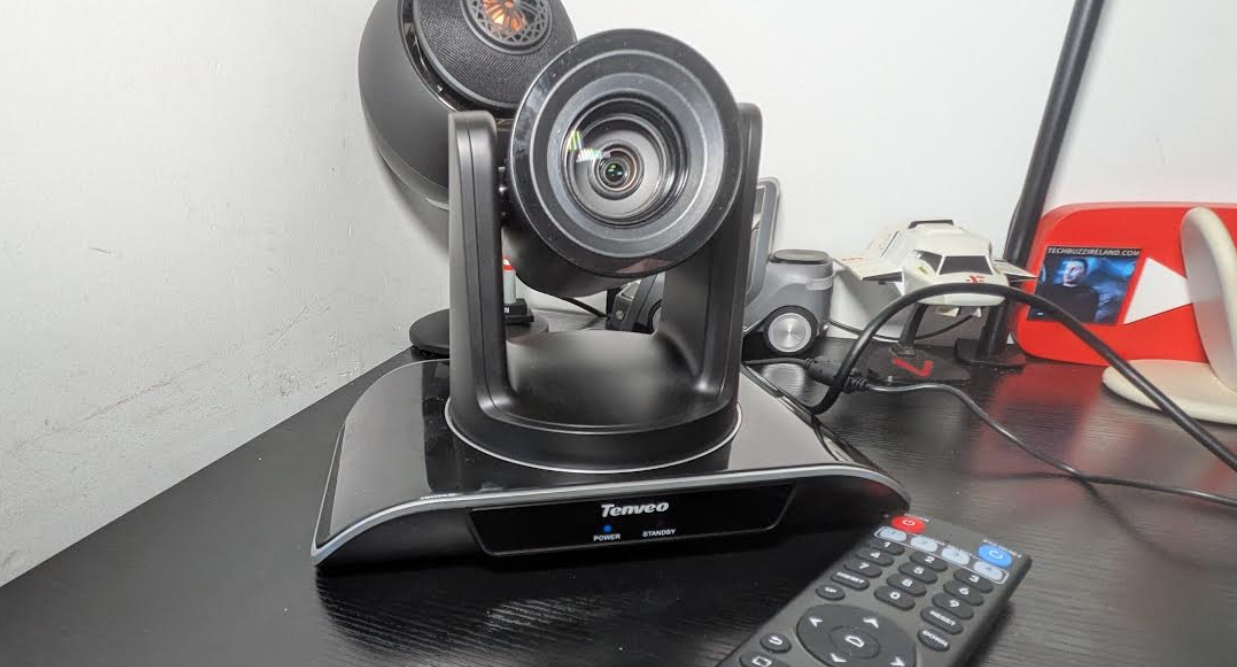
Take Optical Camera Recognition, for instance. It’s basically the “eyes” of the operation, instantly translating a physical card shuffle into digital data. Then you have the cinematography. It isn’t just a static webcam anymore; automated cameras now pivot and zoom based on where the action is, much like how your own eyes would dart around a table in a real room. Some setups are even experimenting with haptic feedback, where your phone gives a tiny, tactile buzz to mimic the vibration of a roulette ball hitting the pocket. It sounds small, but those little touches really pull you in.
Why It Matters Beyond the Fun
It isn’t all just bells and whistles, though. I’ve noticed that as the tech gets more sophisticated, the people running the show have to be more responsible, too. It’s a bit of a double-edged sword. There’s a lot of talk about how AI monitors these games now. While that sounds a bit “Big Brother,” it’s actually there to spot patterns of risky behavior that a human eye might miss. I think it’s a positive step.
It’s how regulations drive responsible online casino gaming that really defines the current era. By using data to ensure players are staying within their limits, the industry is trying to prove it can be both high-tech and high-standard. It’s about longevity, not just a quick thrill.
What do you think about this digital shift? Does the convenience of a high-tech live stream ever truly beat the feeling of a night out in a classic London venue, or is the technology finally getting close enough to call it a draw? I’d love to hear your thoughts on whether you prefer the haptic buzz of a phone or the weight of a premium gaming chip.