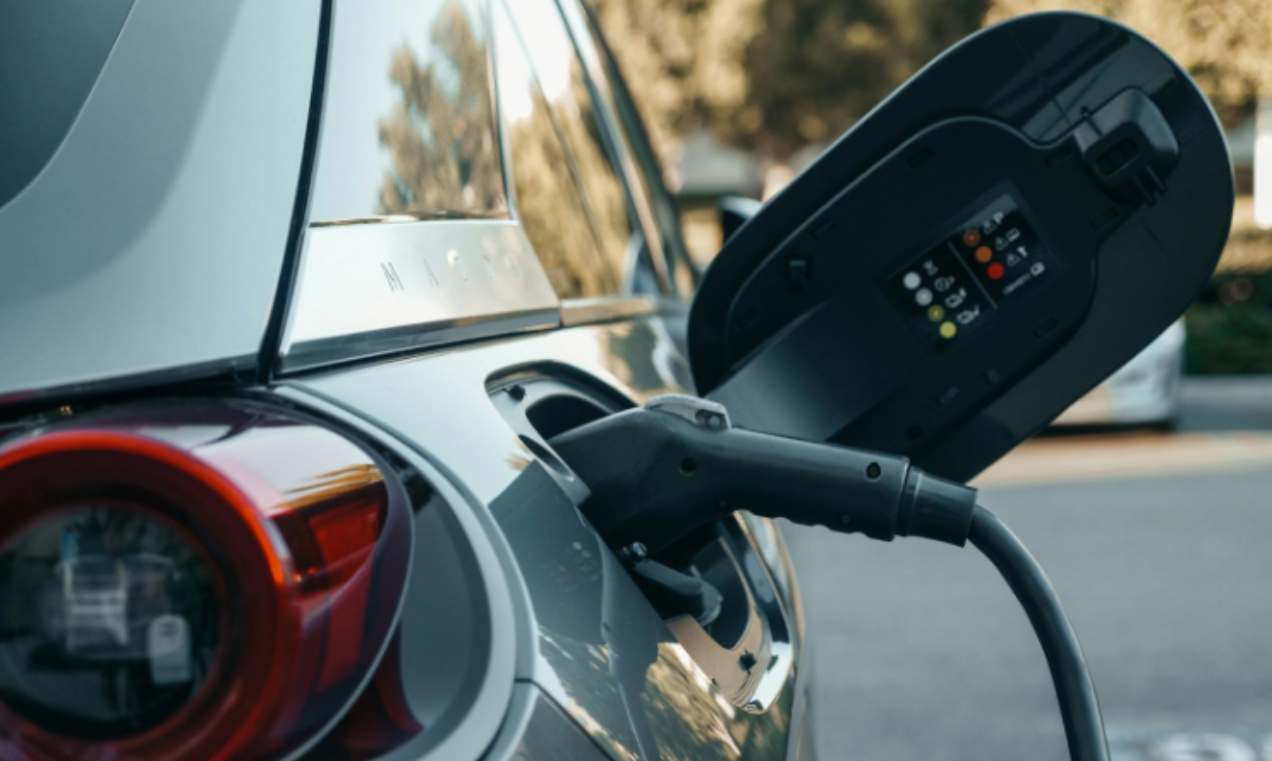
Electric vehicles (EVs) are rapidly becoming part of everyday transportation. As more drivers consider making the switch, understanding how these vehicles are charged is a key part of the transition. EV chargers come in several forms, each with different technical specifications and use cases. Whether at home, work, or on the road, charging infrastructure plays a crucial role in the practical usability of electric cars.
Knowing which charger fits a particular scenario can help owners save time, manage energy costs, and improve their driving experience. While the differences between charger types may appear technical at first glance, a closer look reveals practical distinctions that influence charging speed, convenience, and compatibility. From basic residential units to powerful public charging stations, each type offers a unique approach to keeping an electric car ready for the road.
A Starting Point for Home Use
Level 1 chargers are the simplest and most accessible charging solution available. These use a standard household outlet, typically delivering around 120 volts. For drivers who don’t travel long distances each day, Level 1 charging can be sufficient. This method usually adds about 3 to 5 miles of range per hour, which works well for overnight charging.
Although the charging rate is slow, there are benefits to this low-voltage system. It requires no additional installation, making it cost-effective and easy to begin using immediately after purchasing a vehicle. Many automakers include a Level 1 charger with the vehicle. While it’s not suitable for everyone, especially those with longer commutes or irregular schedules, it provides a reliable backup or secondary charging option.
Common in Homes and Public Spaces
Level 2 chargers operate on a 240-volt power source and offer a significant improvement in speed over Level 1 options. These chargers are often installed in residential garages or at commercial properties where vehicles remain parked for longer periods. Charging speeds vary depending on the amperage and can generally range from 15 to 30 miles of range per hour.
Installation of a Level 2 unit often requires a dedicated circuit and professional electrical work. Many homeowners opt to upgrade their setup to enjoy faster charging at home. These chargers appear in public parking areas, office complexes, and shopping centers. Their balance of speed and accessibility makes them an ideal choice for daily use and supports the driving patterns of a wide range of users.
Charging Networks and Public Infrastructure
Public charging stations offer convenience to those who drive long distances or do not have access to home charging. These networks are expanding rapidly to keep pace with EV adoption. Charging stations vary widely in terms of power delivery, availability, and access. Some are part of subscription-based networks, while others are pay-as-you-go or free to use.
Retailers, municipalities, and highway service areas are integrating charging infrastructure to support travelers. In urban areas, public chargers are essential for residents who park on the street or in shared facilities. The availability of public charging stations can influence where people choose to live, shop, and work, making their placement an increasingly strategic consideration for city planners and businesses alike.
Fast Charging and the Role of DC Technology
Fast charging is essential for drivers who need to get back on the road quickly. Unlike Level 1 and Level 2 systems, which rely on alternating current (AC), fast chargers use direct current (DC) to send power directly to the battery. This reduces the time needed for a substantial recharge. DC fast chargers are most commonly found along highways and at major transportation hubs.
The speed of a fast charger depends on the vehicle’s capacity and the charger’s output, but it can often provide an 80 percent charge in less than 30 minutes. That makes them ideal for road trips or busy drivers who can’t leave their car plugged in for hours. Many electric vehicle manufacturers and third-party providers are investing in these systems to reduce range anxiety and make EVs a more practical choice for every type of driver. In many modern networks, the level 3 DC fast charger plays a central role, capable of delivering power at a rate much higher than other systems. Positioned strategically along travel corridors and within high-traffic areas, these chargers allow electric vehicle users to plan longer journeys with confidence. While not typically used for daily home charging, their speed and efficiency make them a necessary part of the broader charging ecosystem.
Compatibility and Connector Types
Compatibility between vehicles and chargers depends on connector types and onboard charging capacity. Most EVs in North America use the SAE J1772 connector for Level 1 and Level 2 charging. Tesla vehicles have proprietary connectors and offer adapters for other systems. For DC fast charging, common connector standards include CHAdeMO, CCS (Combined Charging System), and Tesla’s Supercharger plug.
The type of connector affects where and how a driver can charge. Newer vehicles tend to support faster charging and come with more flexible options. Understanding these variations can prevent confusion and save time, especially when using public charging stations. Some apps and navigation systems include filter tools that show compatible chargers based on the car model, simplifying the experience.
Smart Chargers and Energy Management
Advancements in charging technology are introducing smarter energy use. Many Level 2 chargers now come equipped with Wi-Fi or Bluetooth connectivity, allowing users to schedule charging during off-peak hours or monitor progress remotely. These features offer cost-saving opportunities by taking advantage of lower electricity rates.
Utilities in some regions offer incentives for smart charger installation, recognizing their value in managing grid demand. Businesses and property managers benefit from monitoring tools, which provide insights into charger usage, energy consumption, and maintenance needs. These upgrades support a more efficient use of resources and prepare infrastructure for a growing EV population.
A thorough understanding of EV charging options helps drivers make informed decisions based on their routines and needs. From the simplicity of Level 1 systems to the high-speed capabilities of Level 3 fast chargers, each solution plays a part in supporting electric mobility. As the industry continues to grow, improvements in convenience, compatibility, and infrastructure will guide the way forward for both new and experienced EV owners.