World’s first virtual hospital – Cisco, University of Galway

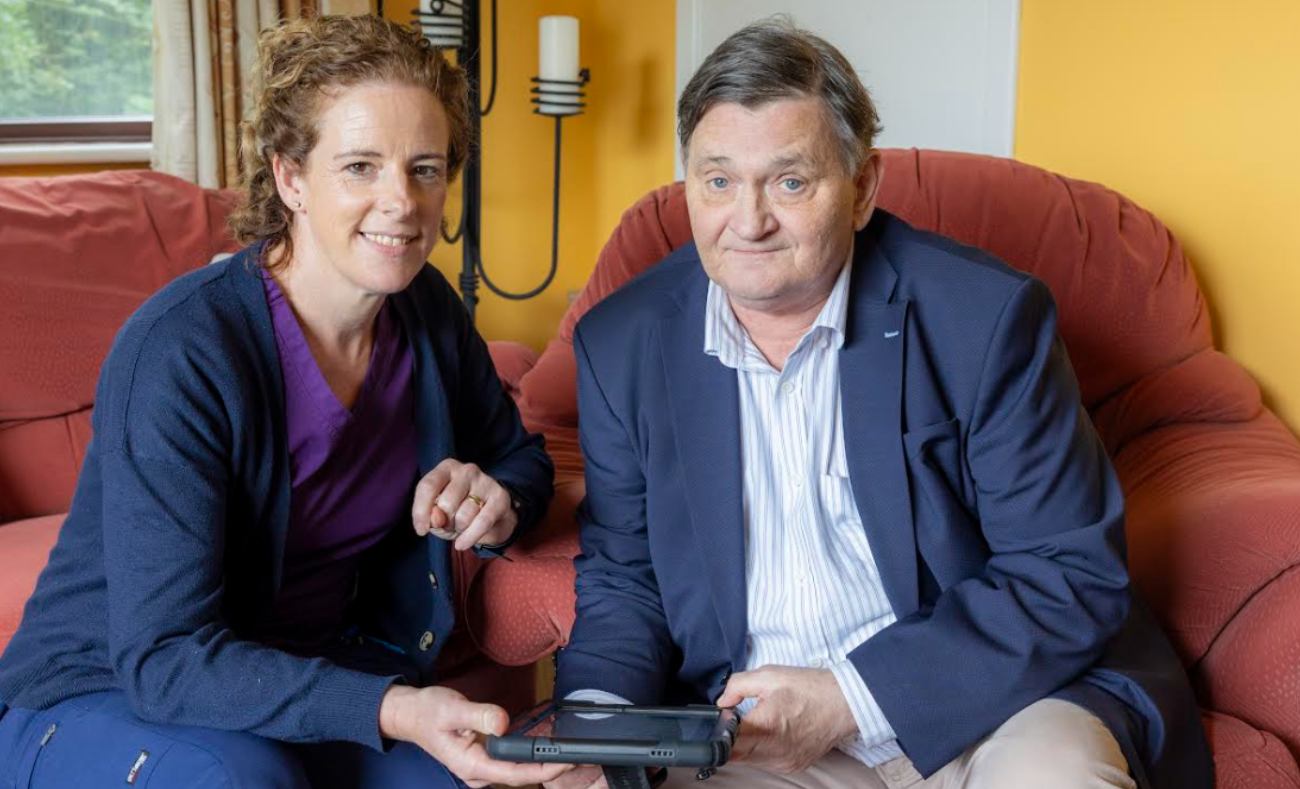
Cisco, the worldwide leader in networking and security, has announced a joint initiative with the University of Galway and CÚRAM, SFI Research Centre for Medical Devices in Ireland, to create a research framework for the world’s first ‘Virtual Hospital’, serving patients with diverse conditions at every stage of their healthcare needs.

As part of the Cisco Country Digital Acceleration (CDA) programme, the initiative, which is already in pilot, is aligned to the ambitions of Ireland’s 10-year health and social care reform Sláintecare, to avoid unnecessary hospital admission and support patients at home.

Greater patient power

The objectives of this initiative, powered by Cisco technology, are to help increase access to services, convenience, and improve outcomes for patients. It will also seek to provide patients the ability to play an active role in their own recovery. The virtual platforms are designed to mean patients will not only be able to monitor their progress, but also provide patients direct access to educational materials, and the ability to participate in the decision-making process with their healthcare providers.

Unlike other initiatives around the world which deliver individual speciality virtual wards, this initiative brings together multiple clinical areas and stages of treatment to provide seamless care. These include community virtual care pathways for enhanced monitoring of chronic conditions such as COPD to enable admission avoidance. In addition, it is enabling virtual outpatient clinics for remote appointments with integrated multiparameter diagnostics.

Delivering virtual care

Cisco technologies, including networking, cybersecurity, Webex devices and application visibility solutions, are delivering mission critical digital infrastructure to power operations, connecting patients with their healthcare providers, wherever they may be, and ensuring reliable mobile data connectivity for seamless virtual care.

Underpinned by Cisco networking infrastructure, myPatientSpace and patientMpower mobile health apps provide the virtual hospital’s digital platform that helps patients track key health metrics and monitor symptoms from home. Clinician’s will connect to real-time dashboards that display information on a patient’s condition, alerting medical professionals to changes so they can detect deterioration early and deliver timely care.

Initial feedback from patients during the setup of the initiative has been highly positive with comments including: “you’re not having to travel to go to a consultant, and they can do it from their office as well… you have the GP on it, and another doctor too. For me, that’s a complete positive”; “all my information from the monitoring was there in front of me on the screen. I found it all very useful, and in some way better than in person.”

The University of Galway HIVE Lab has developed a range of digital care solutions for local patients in this groundbreaking study, enabled by Cisco technology such as Webex integrated Virtual Consultations. The initiative is using innovative AI technology such as dynamic appointments where patients with chronic diseases are automatically triaged to an appropriate outpatient clinic slot based on their clinical need (e.g. Blood Pressure, HbA1c values). In addition, the HIVE lab has developed smartphone-based software that uses AI enabled cameras to help monitor patients’ rehabilitation exercises to ensure that they are doing them in the way their physiotherapists prescribed to aid rapid recovery from operations.

Reduced workload and financial pressure

The virtual hospital research initiative is leading the way in tackling rising pressure on Ireland’s health system, particularly its funding and staffing needs. It will aim to prove a framework that could contribute to the lightening the workload of healthcare professionals thereby increasing staff retention, while minimising operational costs and optimising the use of healthcare resources.

According to the National Institute for Health and Care Excellence (NICE) in the UK, early value assessment study on virtual ward platform technologies demonstrated their cost-effectiveness, with an estimated £872 (€1,020) saving per person compared with inpatient care and by £115 (€135) per person compared with care at home without a virtual ward.

To date, in the initial setup stage of the project in Ireland, approximately 350 ‘bed days’ have been saved by patients who have been supported at home via a COPD virtual care pathway as part of this project work.

Quotes:

Professor Derek O’Keeffe, Project Principal Investigator, Professor of Medical Device Technology at the College of Medicine, Nursing and Health Sciences at University of Galway, said: “This research project offers an innovative virtual solution to a real global healthcare problem. It will explore new ways of providing care to our patients using next generation technology and new clinical pathways to improve health and economic outcomes”.

Brian Jordan, Country Digital Acceleration Lead, Cisco Ireland, said: “Digital technology is critical to the future of healthcare and is capable of extending care well beyond hospital walls, right into patients’ homes and in the heart of their local community. Cisco is proud to be supporting this ground-breaking 360° care delivery model that aims to streamline processes, alleviate staff workload, and reduce financial pressures on public healthcare services.”

Commenting on the significance of the initiative, CÚRAM Director, Professor Abhay Pandit, said: “This project is one of the largest industry collaborations our centre has supported to date. It is an excellent example of the impact that collaborations between CÚRAM and industry can have on local communities and society at wide.”

Reaching more patients

The initiative expects to support hundreds of patients across the Diabetes, Chronic Obstructive Pulmonary Disease (COPD) and Heart Failure and Atrial Fibrillation virtual care pathways in the Galway region. With the development and rollout of virtual outpatient clinics this is expected to extend to thousands of patients next year.

Remote digital solutions

This latest project builds on other pilot digital healthcare studies supported by Cisco in remote parts of Ireland. Enabled by its CDA programme, this includes the Home Health project in Clare Island, home to an aging population of 160 residents and challenged by extreme weather conditions. Care solutions in the Home Health project include smart wearables to track vital signs; drones to fly in prescriptions; virtual reality headsets to deliver training for nurses; and a robotic dog to triage emergency health issues.

How Technology is helping TUH during the COVID-19 Pandemic #TUH #COVID19Ireland

In recent weeks Tallaght University Hospital has introduced numerous new digital solutions to assist patient care and also enable patients and their families keep in touch during the COVID-19 pandemic. New technology combined with existing innovation has been put in place to support hospital staff communicating with colleagues in order to efficiently treat and diagnose patients as well as helping them provide support for community settings such as hospices and nursing homes.

Speaking about the impact COVID-19 is having on patients and staff, David Wall, Director of ICT at TUH said, “Last December the Hospital launched a five year strategy with a heavy emphasis on Digital Enabled Care, we did not realise that we would be introducing so many elements of that care within a few weeks. With the support of an incredible team of ICT, medical, nursing and Health and Social Care Professional staff the Hospital has been able to introduce a number of new innovations in the Hospital very quickly. The use of this technology is proving to be critical in supporting our response to patients’ needs during this challenging time.  Combined with technology already in use in the Hospital, over the last number of weeks we have been enabling safe and efficient communication between colleagues as well as patients and their families.  Advances in ICT at TUH have facilitated a number of ‘firsts’ for the Hospital including an online interactive lecture series using Zoom, medical teams being able to consult with colleagues using wearable cameras, remote monitoring and virtual visiting.”

Donations from companies, volunteer groups such as Covid4comfort.org and gift cards from Amazon have helped TUH enhance the technology being used in the Hospital.  In ICU and Theatre, Echo Show devices enable two-way video calling so clinicians can consult with team members on video, rather than in person therefore reducing the level of foot traffic into a restricted area. The Hospital is also trialling voice activated, hands free devices that will also enabling communication between patients and their families over Skype.

Commenting on the assisted technology, Prof Paul Ridgway, Consultant Surgeon and Perioperative Director at TUH said, “The smart speaker technology enables our carers to more effectively communicate masked-face to masked-face. I have been very impressed how using Alexa has facilitated very effective staff to staff communications, reducing the need to enter areas where PPE is required saving both time and stock of PPE.”

Redzinc, an Irish based technology company have also donated five pairs of video glasses to TUH for six months. The wearable, point of view, wireless headsets are enabling medical teams to interact with each other in real time in order to diagnose and treat patients.

Dr. Peter Lavin, Consultant Nephrologist and Clinical Director of the Medical Directorate of TUH said, “The Redzinc glasses have been extremely useful and enable us to step into a clinical situation as if we were there. We are using them in theatre, the ED and ICU and they are helping us to reduce footfall into critical areas with vulnerable patients.”

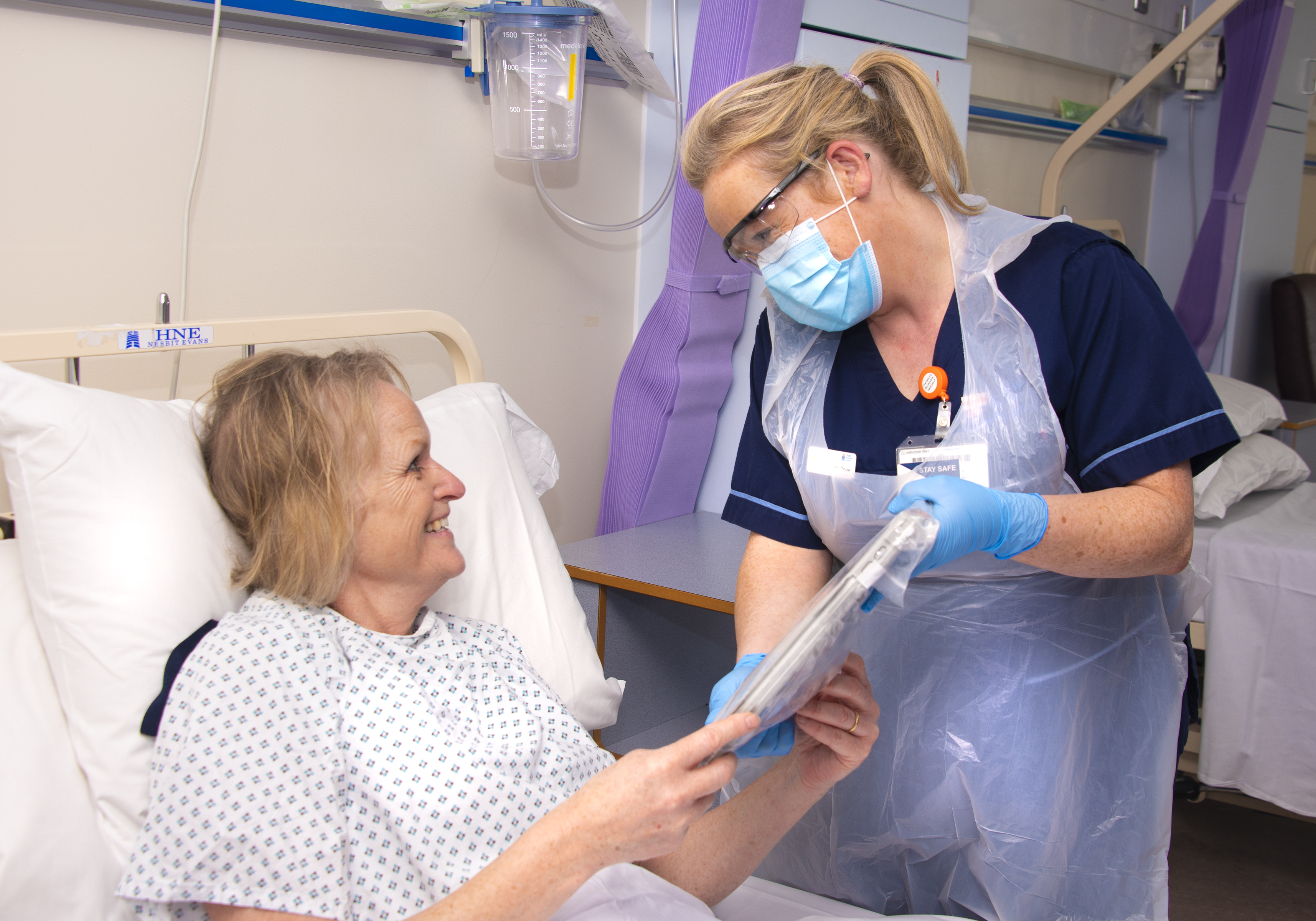
IPad’s been placed on all wards to help patients keep in contact with family and friends at a time when visiting is restricted in the Hospital. The iPads are housed in c leanable, healthcare compliant cases and have been set up with Skype, Facetime and Google Hangout.

Áine Lynch, Director of Nursing at TUH said, “Maintaining a human connection with friends and family is vitally important for our patients and their loved ones. In the absence of face to face visiting, virtual connection has become so important. The nursing staff are helping patients use the technology so they can see as much of their families and friends as possible during this time.”

As one of the two main teaching hospitals of Trinity College Dublin, the hospital specialises in the training and development of staff in the community and so Age-Related Healthcare at TUH have collaborated with the All-Ireland Institute of Hospice and Palliative Care to deliver an interactive virtual lecture series for nursing home staff to update them on changing guidelines and provide clinical education in order to enhance care. Four lectures have been delivered to date with an average of between 300 and 600 participants. Participants can submit questions in real time and themes are identified and answered by panellists.

Speaking about the innovative lecture series, Dr. Dan Ryan, Consultant Geriatrician at TUH said, “We have made the series as interactive as possible and the majority of the hour is dedicated to an open Q&A to provide a platform for answering practical questions that arise from staff. Nursing homes have traditionally been geographically cut-off from centres of learning and this current COVID crisis has exposed a historical lack of education investment provided to care homes”.

Other panellists have included TUH Consultants; Dr. John Cullen, Respiratory Consultant, Dr. Anna Rose Prior, Microbiologist, Prof. Sean Kennelly, Geriatrician with frequent panellist attendance from Dr. Stephen Higgins and Dr. Cliona Lorton, Palliative Care Consultants at TUH and Our Lady’s Hospice along with Claire Noonan, Advanced Nurse Practitioner in Older Persons at TUH.

The Hospital Robot Doctor, LUCY, has continued to provide invaluable help during ward rounds to support staff and patients during the pandemic. To help support staff, a number of which are now working in locations outside of the Hospital or redeployed within the Hospital, a staff app has been developed to ensure they are kept up to date with hospital news. Pastoral Care have also launched a video service, “Chat with the Chaplain” enabling chaplains to virtually visit patients and can be access through mobile phone or email.

During this Pandemic, the Hospital is also supporting the care of over 1,000 residents in 14 local nursing homes.  This sector has been particularly severely impacted by the COVID-19 pandemic and the TUH specialist team to support these services has used technology to facilitate communication and clinical review. Prof Sean Kennelly, Consultant Geriatrician at TUH said “Unfortunately nursing homes have been disproportionately impacted by COVID-19, with many residents becoming unwell. We have developed a telehealth outreach service for general practitioners and directors of nursing to our local residential care facilities, including video-consultations to support care in place. The multidisciplinary team has managed over 400 contacts in the last six-weeks, and this link to a specialist service has been essential in supporting these care facilities during a very challenging time.”