Nokia today announced that it has signed a contract with Danish global integrated logistics leader, Maersk, to equip 450 vessels in its fleet with Nokia’s industry-leading private wireless network solutions. This important deployment is part of Maersk’s IoT connectivity platform, OneWireless, which offers numerous benefits to its customers, including real-time cargo tracking, enhanced supply chain visibility, and improved operational efficiency.
The evolving environment of logistics and maritime operations is uniquely complex and highly mobile, requiring resilient and flexible technology for real-time asset tracking and positioning. By transitioning to Nokia’s private wireless technology, Maersk will overcome the challenges of its current infrastructure onboard both its own and chartered vessels and gain access to increased scalability and future-proof connectivity.
The new unified mobile network powered by Nokia’s radio portfolio is designed to support numerous IoT devices and secure interoperability between private and public networks, ensuring Maersk customers’ cargo is reliably monitored at sea, port, or land. This is especially important for tracking parameters such as temperature and humidity for fruit and other perishables.
“With our next-generation connectivity platform, we will be able to offer our customers notable benefits, including real-time cargo tracking, enhanced supply chain visibility, and improved operational efficiency. This platform is designed to support thousands of IoT devices, ensuring optimal performance for reefer tracking and fleet IoT,” says Kjeld Dittmann, Head of Vessel & Cargo Connectivity at Maersk.
“Nokia’s technology leadership in private wireless goes far beyond just connectivity, as demonstrated by this major new contract with Maersk. Our Radio Access portfolio and MantaRay network management solution will deliver reliable, real-time, and future-ready mobile networks that will optimize Maersk’s marine operations. We look forward to working collaboratively with them on this important project,” said Tommi Uitto, President of Mobile Networks at Nokia.
The solution leverages Nokia’s small cells portfolio, including Nokia Shikra Remote Radio Heads (RRH) and compact baseband, along with custom-designed antennas. Each vessel has a small core connected to the radio, utilizing satellite communication for backhaul. Additionally, Nokia’s intelligent network management system, MantaRay NM, located in Maersk’s operations center, provides a consolidated network view for optimal monitoring and management.
The deployment is underway and is expected to be completed in the first quarter of 2026.
Multimedia, technical information, and related news
Circet, a European leader in telecommunications infrastructure services, has improved safety, reduced emissions and cut operational costs by adopting a fully integrated telematics solution from Geotab Inc. (“Geotab”) and Lytx® Inc. (“Lytx”). In just three months, Circet and Geotab partnered to connect 3,000 vehicles across Circet’s mixed fleet in Ireland and the UK, representing the biggest deployment of its kind in such a short installation window.
Circet’s fleet, which includes diesel and electric light and heavy commercial vehicles, required a solution capable of handling wide variability in makes, models and drivetrains. The combination of Geotab’s global telematics data platform integrated deeply with the Lytx Surfsight™ video safety platform has given the Circet operations team full visibility into its entire fleet, delivering immediate impact.
Within the first three months of this year, Circet recorded a 16% improvement in its company-wide driver safety score. Key safety metrics such as harsh braking, acceleration and cornering all improved, contributing to an average driver score 42% better than industry benchmarks. These improvements are largely due to the use of Geotab’s Driver Safety Scorecard and near real-time driver feedback from the Lytx Surfsight dash cams, which alert drivers to risky behaviours and send incidents to the operations team for review.
Fuel efficiency has also improved. Circet’s diesel vehicles are now operating at an average efficiency of 10 litres per 100 kilometres, 10% better than peer group leaders. Circet’s transition to electric vehicles is delivering further savings. Over the first three months of 2025, electric vehicles (EVs) accounted for 3% of total fleet trips, covering more than 263,000 miles (424,000 kilometres). According to Geotab’s Electric Vehicle Suitability Assessment (EVSA), Circet stands to save approximately €450,000 annually by expanding its electric fleet and swapping ICE vehicles for EV where appropriate.
Based on results across all vehicle types so far this year, the Geotab and Lytx Surfsight solution could deliver over €2.7 million in fuel savings each year.
Ray Verschoyle, Head of Transport Compliance at Circet said: “The combined Geotab and Lytx Surfsight solution has transformed how we manage our fleet. We now have the data we need to improve safety, cut fuel use, lower maintenance costs and operate more sustainably. Their focus on innovation and ability to integrate with our systems made them the perfect partners for our needs.”
Aaron Jarvis, Associate Vice President, EMEA at Geotab, added; “Circet chose Geotab because we offer more than just an off-the-shelf solution. Our continuous investment in product development, combined with strong local service and support, gave them confidence in our long-term value. Our partnership with Lytx allows us to deliver fully integrated safety solutions, and our open platform meant we could align closely with Circet’s internal systems and processes. It’s another example of how Geotab’s ecosystem can support a customer’s needs today while future-proofing business operations.”
Deep integration to meet sustainability goals
The Circet deployment includes Geotab telematics devices and Lytx Surfsight dash cameras with road-facing lenses, and the option of driver-facing ones, too. This hardware is backed by software integration with the Geotab platform, allowing Circet to unify vehicle tracking, video footage and safety data in one system. The rollout was supported directly by Geotab’s local project team, who provided in-person training and implementation support to ensure a smooth transition.
Geotab’s data also supports Circet’s sustainability goals. The company is using Geotab’s certified Scope 1 emissions calculation tools to track fuel consumption and emissions reductions across both diesel and electric vehicles. This structured, data-driven approach is essential as Circet prepares for stricter ESG reporting requirements under EU legislation. With EV driving requiring different skills from traditional combustion vehicles, Circet has used Geotab data to inform driver training, aiming to extend EV range and reduce charging demand. This in turn helps lower Scope 2 emissions and manage charging infrastructure more efficiently.
With these results in safety, efficiency, and emissions reduction, Circet is already seeing a return on its investment. The integrated Geotab and Lytx Surfsight solution is not only improving current operations but also positioning the company for long-term compliance, cost control and growth as it shifts to a low-emissions fleet.
The Circet team is now looking to utilise its vehicle data across various business systems and processes with additional integrations into their business reporting tools, internal databases and future plans to feed other key business systems.
Your fleet has several operational costs, which may make you wonder how to save money as a business. Thankfully, there are straightforward ways to do so. Below are suggestions to help you.
Be Smarter About Tracking Costs
To begin with, start keeping a better track of costs if you are not already doing so. That helps you see areas where you can reduce expenses during the fiscal year. You might also find that your organization is spending more than you realized in certain areas. Or, drivers may use trucks for purposes other than jobs, which shortens the vehicle lifespan. Use these insights to improve the budget. Start reallocating funding amounts based on what you’ve found and put new regulations for drivers in place, if needed, for positive change.
Tire Retreading
Rather than buying new, consider retreading tires to save costs. Purchasing retreaded tires or getting the existing ones on your fleet done as needed makes sense as the financial outlay is less than buying new ones. A recap tire can last as long as one that is brand new if it is properly maintained, which includes regular tire rotation. Of course, driving conditions and other factors affect how long the tread lasts.
Choose Vehicles Wisely
Selecting cost-efficient vehicles is an important part of staying within budget as a fleet manager. With that in mind, choosing vehicles and whether to own or rent them are crucial decisions. An advantage of using a rental company is that you can choose which truck to use based on the job, and there is not the original outlay that comes with buying company vehicles.
Extremely busy fleets may find purchasing trucks makes more sense than monthly rental costs. You might also decide that a shared vehicle system makes sense, in which more than one driver shares the same truck for use on different routes.
Use the DOT 150 Air Mile Rule
For short-haul drivers, the 150 air-mile rule can reduce costs and also requires less paperwork if drivers on your fleet quality. This exemption can save money by eliminating the need for eligible short-haul drivers to use electronic logging devices (ELDs). The DOT 150 Air Mile Rule also makes DOT compliance easier, which can increase the satisfaction of the fleet and improve overall operations. Drivers staying within a 150-air-mile radius of where they started may be eligible.
Less Aggressive Driving
If your fleet has aggressive driving habits, that could be costing you more fuel than is needed. For instance, speeding and accelerating quickly uses a lot of fuel, rather than more steady driving habits. Consider providing them with tips to drive smarter with a focus on fuel economy to cut costs. Reducing fuel usage can be a game-changer when meeting your fleet budget next month.
Summary: Saving Money Starts Now
As you can see, there are many ways to reduce costs as a fleet manager. From tracking expenses more closely and making changes as you see them to taking advantage of the 150 air-mile rule, several strategies may work well for your business.
In today’s world, telematics is changing how we drive. From providing real-time data to improving car insurance premiums, telematics technology is making our roads safer. If you want to understand how a telematics device can improve your driving, keep reading. Whether you’re a new driver or experienced, this technology offers many benefits. And with telematics for car insurance, safe drivers can even save money.
Before we dive in, it’s important to note that many car insurance policies are using telematics devices to offer discounts based on safe driving. So, what is the meaning of telematics, and why is it so important?
What is Telematics?
Telematics is the technology that combines vehicle data and telecommunications. It uses telematics devices to track things like speed, braking, and location. These devices collect and send real-time data from your car, helping you drive more safely.
When we talk about telematics, we mean a system that provides valuable insights into your driving behaviour. It works through a telematics control unit or an aftermarket device that monitors your vehicle’s performance. This data can then be shared with you, car manufacturers, or insurance companies.
A telematics control unit is the central part of the technology. It gathers and processes all the data from your device. This data can be sent to your smartphone app, the car manufacturer, or your insurance company.
How Telematics Improves Driving Safety
One of the biggest benefits of telematics is how it helps drivers stay safe. It collects data on driving habits and offers useful feedback. This can help identify unsafe driving patterns and offer improvement tips.
1. Real-Time Alerts
Some devices can provide real-time feedback on your driving. For instance, if you’re speeding, braking too hard, or driving aggressively, you may receive alerts from your insurer. These notifications can help you adjust your driving habits and avoid potential risks before they lead to dangerous situations or penalties.
2. Better Data for Safer Driving
A major benefit of telematics technology is its ability to collect detailed driving data. A telematics control unit can monitor aspects like speed, acceleration, braking, and cornering. This data provides insights into your driving habits, helping you identify areas for improvement. By addressing risky behaviours early, you can make safer choices on the road and reduce the likelihood of accidents.
Telematics and Car Insurance
Telematics for car insurance is becoming more common. With a device installed, your insurance company can monitor your driving behaviour. If you drive safely, you may qualify for lower premiums. This is often known as “usage-based insurance.”
If you drive well, your insurance company sees you as less of a risk. They can offer you discounts based on your driving habits, like smooth braking and safe acceleration. This not only encourages better driving but also rewards it with lower costs.
Telematics Devices for Fleet Management
Telematics is also important for businesses with vehicle fleets. Fleet managers use telematics devices to track driver behaviour and improve safety. By monitoring things like fuel consumption and driving patterns, companies can keep drivers safe while reducing costs.
For the drivers, this means better oversight and safer working conditions. It helps prevent risky driving and ensures vehicles are running smoothly.
The Future of Driving Safety
The role of telematics technology in road safety continues to evolve. Many systems already help drivers stay informed with real-time data, and future advancements could further enhance safety. Emerging technologies may integrate these devices with features like smarter navigation and improved hazard awareness.
Looking ahead, there is potential for telematics to connect vehicles with infrastructure, such as traffic signals and road signage, to create a more seamless driving experience. While these innovations are still in development, they could pave the way for safer and more efficient journeys in the years to come.
Telematics technology is a game changer for driving safety. From real-time alerts to reduced insurance rates, telematics devices are making a big impact. Whether you’re using it to improve your driving habits or reduce your insurance premium, this technology is essential for safer driving.
As it continues to evolve, we can expect even more ways to stay safe on the road. So, if you want to improve your driving experience, telematics technology is the way to go.
In today’s fast-paced world, ensuring driver safety and compliance has become more crucial than ever. With the rise of technology, various tools are now available to help enhance safety and ensure that drivers adhere to regulations.
These tools not only protect drivers but also improve overall efficiency and reduce costs for businesses. Let’s explore some essential tools that can significantly improve driver safety and compliance.
Advanced Driver Assistance Systems (ADAS)
Advanced Driver Assistance Systems (ADAS) are a game-changer in the automotive industry. These systems encompass a range of technologies designed to aid drivers and enhance safety.
Key components include Lane Departure Warning Systems, Adaptive Cruise Control, and Automatic Emergency Braking. ADAS helps prevent accidents by alerting drivers to potential hazards and, in some cases, taking corrective actions.
Electronic Logging Devices (ELDs)
Electronic Logging Devices (ELDs) have revolutionised the way driver hours are monitored. These devices automatically record driving time, making it easier to comply with Hours of Service (HOS) regulations.
ELDs help reduce fatigue-related accidents by ensuring drivers take the necessary rest breaks. Moreover, by maintaining accurate records, you can avoid hefty fines and improve your fleet’s compliance with legal requirements.
Dash Cameras
Dash cameras have become indispensable tools for improving driver safety. Available in various types, such as front-facing and dual-facing cameras, they provide real-time video footage of driving events.
Dash cameras promote safer driving behaviour by keeping drivers accountable. In the event of an accident, the recorded footage serves as valuable evidence for investigations and insurance claims, helping to resolve disputes quickly and fairly.
Telematics Systems
Telematics systems offer comprehensive solutions for tracking and monitoring driver behaviour. These systems provide real-time data on vehicle location, speed, and driving patterns.
By implementing an automobile tracking system, you can optimise routes, enhance fuel efficiency, and monitor compliance with speed limits and other safety regulations. Telematics systems play a vital role in improving operational efficiency while ensuring driver safety.
Fleet Management Software
Fleet management software is a must-have for any business managing a fleet of vehicles. This software offers a range of features, including route planning, maintenance scheduling, and driver performance tracking.
By using fleet management software, you can ensure that your vehicles are well-maintained and that drivers adhere to scheduled maintenance checks. This not only enhances safety but also reduces the risk of breakdowns and costly repairs.
Mobile Applications for Drivers
Mobile applications have made it easier for drivers to stay connected and informed. Various apps assist drivers with navigation, providing real-time traffic updates and optimised routes.
Other apps facilitate pre-trip inspections and reporting, ensuring that vehicles are in good condition before hitting the road.
Mobile apps also enable seamless communication between drivers and fleet managers, promoting adherence to safety protocols and improving overall efficiency.
Compliance Management Tools
Managing regulatory compliance can be a daunting task, but compliance management tools simplify the process. These tools assist with record-keeping, reporting, auditing, and risk assessment.
By integrating these essential tools into your operations, you can significantly enhance driver safety and compliance.
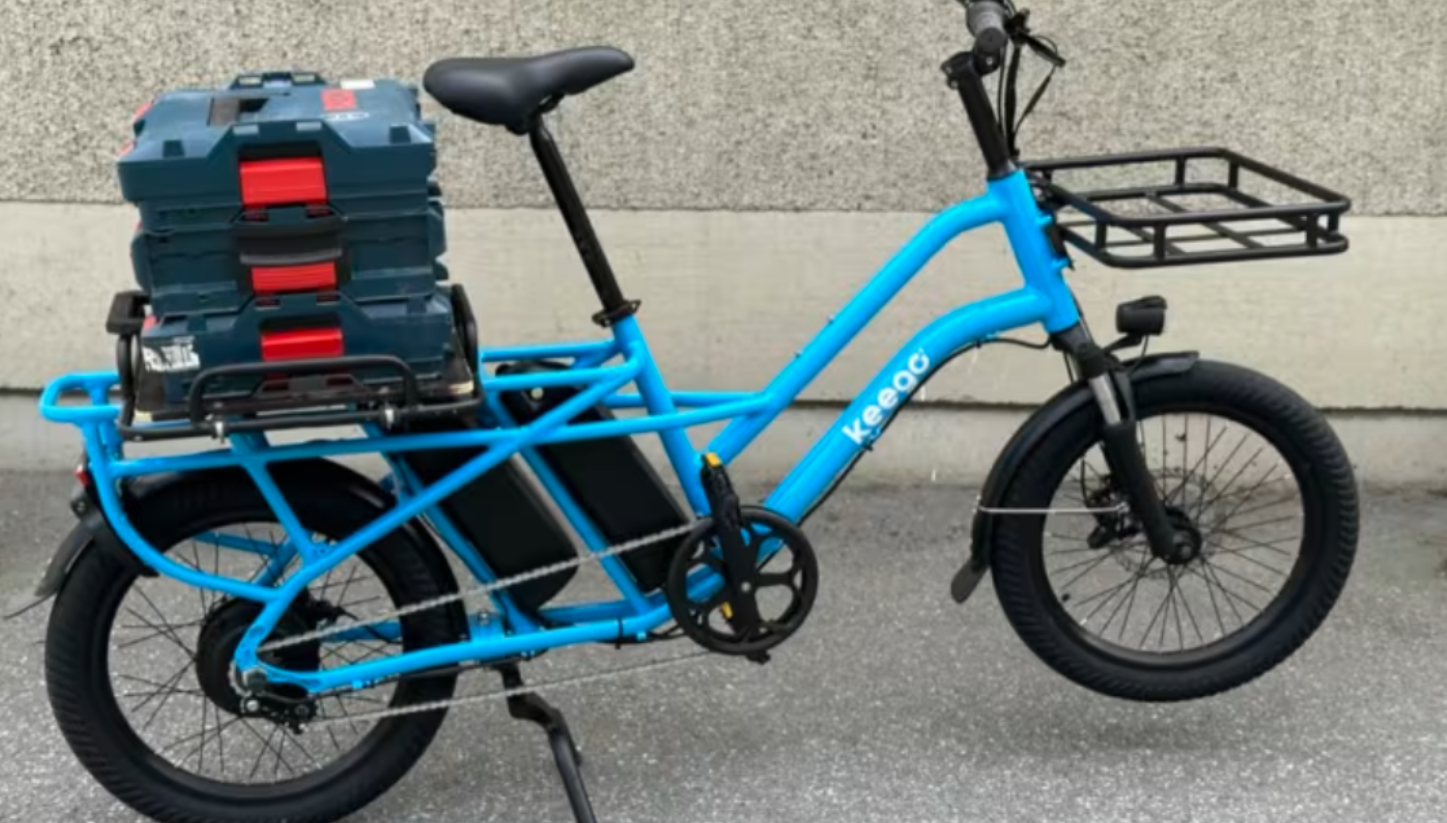
iQuTech is also Keego Mobility’s logistics and support partner in Europe and will set up a new division called iQuTech Mobility that will leverage their extensive operations to provide Irish delivery companies and their couriers with Keego Mobility’s purpose-built, sturdy delivery ebikes and world-class maintenance and customer support.
“We are excited to help the last mile delivery market in Ireland become more sustainable. The couriers who deliver our food and online purchases deserve the best service,” says Mark O’Sullivan, Co-founder, iQuTech. “Keego Mobility’s high quality products and our extensive service network will ensure that couriers will maximize the use of their delivery ebikes.”
iQuTech also sees great potential in Keego Mobiility’s ebikes for the First Mile Collections business where couriers can also pick up goods being returned, saving consumers the need to drop a package off at collections points or a post office.#
In Ireland, the Online Food Delivery market is projected to reach US$1.16bn in 2024 and is still growing. The Grocery Delivery market is also expected to grow, reaching a market volume of US$0.91bn this year.
Using electric bikes to deliver greatly cuts down on CO2 emissions. And this is something that is appealing to the customers. According to a study made by the delivery platform Just Eats, more than half of delivery customers want to know more about the carbon footprint of their takeaway orders.
First unveiled at the Taipei Cycle Show in March 2022, Keego Mobility’s delivery ebikes are built to handle the hard work of daily deliveries with long range and low total cost of ownership. The front and rear racks save the couriers from having to carry their cargo in a backpack, making for better ergonomics and ensures the food arrives as the chef intended. The company is co-founded by Irishman Philip Corri. Born in Dublin, Mr. Corri moved to Spain for his studies and eventually moved to Taiwan for work where he eventually met his other two co-founders and started Keego Mobility.
“We are excited to partner with such a strong Irish company such as iQuTech. There are thousands of couriers in Ireland that spends every day driving around on a fossil fuel scooter. When they switch to one of our delivery ebikes, there are 98% less CO2 emissions, quieter streets and the couriers will not have to carry cargo on their backs, truly a win for everyone,” says Philip Corri.
Anyone interested in iQuTech and Keego Mobility’s offerings can visit this new website to sign up to receive more information: https://iqutechmobility.com.
For a business that has a fleet of vehicles, you will find that looking after that fleet is always going to be a major thing that you need to spend time and money on. If you can care for the vehicles, for the people driving the vehicles, and generally for the whole operation, it is going to keep your finances in check, your people happy, and the operation so much more smooth-flowing. So what are some of the things that you might need to do in order to make sure of that?
Let’s take a look now at some of the top ways that you might want to manage your fleet in 2023. As long as you are doing the following, you should find that your fleet is being cared for as it should, to the benefit of the vehicles themselves, but also the staff and your business as a whole too.
Buy Good Quality Vehicles
It all starts with the quality of the vehicles themselves. If you are providing your staff with good quality vehicles in the first place, you are invariably going to find that this leads to a much better chance of those vehicles being taken care of, and that is going to be the main thing that you want to make sure of here. They will last longer, drive better, and that will also improve the morale of your staff. There is also the fact that you will find yourself spending less on the vehicles in the long run for maintenance and care, so it’s actually financially viable to buy good quality vehicles upfront.
So make sure that you are buying the best vehicles you can afford at the start of the business, or whenever you are adding a vehicle to the fleet or replacing one. That is a really simple thing you can do to make the management of the fleet so much easier and more affordable too.
Service Them
Once you have your vehicles, you then need to make sure that you are caring for them, and the main way to do that is to take them for a service every now and then. All vehicles will have their service schedule that you will want to follow, but generally it’s sufficient if you take them every 50,000 miles or so. That is going to ensure that the vehicle will run into many fewer problems over its lifetime. Again, that means it costs you less overall, but it also ensures that the vehicle is going to be nicer to drive and easier to run.
An important point with servicing is that you should have it carried out by an expert with that particular brand of car, wherever possible. They will be able to give it exactly what it needs, while also ensuring that they can find the necessary parts wherever that might be necessary too. So it’s definitely wise to do that. Soon enough you will discover a local expert whom you can then use for each service that you need done.
Watch Out For Common Faults
All vehicles have a number of faults which are likely to happen at some point or another, and this is something that you are going to need to think about for sure. It’s basically something you need to watch out for, as you will want to ensure that these faults are dealt with swiftly so as to avoid them costing you more further down the line. As long as you can do that, it’s going to mean that managing your fleet is generally a lot simpler and easier to do on the whole too.
To help with this, it’s best to enlist the help of your drivers. You should be training them to watch out for many of the common signs that are going to crop up with a fleet of vehicles. They should have daily checks that you expect them to carry out each day, and as long as you have done that, it’s going to mean that they are much more likely to know when something has gone wrong.
This is a vital way to keep on top of the health of the vehicles, so it’s something that you will definitely want to prioritize as best as you can.
Managing Expenses
There are a number of expenses that you will need to manage well when you have a fleet of vehicles, and we have already discussed some of the things you might want to do in order to make sure you’re keeping expenses as low as possible. However, it’s also something that is worth thinking about in its own right, as there are a few things that you might want to consider in particular.
For instance, you might find that it is easier to keep track of fuel and other expenses if you issue your drivers with a virtual card for fuel and field expenses. They are probably also going to appreciate this, as it is a much more hassle-free way of buying fuel and whatever else the vehicle needs. You can keep one of those cards in each vehicle, and you’ll probably find that this is going to make it so much easier.
Beyond that, you should also ensure that you are doing everything you can to keep the fuel usage as low as possible. That mostly comes down to choosing a good route, and this is the kind of thing that you are going to want to think about for sure. Good logistics turns out to be important in so many ways, not least the fact that it saves on fuel, time and therefore money. Make sure that you are not overlooking this vital thing and it should help a lot.
Those are the main ways to ensure you are managing your fleet well in 2023, so as long as you are doing those, you should find that it really makes a huge difference.
In today’s dynamic world of transportation and logistics, where speed, efficiency, and precision are paramount, the evolution of technology plays a pivotal role in shaping the future of fleet management. From its early beginnings with basic GPS tracking, telematics has undergone a remarkable transformation, giving rise to advanced fleet management solutions that are revolutionizing the way businesses manage their vehicle operations.
In this article, we delve into the journey of telematics evolution, exploring how it has evolved from GPS to the cutting-edge technology of today, spotlighting the Geotab GO as a prime example of this remarkable evolution.
The Evolution of Telematics: From GPS to Advanced Fleet Tech
The early days of fleet management were marked by the introduction of GPS technology, which provided businesses with the ability to track their vehicles’ locations in real time. While this innovation was revolutionary at the time, it was just the tip of the iceberg. As technology continued to advance, telematics evolved beyond simple location tracking to encompass a comprehensive suite of features aimed at optimizing fleet operations.
Introducing the Geotab GO9: A Glimpse into the Future of Fleet Management
Leading the charge in this evolution is the Geotab GO9, a next-generation fleet tracking device that epitomizes the advancements telematics has achieved. Geotab, a pioneer in fleet management technology, has set a new standard with the GO9 – a device that not only builds upon its predecessors’ capabilities but also redefines the landscape of fleet management with its innovative features.
Boby Multani, one of Geotab’s Product Owners, provides insights into the Geotab GO9’s revolutionary features and its significance in the realm of fleet management. Multani highlights that while the GO9 maintains a similar physical appearance to its predecessor, the GO8, it has been completely redesigned internally to offer enhanced performance and functionality.
Breaking Down the Geotab GO9’s Innovations
The Geotab GO9 introduces a powerful 32-bit processor, making it the most robust telematics device produced by Geotab to date. This advancement translates to four times more memory and five times more RAM than its predecessor. This boost in performance not only ensures smoother operation but also allows the device to support a wider array of functions, contributing to its longevity and versatility.
A notable enhancement in the GO9 is its Global Navigation Satellite System (GNSS) module, which provides increasingly accurate location data. With the GO9, businesses gain access to real-time vehicle location, trip history, and comprehensive vehicle and driving trends data through the MyGeotab platform.
Unveiling Key Differentiators: The Gyroscope and Extended Compatibility
The GO9 sets itself apart with the incorporation of a gyroscope. Geotab’s innovative algorithms, combined with the device’s accelerometer, already offer exceptional harsh-event data and collision reconstruction capabilities. The addition of a gyroscope elevates the device’s capabilities by providing a real-time sense of the vehicle’s orientation.
The gyroscope enriches the data with additional granularity, improving the accuracy of vehicle movement tracking – especially on winding or bumpy roads. This enhanced data is invaluable for collision reconstruction, enabling a more detailed, second-by-second breakdown of events.
Despite these groundbreaking advancements, the GO9 retains the same dimensions and shape as its predecessor, simplifying installations and ensuring a seamless transition for fleet managers.
Embracing Electric Vehicles and Future-Ready Capabilities
As the automotive industry shifts towards sustainable and eco-friendly solutions, electric vehicles (EVs) have emerged as a transformative force in the transportation sector. Recognizing this pivotal change, Geotab’s GO9 not only offers cutting-edge features for traditional vehicles but also caters to the growing demand for EVs within fleet operations.
One of the challenges in integrating EVs into fleets is the need for specialized data and insights that go beyond those required for conventional vehicles. The GO9 is equipped with the ability to support EVs, ensuring that businesses are well-prepared to seamlessly transition to electric vehicles or hybrid models when the time is right.
Key Aspects of the GO9’s EV Support:
Battery Health Monitoring: EVs are powered by complex battery systems that require careful monitoring to ensure optimal performance and longevity. The GO9’s compatibility with EVs includes the ability to track and analyze crucial battery health metrics, providing fleet managers with real-time data on battery status, temperature, and overall health. This proactive approach helps prevent potential issues and maximize the efficiency of EVs.
Charging Infrastructure Integration: The transition to EVs necessitates access to reliable and efficient charging infrastructure. The GO9 supports integration with charging stations, enabling fleet managers to monitor charging activities, track energy consumption, and plan routes that incorporate charging stops. This feature is essential for optimizing the operational efficiency of EVs and ensuring that they are always ready for service.
Range Optimization: Range anxiety – the fear of running out of battery power – is a common concern for EV users. The GO9 addresses this challenge by providing accurate range estimates based on factors such as battery state of charge, driving behavior, and external conditions. Fleet managers can use this information to plan routes that maximize efficiency while minimizing the risk of running out of power during journeys.
Adaptive Telematics: EVs introduce unique driving behaviors and energy consumption patterns that differ from those of traditional vehicles. The GO9’s advanced algorithms are capable of adapting to these differences, offering specialized insights into EV performance. This adaptability ensures that fleet managers receive accurate data tailored to the specific requirements of electric vehicles.
Preparing for the Future: Flexibility and Innovation
Geotab’s decision to incorporate EV support into the GO9 is a strategic move that aligns with the shifting landscape of transportation. Even if a fleet is not fully electric at the moment, the GO9’s EV capabilities future-proof the fleet’s technology infrastructure. This flexibility allows businesses to evolve their fleet operations in response to market trends, regulatory changes, and the growing emphasis on sustainability.
Moreover, the GO9’s support for EVs reflects Geotab’s commitment to innovation and adaptability. By integrating cutting-edge features that cater to the needs of electric vehicles, Geotab showcases its dedication to providing solutions that address the evolving demands of the fleet management industry.
The Road Ahead: Evolution, Adaptation, and Progress
Telematics will continue to advance as technology pushes its boundaries and improves. Geotab’s GO9 represents a milestone in this journey, showcasing the power of innovation and adaptation in the fleet management sector. With its advanced capabilities, compatibility with existing and future vehicle models, and commitment to sustainability, the GO9 is a testament to the potential of telematics to transform fleet operations on a global scale.
In a world where businesses demand ever-higher levels of efficiency and sustainability, the Geotab GO9 vehicle tracking device is leading the way into the future of fleet management. To explore its features and learn more about how the GO9 can revolutionize your fleet operations, visit geotab.com and experience the next phase of telematics evolution firsthand.
GoCar, Ireland’s leading vehicle sharing service, today announced an investment of €10 million in the expansion and enhancement of its current vehicle sharing services across Ireland. The investment is part of GoCar’s commitment to provide sustainable and convenient mobility solutions to meet growing customer demand for alternative transport options to private vehicle ownership.
The €10 million investment will support increased vehicle availability and wider vehicle choices for customers throughout the country. A total of 280 new vehicles will be added across 149 locations, catering to both urban and rural communities. This expansion aims to provide users with a broader range of vehicle types, ensuring increased choice and flexibility when it comes to public transport options.
GoCar’s fleet has seen a rise from 820 vehicles in January 2023 to 930 vehicles in July 2023, with the current investment supporting further increase to more than 1100 vehicles in over 600 locations across 24 counties nationwide by the end of the year.
GoCar will also be launching a new website and app designed to provide a more innovative and intuitive customer experience. Additionally, a new loyalty programme will be introduced, rewarding repeat customers for their continued use of car sharing services, with the launch planned for late 2023.
Commenting on the announcement, Paul McNeice, Head of Country for GoCar, said: “At GoCar, we believe in creating a community-led approach to mobility, becoming an integral part of the fabric of localities across the country. Our investment reflects our dedication to increase the availability of sustainable and flexible transport options to meet the evolving needs of our customers.
“We are proud to be Ireland’s leading car sharing provider, driving change and innovation in the market. Our expansion beyond traditional urban centres aligns with our mission to make car sharing more accessible for drivers across the country in all the regions.
“Over the past three years, we have been evolving beyond our legacy urban hubs in Dublin, Cork, Limerick and Galway and we are committed to making GoCar available in 24 counties across ROI by the end of 2023.”
Fleet Advancements
In response to the evolving preferences of its users, GoCar is introducing a variety of new vehicle types to its fleet. These new additions include the ‘GoLocal’ – a smaller city vehicle perfect for short urban trips, and the ‘GoExplore Plus’ – a spacious SUV catering to families and longer journeys.
The ‘GoLocal’ new entry level model is available to rent from €9 per hour /€50 daily, while the ‘GoExplore Plus’ can be booked from €15 per hour or €80 per day.
Furthermore, GoCar aims to address the growing demand for electric vehicles in 2024 by collaborating with strategic partners to bolster the expansion of its ‘GoElectric’ range, providing environmentally conscious customers with sustainable transportation choices.
Paul McNeice, continued, “Our customers recognise the environmental benefits of embracing multi-modal transport, combining walking, cycling, public transit, trains, and car sharing to meet varied needs. Our research, based on European studies, shows that GoCar annually removes over 8,000 cars from Irish roads, underlining our sustainability commitment. Notably, 62% of users abstain from car ownership while 57% actively use public transport. Separately, 60% of our users said they would consider purchasing a car if GoCar didn’t exist. As attitudes shift toward sustainability, GoCar’s fleet expansion investment addresses alternative and multi-modal transport needs effectively.
“We are excited to continue this journey of innovation, sustainability, and community engagement. As the year progresses, at GoCar we remain committed to delivering accessible and flexible transport solutions to meet the needs of a dynamic and ever-evolving market.”