The outdoor recreation industry has always been shaped by equipment innovation – better materials, lighter frames, more durable construction.
But the integration of wearable and portable technology into outdoor pursuits over the last decade represents something different in kind, not just degree. It’s changed what people can do outdoors, how they do it, and how they understand and share the experience afterward.
Cameras and the Documentation of Experience
The shift in how outdoor adventures are recorded and shared has been dramatic. Where photographers once needed heavy, dedicated equipment to document serious outdoor pursuits, action cameras now deliver high-resolution footage in a package small enough to mount on a helmet, a chest harness, or the end of a pole.
This has changed recreational culture as much as technology. Documenting a climb, a ski run, or a mountain bike descent has become a normal part of the activity for many participants, not an afterthought.
The footage serves personal memory, skills analysis, and increasingly a social function – trail communities, climbing clubs, and ski touring groups share footage in ways that build connections and attract new participants to the sport.
GPS and Navigation Technology
Dedicated GPS devices and GPS-enabled smartwatches have substantially reduced the barrier to entry for navigating complex terrain.
Apps like Gaia GPS and Komoot, combined with cellular and satellite-connected watches, give recreational users access to detailed topographic mapping that previously required significant expertise to interpret and use.
This democratization of navigation has real benefits: more people can explore more complex terrain with greater confidence. However, it also creates risk if users rely on devices without developing underlying navigation skills.
Battery failure, hardware damage, and signal loss in complex terrain remain real vulnerabilities, and experienced outdoor instructors consistently argue that map and compass skills remain essential regardless of what technology someone carries.
Fitness and Health Tracking
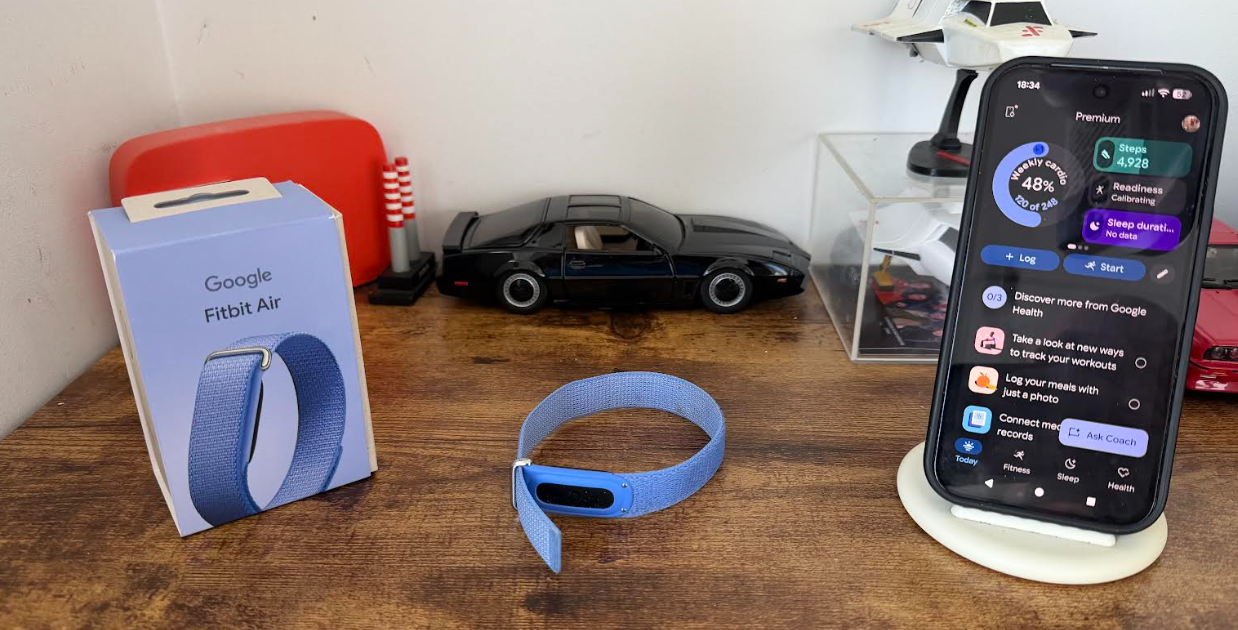
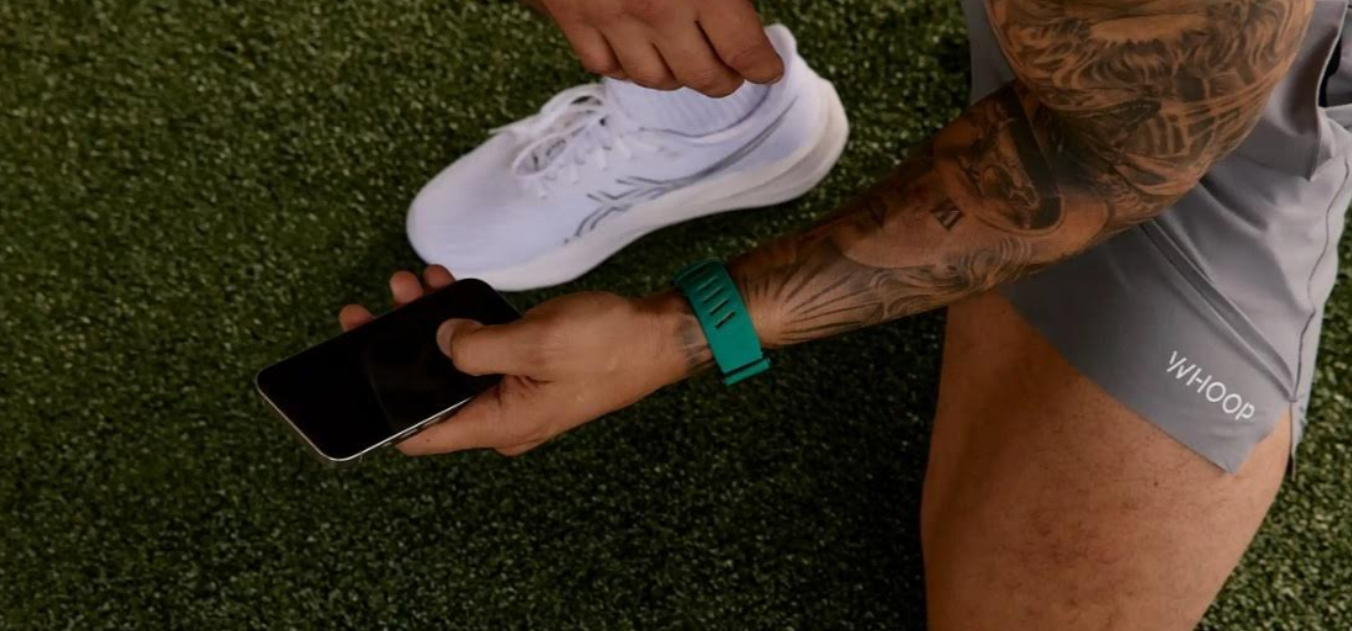
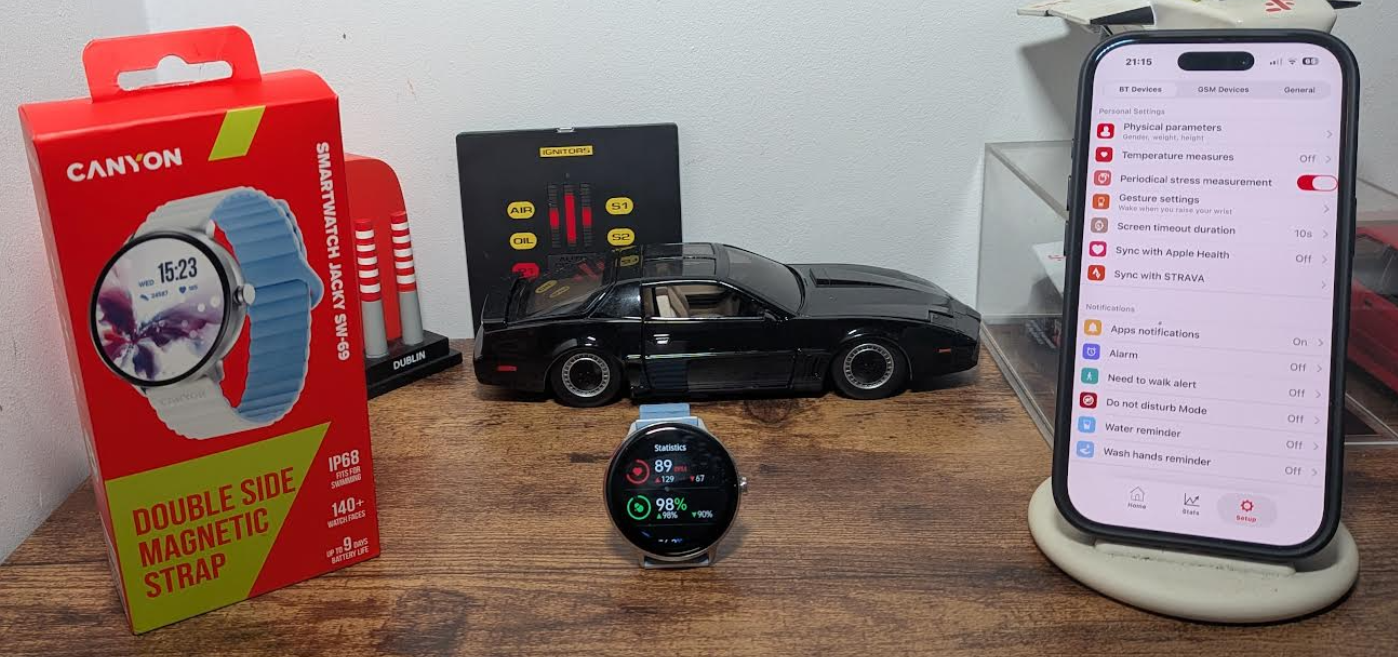
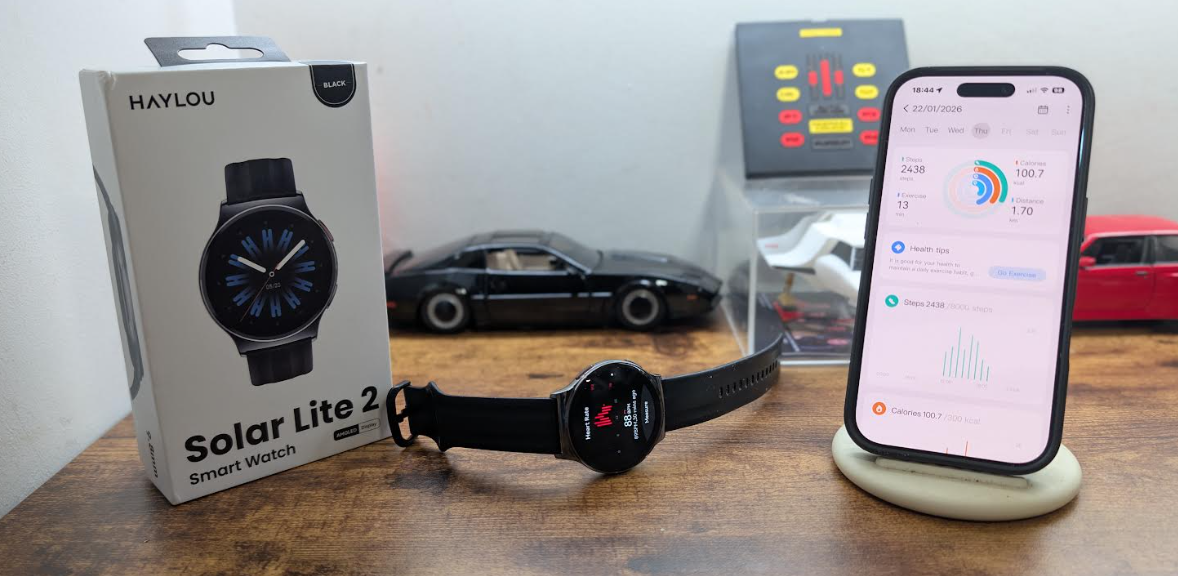
Wearable fitness technology – smartwatches, heart rate monitors, and GPS running watches – has transformed how outdoor athletes train and recover. The ability to track elevation gain, heart rate zones, sleep quality, and training load in real time gives recreational athletes access to data that was once the exclusive domain of professional sports programs.
There are now products specifically designed for outdoor use, with multi-day battery life, barometric altimeters, and dedicated activity profiles for skiing, trail running, mountaineering, and more.
The data these devices generate has helped many recreational athletes train more intelligently, reduce injury risk, and hit performance goals that once seemed out of reach.
Safety Technology
Perhaps the most consequential development in outdoor portable tech has been in safety. Satellite communicators like the Garmin inReach and SPOT devices allow backcountry users to send GPS coordinates and emergency alerts from anywhere on the planet, regardless of cellular coverage.
In genuinely remote terrain, these devices have saved lives in situations where traditional emergency contact systems would have failed.
How Tech Is Expanding Who Goes Outdoors
One underappreciated effect of portable and wearable technology is its role in expanding who participates in outdoor recreation. Navigation apps with detailed trail information, fitness trackers that make progress visible and motivating, and cameras that allow people to share their experiences have all lowered the psychological and practical barriers to getting started.
First-generation outdoor participants – people who didn’t grow up in families that hiked, climbed, or skied – often cite digital tools as part of what made outdoor activity feel accessible.
The social dimension is particularly significant: being able to share footage and connect with communities online creates a sense of belonging that encourages continued participation.
The Balance Between Technology and Skill
The outdoor recreation industry has had ongoing debates about the appropriate role of technology in traditionally skills-based pursuits. Guide associations, mountain rescue organizations, and outdoor educators generally take the position that technology supplements but should not substitute for fundamental skills and judgment.
This is a reasonable position. A GPS watch doesn’t replace the ability to read terrain. A satellite communicator doesn’t substitute for the decision-making that avoids the need for a rescue in the first place.
The most effective outdoor participants use technology to enhance their capability, not to bypass the process of developing genuine competence.
What Comes Next
The trajectory of wearable and portable tech in outdoor recreation points toward greater integration, longer battery life, and more sophisticated data analysis. AI-assisted route planning, real-time weather overlays, and health monitoring systems that flag early signs of altitude sickness or heat stress are all areas where development is actively ongoing.
The outdoor industry has always found ways to absorb new technology while maintaining the essential character of being outside, moving through terrain, and testing yourself against the environment. That balance seems likely to hold, even as the devices themselves continue to evolve.
A Sport Still Defined by the People in It
Technology has genuinely changed outdoor recreation, and mostly for the better. It has made activity more accessible, more safe, and more connected to broader communities of practice.
But the qualities that draw people outdoors – challenge, solitude, physical effort, and the particular satisfaction of moving through landscapes under your own power – remain fundamentally unchanged. The gear is better. The human experience it supports is the same one it’s always been.