The Core Features Every ABA Practice Management Software Should Have

Running an ABA clinic involves more than just delivering effective therapy. Behind the scenes, providers must manage scheduling, documentation, billing, compliance, and communication—all while ensuring that clients receive consistent, high-quality care. That’s why investing in the right software is critical. When thoughtfully designed, ABA practice management software can unify daily operations and significantly improve clinic efficiency.

But with so many tools on the market, how do you know what features really matter? Here are the core functions every ABA practice should look for in a management platform.

  1. Integrated Scheduling System

At the heart of any ABA clinic is a dynamic schedule. Clients, therapists, and supervisors all need coordinated sessions that align with location, availability, and service authorizations. A strong scheduling tool should offer real-time calendar updates, conflict detection, drag-and-drop rescheduling, and reminders. Bonus points for integration with mobile apps so therapists can manage their calendars on the go.

  1. Real-Time Clinical Documentation

Therapists must document behavior, progress, and session notes accurately and consistently. Software should support in-session data collection, customizable templates, and automatic syncing with treatment goals. Real-time documentation ensures that clinical data is not only accurate but also immediately available for supervisors and billing.

Platforms that allow for graphing and visualization of behavior trends can also support data-driven decision-making and treatment adjustments, which are essential in ABA.

  1. Seamless Billing and Insurance Management

Billing in ABA is complex, especially with varied insurance payers and authorization requirements. Look for software that automates claim generation based on session data, checks for authorization conflicts, and submits claims electronically. The system should also support tracking of claim status, managing denials, and generating patient invoices with integrated payment options.

Efficient billing systems reduce delays, improve cash flow, and help practices stay financially healthy.

  1. Compliance and Security Tools

In a field that involves sensitive health information, HIPAA compliance is non-negotiable. Your practice management software should include role-based access controls, audit logs, secure data storage, and regular security updates. Automated alerts for expiring credentials, missing documentation, or non-compliant billing codes also go a long way in maintaining readiness for audits.

  1. Parent and Caregiver Communication Features

Engaging families is a vital part of ABA therapy. Look for software that includes a secure parent portal where caregivers can access session notes, billing information, upcoming appointments, and therapist messages. Strong communication tools foster transparency, build trust, and enhance client outcomes.

  1. Reporting and Analytics

Whether you’re monitoring therapist productivity, client progress, or revenue trends, built-in reporting features are key. Custom dashboards and exportable reports give clinic managers the insight needed to make informed operational decisions and demonstrate outcomes to funders or stakeholders.

Conclusion

The right practice management software can transform an ABA clinic’s day-to-day operations. By centralizing scheduling, documentation, billing, compliance, and communication into one cohesive system, clinics can reduce administrative burden, increase efficiency, and focus more energy on client care. As the field continues to evolve, having the right digital infrastructure is no longer optional—it’s essential for long-term success.


Dublin City Council introduces Communications Boards in Libraries

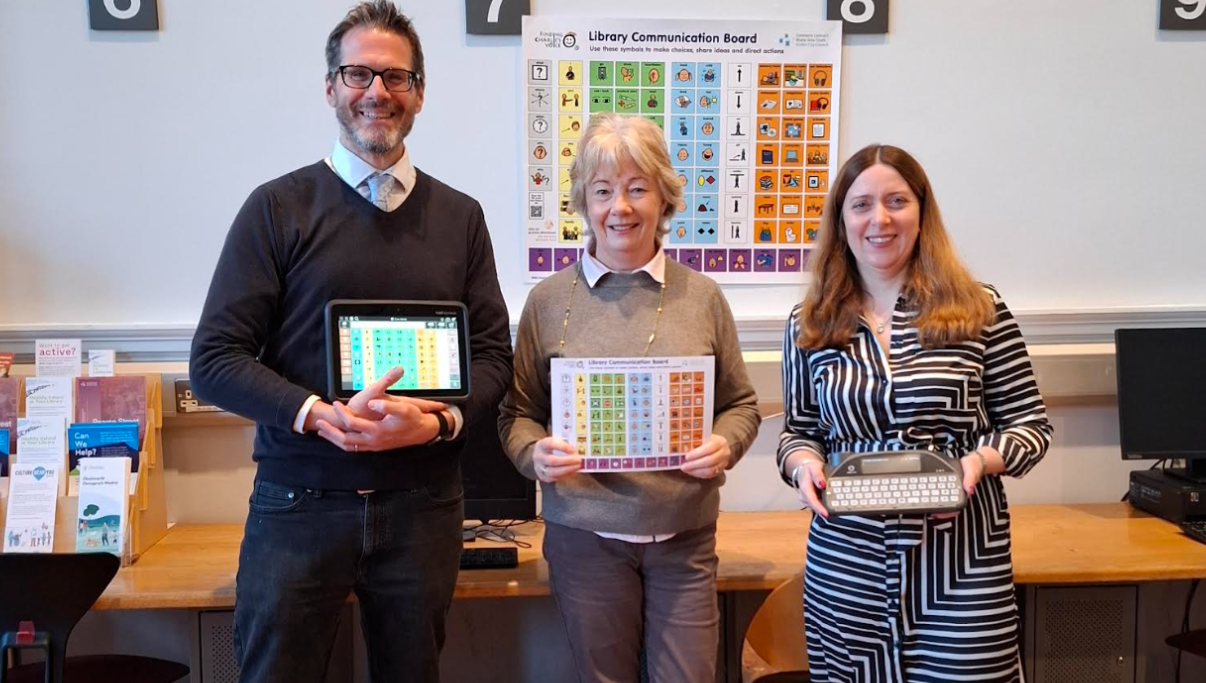
Dublin City Council is pleased to announce that it has introduced Communications Boards in some of its libraries, making it the first public library service in the country to do so.

The Communications Boards and augmentative and alternative communications (AAC) devices are of particular benefit to children or adults who are either pre-verbal or non-verbal and/or have communication difficulties.

The Communications Boards were designed in association with Finding Charlie’s Voice, a charity addressing the barriers facing children with speech and language needs.

The AAD devices include Lightwriters, which are text to speech devices, and TD I-110 devices, which are touch screen speech-generating devices.

This initiative is just one of a range of library measures supporting the broader Dublin City Council plan to make Dublin an autism-friendly city.

It has been made possible with the support of money from the Dormant accounts fund.

For more information please see Communication boards and supports rolled out in Dublin City Libraries | Dublin City Council