-
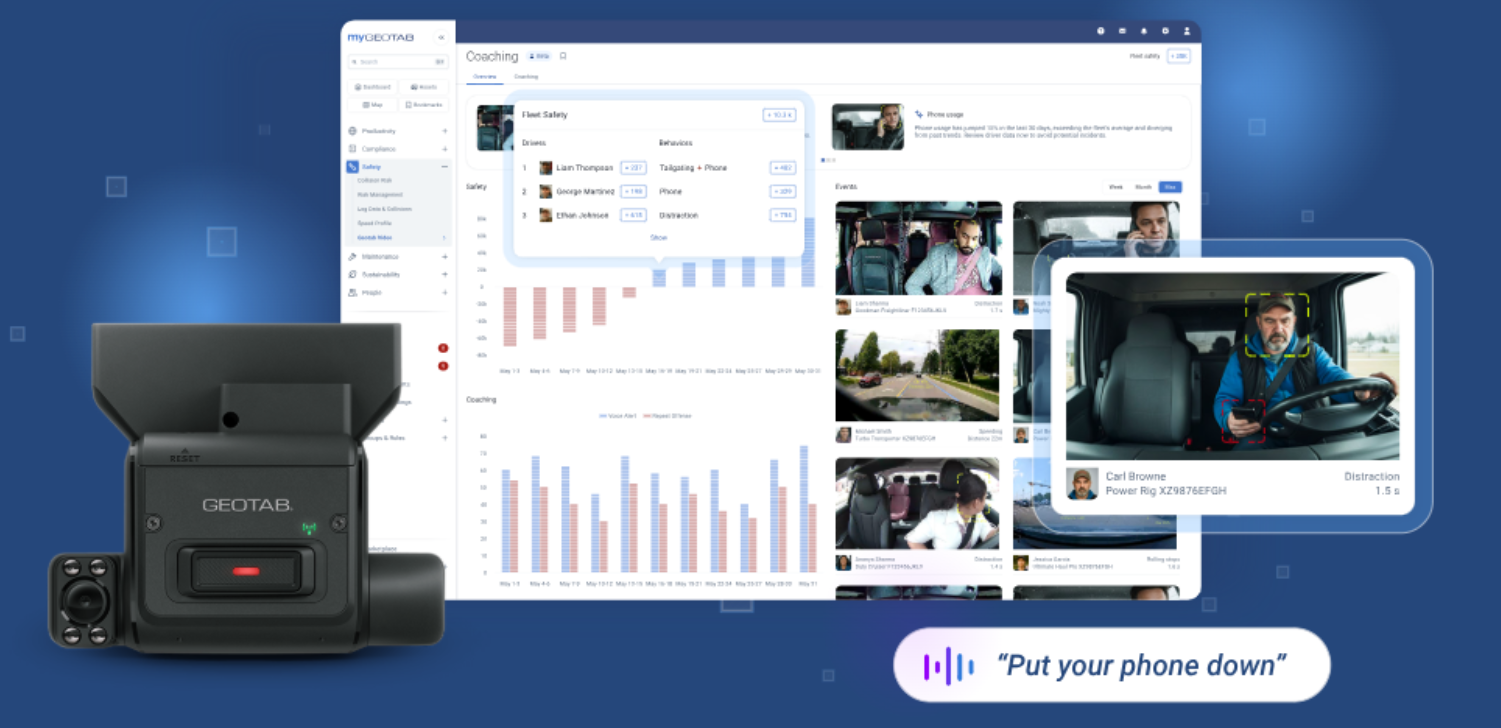
Proactive Driver Coaching: The AI dash cam provides instant, in-cab voice prompts to drivers when risky behaviors like distracted driving (e.g., phone use, fatigue) or tailgating, are detected, helping them correct habits.
-
Targeted Fleet Management: AI-driven video intelligence surfaces the most urgent risks and repeat patterns for quick review, eliminating the need for fleet managers to sort through extensive footage. Each alert includes video and contextual data, enabling targeted and effective coaching.
-
Seamless Workflow and Safety Culture: The MyGeotab platform allows for a seamless workflow, including the assignment, tracking, and recognition of progress, reinforcing a strong culture of safety within the fleet.
Tag: accidents
From Smart Floors to AI Surveillance: How Tech is Preventing Slip and Fall Accidents
Slip and fall accidents are one of the most common causes of injuries in public and private spaces. From shopping malls to construction sites, these incidents often result in costly medical bills, lost wages, and even legal battles. As technology continues to advance, innovative solutions are emerging to prevent these accidents before they happen. Businesses and property owners are now integrating smart technology to enhance safety, reduce liability, and create a more secure environment for employees and visitors.
From sensor-embedded floors to AI-powered surveillance, cutting-edge innovations are reshaping accident prevention. These technologies not only help detect hazards but also assist in immediate intervention, preventing injuries in real time. The fusion of artificial intelligence, robotics, and wearables is transforming safety measures, making slip and fall prevention more proactive than reactive.
The High Cost of Slip and Fall Accidents
According to a leading law firm, slip and fall accidents are not just minor inconveniences—they can have devastating financial and legal consequences. According to the National Floor Safety Institute, over one million people visit emergency rooms each year due to falls. These incidents are also a leading cause of workers’ compensation claims, costing businesses billions annually in medical expenses, lost productivity, and legal settlements.
For businesses and property owners, failing to address slip and fall risks can lead to expensive lawsuits. Courts often rule against establishments that neglect safety measures, especially when hazards like wet floors or uneven surfaces are left unattended. As a result, companies are seeking smarter ways to prevent these accidents and mitigate legal exposure. This is where technology steps in, offering advanced tools that help detect, analyze, and eliminate potential dangers.
Smart Floors: The Future of Fall Prevention
One of the most exciting innovations in slip and fall prevention is the development of smart flooring systems. These floors are equipped with embedded sensors that detect changes in pressure, moisture, and surface conditions. When a hazard is identified, the system sends real-time alerts to building managers or maintenance teams, allowing for immediate corrective action.
Smart floors are particularly beneficial in high-traffic areas such as airports, hospitals, and shopping centers, where rapid spill detection can prevent numerous accidents. Some systems even integrate with mobile apps, notifying staff members the moment a spill or obstruction occurs. By eliminating hazards before they cause injuries, smart flooring technology is revolutionizing accident prevention.
AI-Powered Surveillance and Real-Time Hazard Detection
Artificial intelligence is playing a major role in accident prevention, particularly through the use of AI-powered surveillance cameras. Unlike traditional security systems, these smart cameras do more than just record footage—they actively analyze environments in real time, detecting potential hazards such as wet floors, loose cables, or uneven walkways.
When a risk is detected, AI-driven software can send automated alerts to safety personnel, prompting immediate action. Some systems even integrate with public address speakers, issuing verbal warnings to pedestrians approaching hazardous areas. These advancements not only improve safety but also help businesses document and analyze recurring risks, allowing them to implement long-term preventive measures.
Wearable Tech: Preventing Falls Before They Happen
While smart floors and AI cameras focus on environmental hazards, wearable technology is helping individuals reduce their personal risk of falling. Devices such as smart insoles, fall-detection watches, and balance-monitoring wearables are being developed to detect early signs of instability, particularly in elderly individuals or those with mobility issues.
For workplaces, wearable sensors embedded in employee uniforms can provide real-time data on posture, movement, and fatigue levels. If an employee is at risk of falling due to exhaustion or improper balance, the device can issue a warning or even vibrate to correct posture. This proactive approach can help reduce workplace injuries, improving both safety and productivity.
The Role of Robotics in Hazard Cleanup
Beyond detection and prevention, robotic technology is playing a significant role in accident prevention by automating hazard cleanup. AI-driven cleaning robots, such as those used in airports and large commercial spaces, can detect spills, debris, or icy patches and clean them immediately. These autonomous machines work 24/7, ensuring that hazards are eliminated before they pose a risk.
In addition, some advanced robots are being designed to scan floors for potential wear and tear. By identifying cracks, loose tiles, or other structural risks, these robots help property managers address issues before they turn into serious safety concerns. With robotics streamlining maintenance tasks, businesses can create safer environments while reducing human labor costs.
Legal Implications: Can Technology Shift Liability?
As these technologies become more widespread, an important legal question arises: Does the use of smart safety technology change liability in slip and fall cases? If a business implements AI surveillance, smart flooring, or wearables but still experiences an accident, could they be held responsible for failing to act on the technology’s warnings?
While courts have not yet set clear precedents on this issue, businesses adopting these technologies may need to demonstrate that they respond appropriately to alerts and warnings. In the future, failing to use available safety technology could even be seen as negligence. Ultimately, while technology can reduce risk, it does not replace the duty of care that property owners and employers owe to their visitors and staff.
Conclusion: The Future of Slip and Fall Prevention
Technology is reshaping the way businesses and individuals approach slip and fall prevention. From AI-driven surveillance to smart flooring and robotic cleanup, these innovations are making accident prevention more proactive and efficient. As companies continue to adopt these advancements, we can expect a future where slip and fall incidents are significantly reduced.
However, technology alone cannot eliminate liability. Property owners and businesses must integrate these tools with proper safety protocols and response measures. By combining cutting-edge technology with strong safety policies, we can create safer environments that protect both people and businesses from the costly consequences of slip and fall accidents.
Drivers of electric vehicles more likely to be at fault in road traffic crashes than drivers of petrol and diesel cars
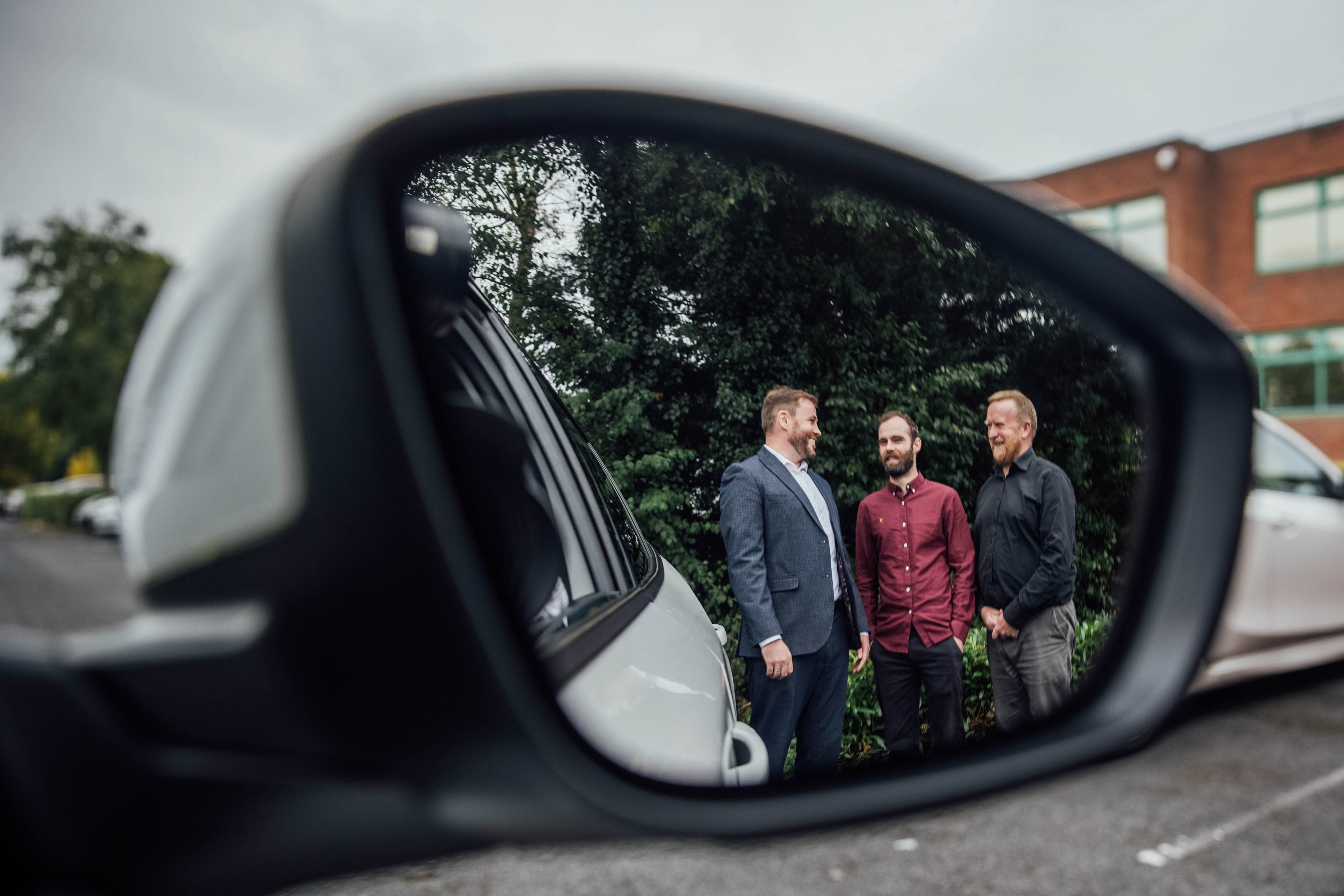
Drivers of electric vehicles (EVs) are more likely to be involved in at-fault road traffic accidents than drivers of petrol and diesel cars, a study by researchers at Lero, the Research Ireland Centre for Software, and University of Limerick reveals.
In a paper to be published in November in the journal Accident Analysis & Prevention, the Lero researchers analysed insurance claims and data from onboard sensors and revealed a number of key findings:
- Electric and hybrid drivers exhibit different behaviours than drivers of traditional vehicles.
- Electric vehicles record more at-fault claims than traditional vehicles.
- Electric vehicles are 6.7% more expensive to repair than traditional vehicles.
Lero researcher and co-director of the Centre of Emerging Risk Studies the Kemmy Business School, Dr Barry Sheehan, said EV drivers have a higher chance of experiencing an at-fault claim than drivers of cars with internal combustion engines (ICE).
“Our research finds that despite their lower average mileage than internal combustion engines, lower road exposure for EV drivers does not reduce their risk of experiencing an at-fault insurance claim. When analysing at-fault claims, we find a 4 % increase in crashes from EVs and a 6 % increase for hybrids (HYBs) compared to internal combustion engines.
“However, when tested with statistical models, hybrids do not display any further concerns of increased at-fault claim risk. These results indicate that EVs have a higher risk profile than traditional internal combustion engine vehicles.
“Our research shows drivers’ driving behaviour changes significantly when switching to hybrids or EVs. These results mean EVs are more likely to experience an at-fault claim than internal combustion engines,” added Dr Sheehan, Associate Professor in Risk and Finance at UL.
Lero researcher and lead author Kevin McDonnell said their analysis of each fuel type shows that EVs and hybrids have lower average mileages than internal combustion engines.
“This suggests that internal combustion engines should have a higher probability of incurring an at-fault claim than alternate energy fuel-type vehicles. However, the claims data contradicts this assumption by providing evidence of increased at-fault claim occurrences in EVs through predictive modelling and risk analysis,” he added.
Lero’s Professor Finbarr Murphy, Executive Dean of the Kemmy Business School at UL and co-author said that, given the increased likelihood of incurring an at-fault insurance claim with less mileage, significant first-party damages, and battery costs, alternative energy vehicles are riskier and have a higher financial burden than petrol and diesel cars.
The study used telematic data from 125 million commercial fleet vehicle trips involving 14,642 vehicles recorded from January 2022 to October 2022 in the Netherlands. It also used an insurance claims dataset during the same period.
Lero, the Research Ireland Centre for Software, is based at University of Limerick and funded by Taighde Éireann – Research Ireland, formerly Science Foundation Ireland.
The paper is co-authored by Lero and UL’s Kevin McDonnell, Dr Barry Sheehan and Professor Finbarr Murphy as well as Professor Montserrat Guillen of Universitat de Barcelona and is available to read in full at: https://www.sciencedirect.com/
Lero partners with Arm to build prototype car cameras for enhanced road safety
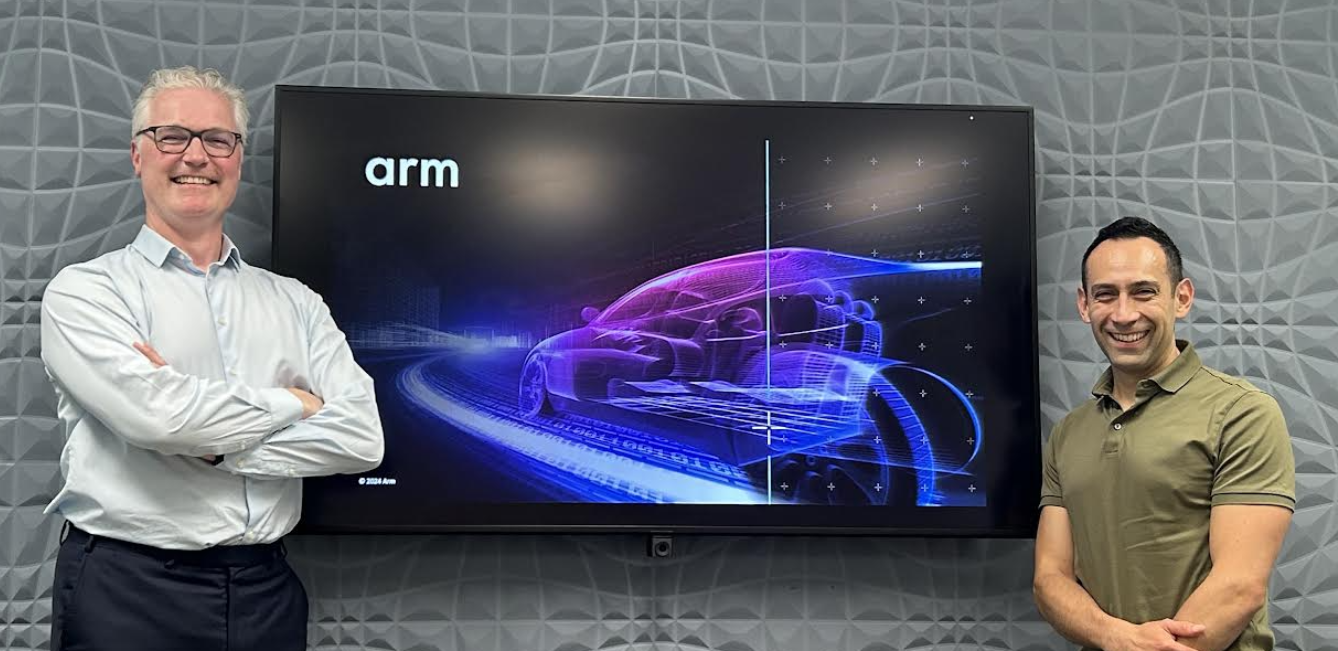
Lero, the Science Foundation Ireland (SFI) Research Centre for Software, has today announced an innovative new partnership with Arm, the global semiconductor and software leader. The research project, valued at €566,000, is designed to explore new technologies that will enable cars to see and react to their surroundings faster, more intelligently and more effectively.
A four-year collaboration between Lero and Arm, the ARMADAS1 project is focused on the development of next-generation car camera systems. The project will explore the optimisation of artificial intelligence to enhance how vehicles perceive their surroundings.
The research is being led by Professor Patrick Denny of Lero, who is Associate Professor in Artificial Intelligence, Machine Learning and Imaging at University of Limerick and an expert in automotive imaging.
The ambitious project is designed to help reduce road accidents by modelling advanced imaging systems for vehicles that are more responsive than existing technology.
“As car camera systems become increasingly sophisticated and AI is deployed across the vehicle, this research aims to explore the potential of smarter, more responsive imaging systems optimised for computers rather than humans. The collaboration between Lero and Arm could revolutionise the way vehicles perceive their environments by optimising cameras and sensing systems for AI processing, enabling cars to sense and react faster to their environment,” explained Prof. Denny.
“The automotive market is going through an unprecedented transformation and as part of this, we’re seeing an explosion in the demand for AI across the vehicle,” said Andy Rose, VP Technology Strategy and Fellow, Arm. “Bringing together Arm’s technical expertise and market knowledge with Lero’s internationally recognised software and computer imaging research capabilities, this project has the potential to drive exciting new developments for next-generation automotive vision systems.”
This research will benefit drivers, the public, and vulnerable road users. The project’s advancements have the potential to not only help make cars smarter but also empower chip manufacturers to develop innovative new products for this market.