How is Technology Being Incorporated into Funerals?

The funeral industry is rapidly changing and being revolutionised by technology. As digital culture becomes more pervasive, we see an evolution in how funerals are organised, celebrated and remembered. From using virtual reality to creating memory boxes instead of headstones to even hosting gravestone unveils through live-streamed events, technology is impacting all aspects of the funeral process—from memorial services to carrying on meaningful legacies left behind. 

In this blog post, we’ll explore how modern technology has made its way into our often sombre traditions surrounding death while still honouring those who have passed away with dignity and respect.

Live streaming and Recording of the Funeral

Due to the Covid-19 pandemic, many funerals have been restricted to a limited number of attendees. However, technology has enabled people to participate remotely. 

Live streaming allows friends and family to attend the funeral from the comfort of their homes. A camera and an internet connection can broadcast the service on platforms like Facebook, YouTube or Zoom. Recording the service is another option that enables people to watch it later.

Virtual Memorials and Condolence Books

Virtual memorials have become increasingly popular in recent years. They allow mourners to pay their respects online by leaving messages and photos on a digital platform. These virtual memorials can be accessed from anywhere in the world, providing a convenient way for people to share memories and support each other during times of grief. 

Similarly, virtual condolence books are also available online, allowing friends and family to express their condolences and share their memories with others.

Digital Headstones and QR codes

Digital headstones and QR codes are a new addition to funeral services. Digital headstones are screens that display photos, videos and other digital content related to the deceased. They can be customised to display a variety of images, including family photos, religious symbols, or even a slideshow of the deceased’s life. 

QR codes, on the other hand, can be attached to physical headstones, allowing people to scan them with their smartphones and access the same digital content.

Augmented Reality and 3D Printing

Augmented reality and 3D printing technologies have also been incorporated into funeral services. Augmented reality can create a virtual version of the deceased, allowing mourners to interact with them in a simulated environment. This technology can create a sense of comfort for those grieving and even provide an opportunity for closure. 3D printing, on the other hand, can create personalised urns, keepsakes, and other objects to commemorate the deceased.

Conclusion

Funerals are a traditional way to honour the deceased, and the ritualistic process remains an important cultural practice across the world. However, as technology continues to evolve, it has also found its way into funeral services. 


Technology has transformed how we live, work and communicate, and it is now making its way into the world of funerals. Technology has revolutionised how funerals are organised and remembered, from virtual memorials to digital headstones.


The use of technology in funerals has allowed us to honour the deceased in new and innovative ways while also providing comfort and support to the bereaved. As the world continues to change and technology evolves, more advances will likely be made in celebrating and remembering the lives of those we have lost.

Tips for Creating a Successful Data Literacy Campaign

Data literacy is an essential skill in our increasingly data-driven world. It involves understanding how to use, interpret, analyze, and communicate data effectively. With the increasing availability of large amounts of data from various sources, it has become increasingly important for individuals and organizations to be able to make sense of this data in order to make informed decisions. For those who are not yet proficient in data literacy, the task can seem daunting. That’s why it is important to create a successful data literacy campaign that will help people become more literate and confident when dealing with data. We will discuss some tips for creating a successful data literacy campaign. Also, we will look at some best practices for teaching data literacy. So, if you are looking to start a data literacy campaign, keep reading!

1. Start with the Basics And Provide Them With A Training

Before embarking on a more complex data literacy campaign, start by teaching people the basic principles of data. Explain what data is, how it can be used, and which tools are available for analyzing and visualizing it. Additionally, provide your participants with a training program that will help them understand the basics of data literacy. This could include tutorials on using spreadsheets or data analysis software, as well as lectures on topics such as descriptive statistics and inferential statistics. You can also explain to them data governance consulting, which is a way to ensure the integrity and accuracy of data in an organization. This kind of training will help build their confidence in dealing with data. Additionally, it will also give them a better understanding of the context in which data is used. For instance, they will have a better understanding of the implications of their data analysis and the decisions that they make based on the data. 

2. Make Sure the Content Is Accessible and Relevant

Once you have covered the basics, it is important to make sure that the data literacy content is accessible and relevant to your participants. This means using language that they can easily understand, as well as providing examples of how data can be used in everyday life. For instance, they could learn how to calculate the average cost of an item or how to analyze data from a survey. Additionally, if you have access to real datasets, such as those used in big data projects, provide them with these and explain how they can be used. This will help make the content more relevant and engaging for your participants. 

3. Create Accessible Materials 

It is also important to create materials that are accessible to your participants. This includes digital resources such as video tutorials, infographics, and other visual content that can be accessed on various devices. Additionally, you should consider providing printed handouts or summaries of the material so that people can refer back to it at their convenience. Finally, if you are able to hold workshops or seminars, make sure to provide your participants with useful take-away materials, such as notes, exercises, and worksheets. 

4. Encourage Engagement and Collaboration

You should also make sure to encourage engagement and collaboration among your participants. This could include group activities, such as discussions about relevant topics, or working together on a project or case study. Additionally, you can hold competitions that involve data analysis and allow people to share their findings with each other. By encouraging collaboration, you will help build a community of data literates who can learn from each other and provide support. Also, this will help create a more positive atmosphere of learning and development. You can, for example, create a Slack channel or other online platform where people can discuss and share resources. Or, you can create a closed Facebook group where people can post questions, share their experiences, and help each other out. Furthermore, you can also reach out to professionals in the field and invite them to share their knowledge and insights. They can provide valuable input and help develop the data literacy of your participants. 

5. Review Your Program

Another step you should not miss is to review your data literacy program regularly. This includes assessing how effective it has been and looking at ways to improve its content and delivery. Additionally, you should also collect feedback from participants so that you can identify potential issues or areas of improvement. This will help ensure that your program is up-to-date and provides the best possible learning experience. Other methods of it can also include setting measurable goals so that you can track progress and success. This means that you will be able to see how well the program is working and make adjustments if needed. Also, you can use tools such as surveys and polls to collect feedback from participants. 

6. Make It Fun


Finally, make sure to include a few fun elements in your program. This could include activities that promote team building and collaboration, such as games and puzzles. Additionally, you can give out small prizes or rewards for participants who demonstrate their data literacy skills. For instance, you could offer rewards for the best presentations or the most accurate analysis. Doing so will not only help to motivate and engage participants, but it can also help create a positive atmosphere that promotes learning. And, of course, you should also take breaks during the program so that participants can rest and recharge their batteries. The breaks should be made interactive and entertaining, such as a trivia game or survey. This way, participants can take a break without losing focus. It will also help them stay relaxed so that they can focus on the task at hand. 

By following these tips, you will be able to create a successful data literacy campaign for your organization or community. With an appropriate training program and engaging activities, you can help build a culture of data literates who understand the importance of data in our society today. And by reviewing the program periodically, you can make sure that it always meets the needs of your participants. Good luck!


OPPO Showcases its Latest Flagship Foldable Smartphone Find N2 Flip and a Series of Smart Living Innovations at #MWC23

OPPO is today showcasing a range of its latest innovative technologies at Mobile World Congress 2023 (MWC2023). During the event, OPPO is not only demonstrating a selection of flagship devices including the pocketable OPPO Find N2 Flip but is also introducing a number of industry-leading innovations based on its four Smart Initiatives – smart entertainment, smart productivity, smart health, and smart learning, such as OPPO Wi-Fi 6 Router AX5400, OPPO Zero-Power Tag, MariSilicon Y Bluetooth audio SoC, OHealth H1 family health monitor, OPPO Air Glass 2 and more. By delivering enhanced, connected experiences through these virtuous innovations, OPPO is reinforcing its position as a future-focused company that seeks to unlock new possibilities for smart living.

“As the world’s fourth largest mobile phone brand, OPPO has showcased a series of innovations at MWC23, from folding flagship phones to the latest technology behind the Internet of Experience. By bringing new technology breakthroughs to market, we are unlocking new possibilities for smart living to better serve our users worldwide,” said Billy Zhang, President of Overseas Sales and Service, OPPO.

Revolutionising the vertical foldable experience, OPPO Find N2 Flip will turn flips into users’ first choice

OPPO Find N2 Flip, OPPO’s first vertically folding phone which recently launched globally in London, has become a major draw to OPPO’s booth.

The Find N2 Flip is the best flip phone on the market today. Measuring 3.26 inches, Find N2 Flip’s cover screen is the largest of any flip phone currently available, making everything smarter and easier to do. Its 50MP main camera, MariSilicon X NPU and Hasselblad imaging system combine to deliver a professional camera experience. Equipped with the New Generation Flexion Hinge, Find N2 Flip supports multi-angle FlexForm mode, allowing the screen to be set at any angle between 45-110 degrees. Thanks to the new Flexion Hinge, the crease of Find N2 Flip remains unobtrusive even with long-term use. The Find N2 Flip also comes with a massive 4,300mAh battery and 44W SUPERVOOCTM fast charging, making it the first flip to comfortably last a full day of typical use. Thanks to its disruptive and innovative design and superior user experience, it’s expected to make the flip the format of choice for more users around the world.

OPPO Find N2 Flip and Find N2 have both been appointed the Official Smartphones of the UEFA Champions League. UEFA Champions League Ambassadors and football stars, Michael Owen and Luis Garcia both join OPPO on the first day of MWC, becoming the first global users to experience the incredible OPPO Find N2 Flip.

In addition to OPPO Find N2 Flip, visitors to the OPPO booth can also experience the latest OPPO flagship phones such as OPPO Find N2, and IoT products including OPPO Enco X2, OPPO Watch 3 Pro, OPPO Pad and OPPO 45W Liquid Cooler.

Focusing on Smart Living Initiatives, OPPO showcases milestones in “Virtuous Innovation”

Based on its four internal Smart Initiatives: smart entertainment, smart productivity, smart health and smart learning, OPPO has brought a number of technology breakthroughs to the event, providing more ways to empower smart, connected experiences in the future.

In “smart productivity”, OPPO has further expanded its communication technology product portfolios. OPPO Wi-Fi 6 Router AX5400, based on the Qualcomm® Immersive Home 216 Platform, is OPPO’s first Wi-Fi router product, supporting the Wi-Fi 6 AX5400 standard, and can  provide a 2.4GHz+5GHz dual-band Wi-Fi signal at the same time. The combination of its high-gain antennas, OPPO’s self-developed anti-interference algorithm and network directional speed-up technology enables Wi-Fi with wider coverage, enhanced stability, and faster speeds. The elegant cylindrical appearance with hidden antennas makes it fit perfectly within a modern, minimalist home, while the unique internal structure helps improve heat dissipation, ensuring always-on connectivity that covers every corner of the home.

OPPO Zero-Power Tag is the first prototype device based on OPPO Zero-power Communication technology. Leveraging key technologies such as RF signal harvesting, backscattering, and low-power computing, it harvests radio waves from the surrounding area to power its own functionality and communicate battery-free  to meet the diverse needs of IoT in the coming 6G era. This is the first time that OPPO has demonstrated the OPPO Zero-Power Tag’s capabilities in item identification and positioning, and data collection from temperature sensors, both powered by RF energy.

OPPO is also showcasing its extensive achievements across other Smart Initiatives, such as OPPO’s first self-developed flagship Bluetooth audio SoC, MariSilicon Y, the new-generation, ultra-light AR glasses, OPPO Air Glass 2, OPPO’s first family health monitor concept device OHealth H1, and OPPO’s first end-to-end power management chip SUPERVOOC S, etc.

In addition, OPPO is also jointly demonstrating a number of technological milestones with different partners, including select proposals from the OPPO Research Institute Innovation Accelerator: EEG Hearables from IDUN Technologies and Cynteract’s glove designed to help people with hand injuries to recover more effectively; hardware accelerated ray tracing technology on the Snapdragon® 8 Gen 2 Mobile Platform; innovative Android features like Nearby Share and Fast Pair on OPPO flagship smartphones, and trials of Google One and YouTube Premium for up to 6 months, with selected OPPO devices.

Actively practicing corporate social responsibility, OPPO has committed to achieving carbon neutrality across its global operations by 2050

Under its corporate mission of “Technology for Mankind, Kindness for the World”, OPPO has taken action to integrate sustainability into its long-term development strategy. By the end of 2022, OPPO managed to reduce the greenhouse gas emissions from its operations by 6,000 tonnes annually. Starting with the European market in 2023, OPPO will remove virtually all plastics from the external packaging of its mobile phone products and will ensure that all packaging materials are made from 100% biodegradable materials.

On the opening day of MWC2023, OPPO has also published its first Climate Action Report, the OPPO Climate Action Report: Climate Pledges and Low Carbon Development Strategy, co-developed with global consultancy, Deloitte. The report prop OPPO’s goal of achieving carbon neutrality across its global operations by 2050 and outlines its future blueprint for low carbon development. With these plans, OPPO will transform its entire business into a low-carbon enterprise.

To experience OPPO’s innovations and products first-hand, please visit OPPO’s booth in Hall 3, Stand 3M10, at the Fira Gran Via, Barcelona, from February 27 to March 2, 2023. For further details, please also refer to the OPPO MWC23 official website.

The Science Of Air Conditioning: How Technology Is Used To Cool And Purify Indoor Air

Nowadays, air conditioning is an absolute necessity in many parts of the world. Without it, hot climates would be unbearable. But what exactly goes into cooling our homes? In this post, we will explore the science behind air conditioning and show you how modern technology helps us cool our homes and purify indoor air.

1. Heating, Ventilating, And Air Conditioning (HVAC)

This comprehensive system is made up of several key components that ensure the proper flow of air inside buildings. HVAC units include an evaporator coil for cooling and a condenser coil for heat transfer. An outdoor compressor pumps refrigerant through copper pipes which allow cooled or heated air to be circulated inside the building.

Regular maintenance of your air conditioning system is important in order to ensure it is running as efficiently as possible. This includes changing air filters, checking refrigerant levels, and ensuring all components are working properly. If you need professional help with any of these AC services, an experienced technician can provide expert advice on how to best maintain and repair the system for optimal performance.

2. Air Filters

Air filters are an essential part of any air conditioning system, as they help to trap particles like dust, pollen and other contaminants in order to purify indoor air quality. It is important to regularly change or clean these filters in order to maintain the effectiveness of the system, as they can become clogged over time with dirt and debris which hinders their performance. 

Changing these filters on a regular basis helps promote better air quality while also making sure the system runs efficiently.  By taking this extra step, you can ensure your air conditioning system works at its optimal level for years to come.

3. Thermostat

The thermostat is a key component of an air conditioning system as it helps regulate the temperature levels inside a building by turning the system on and off when needed. It also allows users to customize their desired temperature, either via manual or programmable settings.

4. Humidifiers

Humidifiers are used in air conditioning systems to adjust humidity levels in order to prevent dryness and maintain a comfortable environment. This is especially important in hot and humid climates where the air tends to be more damp.

5. Air Purifiers

Air purifiers use filters, activated carbon or ultraviolet light to remove contaminants from indoor air, such as bacteria, mold spores, dust mites and volatile organic compounds (VOCs). 

These systems are often seen as beneficial for people with allergies or asthma as they can help reduce symptoms by removing irritants from the air, another option to look out for in case you need it is aircon repair

6. Refrigerants

Refrigerants are the key component in air conditioning systems used to transfer heat. They are used to cool down the air so it can be circulated indoors, by absorbing and releasing heat as they pass through a series of coils. 

7. Insulation

Proper insulation is necessary for maintaining comfortable temperatures inside buildings, especially during extreme weather changes. 

It helps reduce energy costs and keeps conditioned air from escaping outside, while also preventing outdoor hot or cold temperatures from entering the building. 

8. Zoning Systems

Zoning systems divide a single HVAC system into multiple areas which can be individually controlled with thermostats, allowing different rooms to have different temperature settings based on user preference. This also helps to reduce energy costs by only cooling or heating areas that are being used.

In Conclusion

Air conditioning systems are an effective way to maintain comfortable temperatures at home or in the office. From HVAC units to thermostats and humidifiers, modern technology has come a long way to make these systems more efficient than ever before. It is important to regularly maintain your system by changing filters and other components as needed, not only for optimal performance but also to ensure you benefit from clean and pure indoor air quality. 


Flip phone trend and the rise of feature phones – National Retro Day

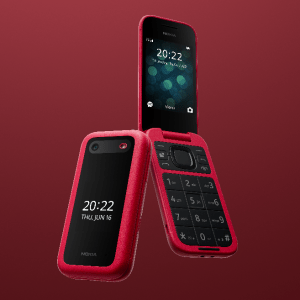
Essential feature phones are making a comeback with people craving simplicity and a way to escape digital fatigue by going back to basics. Not only that, Y2K and retro trends are showing no sign of slowing in 2023 with Google searches for “Y2K” up and on the rise since 2021 according to the latest report on Gen Z by GWI. Nokia have 4 iconic feature phones from HMD Global, the home of Nokia phones to obsess over this National Retro Day (27th February).

To celebrate all things retro you can claim a 10% discount across all feature phones online at  https://www.nokia.com/phones using the code RETRO from Monday 27th February until Sunday 5th to March 23:59 GMT 2023.

Adam Ferguson, Head of Product Marketing at HMD Global, the home of Nokia phones says

“Gen Z and Millennials are going back to this style of device for a number of reasons. The clamshell design and retro camera aesthetic are all nostalgic of the 90s and Y2K era that has been so popular of late. Plus, with SMS and calls only, they are great for going back to basics, if you want to reduce screen time and take a digital detox. The iconic Nokia 3310 is still a perennial favourite given its iconic shape and it has that element of fun and feel good about it with classic features such as Snake.”

Nokia 2660 Flip

Starting at €74.99 RRP

Iconic flip design with a big display, big buttons, and zoomed-in interface.

Made of tough polycarbonate with a selection of stylish colours including red, black and blue.

Battery for weeks and tens of thousands of flip cycles endured to ensure superior durability, so you can go about your day with confidence and keep your phone for years.

Listen to FM Radio through earphones or the hands-free speaker and enjoy your favourite sport, music or broadcasts at home or on the move.


Nokia 8210

Starting at €74.99 RRP

Fall back in love with the return of an icon – the Nokia 8210 4G is reimagined for a modern-day audience and provides a timeless classic for today’s retro lovers.

The Nokia 8210 4G is inspired by the classic feature phone, but is now equipped with contemporary features including in-built MP3 player, wireless and wired FM radio, and a camera to capture life’s best bits – alongside a slice of retro courtesy of fan-favourite games like ‘Snake’.

A light and compact design seamlessly carries a massive battery which allows for longer conversations and weeks of standby so users can call, text, and go offline with confidence.

Nokia 5710 XpressAudio

Starting at €84.99 RRP

A completely unique device, this innovative feature phone features built-in wireless earbuds housed beneath a sleek and robust slider on the back of the phone saving you space in your pocket and letting you charge on the go.

A unique and stylish design – available in white/red and black/red colour combinations.

Dedicated music buttons make playback easy, the in-built MP3 player stores thousands of your songs, and wireless FM radio keeps you in the loop at home or on the move.

The big 1450 mAh battery  delivers even longer talk time and playback time and lasts for weeks in standby.

Nokia 3310

Starting at €59.99 RRP

  • An iconic phone, re-designed for today with a reimagined rounded form in a selection of classic colours.
  • Remember when you could leave the house without a charger? Well, with the new Nokia 3310, you can. Talk all day or leave on standby for up to 31 days with the long-lasting battery.
  • Beat your high score with the legendary Snake game, updated for the colour screens.

1080p VS 720p: Which One Should You Invest In?

According to most people, there is little or no noticeable difference between 1080p (full HD) and 720p (HD). However, if you pay close attention, you’ll definitely notice that 1080p gives a smoother and clearer image. As a matter of fact, for the last few years, 1080p projectors such as Wemax Dice have become popular and more available on the market.

These projectors perform better than before, with more advancement on every new product release. However, they aren’t the only contenders; 720p projectors also receive some attention from consumers. Unfortunately, they aren’t as popular in media as they used to be, something that has resulted in their price surge to $1,500, with others selling at $1,000. Despite this, 720p projectors still deliver impeccable picture quality for the budget.

So, the main question here is: which one is better, between 1080p and 780p?

Obviously, many consumers prefer 1080p projectors, and it is for valid reasons. So, if you want the best and high picture quality, 1080p will be perfect. These projectors give you the highest resolution, better contrast, black levels, and video processing. Some of these qualities you can’t find in cheaper models. But, if you’re working on a minimal budget, a 720p projector will serve you well.

720p Is Better for DVD and HD Sports Broadcasts

Here’s why 720p might be a better choice. For starters, most people still watch standard definition DVDs, while a few have upgraded to Blu-ray. Probably this is because there are plenty of DVDs out there, while Blu-ray discs aren’t as many. Therefore, if you use DVDs as your viewing material or HD sports on broadcast HDTV, 1080p projectors won’t do you any good. Regarding image quality, they will only produce what the 720p produces. This is because all HD sports broadcasts from ESPN, Fox, and ABC are usually in 720p. As a result, they will look as clear when displayed on a 720p projector. So, if you have a 1080p projector, it won’t make these broadcasts appear better or higher in terms of resolution simply because the signals are up to 720 lines of video information per frame.

On the other hand, standard definition DVD has 480 lines of video per frame. If you’re using a 720p projector, the signal will be rescaled to 720 lines, while on a 1080p projector, it will be rescaled to 1080p lines. What this means is that if you’re using a high-quality DVD player or processor, there’s a possibility that the images on the 1080p projector will be better than those from the 720p projector. But the difference isn’t noticeable unless you pay close attention. That’s because a DVD’s picture quality is limited to 480 lines per video information frame; therefore, the source doesn’t utilize the full resolution power of any of the two projectors.

720p Is Better for Prime Time Television Programmes

Although a high percentage of the population is interested in DVD and HD sports broadcasts, the remaining few have their preferences. Probably you prefer watching prime-time television programs on NBC, CBS, and other networks. Such types of broadcasts are usually in 1080p. Newer versions of 1080p projectors don’t have the ability to make this type of programming any better than 720p projectors. As a matter of fact, there is no difference since once the 1080i signals get into the 720p displays, they look better than you can imagine.

But, there might be a minor difference in the image quality from 1080p projectors. They produce a sharper image from HDTV 1080i broadcasts, and this is due to a higher resolution that you might notice, depending on how far/close from the screen you’re seated. Bottom line is, by using a 1080p projector, you’ll only get a slightly better picture than from a 720p projector. So, if you’re working under a tight budget and looking for a projector for DVD and HDTV use, a 720p projector will give good results.

Looking for the Best Possible Video Picture?

If you’re looking for the best possible video picture quality, you should get the 1080p projector. You might also need a Blu-ray player to make it better. By now, Blu-ray is the best video source on the market, and it comes with a full 1920×1080 resolution per video frame. The pictures look better when displayed on a 1080p projector. So, suppose you are a video fanatic who is ready to spend money on video technology. In that case, you should consider getting a Blu-ray player and one of the newly released projectors, such as the Wemax Dice.

Although this combination might make you think 1080p projectors are worth investing in, don’t get carried away by the hype. You can still work with the low-priced 720p projectors and enjoy great picture quality. 

Red Bull Doodle Art Competition Now Open

The innovative global competition where art and technology meet to empower a new generation of artists is now open for entries until 8th April 2022. Red Bull Doodle Art encourages creatives to put pencil to paper, let their minds wander and get doodling. Visit RedBullDoodleArt.com to enter or for application event details.

Following the initial application phase, a select group of finalists will be chosen to show their work at the Irish National Final on 15th April. The overall winner for Ireland will be chosen at the National Final by a judging panel and will be invited to the World Final in Amsterdam, where the 2023 Red Bull Doodle Art winner will be chosen by a panel of renowned experts.

Where art and technology meet
The pen-on-paper concept of Red Bull Doodle Art dates back to the very first edition in 2012. Since then, the competition has evolved to include latest technological innovations.

Involving both the physical and digital realms of art, the 2023 edition of Red Bull Doodle Art sees the introduction of NFTs (non-fungible tokens). All participants who submit a valid doodle will have access to a digital collectible of their drawing in the form of an NFT.

2023 Format

The competition takes place across the following phases;

  1. Application phase: Red Bull Doodle Art begins at one of the four application events, where participating students and creatives will put pen to paper to see where their imagination takes them. Visit www.redbulldoodleart.com for dates and locations of application events. Participants can also submit their doodle digitally or on official Red Bull Doodle Art frame, which all be downloaded and submitted at www.redbulldoodleart.com.
  2. Selection phase: On 15th April, the work of the chosen finalists will be displayed in an exhibition at Tara Buildings in Dublin. A panel of experts will select the winner based on the criteria of creativity, artistic skill and the way the doodle expresses a love for life.
  3. Artists’ collaboration phase: After the national final, the new national winner will collaborate with a professional artist to get ready to represent Ireland with an exclusive doodle NFT at the World Final in Amsterdam.
  4. World Final: From 25 to 28 May 2023, the World Final will bring together all the national finalists globally for a three-day immersive experience in Amsterdam in the Netherlands. This will feature workshops, exclusive “phygital” (physical and digital) creative sessions, public gallery and the announcement of the global winner of Red Bull Doodle Art 2023.

How to Enter
Red Bull Doodle Art is open to 18–24-year-olds who are a current resident of Ireland. To take part in Red Bull Doodle Art, go to the official website, select your country, download the template and submit your doodle or visit www.redbulldoodleart.com to see where and when your local application events are taking place.

The time to explore your artistry is now with information available at www.redbulldoodleart.com

Digital pharmaceuticals: The benefits and the risks

We spend our lives online. From our day job, where we spend time answering emails and doing research, to our social lives, where we send messages to friends and scroll through Instagram. We’re always connected. 

In fact, in the UK they have spent around four hours per day on our smartphones in 2021. This reflects just how often we look at our apps. These stats are just for our phones. They don’t look at other ways we access the internet. 

With this digital revolution being such a big part of our lives, it makes sense for the health sector to also capitalise on our connectivity. As such, we’re seeing more and more digital pharmacies. But what do these online chemists offer? And what do we need to consider?  

The impact of digital pharmacies

There are plenty of positives to come out of the move towards digital pharmacies. Advancements in tech have made processes smoother.

For instance, digitised health records make it easier to match the patient to the medication they need. Robotic and barcode drug dispensing make getting treatment to people easier. It’s now possible to have video consultations, which saves patients from having to visit their nearest chemist. 

Additionally, it’s possible for patients to manage their repeat prescriptions. Thanks to services like click and collect, they can order what their doctor prescribed for them online and pick it up when it’s ready. This does away with standing in a busy chemist waiting to see if medication is ready for collection.

Patients frequently look for a certified pharmacy in Canada that operates online to ensure they receive genuine medications conveniently and securely. This allows them to streamline the prescription process while maintaining trust in the quality of their treatments.

The use of big data

As well as helping patients, the use of big data to build digital pharmacies is helping to make improvements across the field. For instance, data can be collected and forecast which medication will be needed. This tech also lets pharmacists know when supplies are running out. 

The risks

With new tech comes risks. As with anything that uses data, there’s a risk of information being hacked by cybercriminals, so protective measures are needed to secure patient information. Here, it’s imperative that authentication and other safety measures are in place to protect data and keep in line with GDPR rules.  

Also, without human judgment in place, automated systems can make mistakes, meaning patients might not receive the right medication or their order may be missed.

For pharmacists moving into digital services, it might be worth investigating the details of their pharmacy insurance policy to see what remains relevant.  

Big changes

While there are risks to consider, we must accept the changes that are taking place. Everything is digital and there are plenty of pros to taking up digitised pharmaceutical care.

Have you moved your pharmacy operations online, or do you use digital chemists? Share your experiences in the comments section!

Netskope expands presence in Ireland with new Dublin data centre

Netskope, the SASE leader, today announced an extension of its NewEdge network with the opening of a new data centre in Dublin, Ireland. Serving millions of enterprise users around the world, and with full-compute data centres in more than 60 regions worldwide, NewEdge is the world’s largest, and highest-performing security private cloud. NewEdge powers the real-time, inline security services of the Netskope SASE platform allowing security to be deployed at the edge where and when it’s needed.

Placing data-centric security as close to the user as possible is a key requirement of a SASE-ready architecture, and the delivery of world-class Security Service Edge (SSE) and software defined networking (SD-WAN) capabilities. As well as improving the experience for Netskope’s local customers, the new data centre in Dublin is a strategic investment for the company given Ireland’s unique position in the data landscape with access to the EU market and close proximity to trans-atlantic internet cables. With companies increasingly demanding choice over where and how their data is processed, having a presence in Ireland gives Netskope’s NewEdge network a strong competitive advantage.

Netskope customer Adam Hoffmann, IT Infrastructure Manager at Mercury Engineering, based in Dublin commented; “We chose Netskope over a year ago to secure both web and cloud applications for our pan-European workforce. They were very clear about the intentions and timelines for the addition of local infrastructure in Ireland and now they have delivered on that promise. Netskope was already improving the experience of our teams, and when the local Dublin data centre came on line it immediately added even further to that improvement for our 1,000+ employees based in Ireland.”

Brian Murray, who leads Netskope’s business in Ireland said; “Its geographical and political location is making Ireland a key strategic jurisdiction for the tech industry and with the opening of this data centre in Dublin, Netskope is well placed to deliver the best in class SASE solution for new and existing customers in the region. Robust SASE solutions backed by local data centres are important for all organisations that require clear oversight over their data, wherever it goes, in order to meet stringent data policies both inside and outside the EU.”    

To support the new data centre, Netskope is actively recruiting in Ireland for both Irish and flexible pan-European roles in engineering, sales, marketing and HR, with the aim of doubling its headcount in the country over the coming year. The new centre coincides with the expansion of Netskope’s Irish customer base, which already includes major customers in the manufacturing, pharmaceutical and retail sectors.

Netskope’s NewEdge architecture ensures there are no performance trade-offs when implementing security features.  A crucial part of the infrastructure that underpins a SASE security and networking architecture, balancing security and user experience reduces the risk of users working around security controls, productivity being negatively affected, or business processes being slowed down or impeded.

Every NewEdge data center is extensively peered with the most commonly used web/content-delivery networks, cloud, and SaaS providers to deliver fast, optimised access to the content, apps, and data enterprises most care about. For example, every NewEdge data center is directly connected with Microsoft and Google, plus other peering relationships in key regions with Amazon, Salesforce, ServiceNow, Box, and Dropbox, among many others.

As the infrastructure underpinning the Netskope Security Cloud, NewEdge delivers real-time inline and out-of-band API-driven services spanning Cloud Firewall (FWaaS), Secure Web Gateway (SWG), Cloud Access Security Broker (CASB), Zero Trust Network Access (ZTNA), Cloud and SaaS Security Posture Management (CSPM/SSPM), Borderless SD-WAN and more.

To learn more about Netskope’s NewEdge, visit https://www.netskope.com/platform/newedge.