How Do Optical Beam Splitters Work & Applications

Optical beam splitters are important components across multiple optical systems since they serve applications throughout telecommunications and scientific research. These devices split one light beam into two or more separate light beams. Standard Beam splitters enable light control by using  polarization orientation or wavelength properties, while diffractive beam splitter enable universal control insensitive to wavelength or polarization

Types of Optical Beam Splitters

The different types of optical splitters exist to serve specific requirements in optical applications. Multiple versions exist of optical splitters, including these main types:


  1. Plate Beam Splitters


A plate beam splitter uses thin glass combined with a reflective coating as its structure. Its compact design makes it desirable when minimising physical space is essential. However, the flat design of these devices causes minor path deviations in the split beam path.


  1. Cube Beam Splitters


Beam splitters in cube form result from the bonding technique between two prism structures. These splitters provide better alignment stability and reduce surface reflections compared to plate models, but are unsuitable to high power laser applications


  1. Polarizing Beam Splitters (PBS)


The design purpose of these beam splitters includes polarization-based light division. A PBS functions to split unpolarized light into two primarily polarised beams oriented at right angles thus becoming useful for microscopy and optical communication.


  1. Wavelength-Selective Beam Splitters


The optical filters implemented in these devices create wavelength-based reflection of light. Fluorescence imaging and spectroscopy heavily rely on this device for their operations.


  1. Diffractive  Splitters


Diffractive beam splitters, or Damman gratings, are thin window like components that split a laser beam into an array of bams with precise separations and power ratios. Unlike 1-4 types of beam splitters, they do not have to split the beams at 90 degrees, but can rather generate small separation and a fan-out array of beams all going forward to the work plane. 

Applications of Optical Beam Splitters

Many fields rely on optical beam splitters as critical or necessary for operation. These tools’ basic light manipulation capabilities are vital in contemporary technological advancements.


  1. Laser Systems


In laser applications, multiple laser beam paths emerge from single beam distribution through use of diffractive beam splitters. The functionality is mandatory in applications such as laserskin treatment, perforation, and interferometry. High-power laser equipment commonly relies on anti-reflective diffractive beam splitters because of their effectiveness.


  1. Scientific Research


The scientific community depends on optical splitters as essential components for their experiments, mainly in fields such as quantum mechanics and optics. The operation of Michelson’s interferometer depends on beam splitters, which split and unite light paths to conduct precise distance and phase shift measurements.


  1. Biomedical Imaging


Chromatic Beam splitters in fluorescence microscopy and optical coherence tomography (OCT) serve to transmit particular wavelengths towards a sample while acquiring the sample-produced emissions. Including optical filters in the splitter system improves the quality of imaging results. In applications such as STED microscopy, diffractive beam splitters generate arrays of donut illumination to enable faster scanning of samples. 


  1. Telecommunications


The signal routing and multiplexing operations in fiber optic communication systems depends on beam splitters. Wavelength-selective splitters extended data transfer capacity through simultaneous multiplexing of multiple data streams which run across single optic fibers.


  1. Optical Instrumentation


Beam splitters efficiently direct light beams in spectrometers and rangefinders. Semi conductor metrology often relies on diffractive beam splitter gratings to generate reference points with absolute angular accuracy. 

FAQs


  1. What is the difference between a cube and plate beam splitter?


The cube beam splitter is more robust during sensitive alignment procedures compared to plate beam splitters as it adds no beam deviation . For high power applications, a plate beam splitter is often referred  to their higher laser damage threshold compared to cube beam splitters. 


  1. How does polarization affect a beam splitter?


A polarizing beam splitter uses polarized light to determine its transmission and reflection outcomes. PBS devices are essential optical components because they apply specific polarization-based splitting to light signals for advanced systems. Other types of beam splitters are unaffected by polarization.

Conclusion

Current optical technology heavily utilized   optical beam splitters because they deliver exact light control in multiple applications. Engineers and scientists can select appropriate beam splitters for their applications by comprehending the operational mechanisms and practical implementations of the different beam splitter types. These flexible devices continue to influence future optical developments in laser systems while enhancing biomedical imaging and telecommunications applications.

Useful travel gadgets and accessories for holidays and trips in 2025

Need to up your tech game for your trips and holidays well here below is some you might want to check out for the year ahead with the latest tech on the market from cables to watches bluetooth speakers and more there is something for everyone that is also affordable and will make life easier in 2025
Twelve South PlugBug Travel Kit
Price: £79.99 (50w), £129.99 (120w)
Available from Twelve South UK and Apple
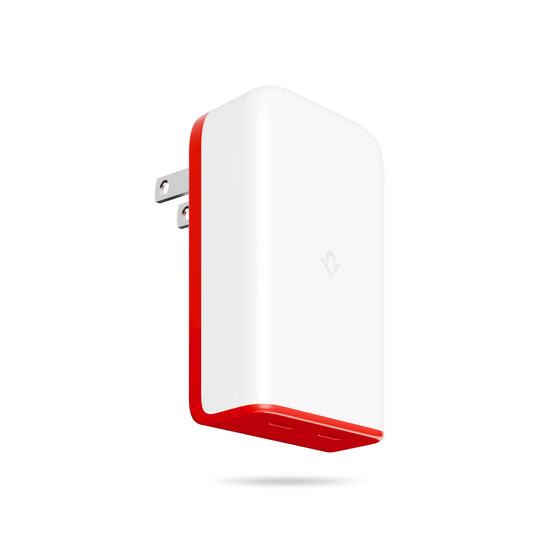
Twelve South’s PlugBug is the first ever USB-C plug with built-in Find My! Travellers will never leave their charger in the hotel or airport lounge again. Simply launch the Find My app on an iPhone so see exactly where it is, even if it’s on the other side of the world. The PlugBug can also act as an AirTag tracker for any bag it’s in, allowing users to find both their bag and charger. Users can even utilise the Notify When Left Behind feature to help ensure it’s not lost in the first place.

It can charge Power Delivery compatible devices much faster than a standard USB-C charger and detects which devices are being charged and delivers the right amount of fast charging power to them. Available in 50W with two ports or 120W with four ports, the Plug Bug also includes EU (Type C) and UK (Type G) interchangeable adaptors.

Folding prongs and ports that are accessible from the bottom of the charger rather than the back, make it easy to plug in to wall outlets in tight spaces, such as behind a sofa or side table. The all new travel version includes adaptors for US, UK, EU, AU KR and CN as well as a handy travel case to keep things organised.

QDOS PowerMotion Ultra 4.0 USB cable
Price: £39.99
Available from QDOS
The new QDOS PowerMotion Ultra USB-C to USB-C cables offer high performance both in terms of power delivery and data transfer. Users can enjoy up to 40Gbps of data transfer, making it the ideal travel accessory for creatives who travel, gaming, and those who want to transfer large files.
What’s more its 100% recycled TPE stepped connector means it’s compatible with all USB-C and high power enabled devices including Macbooks, laptops, smartphones, tablets and more.
Vango Tempest Airbeam pump from Outdoor World Direct
Price: £89.99
Available from Outdoor World Direct
The most intuitive pump for air tents available, the Vango Tempest pump offers easy inflation of any air tent or awning (not just Vango’s), meaning there is no need to carry and work a manual pump. The rechargeable pump simply plugs into the valve and inflates any tent to the correct pressure, offering effortless, fast-pitching when camping. The included attachments mean it can also inflate other gear like airbeds. It also has a deflate function to safely set down the tent. The LED screen features PSI (pressure gauge) and there’s even a USB port so it serves as a powerbank for charging other devices, like phones. What’s more it weighs just 1kg, so doesn’t add to a backpacker’s or festival goer’s load.
Highlander Ben Nevis 52L rucksack from Outdoor World Direct

Price: £99.99

Available in petrol blue for women and grey for men from Outdoor World Direct in March

Ideal for those who love hiking, and embark on multi-day hikes for pleasure or  the Highlander Ben Nevis 52L Rucksack in men’s or women’s from Outdoor World Direct is specially tailored for women’s bodies and designed for comfort.
The adjustable height system and dual webbing on the shoulder and hip straps prevents shoulder pain from long periods of carrying. Hydration bladder compatibility means no need to lift the rucksack off once it’s comfortably in place to drink to stay hydrated.
Large front and side pockets provide easy access and the included rain cover keeps belongings dry in wet conditions. It also features dedicated points for ice axes, walking poles, and a Pole-Park system for more technical hikes.
Highlander Venture Backpack from Outdoor World Direct
Price: £24.99
Available from Outdoor World Direct
This 20L day pack by Highlander is ideal for day trips, whether exploring the mountains or cities. It is also within cabin baggage size guidelines (H48 x W27 x D16cm) and so can make a useful hand luggage option, especially as it’s packed with features.
The main compartment has compression straps for neat packing and hydration bladder compatibility for outdoors activities. A bungee corded front pouch makes handy storage for a helmet or compressing a jacket, while the elasticated side pockets are perfect for a water bottle and umbrella.
Adjustable chest and shoulder straps allow for correct load distribution, preventing aching shoulders.
Groov-e Kidz Headphones – new upgraded version
Price: £17.99
Available from Amazon now and Currys and Robert Dyas in March
New and improved for 2025, these headphones now have a volume limiter switch of 85db or 100db to help protect little ears. Ideal for keeping them entertained on long car journeys or flights, they can be used wirelessly via Bluetooth or with the included 3.5mm cable (so compatible with in-flight entertainment).
The integrated mic is ideal for catching up with friends or gaming online. The generous 20-hours playback, adjustable headband and soft, padded ear cups make them ideal for long durations. When they’ve finished listening, the Kidz fold down to a compact size for storage or transportation.

Styletech Portable LED Speaker

Price: £19.99

Available from Very

This affordable, compact Bluetooth speaker is ideal for enjoying music and more when travelling. Enjoy up to 11 hours playback and punchy sound from the 5w speaker, while the 11 RGB animated light options on the LED ring – including 5 static colours and 6 animated – are perfect for setting the mood, or turn them off entirely.
Integrated buttons mean controlling playback can easily be done on the speaker, as well as from the connected device. Standing just 105mm tall and with a handy carry loop, it’s the perfect speaker for holidays and adventures.
Maxcom Gold and Silver 2

RRP: £79.99

Available from Amazon in gold and silver

Maxcom Gold and Maxcom Silver 2 smartwatches combine a classic look with advanced technology for managing life on the go. Designed to look and feel like a stunning piece of jewellery, perfect for dinners out when on holiday, its round stainless steel body and shiny gold or silver bracelet accessories any outfit perfectly.

The watches are ideal for travel; make calls and texts, check the local weather and receive important notifications on the go, as well as track steps and outdoor activities. They also continually measure pulse and blood pressure and analyse sleep quality, suggest breathing exercises, measure stress and mood and send reminders to stay hydrated.

Dedicated female focussed features allow women to track their menstrual cycle, fertile periods and pregnancy. A versatile fitness trainer, it also counts calories burned, distance travelled and supports over 70 sports disciplines.

The 1.2-inch AMOLED touch screen is bright and easy to read. Always-On-Display mode allows users to display the time on a blank screen, giving it the feel of a traditional watch. Users can choose from unique, original dials or from over 100 free watch faces that are available in the app. Its efficient battery lasts for up to seven days without charging.

Maxcom FW66 IronR review

Groov-e Triton
RRP: £20
Available from Groov-e, Moto motorway services, House of FraserSports DirectAmazon

Ideal for keeping your devices charged on the go, Groov-e Triton is a folding 3-in-1 portable magnetic wireless charger. Compact and no bigger than a post-it note when folded, it fits easily in a handbag, backpack or carry-on bag, meaning users don’t need to take multiple cables or chargers with them.

When unfolded, it has three separate Qi wireless charging pads that lay flat to provide power to multiple compatible devices. Whether that’s an Android or Apple mobile device, Apple Watch, AirPods or wireless earphones, users can charge them at the same time. Triton can also be folded into a rigid stand, allowing users to watch videos or take calls whilst charging.

Microsoft receives IDA Ireland Special Recognition Award

An Taoiseach Micheál Martin joined IDA Ireland today to recognise Microsoft’s significant contribution to the Irish economy by awarding the company its Special Recognition Award (SRA). This acknowledgement coincides with Microsoft celebrating its 50th anniversary globally, and its 40th year in Ireland.

The Special Recognition Award is presented to companies who have made a significant contribution to both the Irish economy and to Irish society in general. It also highlights Ireland’s strong proposition and attraction for foreign direct investment which includes its talent, innovation, and stable enterprise policies. Previous recipients of the award include Pfizer, Apple, and Google.

The award was presented by Taoiseach Micheál Martin to Brad Smith, Microsoft’s Vice Chair and President, at a special event entitled, “Our Shared Digital Future”, held this morning at Dublin’s Mansion House. The event was attended by over 400 guests from IDA client companies, policymakers, business leaders and Microsoft employees, customers and partners.

Microsoft first established a presence in Dublin in 1985 with a small manufacturing operation with less than 100 people. Through successive investments, transformation and the diversification of its operations, Ireland has become a significant international hub for Microsoft with more than 4,000 people providing software development, engineering, data centres, finance, operations, and sales and marketing services for the EMEA region.

Building on its 40-year history of investment in Ireland, last November Microsoft announced a new strategic investment in its operations with the creation of 550 new Irish-based engineering and R&D roles that will be involved in pioneering the development of new AI technologies.

In presenting the award Taoiseach Micheál Martin said: “I am delighted to present this Special Recognition Award to Microsoft, one of the world’s most successful technology companies. The fact that it has had a presence here for 40 of its 50 years is testament to the value proposition that Ireland offers companies looking to internationalise their business. Microsoft’s decision to choose Ireland as a location from which to expand its operations has contributed immensely to the vibrant and innovative tech ecosystem that has evolved here over the past four decades, not to mention its economic and social impact. I want to both congratulate and thank Brad Smith and all the team for Microsoft’s presence and its continued investments in Ireland, and to assure them of the ongoing support of the Irish Government, through IDA Ireland, as Microsoft continues to innovate, transform, and shape the future of AI.”

CEO of IDA Ireland, Michael Lohan said, “Our Special Recognition Award celebrates the substantial contributions our client companies make to the Irish economy and to the people of Ireland. Foreign Direct Investment continues to be a substantive driver of the Irish economy. Many of our client companies have demonstrated longevity, resilience, and continued commitment, by creating jobs and delivering real economic impact, both nationally and regionally.  Microsoft is one such company and is a very deserving winner of our Special Recognition Award 2025. IDA Ireland and Microsoft have built a longstanding, trusted partnership over four decades of expansion and growth in Ireland and I look forward to our continued partnership throughout the next decades as the company continues to develop the next wave of AI-powered software and technology.”

Accepting the IDA Special Recognition Award Brad Smith, Vice Chair and President of Microsoft said: “For four decades, Microsoft has shared a special relationship with the people and government of Ireland. From our first European Operations centre that shipped software in boxes to customers, to one of our most advanced cloud datacentre campuses delivering AI solutions, Microsoft Ireland continues to play a pivotal role in driving innovation and transformation across the EU.”

Casino Platform Must-Haves for Lasting Success

A great online casino is way beyond mere good looks: fierce competition requires a multitude of functional perks. You can load up on sleek graphics, an unbeatable selection of games, and promotions that stop players in their tracks. But without solid casino platform software capable of handling the pressure, none of it will matter. The NuxGame casino platform is built with all the right tools to keep operators in control while giving players the best possible gaming experience. But what makes a platform truly work? Let’s dwell upon the must-haves for a well-built online casino platform software that keeps players engaged and business owners happy.

Top Qualities of a Great Casino Platform

A great online casino software platform needs to function without issues, keep payments secure, and make sure players never run into slow-loading games. Here’s what every solid platform should have:

  1. A Game Library That Keeps Players Entertained. A casino without exciting games is boring: people won’t stick around for long. A strong casino software setup allows operators to offer a large selection of games, including:
  • Slots with fresh themes. Players love variety, and a constantly updated slot selection keeps them coming back.
  • Table games for traditional casino fans. Blackjack, poker, and roulette are always in style.
  • Live dealer options. Many players prefer real-time gaming with human dealers for a more immersive feel.

A casino platform software that integrates with top game providers gives operators an advantage by keeping their gaming catalog fresh.

  1. Payment Systems That Work Without Delays. Nobody likes waiting around for deposits or withdrawals. A well-built online casino platform software should support:
  • Multiple payment methods. Credit cards, e-wallets, and crypto should all be part of the combination.
  • Fast withdrawals. The faster the cash reaches players, the faster they’re ready to place their next bet.
  • Rock-solid security. Keeping transactions safe is a must for player trust.

A strong casino software setup should handle payments reliably without putting up unnecessary roadblocks.

  1. Player Support That Actually Helps. No matter how good a platform is, players will always have questions. Whether it’s about deposits, game rules, or account issues, a good casino software system should have built-in support tools, such as:
  • Live chat. Players expect quick answers when they run into issues.
  • Email and phone support. Some concerns need a little more attention.
  • An FAQ section that actually solves problems. A well-written FAQ reduces the need for support tickets.

A casino platform software that includes strong support tools helps operators keep players happy while reducing workload.

Turnkey Casino: The Short and Quality Way to Success

Building an online casino from scratch takes serious time, money, and patience. From software development to licensing and game integration, the process can drag on for months. That’s why many operators prefer turnkey gambling software, a readymade solution that handles all the heavy lifting. A turnkey casino comes packed with everything needed to start, allowing operators to skip the stress and launch faster.

Here’s why a turnkey casino makes sense for operators:

  • Faster launch times. Instead of waiting months for development, operators can go live quickly.
  • Pre-built payment and security systems. A turnkey casino website includes everything from transaction processing to fraud protection.
  • Built-in game providers. A strong turnkey casino solution includes a selection of games without the need for individual contracts with developers.

With a turnkey casino service, operators can focus on marketing and player retention instead of getting stuck in software development headaches.

What Separates a Good Casino Platform from a Bad One

A casino platform software that works well is one that players don’t even notice: it just runs without problems. But how can operators tell if they’re working with a platform that actually delivers? Here are the biggest green flags:

  1. A System That Grows with the Business. A strong online casino platform software isn’t built just for today:it should be ready to handle future expansion. This means the ability to:
  • Add more games without complicated updates.
  • Support new payment methods as the industry evolves.
  • Adjust player promotions and bonuses based on user activity.
  1. Easy-to-Use Back-End Tools. Operators should be able to manage their platform without feeling like they need a degree in software development. A well-built online casino software platform should provide:
  • Intuitive dashboards. Seeing player activity, revenue reports, and game performance should be easy.
  • Customizable promotions. Bonuses should be adjustable without needing developer help.
  • Fraud detection tools. Keeping the casino secure should be automatic, not a constant struggle.
  1. Mobile Optimization Without the Extra Work. Most players now access online casino sites from their phones. A platform that isn’t mobile-ready is missing out on a massive player base. A good turnkey casino website should:
  • Work perfectly on both desktop and mobile.
  • Load quickly without lag or crashes.
  • Have easy navigation so players aren’t constantly zooming in and out.

Last but not least: you’ll need a casino software setup that prioritizes mobile gaming and keeps operators ahead of the curve.

Bottom Line: Choose a Solid Casino Platform!

Every great online casino starts with smart choices, and choosing the right casino platform software is the most important one. A well-rounded platform powers fast transactions, keeps security tight, and makes customer support flawless. When all these elements come together, operators are setting up for long-term success. The NuxGame casino platform gives operators the complete package, making it easier to run a reliable, profitable, and player-friendly gaming business.

For operators on the prowl for a quick launch, a turnkey casino offers a stress-free way to enter the market with everything already set up and ready to go. A well-chosen casino software system isn’t just about functionality — it’s about creating a gaming environment players trust and return to. Want to build an online casino that keeps players engaged and business booming? Choose the right casino platform software and start growing today!

Types Of Modern Technology Used In Landscaping

In recent years, the landscaping industry has seen a significant transformation thanks to modern technology. From smart irrigation systems to drone-assisted landscape design, the amalgamation of technology and landscaping is not only making outdoor spaces more sustainable but also more efficient, aesthetically pleasing, and easier to manage. In this read, we’ll explore some of the modern technological innovations used in landscaping.


  1. Smart Irrigation Systems


Water conservation has become a critical focus for homeowners, landscapers, and municipalities alike. Traditional irrigation methods are often wasteful, relying on timers that do not account for changing weather conditions. Smart irrigation systems use advanced sensors, weather data, and real-time analytics to deliver water only when and where it’s needed.


These systems are equipped with features such as:


  • Soil moisture sensors: Measure the amount of moisture in the soil, ensuring that plants receive the optimal amount of water.
  • Weather-based adjustments: Using real-time weather data, these systems can skip watering cycles when it’s raining or adjust the watering schedule during hot, dry spells.
  • Remote control: Homeowners can control their irrigation system via smartphone apps, allowing for adjustments from anywhere.

By reducing water waste and improving plant health, smart irrigation systems are playing a key role in creating sustainable landscapes.


  1. Robotic Lawn Mowers


Lawn care has traditionally been a time-consuming task that requires regular attention. However, with the advent of robotic lawn mowers, homeowners can now maintain their lawns with little to no effort. These automated devices use advanced sensors, GPS navigation, and pre-programmed schedules to mow the lawn efficiently.


Benefits of robotic lawn mowers include:


  • Time-saving: Set them to mow at specific times, and they work autonomously.
  • Precision: These mowers are programmed to cut the grass at an even height, ensuring a manicured lawn.
  • Eco-friendly: Most robotic lawn mowers are battery-powered, producing fewer emissions than gas-powered alternatives.

With their ability to work quietly and efficiently, robotic mowers are ideal for homeowners who want a well-maintained lawn without the hassle.


  1. Drone-Assisted Landscaping


Drones are revolutionizing the way landscaping projects are designed and managed. In the past, landscape designers had to rely on sketches and manual measurements to visualize and plan a space. Today, drones can capture high-resolution aerial imagery, providing a bird’s-eye view of the property and helping designers make more accurate assessments.


Key advantages of drone technology in landscaping include:


  • Precision mapping: Drones equipped with high-definition cameras and LiDAR (Light Detection and Ranging) sensors can generate precise 3D maps of the terrain. This is particularly useful for large or complex sites.
  • Topographic surveys: Drones can quickly scan and analyze topography, which is critical for designing effective drainage systems or selecting appropriate plant species.
  • Visual planning: Drones allow designers to create virtual models of landscaping designs that can be viewed from all angles, helping clients visualize the final result before implementation begins.

By streamlining the design process and offering enhanced accuracy, drones are becoming an invaluable tool for landscape architects and contractors.


  1. LED Outdoor Lighting


Landscape lighting has long been a vital aspect of outdoor design, but with the rise of LED technology, outdoor lighting has become more energy-efficient, durable, and customizable than ever before. LED lights use significantly less energy than traditional incandescent bulbs and last much longer, making them a cost-effective solution for homeowners and businesses alike.

Modern LED outdoor lighting can:

  • Change colors: With smart LED bulbs, you can customize the color of your outdoor lights to fit different seasons, occasions, or moods.
  • Be integrated into smart home systems: LED lights can be controlled remotely using apps or integrated with voice assistants like Amazon Alexa or Google Assistant.
  • Highlight features: Landscape lighting can be used to accentuate specific areas of the garden, such as fountains, pathways, or trees, creating a dramatic nighttime effect.

LED lighting enhances the beauty of outdoor spaces while offering long-term energy savings.


  1. Augmented Reality (AR) for Landscape Design


Augmented Reality (AR) is another innovative technology making waves in the landscaping industry. AR allows designers and homeowners to superimpose digital images of plants, structures, and other elements onto real-world environments through their smartphones or AR glasses. This provides a way to visualize how certain elements will look in a specific space before they are physically installed. It is commonly used by top landscaping companies in Ireland such as brosnanlandscapingandpaving.ie


Key benefits of AR in landscaping include:


  • Enhanced visualization: Instead of relying on static sketches, users can see how their outdoor space will look in real-time.
  • Instant adjustments: Designers can quickly modify elements of the design and immediately see how those changes affect the overall aesthetic.
  • Cost-effective planning: By using AR to visualize designs, clients can avoid costly mistakes and redesigns once construction begins.

With AR technology, both professionals and homeowners can experience a new level of design flexibility and creativity.


  1. Artificial Intelligence (AI) and Landscaping Software


Artificial intelligence is playing an increasingly important role in the landscaping industry, particularly in the form of AI-powered landscaping software. These programs can help landscapers optimize designs, manage maintenance schedules, and even predict plant growth.


Some ways AI is being integrated into landscaping include:


  • Landscape design software: AI-powered tools can generate designs based on input criteria such as the size of the space, the climate, and the client’s preferences. These tools can analyze thousands of design possibilities in minutes, making the design process faster and more efficient.
  • Maintenance forecasting: AI can track and analyze weather patterns, plant health, and soil conditions to recommend the optimal care schedule for a landscape.
  • Plant identification and care: AI-powered apps can recognize plants through photographs and provide care recommendations, helping homeowners take better care of their gardens.

AI is helping landscapers work smarter, not harder, and offering a more tailored approach to landscape management.


Final Word

The integration of modern technology into landscaping has opened up new possibilities for creating functional, beautiful, and sustainable outdoor spaces. From smart irrigation systems and robotic lawn mowers to drone-assisted design and augmented reality, technology is enhancing every aspect of the landscaping process. Whether you’re a homeowner looking to improve your garden, or a professional landscaper aiming to streamline your operations, these innovative tools are sure to shape the future of landscaping for years to come.By embracing these advancements, we can not only improve the aesthetics and functionality of our outdoor spaces but also contribute to a more sustainable and efficient world. As technology continues to evolve, the landscaping industry will likely see even more exciting innovations.


WHOOP World First Study: Ozempic Impact On Your Overall Health

WHOOP, the human performance company, has released groundbreaking research into the effects of GLP-1 therapies (eg. Ozempic), offering fresh insights into how these widely used weight-loss medications impact not only body weight but also heart health.
A study conducted by the WHOOP  tracked data from 132 members undertaking GLP-1 therapies over a 12 week period to understand the impact these therapies have on our overall health.
Key Findings from the Study:
  • Meaningful Weight Loss: 90% of participants lost at least 5% of their body weight over the 12-week study, with an average weight loss of 10% per member logged. This surpassed typical results from traditional pharmaceutical trials.
  • Changes in Heart Health: GLP-1 therapies led to an increase in resting heart rate (RHR) by 3 beats per minute and a reduction in heart rate variability (HRV) by 6 milliseconds. These metrics in turn contribute to long-term cardiovascular health.
  • Increase in Physical Activity: Overall participants increased their weekly exercise by an average of 30 minutes. Interestingly, those who were more active experienced fewer negative health side effects (such as nausea, heartburn, and headaches), suggesting that physical activity plays a vital role in counteracting some of the physiological effects of GLP-1 medications.
This study is the first to demonstrate how 24/7 wearable technologies like WHOOP can support individuals using GLP-1 therapies by helping monitor and adjust physical activity levels for healthier outcomes. While GLP-1 medications can be transformative for weight management, the data collected by WHOOP suggests that combining therapy with regular exercise may help reduce potential cardiovascular side effects and preserve our heart health.
A spokesperson from WHOOP explains “At WHOOP, we empower our members to track how lifestyle choices and external factors impact their overall performance, providing a holistic approach to health and performanceOur Journal feature integrates GLP-1 tracking, offering members a clear view of how their medications, physical activity, and other habits interact, promoting smarter decisions for optimal results when it comes to your overall health. We’re excited to see how this research impacts overall behaviour and understanding of weight loss therapies moving forward.” 
WHOOP continues to integrate lifestyle choice tracking into its unique platform, offering personalised insights that allow members to understand not just how their bodies perform, but why they experience changes. This enables members to make informed decisions to optimise their health and performance.
For more information about WHOOP technologies and their groundbreaking studies into human performance and optimisation, please visit www.whoop.com.
Follow our Journey with WHOOP

Tech Upgrades to Improve Travel Efficiency

In today’s fast-paced world, technology is a traveler’s best companion. Whether it’s for a business trip or a leisurely vacation, the right tech tools can transform a cumbersome journey into a seamless adventure. From smarter storage solutions to advanced navigation tools, tech upgrades are making travel more efficient than ever. 

This article delves into key innovations that can optimize your travel experience.

Maximizing Digital Storage Space

Modern travel involves carrying multiple digital devices, each requiring ample storage for files, photos, and videos. For many, laptops with SSDs (Solid State Drives) by Lexar are an essential part of their travel kit, offering faster speeds and better reliability than traditional hard drives. 

Storage needs vary depending on usage, and travelers should consider options that align with their demands. Portable SSDs and cloud storage subscriptions can be game-changers, as portable drives provide quick access to backups while cloud storage enables syncing across devices, ensuring that important files are always within reach.

When choosing between storage capacities, understanding the difference between 256GB and 512GB SSDs is crucial. A 256GB SSD may suffice for light travelers who rely on cloud storage or primarily use their devices for web browsing and basic tasks. However, frequent travelers often find 512GB SSDs more suitable, as they provide additional room for offline files, high-resolution media, and resource-heavy applications. 

The right choice depends on individual needs and whether you want to avoid frequent data management on the go.

Smarter Navigation Systems

Efficient navigation is vital to staying on schedule and reducing travel stress. Modern GPS systems and mapping apps have become indispensable tools, offering real-time traffic updates, route optimization, and offline capabilities for areas with limited connectivity. Devices like advanced GPS trackers or smartphones equipped with satellite navigation systems can help travelers avoid delays and find alternative routes.

For international travel, apps that integrate with translation tools or currency converters enhance usability. Some apps also highlight nearby points of interest, such as rest stops or scenic views, ensuring you make the most of your journey. Investing in navigation tech not only saves time but also reduces the frustration of getting lost in unfamiliar locations.

Enhanced Connectivity On the Go

Staying connected during travel is no longer a luxury but a necessity. Portable Wi-Fi hotspots are a practical solution for travelers who need uninterrupted internet access. These devices are compact and allow multiple gadgets to connect simultaneously, making them ideal for families or groups. Additionally, choosing a global SIM card can eliminate the hassle of finding local network providers at each destination.

For frequent flyers, noise-canceling headphones or earbuds with Bluetooth connectivity enhance productivity and comfort. These devices can block ambient noise during flights or train rides, creating a conducive environment for work or relaxation. Some advanced models also offer voice-assistant integration, enabling hands-free operation while commuting.

Travel-Friendly Power Solutions

Managing power for devices during trips is often overlooked until the moment you run out of battery. Power banks, particularly those with fast-charging capabilities and multiple ports, are invaluable for keeping devices charged on the go. Solar-powered chargers are another eco-friendly alternative for outdoor enthusiasts, providing a reliable energy source in remote locations.

Universal travel adapters with USB-C compatibility ensure that your devices remain functional no matter where you are in the world. These compact tools are versatile and eliminate the need to carry multiple adapters, further streamlining your packing process. For those with an extended itinerary, portable power stations can power larger devices, such as laptops, for longer durations.

Simplified Packing with Smart Luggage

Smart luggage is transforming the way we pack and transport our belongings. With innovative features such as integrated GPS trackers, USB charging ports, and weight sensors, these modern bags enhance organization and boost efficiency for travelers.

Some models also include compartments specifically designed for gadgets, ensuring that they are both secure and easily accessible.

For travelers who prioritize minimalism, packing cubes or compression bags can maximize suitcase space and reduce clutter. Pairing these with a lightweight carry-on ensures mobility without compromising on essentials. Smart luggage not only enhances convenience but also minimizes the risk of misplaced belongings, giving travelers peace of mind.


Streamlined Check-Ins and Security

Airports are often a bottleneck in the travel experience, but technology is helping to speed up processes like check-ins and security screenings. Mobile boarding passes, biometric scanners, and automated kiosks have made it easier to navigate airports efficiently. Pre-enrollment in programs like TSA PreCheck or Global Entry can significantly reduce wait times, allowing travelers to focus on enjoying their journey.

For frequent travelers, digital wallets that store travel documents and vaccination records simplify the process further. With these tools, accessing your itinerary or showing proof of identification becomes effortless, reducing stress and saving time.

Entertainment on the Move

Long travel hours can be monotonous, but portable entertainment solutions make them enjoyable. Tablets or e-readers are excellent for consuming books, movies, or games without carrying bulky items. Many streaming platforms now allow users to download content for offline viewing, perfect for flights or areas without internet access.

Additionally, portable gaming consoles or foldable keyboards for tablets can keep you entertained and productive simultaneously. Compact projectors are a newer innovation, enabling travelers to create a cinematic experience in hotel rooms or while camping. These entertainment upgrades ensure that downtime during travel is engaging and memorable.

Staying Safe with Travel Tech

Safety remains a top priority for all travelers, and tech advancements have provided numerous tools to enhance security. Personal GPS trackers allow loved ones to monitor your location in real time, offering peace of mind during solo trips. Anti-theft backpacks with hidden zippers and RFID-blocking compartments protect valuables from pickpockets and digital theft.

Smart locks for luggage, controlled via smartphone apps, ensure that your belongings remain secure. Some locks also feature GPS tracking, so you can locate your luggage in case it gets misplaced. Investing in safety-focused travel tech is an excellent way to minimize risks and enjoy your trip worry-free.

The Future of Travel Efficiency

As technology continues to evolve, so will the ways we travel. Emerging trends like artificial intelligence in trip planning, virtual reality for immersive pre-travel experiences, and autonomous vehicles promise to redefine the industry. These innovations aim to make every aspect of travel more efficient, from booking to arriving at your destination.

Travelers who embrace these advancements will not only save time but also enhance the overall quality of their experiences. Whether through smarter storage, better connectivity, or enhanced safety, tech upgrades ensure that modern journeys are as seamless and enjoyable as possible.

All in all, adopting the right tech upgrades can dramatically improve travel efficiency and make every trip a pleasure rather than a chore. By carefully selecting tools that cater to your specific needs, you can transform even the most challenging journeys into smooth and productive adventures. With a world of technology at your fingertips, there’s no limit to how far—or how efficiently—you can travel.

DIY vs. Professional Installation: What to Know About Electric Pergola Roofs

Pergola with electric roof functions beyond its appearance by providing both style and functionality to backsquares and patios. Which makes the better choice between doing it alone or getting professional help? Your decision hinges on your competence level along with monetary constraints and anticipated results. The financial savings from DIY work come with installation challenges, although professional installation provides dependable results at a higher price. Before deciding you need to learn about system functions along with the required installation steps.

Understanding Electric Pergola Roofs

An electric pergola roof system makes use of its protective automatic shading features giving automatic adjustment to the pergola roof. A very opulent automated roof panel operations are these systems which utilize motor controlled computers rather than the common traditional manual options in traditional pergolas. An electric roof allows homeowners to adjust the amount of sunlight and ventilation and control rain protection.

The principal features involved in electric pergola roofs are the automatic shading control via remote control.

Motorized capabilities cause the electric louvers or panels to tilt open and to completely retract.

  • There are systems that connect to mobile applications and remotes or voice commands through which users can operate many models.
  • There are some systems in which automatic adjustments happen based on built-in wind and rain sensors and then sun sensors.
  • Because aluminum or weather-resistant steel materials do well in outdoor situations, it is the material used in the production.

How It Works

The control mechanism for the movements of the pergola system roof panel is through an electric motor. Both the electrical wiring and solar power solutions can be utilized in the system power supply. Automatic functionality is one benefit to users as long as they have good electrical installation and proper structural backing for the system.

Why Homeowners Choose an Electric Pergola Roof

  • The structure operates year-round to shield things from sun radiation and rainfall as well as offering defense against snowfall.
  • The canopy design helps diminish cooling costs within buildings by blocking incoming sunlight.
  • Enhanced Home Value – Increases property appeal and functionality.

Planning for Installation: What to Consider

When installing a pergola system, users need to assess important factors,s especially when deciding between self-install or professional installment,t to prevent expensive errors.


  1. Local Building Codes and Permits

Building codes in various areas demand authorizations for pergola construction projects, particularly when electrical work needs performance. Obtain permission from your local municipal department to confirm whether you need the required approvals. The design limitations of some Homeowners Associations affect what homeowners can do with their properties.


  1. Choosing the Right Location

You should position your structure to get maximum sun exposure because it will determine the benefits of shade throughout the day.

Strong wind conditions determine the need for additional anchorage systems to secure a structure.

The position should be selected in locations without potential water accumulation near the structure base.


  1. Power Source Options

A power connection is necessary for installing electric pergolas. Choose between:

A hardwired connection delivers exceptional reliability because it entails electrical installation work.

Implementing solar power creates an environmentally friendly system that delivers reduced power output when lighting conditions darken.


  1. Surface and Structural Support

A concrete patio forms a dependable foundation for buildings.

The weight of the structure requires wood decks to receive structural reinforcement support.


  1. Budget and Long-Term Costs

Self-installation of pergolas demands between $3,000 to $8,000 for necessary materials.

You must pay $10,000 or more for the initial phase of professional installation which includes maintenance labor and factory warranty.

The installation journey remains seamless when you finish proper planning because you can decide between self-installation or using a professional. The following section analyzes self-installation procedures along with the difficulties and benefits of professional assistance.

DIY Installation: Steps, Tools, and Challenges

Installing a pergola with electric roof features can save cost but demands fundamental skills in construction as well as electrical expertise and full precision in assembly practice. The process becomes plausible for you if you have experience operating power tools and completing technical guide steps. The risks from mistakes include high replacement costs and the loss of warranty protection together with potential danger situations.

Essential Tools and Materials

You must acquire several necessary tools and materials for the upcoming project.

Fundamental tools consist of a level, ladder, drill, screwdrivers, measuring tape, wrenches, and a concrete mixer.

If posts need to be set in concrete then use a concrete mixer together with an impact driver and tools for wiring up the motorized system.

The installation needs a pergola kit containing motorized roof panels alongside electrical wiring together with fasteners that must be secured using weatherproof sealant against moisture exposure.

Installation Process

Selection of the installation site requires a flat foundation that exhibits enough strength to sustain the pergola structure. Constructors should select either a concrete slab or reinforced deck for foundation support.

Students should build the pergola frame exactly according to manufacturing guidelines since structural misalignment might harm stability.

Add the Motorized Roof System by fastening the retractable panels to their positions.

Wiring the Electrical Devices will link the motorized system to either a connected power or solar system as its energy source.

Test the System Immediately Before Completion to Verify the Proper Functionality of Opening and Closing Systems.

Challenges to Expect

Any mistake in measurement during this process will result in structural instability.

Errors in electrical wiring may generate equipment failures along with fire risks that additionally harm the motor’s functionality.

The total duration of installation depends on the skill level between one to multiple workdays.

Most manufacturers exclude warranty coverage when buyers install their products independently.

DIY installation provides money-saving potential to homeowners who possess home improvement project experience for acceptably challenging tasks. Not knowing electrical work or structural requirements should lead you to consider hiring a professional instead.

Professional Installation: Process, Costs, and Benefits

Professional installation services provide both efficiency and security for the integration of a pergola with electric roof functions. Hiring professionals for pergola with electrical roof installation provides both a premium cost and an effortless installation process and durable performance.

What Professionals Do Differently

Specialist tools and expert knowledge allow professionals to execute a job in less time and with fewer possibilities of harm. The process typically includes:

A site inspection takes place prior to planning which involves specialists examining the location to verify that the foundation meets structural requirements.

A professional team working together will finish the installation task in one to three business days, which would require seven days for DIY construction

Electricians with licenses lead electrical work which includes delivering safe wiring that meets all building standards.

Companies enable clients to customize their pole structures through options that include LED integration remote control systems,,s and wind sensors.

Cost Considerations

The expense of professional installation increases through the inclusion of mandatory labor fees, although these costs depend on installation difficulty. On average:


  • Pergola materials usually range in price from $3,000 to $8,000 based on size and feature requirements.
  • Labor costs span between $2,000 to $5,000, while additional expenses apply to customized work.
  • The cost of electrical installation for pergolas varies from an additional $800 to as high as $2,500 based on the system installation needs.
  • Local persistent regulations determine the prices of permit fees between $100 and $500.

Why Professional Installation Might Be the Better Option

  • A poorly done pergola installation will lead to expensive repair costs.
  • The professional installation team works much quicker than people who attempt it on their own.
  • Professional services normally provide warranty coverage for their materials together with the labor services they perform.
  • The installation of an electric pergola by professionals makes your home a greater market value.

People seeking assurance from a permanent investment alongside peace of mind should opt for professional installation services. People who possess the necessary skills together with the willingness to put in patience, can make their own DIY project work with anticipated hurdles.

Making the Right Choice for Your Electric Pergola Roof

The decision between self-installation and professional work for electric pergolas depends on your construction skills together with your financial resources and project significance. The benefits of doing the work yourself involve cost reduction though you need to invest time as well as demonstrate precise skills along with patience. Expected benefits from hiring installation professionals include an immediate and secure setup together with warranty coverage, but this professional service comes at a cost.

Beautiful home value combination with outdoor comfort happens through correct motorized pergola installation. Prior to installation, you should decide between independent work or professional assistance while always abiding by the best installation methods. Pergolas built with suitable materials along with correct installation will provide lasting quality and operational capabilities to your outdoor space.

How Technology is Transforming Traditional Industries

From online shopping and personal assistants that know you by name, to self-driving cars, technology is revolutionizing industries and the lives of consumers at breathtaking speeds. While startups often steal the spotlight, traditional industries around the world are also riding the technology wave to stay relevant, efficient, and competitive. This blog takes a deep dive into how technology is reshaping these sectors and introduces you to noteworthy examples.

The Digital Overhaul of Traditional Industries

Technology isn’t just enhancing old practices—it’s redefining them. Here’s how traditional industries are welcoming innovation and using it to their advantage.

1. Modernizing Manufacturing with Smart Technology 

Manufacturing is at the heart of our economy, and recent advancements, such as the Internet of Things (IoT – think of a web of all connected devices and Big Data), robotics, and AI, have elevated its efficiency and supercharged productivity. Smart factories equipped with IoT sensors now offer real-time data on equipment health, production rates, and supply chain dynamics. This allows manufacturers to enhance productivity while minimizing delays and costs. 

Consider how AI-powered robots are streamlining assembly lines, reducing chances of human error, and accelerating production timelines—all critical in today’s demand-driven business landscape.

2. Retail Joins the e-Commerce Revolution 

Retail has been one of the most visibly impacted sectors. Once synonymous with physical stores, modern retail has evolved into a digital-first industry. Online platforms like Amazon and Shopify have democratized access, allowing small businesses to thrive globally. 

Technology like augmented reality (AR – think overlaying digital content on the brick and mortar world a la Pokemon Go) is also breaking new ground in an ever-more engaging consumer experience. Imagine buying furniture online and “placing” a virtual couch in your living room through your phone camera. Retailers are using AR to ensure customers make confident purchasing decisions – and improve the effectiveness of their marketing. 

3. Energizing Agriculture with Precision Tech 

The traditional agriculture industry has undergone major technological upgrades. Precision agriculture uses GPS, drones, and AI to monitor crops, optimize irrigation, and predict harvest yields. Farmers can now ensure efficient resource use and achieve higher profitability. 

For example, drones are being deployed to survey acres of farmland in minutes, providing farmers with actionable data on pest infestations and weather impacts. This minimizes waste while boosting yields significantly.

4. Healthcare in the Age of Artificial Intelligence 

Telemedicine, robotic surgeries, and AI-based diagnostics are revolutionizing healthcare. For instance, wearable health devices can now track vitals such as heart rate, oxygen levels, and sleep patterns, empowering individuals to better manage chronic diseases while directing actionable data to healthcare providers. 

AI’s role in diagnostics is another game-changer. Advanced AI-powered tools are being used to detect conditions such as cancer far earlier than traditional methods, significantly improving patient outcomes.

5. Reimagining Entertainment and Gambling 

Technology has transformed how we consume entertainment, including the casino and gambling industry, particularly in places like New Jersey. The state has embraced technology to offer a thriving online casino market, allowing residents and visitors to experience the thrill of gambling from their own devices. 

With features like live dealer games and virtual slot machines now accessible digitally, online casinos offer the same excitement as brick-and-mortar setups—with the added convenience of playing anytime, anywhere. Take FanDuel Casino, for example, which offers a range of traditional casino games like blackjack and roulette along with sports betting options, all on one platform.

6. Optimizing Supply Chain Management 

Finding efficiencies in supply chain operations has always been crucial for industries like logistics, retail, and manufacturing. Technology is making it possible to achieve unprecedented levels of optimization. 

For example, blockchain is helping supply chain managers improve transparency by offering a digital ledger for tracking goods across the supply network. Meanwhile, AI enhances real-time tracking, ensuring that deliveries are on time and that companies avoid bottlenecks.

Out With the Old and in With the New 

Traditional industries are no longer confined to outdated tools and processes. Instead, they’re proving that adaptation is the key to resilience and success. Technology has become not just a tool but a driving force behind this transformation. 

Industries such as manufacturing, agriculture, and even regulated markets like gambling in New Jersey are demonstrating how innovation can unlock new opportunities and efficiencies. Whether investing in IoT, leveraging AI, or redefining customer experiences with virtual tools, these sectors remind us that there is no limit to what technology can achieve.