New Cybersecurity Directive holds executives personally liable and up to €10 million in fines for organisations

A new directive set to be launched in Ireland in October 2024, could lead to 4,000 businesses in Ireland and their senior executives being personally liable and their organisations exposed to potential fines of up to €10 Million. The expanded Network and Information Security Directive (NIS2) is being implemented to ensure businesses classified as essential and important entities take appropriate measures to enhance their cyber vigilance and protect sensitive data.

In response to these challenges, OpenSky, the business process automation specialists & Microsoft Solutions Partner for Data & AI who use their expertise to bring AI to the centre of digital transformations, have now launched a new Data Management and Governance service for public and private sector organisations.

This new service by OpenSky, powered by Microsoft Fabric & Purview, applies a ‘Data Fabric’[1] approach as the strategy to connect, protect and make data accessible for organisations, aiming to ensure that they meet robust governance and regulatory compliance requirements. In addition their Data Fabric service allows organisations to build greater AI powered insights from connected data by breaking down internal data silos at scale across departments.

Commenting on the new OpenSky offering which will address organisations concerns, Michael Cronin, managing director, said, “The NIS2 directive is reshaping how we approach data management in Ireland, both in the public and private sectors. It’s an opportunity for us to lead by example, ensuring that our data strategies and AI implementations are secure, transparent, and aligned with the best practices in data governance.

The NIS2 directive is an EU-wide legislation on cybersecurity that provides legal measures to increase the overall level of cybersecurity in the EU, and urgently puts pressure on public and private sector organisations to determine its impact on their current cybersecurity posture.

The expanded NIS2 Directive is estimated to impact about 4,000 businesses in Ireland, which is significant considering less than 100 businesses in Ireland are currently impacted by NIS1. The expanded NIS2 brings new categories where organisations in scope are either directly involved in the provision of essential services or connected to their delivery.

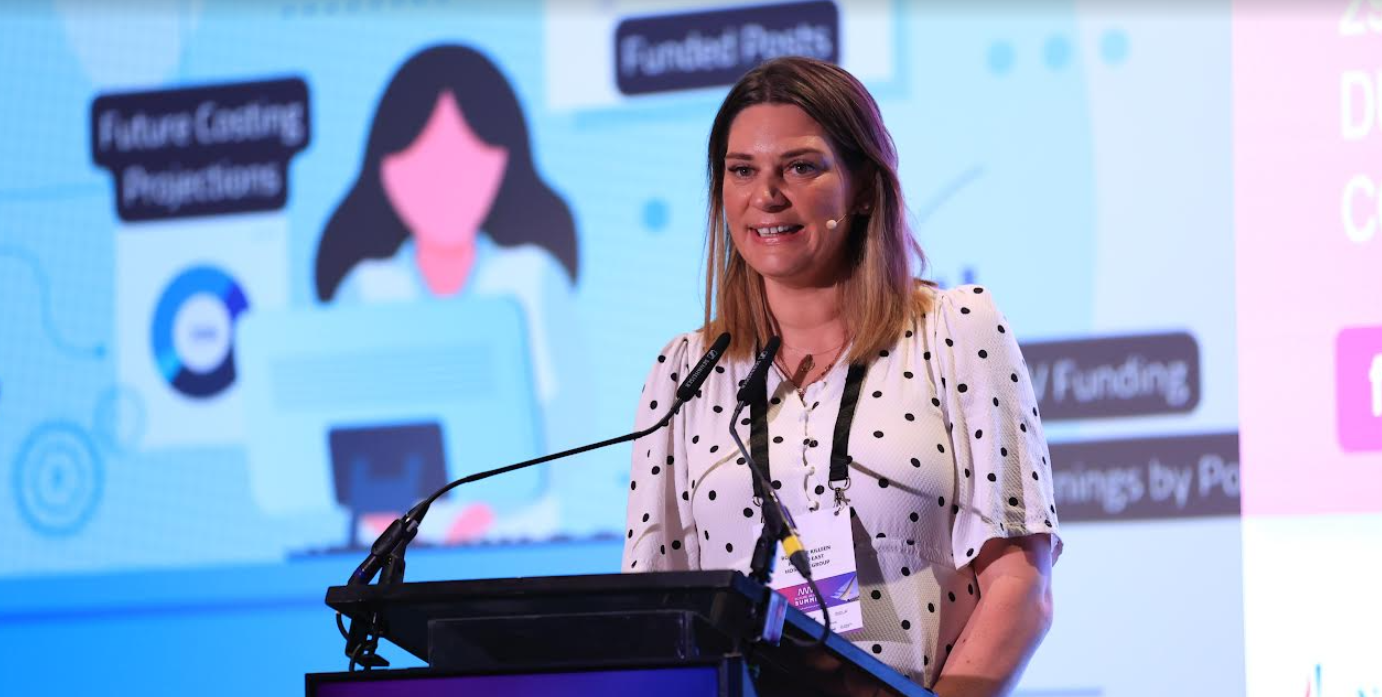
Roseanne Killeen, Acting CEO Ireland East Hospital Group, who has worked with OpenSky on enriching the access and integration of HR & Finance data in the hospital group said, Healthcare faces major hurdles in making data accessible across various departments, and this is due to numerous disconnected data silos. Navigating the challenges around governance and prevention of data breaches can seem like an arduous task but it doesn’t have to be the case when you have access to all your data. We’re not only in a position to govern our data but we’re also now better equipped to provide accountability and transparency to the HSE.”

Based in Naas in Co Kildare, OpenSky has a rich heritage as an Irish digital transformation specialist providing AI powered IT solutions and consultancy services to both public sector and private organisations. OpenSky employs more than 110 people, and this year the company celebrates its 20th anniversary, positioning them as one of Ireland’s most established IT services businesses.

To assess your organisations’ eligibility for a funded Data Governance proof of concept, follow the link here: www openskydata.com

HP Catches Cyber criminals ‘Cat-Phishing’ Users

 HP Ireland today issued its quarterly HP Wolf Security Threat Insights Report, showing attackers are relying on open redirects, overdue invoice lures, and Living-off-the-Land (LotL) techniques to sneak past defences. The report provides an analysis of real-world cyberattacks, helping organisations to keep up with the latest techniques cybercriminals use to evade detection and breach PCs in the fast-changing cybercrime landscape.

Based on data from millions of endpoints running HP Wolf Security, notable campaigns identified by HP threat researchers include:

  • Attackers using open redirects to ‘Cat-Phish’ users: In an advanced WikiLoader campaign, attackers exploited open redirect vulnerabilities within websites to circumvent detection. Users were directed to trustworthy sites, often through open redirect vulnerabilities in ad embeddings. They were then redirected to malicious sites – making it almost impossible for users to detect the switch.
  • Living-off-the-BITS: Several campaigns abused the Windows Background Intelligent Transfer Service (BITS) – a legitimate mechanism used by programmers and system administrators to download or upload files to web servers and file shares. This LotL technique helped attackers remain undetected by using BITS to download the malicious files.
  • Fake invoices leading to HTML smuggling attacks: HP identified threat actors hiding malware inside HTML files posing as delivery invoices which, once opened in a web browser, unleash a chain of events deploying open-source malware, AsyncRAT. Interestingly, the attackers paid little attention to the design of the lure, suggesting the attack was created with only a small investment of time and resources.

Patrick Schläpfer, Principal Threat Researcher in the HP Wolf Security threat research team, comments:

Targeting companies with invoice lures is one of the oldest tricks in the book, but it can still be very effective and hence lucrative. Employees working in finance departments are used to receiving invoices via email, so they are more likely to open them. If successful, attackers can quickly monetise their access by selling it to cybercriminal brokers, or by deploying ransomware.”

By isolating threats that have evaded detection-based tools – but still allowing malware to detonate safely – HP Wolf Security has specific insight into the latest techniques used by cybercriminals. To date, HP Wolf Security customers have clicked on over 40 billion email attachments, web pages, and downloaded files with no reported breaches.

The report details how cybercriminals continue to diversify attack methods to bypass security policies and detection tools. Other findings include:

  • At least 12% of email threats identified by HP Sure Click* bypassed one or more email gateway scanners.
  • The top threat vectors in Q1 were email attachments (53%), downloads from browsers (25%) and other infection vectors, such as removable storage – like USB thumb drives – and file shares (22%).
  • This quarter, at least 65% of document threats relied on an exploit to execute code, rather than macros.

Val Gabriel, Managing Director at HP Ireland, comments:

Living-off-the-Land techniques expose the flaws of relying on detection alone as try sneak past defences. As they are using legitimate tools, it can be difficult to spot threats without throwing up a lot of disruptive false positives. Threat containment provides protection even when detection fails, preventing malware from destroying user data or credentials, and preventing attacker persistence.  This is why organisations should take a defence-in-depth approach to security, isolating and containing high-risk activities to reduce their attack surface.”

HP Wolf Security runs risky tasks in isolated, hardware-enforced disposable virtual machines running on the endpoint to protect users, without impacting their productivity. It also captures detailed traces of attempted infections. HP’s application isolation technology mitigates threats that slip past other security tools and provides unique insights into intrusion techniques and threat actor behaviour.

About the data

This data was gathered from consenting HP Wolf Security customers from January-March 2024.

The 5 key trends in digital transformation for 2024: what companies need to know

In a world where technology is developing at an incredible pace, digital transformation is not just a trend but a necessity for every company that wants to remain competitive. Experts from the consulting company Avenga have identified five key trends that will shape the business landscape in the near future.

Artificial Intelligence and Machine Learning

Artificial intelligence and machine learning continue to lead the way in digital transformation, transforming industries and redefining business capabilities. These technologies automate routine tasks and open up new horizons for innovation and service personalization. In particular, advanced data analytics allows for processing and analyzing huge volumes of data faster and more accurately than ever before. Personalization of the customer experience enables companies to create individualized offers for each customer, optimize the customer journey, and improve service. In turn, automation and process optimization not only increase enterprise efficiency but also significantly reduce the likelihood of errors. 


Moreover, artificial intelligence also improves decision-making by providing organizations with deep and accurate analytical data for making more informed decisions. According to specialists from the leading digital transformation consulting company Avenga, a prominent example of successful AI and machine learning application is Amazon. The company uses artificial intelligence to personalize product recommendations for its customers. More specifically, machine learning systems analyze purchase history, search queries, and user behavior on the website to suggest the most relevant products and enhance the customer experience.

Process Automation and Robotics

Process automation and robotics are changing traditional approaches to business and production management. These technologies guarantee efficiency and cost reduction, increased accuracy and reliability of task execution, improved working conditions, integration with artificial intelligence, and the development of intelligent production. For example, Toyota has implemented robots on its production lines to automate assembly operations. This has increased productivity, reduced the likelihood of errors, and improved workplace safety for employees.

Cloud Technologies and Big Data

According to our interviewees, cloud technologies and big data analytics are the most significant trends in digital transformation, offering enterprises new ways to store, process, and analyze information to improve decision-making and business operations. The scalability and flexibility of cloud solutions allow companies to amplify their IT resources according to current needs, providing agility and cost optimization. Access to advanced analytical tools enables companies to better understand customer needs, optimize processes, and make informed strategic decisions. 

Improving collaboration and communication contributes to better interaction between teams, regardless of their geographical location. Cloud technologies also offer advanced cybersecurity solutions, helping protect valuable data from external threats. Importantly, these technologies are available to companies of all sizes, not just large corporations. 

Among successful examples of implementing this trend is Netflix. The company uses cloud computing and Big Data analytics to store and process huge volumes of video content, as well as to analyze user preferences and optimize its streaming service.

Cybersecurity

In the era of digital transformation, cybersecurity is a top priority for companies of all levels and industries. Hackers constantly refine their methods, using increasingly sophisticated ways to gain unauthorized access to corporate resources. Modern cybersecurity solutions aim to create integrated systems that can automatically detect, analyze, and respond to potential threats. Training employees in the principles and basics of cybersecurity becomes a necessity, as many attacks begin with social engineering or phishing. 

Moreover, compliance with regulatory requirements and standards in cybersecurity, such as GDPR, HIPAA, or PCI DSS, not only protects the company from fines but also enhances its business reputation. Developing and implementing a comprehensive strategy includes regular audits, monitoring, threat analysis, and rapid incident response. For example, CyberArk provides cybersecurity solutions, specializing in privileged access management and protection against internal threats. Their products protect critical assets and comply with compliance requirements.

Sustainable Development and Social Responsibility

Sustainable development and social responsibility are an integral part of the digital transformation strategy for companies, as consumers and investors increasingly choose brands that demonstrate care for social and environmental issues. A good example is Unilever, which has launched a sustainable development program to minimize its environmental footprint and improve the social well-being of the communities with which it interacts. The program specifically focuses on reducing waste in production, increasing energy efficiency, and supporting local farmers.

It is important to understand that digital transformation is not a one-time project but a continuous process that requires constant adaptation and innovation. The five key trends outlined by the experts from the consulting company Avenga emphasize the need for companies to be flexible, secure, innovative, and socially responsible in their approach to digital change. Understanding and embracing these trends will allow organizations not only to survive but also to thrive in a rapidly changing and increasingly digital world.


Essential Security Awareness Training Tips To Stay Safe

Cyber threats are an ever-present danger in today’s increasingly digital world, making cyber security more crucial than ever. Security awareness training plays a pivotal role in protecting individuals and businesses from these threats by educating users on the risks and teaching them how to safeguard their information effectively.

Security awareness training takes a proactive approach to dealing with these threats. Instead of waiting for a security incident to happen and begin the contamination and eradication process, the goal is to make sure threats don’t occur in the first place.

It takes the form of a training program and can be taught in multiple ways, with the most common being the classroom setting. This article will look to explain the essence of cyber security training and provide actionable tips to make your training programs really stand out.

Why Cyber Security Awareness Training Matters

As cyber threats become increasingly sophisticated and damaging, the need for robust cyber security awareness training has never been more critical. Data breaches, phishing scams, and malware infections are just a few of the myriad threats that can lead to substantial financial losses and severe reputational damage. 

Importantly, human error often plays a significant role in these security breaches. Many incidents stem from simple mistakes, such as clicking on a malicious link or using weak passwords, underscoring the necessity of educating employees on how to recognize and mitigate risks effectively.

Moreover, the continuous evolution of cyber attacks demands that training programs are not static but are updated regularly to reflect new threats and tactics. Training empowers employees, arming them with knowledge to not only prevent attacks but also to respond swiftly and effectively if an incident occurs. 

This proactive approach to security can drastically reduce the potential impact of cyber threats on your organization. Therefore, investing in comprehensive cyber security awareness training is essential for maintaining the integrity and security of both data and systems in any modern organization.

Key Components of Effective Security Awareness Training

There are two main components to an effective security awareness training program. Those are:

  • Comprehensive Coverage: Security awareness training should cover all aspects of cyber security, from understanding the basics of internet safety to recognizing complex phishing emails and managing secure passwords. Training must be comprehensive, addressing everything from social engineering tactics to secure internet practices.
  • Regular Updates: Cyber threats are constantly evolving, which means that the information taught last year may already be out of date. Regular updates to training programs ensure that the material stays relevant and that trainees are aware of the latest tactics used by cybercriminals.

These two components ensure the training program contains all the elements necessary to protect your organization through education.

Actionable Tips for Implementing Security Awareness Training

Now, let’s get into the gist of it by outlining the five actionable tips to make your security awareness training program stand out. 

Assessing Your Needs

A successful security awareness program starts with a thorough assessment of your organization’s specific vulnerabilities. This initial analysis involves evaluating your existing security measures, identifying potential risks, and understanding the impact of various threats. For businesses handling sensitive customer data, the focus might be on techniques to prevent data breaches, such as securing databases and ensuring data is transmitted securely. 

For companies with customer-facing roles, training might emphasize the recognition and avoidance of social engineering tactics, which often exploit personal interactions to gain unauthorized access to information. It’s important to develop a training curriculum that addresses these identified risks with targeted, situation-specific advice.

Engaging Training Material

The effectiveness of any training program heavily relies on the interest it can generate among the participants. Traditional lecture-based approaches are often inadequate because they fail to engage learners effectively. To captivate and educate, incorporate interactive elements such as quizzes, games, and scenario-based activities. These methods encourage active participation and can help cement the knowledge presented. 

For instance, a game might simulate the process of identifying phishing attempts, while scenario-based training could involve role-playing exercises where employees respond to various security threats. Using narratives from real-world breaches can also dramatically underline the importance of vigilant security practices and the severe consequences of negligence.

Frequent and Varied Training Sessions

Cybersecurity training must be an ongoing effort to remain effective. The digital threat landscape is continually evolving, and so should your training program. Regular training sessions should be scheduled to reinforce previous lessons and introduce new topics as threats arise. To prevent these sessions from becoming monotonous, vary the training methods and content. 

For example, one session might focus on the technical aspects of cybersecurity, such as understanding malware and its mitigation, while another session could deal with behavioral aspects, like identifying suspicious email characteristics. Changing the format—from workshops to webinars or interactive e-learning modules—can also help maintain engagement.

Testing and Feedback

An integral part of any training program is evaluation. By incorporating tests, such as quizzes or simulated phishing emails, you can measure how well participants are absorbing the material. These tests also help identify areas where additional instruction may be necessary, allowing you to tailor future training sessions to address these gaps. Equally important is gathering feedback from participants. 

This feedback can provide critical insights into how engaging and helpful the training sessions are and what improvements can be made. Encourage honest feedback by making it easy and anonymous to provide. Use surveys or feedback forms at the end of each session to collect participants’ thoughts and suggestions.

Creating a Security Culture

The overarching goal of security awareness training is to instill a robust culture of security throughout the organization. This cultural shift requires buy-in from all levels of the organization, from the executive suite to entry-level employees. Each individual must understand the critical role they play in maintaining security and be committed to upholding best practices. 

Leadership must lead by example, demonstrating a commitment to cybersecurity in their actions and policies. Regular communication from the top down about the importance of security, recognition of employees who exemplify good security practices, and ongoing support for security initiatives are essential for embedding security into the organizational culture.

Tools and Resources for Cyber Security Training

Several tools and resources can enhance your security training efforts. Software that simulates phishing attacks provides practical experience in spotting scams. Online platforms offer a range of training modules that can be customized to meet your needs. Additionally, there are numerous free resources available that provide valuable content for starting or supplementing your training program.

Conclusion

Implementing robust security awareness training is not just beneficial; it is necessary for the protection of both personal and organizational digital assets. Starting with a comprehensive and engaging training program, regularly updated and supported by a strong security culture, can significantly reduce the risk of cyber threats. By taking proactive steps today, you can safeguard your digital tomorrow. Start small if you must, but start—your security depends on it.


Deepfakes and Hacktivism Take Centre Stage at Cyber Leader Summit in Belfast

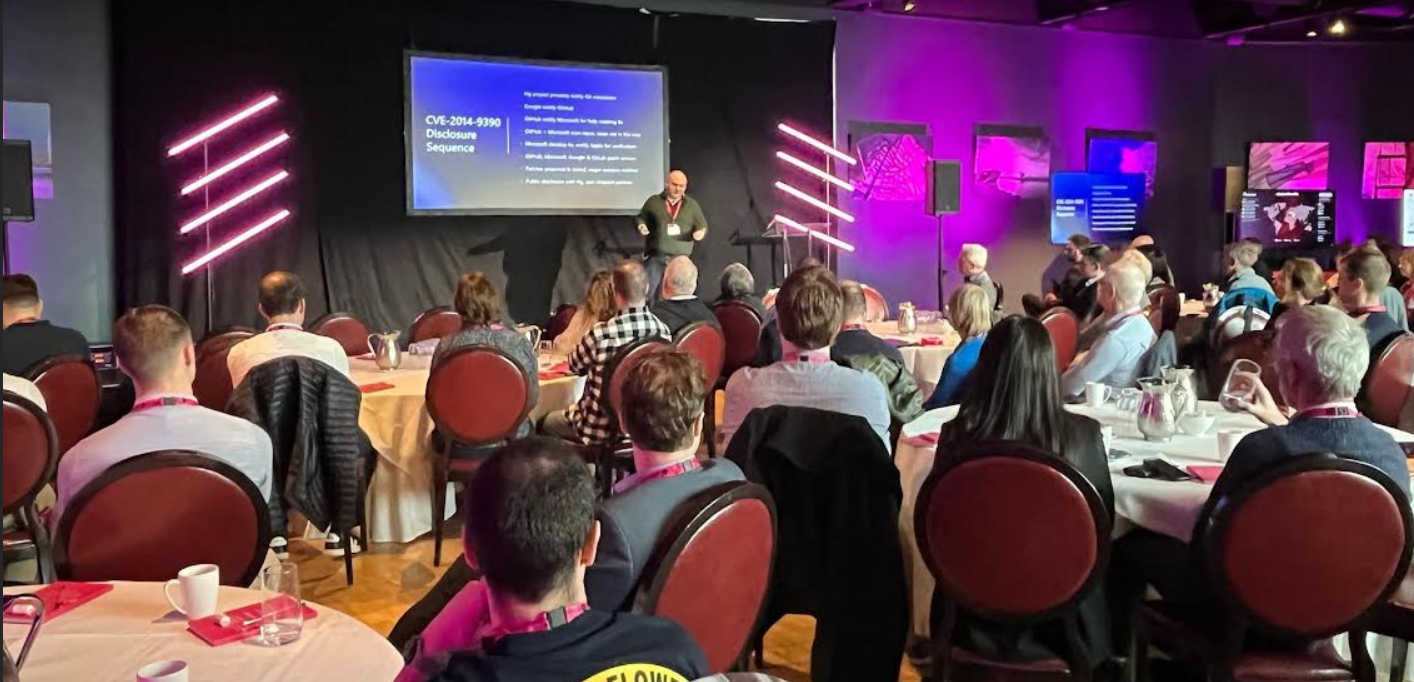
Deepfakes have jumped from the pages of science fiction to become a legitimate business risk that could influence polls in the upcoming UK election . That was one of the messages from Deryck Mitchelson, Global CISO at Check Point® Software Technologies Ltd. (NASDAQ: CHKP), a leading AI-powered, cloud-delivered cyber security platform provider, when he spoke at the Cyber Leader Summit held in Belfast at the Titantic Belfast on the 14th of February. As these sophisticated manipulations proliferate, the integrity of democratic processes faces unprecedented challenges, highlighting the urgent need for robust defences against AI-driven disinformation campaigns.

The one-day event brought together over 110 delegates and experts from Check Point, Microsoft, GitHub and Women in Cyber Security, among others, to explore the biggest cyber threats facing organisations today. It is the first time the event has been held in Belfast, which is fast becoming a hub for major players in the technology space.

During his presentation, Deryck explored the topic of Artificial Intelligence (AI) in relation to cybercrime and its influence on attack methods. He discussed how it has evolved to become a serious instrument in a cybercriminal’s arsenal when executing phishing, ransomware or hacktivism campaigns. “AI is not a new notion; we have been using it as the brain behind our threat intelligence for many years, “said Deryck. “However, the technology has changed so rapidly over the last twelve months and new versions such as Generative AI (GenAI) have made it more attainable for cybercriminals. While these skills were once reserved for technically minded hackers, anyone with access to the internet and free online tools can now generate alarmingly realistic phishing emails with a few good prompts.”

Deryck went on to share examples of how deepfakes, including voice clones, have had an impact on businesses and could potentially influence major events such as the general elections later this year. There have been several incidents recently, including a worker in Hong Kong who paid out £20 million to a fraudster impersonating a CFO during a conference call. However, he was also clear that defenders are using AI to fight fire with fire. He added: “Deepfakes used to be the work of science fiction, but they are now a legitimate risk for businesses and their bank balances. They could also be used to influence public opinion during the upcoming elections.

“It is important that we don’t underestimate the potential impact this technology could have on organisations of all sizes. The good news is that companies like Check Point are leveraging the power of AI and Deep Learning to predict and prevent attacks from happening.”

In the morning, delegates also heard from other industry experts such as Lotem Finkelstein, Director of Threat Intelligence at Check Point. He provided insights into the world of hybrid cyberwarfare, demystifying the role of cybercrime during time of conflict. Other sessions included talks from Lesley Kipling, Chief Advisor at Microsoft on the importance of zero trust and Martin Woodward, VP of Developer Relations at GitHub regarding vulnerability fixes in open source.

The afternoon featured more presentations with Jennifer Cox, Director at Women in Cyber Security advocating for diversity in the industry, before the day finished on a panel discussion where experts covered a range of topics, including bringing new talent into the industry. This was a sentiment shared by Seamus McCorry, Check Point’s country manager, in his closing remarks. He was keen to emphasise the potential for Northern Ireland to become a cybersecurity powerhouse.

Seamus said: “We have a great pool of talent coming through our universities and it is important that we engage and encourage this new generation to live and work in this vibrant city. The cybersecurity industry is a thriving business, and together we can build a resilient future.”

MTU Drives Innovation with Cybersecurity and Sustainability-Themed Hackathon

Munster Technological University (MTU) and Cyber Ireland, in collaboration with the INGENIUM University alliance, is set to host an exhilarating Cybersecurity and Sustainability-themed Hackathon on the 12th and 13th of February at the Bishopstown Campus. In this dynamic event, 50 students from the INGENIUM University alliance, spanning 10 universities, including MTU, and multiple disciplines, will converge to tackle key challenges in cybersecurity and sustainability.

The hackathon focuses on addressing industry challenges in cybersecurity and sustainability, allowing students to gain a deeper understanding of real problems and develop potential solutions. The hackathon aims to foster collaboration and innovation among multidisciplinary international student teams and provide a practical application of academic knowledge. Participants will navigate the process of defining problems, developing solutions, fostering their entrepreneurial spirit, and presenting their work through impactful pitches. Cash prizes will be awarded for the best overall concept and the best pitch.

Teams will comprise five individuals, strategically selected to ensure a balanced academic background, with no team being exclusively composed of cybersecurity students. The teams will be formed from across INGENIUM, which is an alliance of ten universities from ten European countries, comprising 172,000 students and 15,000 staff. MTU proudly holds the position of a founding member of the INGENIUM Alliance and leads the Entrepreneurship workstream.

This event underscores MTU’s commitment to promoting regional, national and international partnerships and equipping students with the skills necessary to pursue and achieve their ambitions. With the collaboration and support of MTU’s External Affairs Office, Cyber Ireland and the MTU Innovation and Enterprise Office, this event promises to be an outstanding display of academic excellence and fun.

Dr. Sean McSweeney, MTU INGENIUM Coordinator said: “MTU is a very proud partner in the INGENIUM Alliance as we expand our global outlook and develop a better future for our students together.”

Eoin Byrne, Cyber Ireland Cluster Manager said: “The Hackathon aligns closely with Cyber Ireland’s goal of Developing the Workforce. We must make cybersecurity accessible with clear pathways and progression, while inspiring the next generation to consider a career in cybersecurity. It’s great to have the support from our industry partners who are key to the success of the event.”

Sponsors of the event have stated:

Rob Cameron, Cybereason: “Cybereason are delighted to sponsor this hackathon at MTU. As a company who believes in the growth of cybersecurity talent, witnessing the next generation of professionals emerge first hand is truly inspiring. A practical event like this gives a great platform to showcase their talent and skill sets and we are privileged to be a part of their journeys”.

Brian Ahern, Senior Manager, ISRM Training & Awareness, McKesson: “McKesson are delighted to sponsor the Cybersecurity Hackathon event in MTU which educates students on how to protect their future employers against evolving cybersecurity concerns.”

Louise MacIndoe, Security Program Director, Logitech: “Logitech is proud to support the Cyber Ireland and MTU Student Cybersecurity Hackathon 2024, providing an opportunity for young innovators to collaborate and create solutions for real-world problems. We are committed to nurturing the future generation of business & technology leaders, and events like this provide an excellent platform for doing so.”

Luke McDonnell, Head of PR, Huawei Technologies: “Developing the next generation of cyber-talent is important because Ireland has a great opportunity to become a cybersecurity leader in Europe. Hackathons challenge students to put their college learning into practice in a practical way and while technical skills and know-how are important, so too are the soft-skills that students will develop throughout the challenge, these skills cannot be understood and are essential for today’s modern graduate. Huawei is proud to support the Cyber Ireland and MTU Student Cybersecurity Hackathon 2024 and looks forward to seeing the students in action.”

Cyber Ireland unveils ambitious roadmap to drive Cyber Security sector growth by 2030

Cyber Ireland, the leading national cyber security cluster organisation, has today launched a comprehensive strategy aimed at driving the growth of Ireland’s cyber security sector by 2030. With a proven track record since its establishment in 2019, Cyber Ireland has evolved into a national representative body, uniting over 160 member organisations, including start-ups, SMEs, multinational corporations, and educational institutions.

Originally conceived to address cyber security skills shortage as an initiative at Munster Technological University, Cyber Ireland has grown into a recognised industry force, hosting activities across four strategic workstreams and also responsible for organising the annual Cyber Ireland National Conference (CINC), the premier cyber security conference which attracts leading cyber security experts from across Ireland and the globe.

According to the State of the Cyber Security Sector 2022 report the cyber security sector in Ireland employs over 7,300 professionals working across nearly 500 companies contributing €1.1 billion annually to the economy. Ireland requires a strong domestic cyber security sector with companies of scale that can deliver high value services to provide cyber resilience for the country and compete internationally. This can build on existing strengths as the island of Ireland grows into an international hub in Europe for cyber security multinational operations and further increase FDI in cybersecurity.

There has been strong demand for cyber security skills over the past four years with a trebling of job roles advertised between 2019 and 2022, from 2,000 jobs advertised to 6,700 open roles. On a growth trajectory of 10%, the sector anticipates the creation of 10,000 additional jobs by 2030, totalling 17,000 in the sector, contributing €2.5 billion per annum to the economy. How this demand is met given the existing skills shortages and skills gaps will be central in making Ireland a leader for cyber security talent globally.

Pat Larkin, Chairperson of Cyber Ireland and President, Ekco Security, said, “There is an incredible opportunity in front of us. Analysts quantify the current Cyber Security market opportunity in or around 200-250BN USD with a 15% growth rate. A recent consultancy report estimates that the current vended market spend may be 10 times under penetrated and thus the addressable market may be between 1.5 and 2 trillion USD.”

“No matter how you look at it, we cannot capture or service even a small percentage of that addressable market currently as individual entities. By working together as an industry sector we have a massive opportunity to capture a greater share of this market from Ireland, through Cyber Ireland,” Larkin added.

Eoin Byrne, Cluster Manager Cyber Ireland, said, “We have established the cyber security cluster as the representative body and coordinator of industry in Ireland, and are now recognised in Europe with our Cluster Management Excellence Award. We have quantified for the first time the size, scale and contribution that the cyber security sector makes to Ireland inc. and its potential for growth.

We now need to take Cyber Ireland, and the cyber security sector, to the next level by working with the wider ecosystem across industry, government, academia, training providers, research, investors and industry associations to drive business growth and position Ireland as a global leader,” Byrne said.

The opportunity now exists for Ireland to capitalise on its cyber security strengths and competitive advantages to develop a leading cyber security sector in Europe, and globally, providing resilience domestically and competing internationally. Cyber Ireland aims to be the driving force to deliver on Ireland’s cyber potential through the implementation of its new cluster strategy 2024 – 2027. The new strategy has four Focus Areas across Building the Community, Driving Business Growth, Developing the Workforce, and Advocacy and Promotion.

The cluster has recently been accredited with the European Cluster Excellence Initiative (ECEI) Bronze Label for “Striving for Cluster Excellence” by improving its management capabilities and performance levels. Cyber Ireland joins over 1,000 cluster organisations from 45 countries that have been benchmarked and received the award. The recognition will create additional opportunities for the cluster to promote the sector and engage with European organisations and clusters, and secure European funding.

Cybersecurity Mastery: 6 Insider Tips to Safeguard Your Data and Identity

In today’s digital age, cybersecurity is a growing concern for individuals and businesses alike. With the constantly evolving technology landscape, the risk of cyber-attacks and data breaches has become more prevalent than ever before. From phishing emails to ransomware attacks, our personal information and sensitive data are under threat every day.

As we continue to rely on technology for work, communication, and daily tasks, we must take proactive measures to protect ourselves from these potential threats. Let’s dive in and learn how to master cybersecurity!

Consider Removing Your Data

Many people are unaware that their personal information is publicly available on various websites, making them vulnerable to identity theft and other cybercrimes. If you no longer need your account or just want to remove your online presence, you should know how to remove info from MyLife and similar websites. By doing so, you will reduce the chances of your data being accessed by unwanted parties.

Use Strong, Unique Passwords

Having a strong, unique password for each of your online accounts is no longer a recommendation but a necessity. Hackers and cybercriminals constantly come up with new ways to access personal data, and using easily guessed information like birthdays or common words only makes it easier for them. To ensure your online security, it’s best to use a combination of uppercase and lowercase letters, numbers, and special characters that aren’t easily tied to your personal information. The next time you’re creating a password, think beyond the obvious and get creative!

Activate Two-Factor Authentication

Two-factor authentication, also known as 2FA, is an additional layer of security that requires users to provide two forms of identification before accessing their accounts. This typically involves a password and a unique code sent to your phone or email.

Once you enable 2FA, you add another level of protection against unauthorized access to your accounts, even if someone manages to obtain your password. Many popular websites and apps offer this feature, so be sure to activate it whenever possible.

Stay Alert for Phishing Attempts

Phishing is a common tactic used by hackers to steal personal information through deceptive emails or websites. These fraudulent attempts often appear legitimate and may include links, attachments, or requests for personal information.

To safeguard against phishing attacks, you must stay alert and never click on suspicious links or provide personal data unless you’re absolutely certain of the source. Even some seemingly authentic emails can be phishing attempts, so always double-check the sender’s email address and verify any requests for sensitive information before taking action.

Keep Software and Devices Updated

Regularly updating your devices and software is one of the simplest yet most effective ways to protect your digital footprint. These updates are not just about adding new features or improving performance — they often contain important security patches that safeguard against known vulnerabilities.

If you keep your devices and software up to date, you can minimize the risk of cyber-attacks and protect your sensitive information. Don’t procrastinate on those pesky updates because your cybersecurity depends on it!

Use Reliable Antivirus Software

Reputable antivirus software offers real-time protection and detects any malicious activity or attempts to access your personal information. Make sure to research and choose a trusted antivirus software that fits your needs, and keep it updated regularly. Antivirus software can also provide additional features such as anti-phishing tools and ad blockers to further enhance your online security.

By following these insider tips, you can better protect yourself against potential cyber threats and safeguard your data and identity. Remember, cybersecurity is an ongoing effort, so stay vigilant and keep up with the latest best practices to ensure your digital safety. Don’t let cybercriminals get the upper hand — take control of your cybersecurity today!

Drone Summit shines light on Northern Ireland’s thriving cybersecurity industry

The UK and Ireland second Drone Summit has highlighted the great potential of drones in the economic growth of the UK and Ireland. 

The summit, organised and sponsored by ANGOKA, supported by the UK Royal Air Force, Invest Northern Ireland and KPMG, who hosted the summit at their Belfast offices, gathered industry leaders from across the UK and Ireland including senior representatives from the British Civil Aviation, the UK Research and Innovation (InnovateUK), AWS, Manna, Skyport, Spright, Avtrain and others discussing the rapid advances being made in the sector. 

The conference explored the economic benefits in the adoption of drone advancements, the role of rapid technology evolution in advancing drone capabilities and making its benefits a reality, the great and complex cybersecurity risks such advancement in technology brings to the drone industry as well as the regulatory and societal challenges the sector faces. 

Shadi Razak, chief technology officer at ANGOKA, says: “Drones are allowing us to achieve more than ever before and continue to provide opportunities to businesses and the local economy. Whilst use of drones is important, the risks of cyber is real, both commercially and physically.  

“The conference allowed us to discuss the benefits of wider adoption of drone usage, and how as an industry we can continue to make advancements. Northern Ireland in particular has really great opportunities for drone development with its thriving technological scene, as well as its links to the UK, Ireland and Europe.  

“We heard of instances of drones being used in vital services, such as the delivery of medication, which is not only of huge benefit to local communities, but also in economic growth. 

“However, as comes with this industry that is moving at a rapid pace, we must be mindful of the risk of cyber. There’s always a worry and a risk of drones being used recklessly or for malicious purposes, especially because it’s a relatively new technology in a new industry, and as we know, technology is always way ahead of regulations and frameworks that will govern and guide.” 

ANGOKA is in the business to ensure the safety and resilience of next-generation air mobility by safeguarding the identification and communication of drone flight and operation in free space or air corridors.  

Throughout the summit, the team at ANGOKA demonstrated to the audience that cybersecurity works both ways in the drone industry. Preventing hostile and unwanted drone activity on the one hand and protecting drones from interference by hackers and other unauthorised sources. The team demonstrated the takeover of a commercial drone, spoofing its video stream and bringing it to fall from the sky. 

Mr Razak concludes: “Drones will have a huge impact on us as a society, even for our own safety, and whilst use of drones is important, but the risks of cyber is real, both commercially and physically. It’s events like this that are so important to bring together thought leaders and innovators to discuss the benefits, and also the downfalls, that come with UAVs, and how as an industry we can work together to ensure both physical and digital security.”