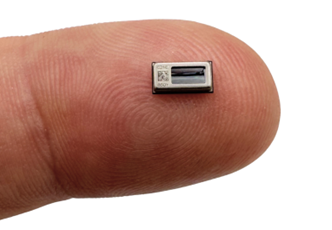
SHURE introduces the compact MVX2U digital audio interface with powerful onboard DSP

Today, Shure launched the MVX2U Digital Audio Interface, a single-channel, XLR to USB solution designed to eliminate barriers to achieving professional level audio. Compact and discrete, the MVX2U’s integrated software provides access to the ShurePlus MOTIV Desktop app for any XLR microphone with little to no setup and delivers up to +60dB of clean gain, perfect for the Shure SM7B, as well as phantom power for condenser microphones.

Ideal for streamers, podcasters, and content creators, the MVX2U is making extraordinary audio achievable for everyone, with robust Digital Signal Processing (DSP) at one of the most competitive prices on the market.

ShurePlus MOTIV for All

Boasting powerful, onboard DSP, the MVX2U interface delivers the customization and simplicity of the ShurePlus MOTIV Desktop app to all condenser and dynamic XLR microphones, regardless of the manufacturer. With the MVX2U, users can transform their existing XLR mic into a USB powerhouse equipped with the tools required to take the guesswork out of achieving extraordinary audio.

The MVX2U ships in Auto Level Mode, which sets gain perfectly in real time, acting as a virtual audio engineer to adjust levels on the fly and provide audiences with a more consistent listening experience. This means creators can focus fully on their content, and not on their mic technique, resulting in less time editing, and more time creating. Auto Level Mode settings, presets, and additional parameters, including “vocal tone,” can be controlled through the MOTIV Desktop App.

Users seeking a more hands-on approach to their sound can also take advantage of additional features available in Manual Mode of the MOTIV Desktop app, including EQ, limiter, and compressor presets. Recurring firmware updates will also be available for the MVX2U, meaning the interface will continue to adapt to users’ needs.

Designed for Versatility 

The MVX2U has a compact form factor compatible with any XLR microphone and can be plugged directly into the XLR output of the mic or at the end of an XLR cable (in-line), giving users flexibility in how they implement the interface into their setup.

Without enough gain, your microphone cannot perform at its best. For this reason, MVX2U provides +60 dB of clean gain, enough to power gain-hungry microphones, such as the SM7B. The MVX2U also ships with Phantom Power enabled for those using a condenser microphone.

“The MVX2U is the most convenient and powerful solution for users looking to convert their XLR microphones to USB at this price,” shared Sean Sullivan, Associate Director of Global Product Management. “The integrated software is designed to be approachable to anyone – experienced professionals and those just starting their audio journey.”

The MVX2U Digital Audio Interface XLR to USB adapter is perfect for streamers, podcasters, content creators, musicians, and all those looking for a compact option to achieve a simple, professional, and fully customizable audio setup. Whether you are using the iconic SM7B or any other XLR microphone, the MVX2U Digital Audio Interface can provide enough gain, phantom power, and DSP control for your needs.

In the box, users will find the MVX2U Digital Audio Interface, a 1m USB-C to USB-C cable, and a printed quick-start guide to help begin using the MVX2U.

Pricing and Availability 

The new Shure MVX2U is now available on Shure.com and at select retailers for RRP £135.

Failure to facilitate hybrid connections creating needless barrier to renewables in Ireland

Ireland’s failure to implement policies that facilitate so-called hybrid connections places unnecessary costs and delays on renewable providers. This warning comes from the Irish Solar Energy Association (ISEA) who want new policies to be expedited so they are implemented as soon as possible to help achieve the ambitious targets of the latest Climate Action Plan.

A hybrid connection is where more than one source of energy or storage is connected to the national grid on a single site. These are currently not permitted in Ireland, meaning that in sites where solar and storage or solar and wind are present together, there is a need for two separate connections. Each grid connection requires the construction of physical infrastructure with the associated costs, planning requirements and time.

While consultations are taking place in regard to increasing the over install limit of connection capacities and an additional consultation is expected to take place in regards to multiple legal entities behind connection points, there is a third, and more important topic, the dynamic sharing of MECs, that needs to be addressed urgently if we are to capitalise on the benefits of updating these policies for consumers and renewable providers.

Speaking about the need for new policies in this area ISEA CEO Conall Bolger said “We have been talking about hybrid sites for nearly a decade, with no output evident aside from on-going consultation processes. We have examples of locations that have two buildings side by side performing duplicate functions. This is extremely wasteful, increases the cost to energy providers and ultimately to consumers.

“There has been a general recognition amongst policymakers that change is required for several years.” But according to Bolger there has been very little action. “The 2019 Climate Action Plan committed to putting the right policies in place by Q3 2020. The latest iteration of Climate Action Plan now makes that same commitment but for Q4 2023. Despite an unexplained 39-month delay, the industry isn’t overly confident that we will see much movement this year.”

ISEA now want the Commission for Regulation of Utilities (CRU) to make a decision. “It feels as if the regulator isn’t focused on the big picture in relation to what needs to be done to expedite the updating of these dated policies with their lack of attention on the dynamic sharing of the maximum export capacity (MEC) by technologies behind the same connection an example of this. If adopted, this will allow for greater flexibility and variety in what can be achieved at hybrid connection points. We need to radically accelerate our deployment of renewables and hybrid connections will help keep costs for consumers lower and ensure faster implementation.

“If we were to place a solar farm on every renewable site already connected to the grid, we could ramp up our delivery of green power while minimising the construction of new network. Everyone knows what is required, so let us put that in place now, and not wait until the end of the year.”

Concluding Conall Bolger, CEO of ISEA said “We are in a climate crisis, everyone agrees that renewables are one of the most important solutions. We need the triumvirate of solar, storage and wind working together to combat Ireland’s reliance on fossil fuels. Allowing hybrid connections facilitates this in an efficient manner.”

Radio Amateurs Ham It Up At Loop Head Lighthouse

A group of (ham) radio amateurs from across the Mid-West will gather at Loop Head Lighthouse Experience in County Clare this weekend to use Morse Code and SSB (Single Sideband) Radio to contact lighthouses and lightships throughout the world.

The Limerick Clare Radio Amateur Club will broadcast non-stop for 48 hours from the West Clare lighthouse this Saturday and Sunday as part of 26th annual International Lighthouse / Lightship Weekend (ILLW)

In previous years, the Club has successfully contacted other radio amateurs in Brazil, Australia, Tonga, French Guiana, Asiatic Russia, Ecuador, The Azores and The US Virgin Islands. The group has also attempted to communicate with its twin club in South Jersey using Earth-Moon-Earth communication, also known as “moon bounce”. First developed by the US military after World War Two, the radio communications technique involves radio waves travelling from one transmitter to another using the Moon as a reflector.

During this weekend’s broadcast, visitors to the lighthouse will be able to listen into communications with some of the 500 lighthouses and lightships in over 40 countries that will be activated by amateur radio enthusiasts.

Leonard Cleary, Director of Tourism Development and West Clare Municipal District, Clare County Council, said, “We are very much looking forward to hosting the Limerick Clare Amateur Radio Club whose members will wind back the clock at Loop Head Lighthouse Experience when they attempt to communicate via radio with hundreds of other radio clubs across the globe.”

Joe Ryan, Secretary of the Limerick Clare Amateur Radio Club, commented, “Loop Head Lighthouse is particularly suitable for long distance radio communication attempts due to its isolated location on the edge of the Atlantic Ocean and the lack of radio interference in the general area. A special QSL Card (confirmation of communication) has been designed to mark the event. The club will operate two stations, one of which will be at the entrance to the Lighthouse so members of the public can listen to some of the transmissions.”

He added, “We are very grateful to all of the staff of Clare County Council and the Commissioners of Irish Lights for their help in planning this event and for allowing us to use the grounds as part of the International Lighthouse and Lightships Weekend.”

Loop Head Lighthouse Experience is one of 17 Great Lighthouses of Ireland, an all-island tourism initiative of Irish Lights. Located at the mouth of the Shannon Estuary with its origins dating back to the 1670s, the lighthouse was first opened to visitors in 2011 and has since become one of West Clare’s most popular attractions.  The lighthouse also is one of two Signature Discovery Points in County Clare along the route of the Wild Atlantic Way.

See www.illw.net for more information on the International Lighthouse and Lightships Weekend. For more information about the Limerick Clare Amateur Radio Club visit  www.limerickclareamateurradioclub.ie

Creative Labs Partners With xMEMS to Unlock Full Audio Potential

Creative Technology is excited to announce a strategic partnership with xMEMS Labs, the pioneers in solid-state fidelity, bringing in a new era of audio excellence for users worldwide by incorporating xMEMS’ cutting-edge micro-electro-mechanical system (MEMS) solid-state speaker technology into Creative’s True Wireless Stereo (TWS) products.

xMEMS technology is a breakthrough in the audio industry, bringing unparalleled sound quality and efficiency to audio devices. Currently, traditional audio devices use conventional drivers to produce sound, which can sometimes result in distortion or loss of audio fidelity. Whereas, with xMEMS’ tiny yet powerful hardware, Creative’s TWS earbuds are set to deliver crystal-clear sound that reproduces every nuance of music and audio content with astounding accuracy. Users will get to enjoy a truly immersive and lifelike audio experience, whether they are listening to their favourite songs, watching movies, or engaging in conference calls.

The solid-state, all-silicon MEMS-based drivers also boast exceptional phase consistency (7x better than conventional drivers), offering superior spatial audio experiences with improved detail and separation. Furthermore, with the integration of xMEMS’s compact hardware, users can expect lighter, sleeker, and more ergonomic Creative TWS earbuds that provide better wearability for users on the move.

“We are excited to partner with Creative to revolutionize the true wireless audio experience,” said Joseph Jiang, CEO and Co-Founder at xMEMS Labs. “By integrating our advanced solid-state MEMS speakers into Creative’s TWS products, we are confident that users will enjoy an unprecedented level of audio quality and efficiency. Together, we aim to redefine the way people listen to music, communicate, and immerse themselves in audio content.”

“As an audio company committed to delivering superior sound experiences, Creative is excited to partner with xMEMS Labs to integrate their innovative MEMS technology into our TWS products,” said Song Siow Hui, CEO of Creative. “By doing so, we are confident that our TWS products will stand out in the market, delivering exceptional sound quality, comfort, and style to our users.”

The partnership between Creative and xMEMS Labs marks a significant milestone in the audio industry, raising the bar for True Wireless Stereo audio devices. The first series of Creative TWS products powered by xMEMS technology are expected to hit the market later this year, promising a game-changing experience for audio enthusiasts and casual users alike.

About xMEMS Labs

Founded in January 2018, xMEMS Labs is reinventing sound with the world’s first solid-state True MEMS speakers for TWS and other personal audio devices. xMEMS has over 100 granted patents worldwide for its technology. The innovative, monolithic transduction architecture implements both actuation and diaphragm in silicon producing the world’s fastest and most precise micro speakers, eliminating spring and suspension recovery of coil speakers. This results in the most accurate time domain music reproduction, unmatched sound clarity, and an elevated sense of space. For more information, visit https://xmems.com.

About Creative

Creative is a worldwide leader in digital entertainment products. Famous for its Sound Blaster® sound cards and for driving the multimedia revolution – which established a user base of 400 million – Creative drives digital entertainment with cutting-edge audio solutions that include premium wireless speakers, wireless headphones, powerful audiophile-grade digital amplifiers and next-generation home-theatre systems. Aiming at the new mobile networked generation by bridging the worlds of the computer, smartphones, and tablets, Creative continues to reinvent the Sound Blaster, with its ground-breaking Sound Blaster Roar series and USB-audio class of products such as the Sound Blaster X7.

In 2016, Creative unveiled the X-Fi Sonic Carrier: a brand-new concept in hi-res audio and video delivery for home entertainment. This technology powerhouse dubbed ‘the soundbar of the gods’ personifies the Audio of Tomorrow.

In 2018, Creative launched an all-new game-changing technology for headphones called Super X-Fi® Headphone Holography. This technology uses computational audio to recreate the listening experience of a high-end multi-speaker system in a professional studio, and delivers the same expansive experience – with the same original depth, detail, realism, and spaciousness – in headphones. Super X-Fi further uses Artificial Intelligence to compute a custom audio profile based on a person’s unique anthropometry. Super X-Fi has won multiple accolades worldwide, including an unprecedented 23 awards at CES 2019-2020.

Tech Review – Tranya Nova earbuds

The Tranya Nova earbuds are one of the latest on offer from the company we have in for review sporting the latest technology at reduced prices, speaking see see below for a further discount on the latest from the company.

The Tranya Nova Bluetooth earphones are powered by the advanced Qualcomm QCC3072 chip and aptX technology. Customized “Tranya Audio” APP gives you all the control you want on your earbuds. 39 total hours of wireless playtime. With 12mm powerful dynamic drivers, advanced aptX Adaptive codecs and our proprietary SonicMax™ technology that can SIGNIFICANTLY enhance clarity and separation, the Tranya Nova wireless earbuds provide an exceptional immersive listening experience, we take a look at the app and the features below and also check out the video review to show you the options at hand which makes for better listening.

The design and build is familiar however they settle well in the years and will not fall out and are comfortable to wear for several hours and for the gamers this will be great to coincide with the game mode option present so it will enhance the gaming experience which for me is little use but tried it out and works well.

The audio experience again here is great at the price point  you have EQ settings to toggle with to get that perfect sound for you and also the earbuds are fully customizable with their control options again nodding up to 5 taps to set a control if wish to do so, for me 4 is more than enough but Tranya take it to another level if you require it. The audio is great, crisp and clear you have bass and sliders to adjust the tone, highs lows and mids are fine and overall a decent audio experience for the price as expected from Tranya.

Adopt Tranya’s exclusive SonicMax™ technology to improve the sound quality, dynamic range and sound details of audio by using special audio algorithms and processing techniques. It enhances the listening experience of music, movies, games and other audio content and provides richer, clearer and deeper audio effects.

They are also decently loud too, calls are clear no lag latency and no distortion when maxed out which are always good signs of a better tuned earbuds which have 12mm dynamic drivers hybrid ANC and 6 mics for calls which works well as mentioned and 6 mics is something not often seen at this price point and for the gamers you have 47ms latency.

Battery life is decent enough too with wireless charging which is always nice to see giving you 36 hours in total, 9 hours on a single charge and with 30 mins wireless charging you can gain 2 hours of play which is great if you are committed to wireless charging like I am for example. With ANC on however you can get around 30-40 mins less with max volume on your earbuds, the ANC works well and is up there with other high end brands but more affordable here. Another bonus here is multipoint connection so for me as usual the laptop and phone are always paired and it is a seamless transition.

Overall for the money here you get plenty of bang for your hard earned buck it has to be said, the case and earbuds might look on the cheap side but don’t judge a book by its cover as they say.


The App


Features 

  • Hybrid Active Noise Canceling : with hybrid ANC technology, the nova buds can eliminate noise up to 43dB. Additionally, they also feature Wind-noise Reduction to minimize wind noise interference.
  • Qualcomm QCC3072 SocTranya Nova features the QCC3072 Soc from Qualcomm, offering a faster and seamless wireless experience.
  • Supported LE Audio: Transmit the audio with low power consumption for improving the battery life and performance of Bluetooth earphones
  •  aptX adaptive Audio Technology12mm dynamic driver plus the aptX adaptive audio codec for better sounding wireless audio experience.
  • Qualcomm cVc 8.0 Technology with 6-mic: Enhanced 6-mic array and cVc 8.0 tech provide to deliver exceptional call clarity and reduce the environmental noise including wind noise.
  •  Seamless Multipoint ConnectionConnect 2 device at the same time with seamless switch.
  • Customized App ControlEffortlessly check battery levels, personalize touch controls, activate noise cancellation, and access more functions with the Tranya audio app.
  •  Bluetooth 5.3 Technologyoffering improved speed, range, and more stable connection.
  • Low latency Game Mode<90ms ultra low latency improve video & gaming experience.
  • 2 Charging Methods: The case can be charged by either Type-C cable or wireless charging pad.
  • 36 Hours PlaytimeEnjoy 9 hours of playtime from a single charge and extend it to a total of 27 hours with charging case.
  • Hall switchSimply open the case to connect to the earbuds.

Get a discount below using the code NOVA15US

BUY

Official website 

Video Review

First Look – Skullcandy Smokin Buds and Skullcandy Rail earbuds

Not long ago Skullcandy announced some cool new earbuds to their portfolio and they were the Skullcandy Smokin and Skullcandy Rail earbuds and we have a pair of each in to test over the next few week, Affordable in price the latest on offer again has all the features you need to go about your day whilst listening to your music and more.

The Skullcandy Smokin buds are the cheapest on offer and when I say cheap I have tested other models before and they sounded great for the price so there is not much to complain about here. The environmentally-conscious earbuds are made with 50% certified recycled plastics. Smokin Buds are equipped with a comfortable and ergonomic design, which guarantees ideal fit, appearance, and noise isolation, all wrapped up in a sleek package.

We will have a review soon so if you have any questions feel free to ask in the interim.

Features

Smokin’ Buds True Wireless Earbuds – £29.99 MSRP 

  • Up to 20 Hours of Battery Life + Rapid Charge – Listen longer with 8 hours of battery life in the earbuds and 12 hours in the charging case + With Rapid Charge, 10 minutes of charge equals 2 hours of playtime
  • IPX4 Sweat and Water Resistant – Go on any adventure without missing a beat ● Skullcandy Supreme Sound® – Unique audio-tuning process enables users to maximize the depth and detail of each sound. Premium audio quality features drivers that have been selected and expertly tuned
  • Music, Movie & Podcast EQ Modes – Delivers best audio quality for music, movies or podcasts ● Noise Isolating Fit – Ergonomic, ovalized design provides all-day comfort and a noise-isolating fit
  • Call and Media Controls via Capacitive Touch – Control volume, calls, EQ modes and activate your devices local Assistant with a tap on either earbud.
  • Microphone in Each Earbud – Allows use of either bud solo without losing the ability to take calls
  • Auto On/Connect – Enjoy automatic turn on and pairing with the last device used ● True Wireless via Bluetooth® 5.2 – Bluetooth® technology offering efficiency improvements and faster pairing
Skullcandy Smokin Buds and Skullcandy Rail earbuds – techbuzzireland

Skullcandy Rail.

These are the more feature packed earbuds and come in an ANC model two so you have choice, either way with the Skull IQ smart feature which if you have not tested is great you can find out how this works by looking back at our reviews and see how easy it makes life for the user. Again a small pair of earbuds with a small stem which I prefer these will sit nicely in your ears and allow you to get on with your day again with features packed in to make life easier, you also have multipoint pairing here which I also love to see and you get personal sound by Mimi.

Full reviews of both will be here soon and a hands on look at what to expect so check out the unboxing below for now and see what you get in the packages.

Additional details surrounding Rail ANC and Rail True Wireless Earbuds include:

Rail ANC True Wireless Earbuds – £99.99 MSRP 

  • Up to 38 Hours of Battery Life (ANC off) + Rapid Charge and Wireless Charging – Listen longer with 10 hours of battery life in the earbuds and 28 hours in the charging case ● IP55 Sweat, Water and Dust Resistant – Go on any adventure without missing a beat ● Adjustable 4-Mic Active Noise Canceling – Actively monitors the surrounding environment to filter out external noise, maintaining a crisp audio quality
  • Skull-iQ Smart Feature Technology® – Issue simple, hands-free voice commands to turn on and adjust Stay-Aware Mode, activate device assistant, launch Spotify Tap, Take Photo and more ● Over-the-Air Updates – Earbuds become smarter over time when new upgradable features are released via the Skull-iQ App
  • Multipoint Pairing – Seamlessly pair to two devices at once, regardless of platform or manufacturer
  • Personal Sound by Mimi® – Tune your audio experience to your unique hearing ability by taking a real-time audio test to create a Personal Sound Profile for optimized audio levels ● Built-In Tile™ Finding Technology – If earbuds is misplaced, simply “ring” it from the Tile app ● Clear Voice Smart Mic – Experience a reduction in background noise to ensure calls are crystal clear
  • Preset & Custom EQ Modes – Adjust your EQ or create your own custom EQ modes
  • Customizable Button Functions – Personalize your earbuds by customizing your controls via Skull-iQ app
  • True Wireless via Bluetooth® 5.2 – The latest in Bluetooth® technology offering efficiency improvements and faster pairing capabilities

Buy – Skullcandy Rail   Buy the Skullcandy Smokin Buds

Unboxing Video


Decentralized Avalanche DEX: Empowering Users over Centralized Exchanges

In the world of cryptocurrency trading, two types of exchanges dominate the landscape: Avalanche DEX and Centralized Exchanges. For beginners, understanding the differences between these two is crucial. This comparison explores the features, benefits, and considerations of each, allowing newcomers to make informed decisions. Uncover the decentralized potential of Avalanche DEX and elevate your trading using Granimator, a sophisticated online trading platform.

What are Avalanche DEX and Centralized Exchanges

Avalanche DEX (Decentralized Exchanges) and Centralized Exchanges are two distinct types of platforms used for trading cryptocurrencies. Avalanche DEX operates on the principles of decentralization, leveraging blockchain technology to facilitate peer-to-peer transactions without relying on a central authority. In contrast, Centralized Exchanges are traditional trading platforms that function under the control of a centralized entity.

Avalanche DEX platforms are built on the Avalanche blockchain, a high-performance network known for its scalability and speed. These decentralized exchanges allow users to trade cryptocurrencies directly with other participants on the network, eliminating the need for intermediaries. Transactions are executed using smart contracts, which are self-executing agreements encoded on the blockchain.

One key feature of Avalanche DEX is the decentralized governance model. Decision-making processes, such as protocol upgrades or fee adjustments, are typically determined through community voting or consensus mechanisms. This allows users to actively participate in shaping the future of the exchange. By eliminating centralized control, Avalanche DEX promotes transparency and reduces the risk of censorship or manipulation.

Centralized Exchanges, on the other hand, are more familiar to traditional financial systems. These exchanges are operated by centralized entities that act as intermediaries between buyers and sellers. Users must create accounts and deposit funds into the exchange’s custodial wallets.  

While Centralized Exchanges offer convenience and ease of use, they rely on trust in the centralized entity. The exchange holds custody of users’ funds, which can present security concerns if the platform is hacked or the entity acts maliciously. Additionally, centralized exchanges typically require users to undergo Know Your Customer (KYC) procedures, which involve verifying personal information to comply with regulatory requirements.

Key Differences Between Avalanche DEX and Centralized Exchanges

One significant difference lies in the governance and control of these exchanges. Avalanche DEX operates under a decentralized governance model, where decisions are made collectively by the community of users through voting or consensus mechanisms. This democratic approach gives users a sense of ownership and control over the exchange’s development and decision-making processes. In contrast, Centralized Exchanges are governed by a centralized entity that maintains control over operations, policies, and changes to the platform. Users have limited influence on the decision-making process, relying on the exchange’s policies and actions.

Security and privacy are crucial considerations when choosing between Avalanche DEX and Centralized Exchanges. Avalanche DEX prioritizes security by leveraging the underlying blockchain technology’s robustness and cryptographic protocols. The decentralized nature of Avalanche DEX reduces the risk of a single point of failure, making it more resilient against hacking or security breaches. Additionally, Avalanche DEX offers users enhanced privacy as transactions occur directly between participants, minimizing the need to share personal information.

In contrast, Centralized Exchanges face inherent security risks. Since these exchanges hold custody of users’ funds, they become attractive targets for hackers. While centralized exchanges implement security measures such as encryption and multi-factor authentication, they are still susceptible to breaches. Privacy concerns also arise as Centralized Exchanges often require users to complete KYC procedures, potentially exposing personal information to third parties.

Liquidity and trading experience differ significantly between Avalanche DEX and Centralized Exchanges. Avalanche DEX often faces liquidity challenges due to its decentralized nature. The availability and depth of the order book can vary, affecting the speed and ease of executing trades. However, Avalanche DEX platforms are actively working to address liquidity issues through initiatives such as liquidity mining and incentivizing market makers.

On the other hand, Centralized Exchanges tend to offer higher liquidity due to their established user base and market-making activities. They often provide a wide range of trading pairs and have robust order books, allowing for seamless execution of trades even for large volumes. Centralized Exchanges also offer advanced trading features like margin trading, stop-loss orders, and charting tools, catering to experienced traders seeking sophisticated trading options.

Conclusion

In conclusion, choosing between Avalanche DEX and Centralized Exchanges depends on individual preferences and priorities. Avalanche DEX offers decentralization, control, and security while facing liquidity challenges. Centralized Exchanges provide convenience and liquidity but rely on trust and centralized control. Understanding these differences enables beginners to make informed decisions for their cryptocurrency trading journey.


Dai: Revolutionizing Stability in Crypto with Decentralization and Transparency

Designed to address the volatility issue prevalent in the crypto industry, Dai operates on a unique mechanism that ensures stability and transparency. In this article, we will explore the birth of Dai and how it works.  As Dai revolutionizes the crypto industry with stability, tools like Tesler make their mark by allowing users to trade like a pro. Sign up now and get started!

The Birth of Dai

Dai, the revolutionary stablecoin that has garnered immense popularity in the crypto market, was born out of the vision and efforts of MakerDAO. MakerDAO, a decentralized autonomous organization, sought to address the volatility issue prevalent in the crypto industry by creating a stable digital currency.

At the heart of Dai’s creation lies the power of smart contracts. Leveraging the capabilities of Ethereum’s blockchain, MakerDAO developed a system that would allow users to generate Dai by locking up collateral. This collateral, typically in the form of Ethereum (ETH) or other approved assets, provides stability and value to Dai.

What sets Dai apart is its decentralized governance structure. Unlike traditional centralized stablecoins, Dai is governed by its community of token holders. Decisions regarding the stability of the peg, changes in collateral types, and interest rates are all determined through a voting process, ensuring that the system remains transparent and inclusive.

Through the use of smart contracts and decentralized governance, MakerDAO successfully created a stablecoin that is resistant to the volatility of the crypto market. This innovative approach has garnered significant attention and adoption within the decentralized finance (DeFi) ecosystem.

As Dai gained traction, it became clear that its utility extended beyond price stability. The integration of Dai into various DeFi protocols allowed users to engage in lending, borrowing, and liquidity provision, further expanding its use cases and value proposition.

The birth of Dai marked a significant milestone in the crypto market, introducing a stablecoin that operates on the principles of decentralization, transparency, and community governance. Its unique features and widespread adoption have positioned Dai as a key player in the ongoing revolution of decentralized finance.

How Dai Works

Dai, the stablecoin revolutionizing the crypto market, operates on a robust and innovative mechanism to maintain its stability. Understanding how Dai works requires diving into its intricate mechanics.

At its core, Dai is a collateral-backed stablecoin. Users can generate Dai by locking up their assets, typically Ethereum (ETH), into smart contracts known as Collateralized Debt Positions (CDPs). These CDPs ensure that each unit of Dai is backed by an appropriate amount of collateral, providing stability to the stablecoin.

To maintain the peg of 1 Dai to 1 US dollar, the MakerDAO system implements stability fees and the concept of overcollateralization. Stability fees are fees paid by users when they generate Dai against their collateral. These fees incentivize users to maintain the stability of the system and discourage excessive generation of Dai.

Additionally, overcollateralization plays a crucial role in Dai’s stability. The value of the locked collateral always exceeds the value of the generated Dai. This overcollateralization acts as a buffer against market fluctuations, ensuring that the collateral value remains sufficient to cover the Dai in circulation.

To further safeguard the system, MakerDAO employs an active governance model. Token holders have the power to vote on important decisions, such as adjusting the stability fees or adding new collateral types. This decentralized governance ensures that the community has a say in maintaining the stability and integrity of the Dai ecosystem.

The combination of collateralization, stability fees, and decentralized governance creates a dynamic and self-regulating system for Dai. If the value of the collateral falls below a certain threshold, triggering liquidation, the system automatically auctions off the collateral to ensure the stability of Dai.

This robust and innovative mechanism allows Dai to maintain its peg to the US dollar while offering users a stable and reliable digital currency in the volatile world of cryptocurrencies. The transparency and decentralized nature of Dai’s operation make it an appealing option for individuals and businesses seeking stability in their financial transactions within the decentralized finance (DeFi) ecosystem.

Conclusion

The emergence of Dai has marked a significant milestone in the crypto market. Its innovative approach to stability through collateralization, decentralized governance, and community involvement has propelled it to the forefront of the DeFi ecosystem. With its growing adoption and influence, Dai is poised to continue revolutionizing the crypto market, offering users a reliable and stable digital currency that paves the way for a decentralized financial future.


Decentralized Stability: Unraveling the Mechanism Behind Dai

Dai has garnered attention for its ability to maintain a stable value while promoting transparency and decentralization. In this article, we will dive into the intricacies of the mechanism behind Dai, exploring how it achieves stability in a decentralized manner.  While exploring Dai’s stability, the complex realm of online trading, where platforms like xBitcoin AI thrive, offers another intriguing facet to the crypto market.

The Role of Collateral

Collateral plays a crucial role in the mechanism behind Dai and its decentralized stability. In the world of decentralized finance (DeFi), collateralization is a fundamental concept that ensures stability and value preservation.

In the case of Dai, users lock up their collateral assets in a smart contract called a Vault. These collateral assets serve as a guarantee for the value of Dai in circulation. The concept is simple: for every Dai minted, there must be an equivalent value of collateral locked in the system.

The use of collateral provides stability by mitigating risks associated with price volatility. If the value of the collateral falls below a certain threshold, the Vault is subject to liquidation. This means that the collateral is sold off to cover the outstanding Dai debt, ensuring that the system remains solvent.

The types of assets accepted as collateral in the Dai system include cryptocurrencies like Ethereum (ETH) and Basic Attention Token (BAT). By accepting a diverse range of assets, Dai achieves a level of decentralization and reduces dependence on a single asset’s performance.

Governance and Risk Management

One of the key entities responsible for the governance of Dai is MakerDAO. MakerDAO is a decentralized autonomous organization (DAO) that oversees the development and maintenance of the Dai stablecoin. Participants in the MakerDAO ecosystem, known as MKR holders, have voting rights in shaping the system’s policies and parameters.

The decentralized governance model ensures that the decision-making process is transparent and inclusive. MKR holders can propose and vote on changes to the stability fee, debt ceilings, and other critical parameters that influence the stability of Dai. This collective decision-making allows for adaptability and responsiveness to changing market conditions.

Risk management is another crucial aspect of the Dai ecosystem. The system implements various risk management strategies to maintain stability and safeguard the integrity of the collateral backing Dai. These strategies are designed to prevent the system from being exposed to excessive risk and ensure that it remains solvent.

For instance, the system applies a stability fee, which is an interest rate charged on outstanding Dai debt. The stability fee acts as a tool to manage the supply and demand dynamics of Dai. By adjusting the stability fee, the system can incentivize or disincentivize the minting and burning of Dai, thereby maintaining stability.

Stability Fee and Debt Auctions

The stability fee and debt auctions are essential components of the mechanism behind Dai’s decentralized stability. These mechanisms help maintain the equilibrium of the Dai system and ensure that the stablecoin remains pegged to its target value of 1 USD.

The stability fee is an interest rate charged on outstanding Dai debt. It serves as a tool for managing the supply and demand dynamics of Dai within the ecosystem. By adjusting the stability fee, the system can incentivize or disincentivize the minting and burning of Dai, thereby influencing its availability and stability.

When the demand for Dai is high, the stability fee can be increased to encourage users to burn their Dai, reducing the supply. Conversely, if the supply of Dai needs to be increased to meet demand, the stability fee can be lowered to incentivize users to mint more Dai. This dynamic adjustment of the stability fee helps maintain the stability of Dai by balancing its supply and demand.

Debt auctions play a critical role in managing potential insolvency risks within the Dai system. If a Vault becomes undercollateralized due to a decline in the value of the collateral, it is subject to liquidation. In such cases, debt auctions are conducted to sell off the collateral in order to recover the outstanding Dai debt.

During a debt auction, the collateral is put up for sale, and participants bid with Dai to acquire the collateral. The proceeds from the auction are used to repay the outstanding debt, ensuring that the system remains solvent and that the value of Dai is backed by sufficient collateral.

Conclusion

Through collateralization, governance, risk management, stability fees, and debt auctions, Dai ensures stability in the volatile world of DeFi. As we embrace the potential of decentralized finance, Dai stands as a testament to the resilience and reliability of decentralized stablecoins. Armed with this knowledge, we can navigate the ever-changing landscape of finance and appreciate the transformative impact of decentralized stability mechanisms.