
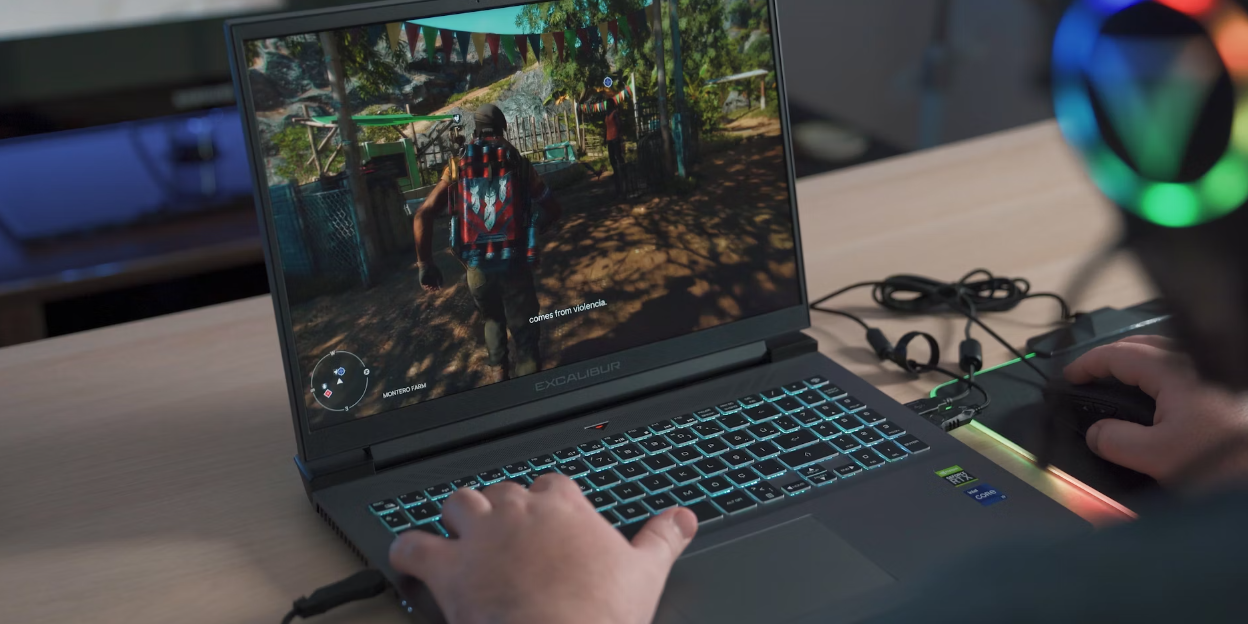
The free-to-play (F2P) model has dominated the gaming industry for over a decade, revolutionising how developers monetise their titles. From mobile blockbusters to PC and console hits, F2P has proven to be a lucrative and accessible approach. However, in 2025, questions are emerging about its sustainability. With increased competition, evolving player expectations, and alternative monetisation strategies gaining traction, has free-to-play peaked? And if so, what’s next for gaming revenue models?
The Evolution of Free-to-Play
Free-to-play wasn’t always the juggernaut it is today. The model first gained traction in the early 2010s with the rise of mobile gaming and online multiplayer titles. Games like League of Legends, Fortnite, and Genshin Impact demonstrated that well-designed F2P titles could generate billions in revenue through microtransactions, battle passes, and in-game cosmetics.
Yet, the very elements that made F2P successful are now under scrutiny. Players are increasingly frustrated by aggressive monetisation tactics, excessive grinding, and pay-to-win mechanics that diminish the gaming experience. Developers, too, are finding it harder to balance engagement with revenue generation without alienating their audience.
The free-to-play model has also had a significant impact on the online casino industry. Many gambling platforms including casinos not on GamStop 2025 have adopted F2P mechanics to attract users, offering virtual currency and free trial versions of slot machines, poker, and other casino-style games. This approach allows players to engage with casino games without financial risk, creating an opportunity to convert them into paying customers later.
Signs That Free-to-Play Might Have Peaked
The Subscription Model is Gaining Popularity
Subscription services such as Xbox Game Pass, PlayStation Plus, and Netflix Games are shifting the industry toward an all-you-can-play model. Instead of relying on individual F2P purchases, many players now prefer paying a fixed monthly fee for access to a vast library of games. This model provides predictable revenue for developers while offering players a more consumer-friendly experience.
Rising Development and Maintenance Costs
Keeping a F2P game profitable requires continuous updates, live events, and server maintenance. For many developers, this long-term commitment is becoming unsustainable. Games like Apex Legends and Call of Duty: Warzone have faced challenges in keeping up with content demands, and smaller studios often struggle to maintain engagement in an increasingly crowded market.
Player Backlash Against Microtransactions
Gamers have become more vocal in their opposition to intrusive monetisation strategies. Loot boxes, in particular, have faced regulatory scrutiny in various countries, with some governments classifying them as gambling. The negative reception of microtransactions in games like Diablo Immortal and Overwatch 2 has shown that players are losing patience with exploitative mechanics.
The Market is Oversaturated
At its peak, free-to-play gaming saw a flood of new titles vying for player attention. However, the sheer volume of competition has made it difficult for new F2P games to stand out. Unless a game brings something truly innovative to the table, it risks getting lost in the noise. This has led to higher player acquisition costs and lower retention rates for many developers.
What Comes Next? Emerging Monetisation Models
As the viability of traditional F2P models is questioned, developers are exploring new revenue strategies. Here are four key trends shaping the future of game monetisation:
1. Premium Battle Passes with No Free Option
While battle passes remain popular, some developers are experimenting with premium-only versions, eliminating the free tier altogether. This ensures steady revenue while still allowing players to engage with seasonal content.
2. Hybrid Models: Free Trial with a One-Time Purchase
Instead of full F2P, some games are offering extended free trials before requiring a one-time payment to unlock the full experience. This approach maintains accessibility while avoiding excessive monetisation pressure.
3. Crowdfunding and Community Support
Some indie developers are turning to Patreon, Kickstarter, and direct community funding to support ongoing development. By building a loyal player base willing to contribute financially, developers can bypass traditional monetisation models altogether.
4. NFTs and Blockchain Gaming (With Caution)
Despite mixed reception, blockchain-based gaming continues to evolve. Play-to-earn models, where players can trade in-game assets for real-world value, are gaining traction, though scepticism around NFTs remains high. Developers are treading carefully to avoid backlash similar to what Ubisoft faced with its Quartz initiative.
Is There Still a Place for Free-to-Play in 2025?
Despite the challenges, free-to-play is unlikely to disappear entirely. Games like Fortnite and Genshin Impact continue to thrive, proving that F2P can work when executed properly. However, developers will need to strike a balance between monetisation and player satisfaction.
The future of gaming may not be dominated by a single model, but rather a mix of subscription services, hybrid monetisation strategies, and community-driven funding. As player expectations evolve, the industry must adapt to ensure sustainable growth while delivering enjoyable gaming experiences.
So, has free-to-play peaked? Perhaps. But in its place, a new era of monetisation strategies is taking shape—one that prioritises fairness, value, and long-term engagement over short-term profits.